Phytic Acid, A New Approach To Treat CKD?
Aug 23, 2024
What is phytic acid?

As the name suggests, phytic acid is an anion mainly found in plant foods. It often forms magnesium salts or phosphorus salts with cations such as magnesium and phosphorus ions. The structure of phytic acid is shown in the figure below. In nature, phytic acid binds to phosphate, reducing phosphorus absorption from the gastrointestinal tract. This is why many CKD patients and dialysis patients are recommended a plant-based diet by doctors and nutritionists. However, the phytic acid content of different ingredients and food parts varies greatly, and food processing may change the phytic acid content in food. In preclinical and clinical studies, subjects consuming large amounts of phytic acid can significantly reduce the body's absorption of minerals. However, in the real world, this rarely occurs, and there has never been evidence that phytic acid can cause Mineral deficiencies 1-2.
According to statistics, omnivores can consume 150 to 1400 mg of phytic acid daily, vegetarians can consume 2000 mg of phytic acid daily, and vegans can consume 2000 to 2600 mg of phytic acid daily. In summary, there are huge individual differences in the daily intake of phytic acid due to different dietary habits1-2.
Effect of Phytic Acid on CKD²
The impact of phytic acid on CKD mainly comes from its effects on vascular calcification, mineral absorption, anti-inflammatory and antioxidant effects.
01Vascular calcification
The most promising therapeutic aspect of phytic acid for CKD patients is its effect on vascular calcification. Due to the decline in renal function, calcification often occurs in the coronary arteries, aorta or heart valves of patients with advanced CKD, which is a major factor in the occurrence of adverse cardiovascular events (MACE). The deposition of calcium phosphate hydroxyl limestone crystals is the cause of calcification of the cardiovascular system. Phytic acid can inhibit the deposition of calcium phosphate hydroxyl limestone crystals, thereby inhibiting vascular calcification. Animal studies have found that phytic acid can reduce the occurrence of cardiovascular calcification in rats in a dose-dependent manner. When rats were treated with nicotine and vitamin D, which induce vascular calcification in rats, mice treated with a 2% phytic acid body lotion did not develop kidney, heart or aortic calcification compared with the placebo control group. Mice will develop hypercalcemia, resulting in vascular calcification.

Clinical studies have also found similar findings. In a study that included 69 non-dialysis-dependent CKD patients, the estimated glomerular filtration rate (eGFR) of the enrolled patients was 49ml/min/1.73㎡. The results showed that compared with those with moderate or severe abdominal aortic calcification, those with no or mild abdominal aortic calcification had higher dietary phytic acid intake and more phytic acid in their urine. At the same time, the risk of cardiovascular disease was lower. The prevalence is low.
In addition, in a study including 8 non-dialysis dependent CKD patients (eGFR32.3±6ml/min/1.73㎡), a plant-based diet was associated with a decrease in serum phosphorus and urinary phosphorus compared with an animal-based diet. The two diets had similar amounts of total protein, calories, phosphate, calcium, and sodium, and the association between higher dietary phytate and less vascular calcification may be related to the fact that phytate can reduce phosphate absorption.
In one study of hemodialysis patients, injectable phytic acid was associated with a decrease in hydroxyapatite crystals (a 78% decrease in the phytic acid group and a 5% decrease in the placebo group). Moreover, phytic acid can significantly reduce the risk of vascular calcification in CKD patients, regardless of whether the patient receives 5 ascending doses (1, 3, 5, 12.5 and 20 mg/kg) or 3 injections of the same dose (10 mg/kg) . Tip, not only dietary intake of phytic acid is effective, but injection of phytic acid is also effective.
In another study involving more than 270 hemodialysis patients with 52 weeks of follow-up, the phytic acid treatment group had an 11% greater increase in coronary artery volume compared with the placebo group (P = 0.016). There was no significant difference in the risk of death in the phytic acid treatment group compared with the placebo group, and no serious adverse events were observed. It is further suggested that phytic acid can improve cardiovascular function in hemodialysis patients.
02Mineral absorption
According to the structural formula of phytic acid, it has a strong negative charge and can form complexes with cations such as iron, zinc, calcium, etc., and can inhibit its absorption from the intestine. Based on this, some scholars believe that phytic acid is an "anti-nutrient" that will cause the human body to be unable to absorb the above-mentioned cations.
In the real world, however, this concern seems less evident. Nutritional surveys have found that dietary phytic acid does not significantly affect blood calcium, blood zinc, blood magnesium, or blood iron levels in well-nourished people. In addition, calcium and magnesium phytate salts can also be absorbed by the body. Currently, phosphate has the greatest impact on mineral absorption. Therefore, in clinical practice, it does not significantly inhibit intestinal absorption of macrominerals.
On the other hand, phytic acid combines with cations present in food and intestines, which may also affect its absorption by the intestines. Therefore, many scholars suggest that phytic acid is best administered intravenously or locally.
03 Anti-inflammatory and antioxidant
Phytic acid has anti-inflammatory and antioxidant properties associated with its complex formation with iron. Free iron can interact with peroxides such as hydrogen peroxide to form hydroxyl radicals, which can cause oxidative reactions and inflammation in the body. However, phytic acid can significantly reduce free iron levels after forming a complex.
In addition, patients with advanced CKD often suffer from renal anemia. Although renal anemia has many causes, iron deficiency and inflammation accompanied by low serum free iron and high hepcidin also often lead to anemia. At the same time, the hydroxyl free radicals mentioned above can also aggravate anemia. It is suggested that phytic acid may have a certain effect on some patients with renal anemia.
Although there are few clinical studies on the anti-inflammatory and antioxidant capabilities of phytic acid in patients with CKD, some studies have found that oral phytic acid supplements can reduce inflammation and oxidative reactions in patients with type 2 diabetes. Observational studies have found that patients with higher phytic acid intake have a significantly lower probability of elevated C-reactive protein, especially in obese or overweight patients. Finally, phytic acid also appears to inhibit increases in serum uric acid.
Effects of Phytic Acid on Other Kidney Diseases
In fact, phytic acid also has a certain therapeutic effect on crystallized kidneys and kidney stones. Many studies suggest that phytic acid can inhibit calcium salt crystallization in the urine and soft tissues of rats and humans. In vitro studies have also found that phytic acid has an inhibitory effect on calcium oxalate and other crystals, and can also reduce the number of bacteria in urine. In a previous study, women with higher phytic acid intake (>2939 mg/d) had a lower risk of kidney stones (HR = 0.63) than women with lower phytic acid intake (<596 mg/d). ; 95% CI, 0.51~0.78). Diet-related studies have also found that people with higher phytic acid intake have a lower risk of urinary tract stones².
In addition, for patients with previous calcium oxalate or calcium phosphate stones, a diet high in phytate can significantly reduce the risk of recurrence of stones. 1

Although the FDA considers phytic acid a safe substance, a preclinical study found that rats that consumed large amounts of phytic acid were associated with an increased incidence of Alzheimer's disease. 1
In short, phytic acid has very good therapeutic prospects for CKD patients and deserves more research.
How Does Cistanche Treat Kidney Disease?
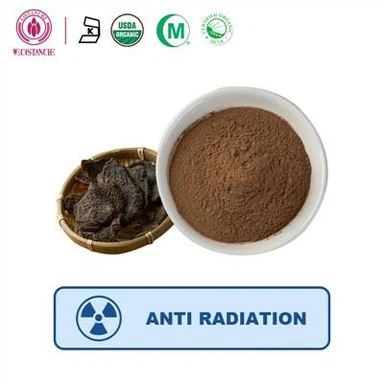
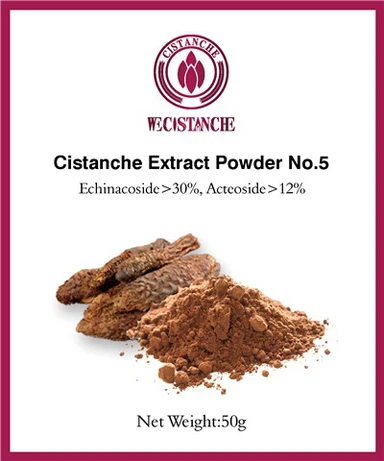
Cistanche is a traditional Chinese herbal medicine used for centuries to treat various health conditions, including kidney disease. It is derived from the dried stems of Cistanche deserticola, a plant native to the deserts of China and Mongolia. The main active components of cistanche are phenylethanoid glycosides, echinacoside, and acteoside, which have been found to have beneficial effects on kidney health.
Kidney disease, also known as renal disease, refers to a condition in which the kidneys are not functioning properly. This can result in a buildup of waste products and toxins in the body, leading to various symptoms and complications. Cistanche may help treat kidney disease ase through several mechanisms.
Firstly, cistanche has been found to have diuretic properties, meaning it can increase urine production and help eliminate waste products from the body. This can help relieve the burden on the kidneys and prevent the buildup of toxins. By promoting diuresis, cistanche may also help Reduce high blood pressure, a common complication of kidney disease.
Moreover, cistanche has been shown to have antioxidant effects. Oxidative stress, caused by an imbalance between the production of free radicals and the body's antioxidant defenses, plays a key role in the progression of kidney disease. ies help neutralize free radicals and reduce Oxidative stress, thereby protecting the kidneys from damage. The phenylethanoid glycosides found in cistanche have been particularly effective in scavenging free radicals and inhibiting lipid peroxidation.
Additionally, cistanche has been found to have anti-inflammatory effects. Inflammation is another key factor in the development and progression of kidney disease. Cistanche's anti-inflammatory properties help reduce the production of pro-inflammatory cytokines and inhibit the activation of inflammation mandatory pathways, thus alleviating inflammation in the kidneys.
Furthermore, cistanche has been shown to have immunomodulatory effects. In kidney disease, the immune system can be dysregulated, leading to excessive inflammation and tissue damage. Cistanche helps regulate the immune response by modulating the production and activity of immune cells, such as T cells and macrophages. This immune regulation helps reduce inflammation and prevent further damage to the kidneys.
Moreover, cistanche has been found to improve renal function by promoting the regeneration of renal tubes with cells. Renal tubular epithelial cells play a crucial role in the filtration and reabsorption of waste products and electrolytes. In kidney disease, these cells can be damaged, leading to damaged renal function. Cistanche's ability to promote the regeneration of these cells helps restore proper renal function and improve overall kidney health.

In addition to these direct effects on the kidneys, cistanche has been found to have beneficial effects on other organs and systems in the body. This holistic approach to health is particularly important in kidney disease, as the condition often affects multiple organs and systems. che has been shown to have protective effects on the liver, heart, and blood vessels, which are commonly affected by kidney disease. By promoting the health of these organs, cistanche helps improve overall kidney function and prevent further complications.
In conclusion, cistanche is a traditional Chinese herbal medicine used for centuries to treat kidney disease. Its active components have diuretic, antioxidant, anti-inflammatory, immunomodulatory, and regenerative effects, which help improve renal function and protect the kidneys from further damage. , cistanche has beneficial effects on other organs and systems, making it a holistic approach to treating kidney disease.