Postpartum Constipation, The Indescribable Pain For New Mothers
Jul 10, 2025
Postpartum constipation: the indescribable pain for new mothers

Effects of cistanche on treating constipation
For every new mother, welcoming the arrival of a new life is an incredibly happy thing, but postpartum constipation is like a haze, quietly enveloping and causing many troubles. The physical discomfort, as if a cloud of turbid qi was accumulating in the body, was difficult to smoothly expel, and the feeling of bloating and abdominal pain constantly reminded me of the existence of this' indescribable pain '. Every time I sit on the toilet, trying hard but feeling helpless, only those who have experienced this pain can deeply appreciate it.
Even worse, constipation can trigger a series of chain reactions. Due to poor bowel movements, a large amount of feces accumulates in the intestines, and the toxins produced are absorbed by the body. This may not only cause dull complexion and rough skin, affecting the external image of new mothers but also further affect their emotions, making them anxious and irritable. Postpartum is a period of physical and psychological vulnerability for women, and constipation undoubtedly exacerbates the situation, seriously affecting the quality of life and mental health of new mothers.
According to relevant data, the incidence of postpartum constipation is quite high, with about 11-38% of pregnant women suffering from constipation, much higher than the general population. This means that one in every few new mothers may be suffering from postpartum constipation. Such a high proportion is enough to make us pay attention to this issue and explore effective solutions.
Why is postpartum constipation easy?
The occurrence of postpartum constipation is not accidental, but the result of multiple intertwined factors.
From the perspective of physiological changes, hormone levels in pregnant women undergo significant changes, especially the excessive secretion of progesterone, which acts as a "slow button" for intestinal peristalsis, slowing down the transport of food in the intestine and causing excessive absorption of water in feces, resulting in dryness and an increased risk of constipation. During childbirth, if it is a vaginal delivery, the pelvic floor muscles and perineal tissue of the mother will be damaged to varying degrees. The pain in these areas will make the mother afraid to exert force during defecation, and the defecation reflex will be suppressed. Over time, this can easily lead to constipation. Moreover, the uterus gradually retracts after childbirth, but during this process, it may exert some pressure on the rectum, further hindering normal intestinal peristalsis and making defecation more difficult.

Cistanche herb-Treat constipation
Changes in dietary structure are also important factors. After childbirth, family members often prepare a large amount of high-protein and high-fat foods, such as pig trotter soup, chicken soup, various meats, etc., to supplement the nutrition of the mother, but neglect the intake of vegetables, fruits, and coarse grains. Dietary fiber is like the "cleaner" of the intestines, which can promote intestinal peristalsis, increase fecal volume, and make it easier to excrete from the body. However, the lack of such foods can lead to slow intestinal peristalsis, prolonged retention of feces in the intestines, and the absorption of water, making it dry and hard to excrete. At the same time, postpartum mothers are physically weak and sweat a lot. If there is insufficient hydration, it can also cause dry stools and worsen constipation symptoms.
The reduction in physical activity cannot be ignored. After childbirth, mothers usually need to rest in bed for a long time to recover their physical strength, and taking care of newborns consumes a lot of energy, leaving them with little time and energy for exercise. Without exercise, the peristalsis of the intestines will be significantly weakened, and after food is digested and absorbed in the intestines, the transportation of residues becomes slow, which can easily accumulate in the intestines and cause constipation.
Psychological factors also play a key role in postpartum constipation. Postpartum women not only have to face physical changes and recovery, but also bear the responsibility of taking care of newborns, which can easily lead to negative emotions such as anxiety, tension, and depression. These emotions can affect the function of the autonomic nervous system, disrupt normal intestinal peristalsis and digestion, and lead to constipation. For example, some novice mothers worry that they may not be able to take care of their babies well, or are overly anxious about their body recovery. Being under this mental pressure for a long time can easily lead to constipation problems.
Cistanche deserticola: a natural remedy for relieving postpartum constipation

Cistanche powder health benefits
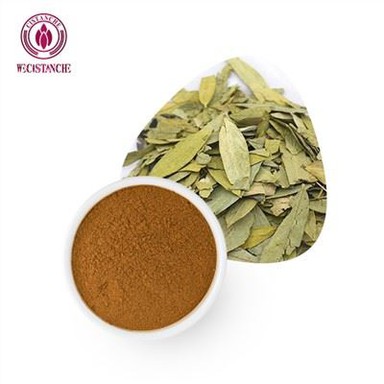
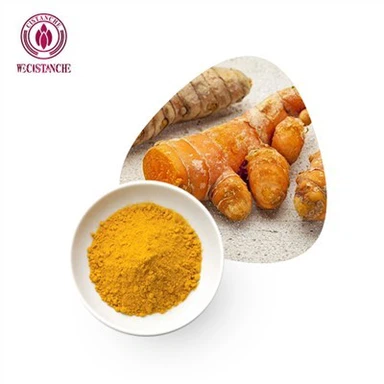
When exploring solutions for postpartum constipation, Cistanche deserticola gradually entered people's vision and became a highly regarded "natural savior". Cistanche deserticola, a magical plant that grows in the desert, also known as Cunyun, is a fleshy stem with dry-scaled leaves of Cistanche deserticola or Cistanche tubulosa in the family Rhamnaceae. It is mainly distributed in Ningxia, Inner Mongolia, Gansu, Xinjiang, Qinghai, and other places in China, and often grows in the sand hills of the Red Willow Desert. It is warm, sweet, and salty, and belongs to the kidney and colon meridians. It is widely used in traditional medicine and has the reputation of "desert ginseng".
From the perspective of traditional Chinese medicine theory, Cistanche deserticola can nourish kidney yang, benefit essence and blood, lubricate the intestines, and promote bowel movements. It has unique therapeutic effects on constipation caused by postpartum women's deficiency of qi and blood and insufficient kidney yang. The principle is that postpartum women lose a large amount of blood and their kidney essence is also depleted, causing the intestines to lose sufficient nourishment from in blood and body fluids, becoming dry and leading to constipation. Cistanche deserticola enters the kidney and colon meridians, tonifying the kidneys and promoting yang, ensuring sufficient yang energy and promoting the circulation of qi and blood, thereby supplementing the yin blood needed by the intestines and playing a role in moistening dryness and promoting bowel movements. It's like introducing fresh water into a dried-up river, restoring vitality to the intestines and allowing feces to be discharged smoothly.

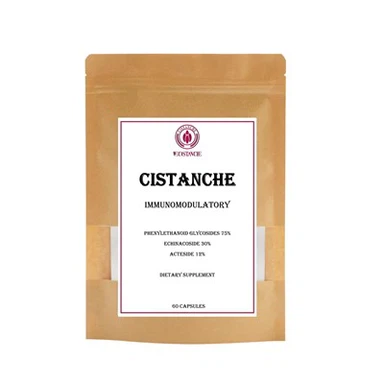
Phenylethanol glycoside is the main active component of Cistanche deserticola
Modern medical research has also provided strong evidence for the treatment of postpartum constipation with Cistanche deserticola. Research has found that Cistanche deserticola is rich in various active ingredients, among which phenylethanoid glycosides, polysaccharides, and other substances have a positive regulatory effect on intestinal function. The polysaccharides in Cistanche deserticola can promote the growth and reproduction of beneficial gut microbiota, improve the gut microbiota environment, and enhance the digestive and absorption functions of the intestine. It can also promote small intestine peristalsis, and inhibit excessive absorption of water by the large intestine, thereby shortening defecation time, and making stool moist, soft, and easy to excrete. Relevant experimental data show that the decoction of Cistanche deserticola can significantly improve the speed of small intestine propulsion, shorten defecation time, and have a significant effect on improving constipation symptoms.
In clinical practice, there are countless successful cases of using Cistanche deserticola to treat postpartum constipation. A novice mother named Xiao Li has been troubled by constipation since giving birth. Despite trying various methods, the results have been unsatisfactory, and she has become anxious and irritable. Later, on the advice of the doctor, I started taking Cistanche deserticola for conditioning. After some time, she was pleasantly surprised to find that her constipation symptoms had significantly improved, her bowel movements gradually returned to normal, and her overall mental state had also been refreshed. There are many examples like Xiao Li's. With its significant therapeutic effects, Cistanche deserticola has helped many postpartum mothers overcome constipation and regain a relaxed and happy life.
Usage and precautions of Cistanche deserticola
Effects of cistanche on treating constipation
Click here to view Cistanche Tubulosa Extract Natural Supplement Powder
【Ask for more】 Email:cindy.xue@wecistanche.com / WhatsApp: 0086 18599088692 / Wechat: 18599088692
Having learned about the miraculous effect of Cistanche deserticola in relieving postpartum constipation, new mothers must be eager to know how to use it. There are various ways to use Cistanche deserticola, each with its unique flavor and efficacy, making it convenient for new mothers to choose according to their preferences and actual situation.
The most convenient way is to soak Cistanche deserticola in water. Cut the Cistanche deserticola into thin slices, take 5-10 grams, and put them in a cup. Brew in boiling water and cover for about 5 minutes. Wait for the flavor to fully release before drinking. It's like preparing a warm cup of care for oneself, taking a sip anytime while busy taking care of the baby. The water soaked in Cistanche deserticola has a light fragrance and a warm taste, which can not only replenish water but also have the effect of moistening the intestines and promoting bowel movements. It can be brewed repeatedly until the taste becomes lighter, which is very suitable for daily health and wellness.
If you have plenty of time, you may want to try making soup with Cistanche deserticola. Cutting Cistanche deserticola into small pieces and combining them with chicken, pork ribs, lamb, and other ingredients to make soup not only enhances the medicinal properties of Cistanche deserticola but also increases the nutritional value of the soup. For example, in the soup of Cistanche deserticola and lamb, 15g of Cistanche deserticola, 200g of lamb, and an appropriate amount of ginger slices, scallions, and other seasonings are stewed in a pot. The deliciousness of lamb and the richness of Cistanche deserticola blend, and the soup is rich and nourishing. It can not only nourish kidney yang but also moisten the intestines and promote bowel movements. It is particularly suitable for new mothers who are weak after childbirth and have insufficient qi and blood. On a cold winter day, drinking a steaming bowl of Cistanche deserticola lamb soup can warm the whole body and provide good nourishment.
Cistanche is also a good choice for cooking Congee. Cut the distance into small pieces and cook Congee with rice, millet, etc. You can also add red dates, longans, yams, and other ingredients according to your taste. For example, put 10g of cistanche and 100g of millet porridge into a pot, add some water, and cook the Congee until it is ripe. Xiaomi itself has the effect of invigorating the spleen and stomach. When paired with Cistanche deserticola, it can not only nourish the kidneys and essence but also moisten the intestines and promote bowel movements. It can be eaten for breakfast or dinner, which is both nutritious and delicious, and can provide sufficient energy for new mothers. The taste of Congee is soft and glutinous, easy to digest and absorb, which is very suitable for new mothers with weak gastrointestinal function after childbirth.
When using Cistanche deserticola, some taboo groups and precautions need special attention. Cistanche deserticola is warm in nature and has the effect of tonifying the kidneys and promoting yang. Therefore, it is contraindicated for people with yin deficiency and excessive fire. Consuming it may worsen the symptoms of dryness and heat in the body, leading to discomfort such as dry mouth and tongue, sore throat, and insomnia. Diarrhea sufferers should not consume Cistanche deserticola because it has the function of moistening the intestines and promoting bowel movements. Consuming it may worsen diarrhea symptoms and make the body weaker. Although Cistanche deserticola has a good therapeutic effect on postpartum constipation, pregnant and lactating women must consult their doctors carefully before consumption. Because Cistanche deserticola is a traditional Chinese medicine, its components may be transmitted to babies through breast milk, potentially affecting their health. People with allergies should also be extra careful. As a traditional Chinese medicine, Cistanche deserticola may cause allergic reactions, and symptoms such as rash, itching, and difficulty breathing may occur after consumption. If any discomfort occurs during the consumption of Cistanche deserticola, it should be stopped immediately and medical attention should be sought promptly.
Comprehensive conditioning, bidding farewell to postpartum constipation

cistanche deserticola ma
Although Cistanche deserticola is good, in order to completely bid farewell to postpartum constipation, it is necessary to take multiple measures to comprehensively regulate diet, exercise, psychology, and other aspects.
In terms of diet, it is important to pay attention to balanced nutrition and a reasonable combination of foods. Increasing the intake of dietary fiber is key. Eat more vegetables rich in dietary fiber, such as spinach, celery, broccoli, etc. These vegetables are like "little brooms" in the intestines, which can help clean up intestinal waste and promote intestinal peristalsis. In terms of fruits, apples, bananas, and dragon fruit are all good choices. They are not only rich in vitamins but also can increase stool volume and soften stool. At the same time, it is important to ensure sufficient water intake by drinking at least 1500-2000 milliliters of water per day, which helps to keep the intestines moist and makes bowel movements easier to pass. In addition, consuming some coarse grains such as corn, oats, brown rice, etc,. in moderation to replace some fine rice and flour can also help improve constipation. For example, you can have a bowl of oatmeal Congee with an apple for breakfast; Eat more vegetables for lunch, such as celery, stir-fried shredded pork, and stir-fried broccoli; For dinner, you can choose brown rice and add a spinach soup.
If physical conditions permit, postpartum new mothers can engage in moderate exercise. Postpartum yoga is a great choice as it can help promote physical recovery, enhance abdominal muscle strength, and stimulate intestinal peristalsis. A simple walk is also good. Walking slowly indoors or outdoors for about 30 minutes every day can effectively improve blood circulation and have a positive effect on relieving constipation. However, exercise should be gradual and avoid overexertion, especially for mothers who have undergone cesarean section. They should pay attention to the intensity and duration of exercise to prevent it from affecting wound healing. New mothers can start practicing simple postpartum yoga exercises, such as cat and bull poses, dog poses, etc., around one week after giving birth, for 15-20 minutes each time, 3-4 times a week. After dinner every day, taking a walk with family in the community can not only relax the mind but also promote digestion and relieve constipation.
After giving birth, it is important to develop a habit of regular bowel movements as soon as possible. Even if there is no urge to defecate, one can squat for a few minutes in the bathroom at a fixed time every day to cultivate a bowel reflex. Do not sit for long periods during defecation. Try to concentrate and avoid distracting behaviors such as playing with mobile phones to reduce defecation time and lower the risk of constipation. New mothers can choose to go to the bathroom and try to defecate after waking up in the morning or half an hour after breakfast every day. Over time, the body will form a regular defecation biological clock.
Postpartum new mothers should maintain a positive attitude and learn to self-regulate their emotions. You can communicate more with family and friends, share parenting experiences and daily life details, and relieve psychological pressure. You can also listen to some soothing music, watch a favorite movie, and relax. When feeling anxious or irritable, try taking deep breaths and doing a few relaxing stretching exercises to help calm your emotions. For example, listening to soft classical music or reading a relaxing and interesting book during the baby's sleep breaks can fully relax one's body and mind.