Preserving Your Renal Reserve: How Cistanche Tubulosa Slows Kidney Aging And Protects Filtration Capacity
Sep 20, 2026
Kidney function declines with age in everyone. After age 40, the glomerular filtration rate-the rate at which the kidneys filter blood-drops by approximately 1% per year. This decline is usually silent. There is no pain, no obvious symptom, just a gradual erosion of the kidney's functional reserve. For many, this age-related decline remains subclinical. But for those with hypertension, diabetes, or a family history of kidney disease, the loss of reserve can tip into chronic kidney disease-a condition that affects over 850 million people worldwide and is projected to become the fifth leading cause of death by 2040. The kidneys are among the most metabolically active organs in the body, consuming oxygen at rates comparable to the heart. This metabolic intensity makes them uniquely vulnerable to the oxidative stress and inflammation that accelerate aging. Cistanche tubulosa, a desert plant traditionally used as a kidney tonic, is being studied for its ability to protect the kidney's delicate filtration machinery from age-related damage. Its active ingredients echinacoside and acteoside target the cellular mechanisms of kidney aging: oxidative stress, mitochondrial dysfunction, inflammation, and fibrosis.

The Kidney's Vulnerability to Aging
The functional unit of the kidney is the nephron, and at the heart of each nephron lies the glomerulus-a specialized capillary network where blood filtration occurs. The glomerular filtration barrier consists of three layers: the fenestrated endothelium, the glomerular basement membrane, and the podocytes. Podocytes are terminally differentiated epithelial cells with foot processes that interdigitate to form slit diaphragms. These slit diaphragms, composed of proteins like nephrin and podocin, are the final molecular sieve-they allow water and small solutes to pass while retaining albumin and larger proteins.
Podocytes are the kidney's most vulnerable cells. They cannot regenerate effectively, and they are exposed to constant oxidative stress from the high metabolic rate of filtration. With age, podocytes are lost, and the remaining cells must compensate by covering more of the glomerular basement membrane. This compensatory hypertrophy eventually fails, and the filtration barrier becomes leaky. Albumin spills into the urine-a condition called proteinuria-which is not just a marker of kidney damage but a driver of further injury. Albumin is toxic to the renal tubular cells downstream, triggering inflammation, apoptosis, and the epithelial-to-mesenchymal transition that leads to fibrosis.
Oxidative stress is the universal trigger. The kidneys receive 20–25% of cardiac output, and their high metabolic activity generates abundant reactive oxygen species. With age, the kidney's endogenous antioxidant defenses-superoxide dismutase, glutathione, catalase-decline. When ROS overwhelm these defenses, they activate NF-κB, which drives inflammation, and TGF-β1, which drives fibrosis. This oxidative-inflammatory-fibrotic cascade is the final common pathway of renal aging.
How Cistanche Tubulosa Protects Kidney Function
1. Activating Nrf2 to Boost the Kidney's Antioxidant Defenses
Echinacoside is a potent Nrf2 activator, and the kidneys are among the organs most responsive to Nrf2-mediated protection. When echinacoside activates Nrf2 in podocytes and renal tubular cells, it upregulates a comprehensive panel of antioxidant and cytoprotective enzymes: heme oxygenase-1, NAD(P)H quinone oxidoreductase 1, glutathione peroxidase, and superoxide dismutase. These enzymes neutralize the ROS that damage podocyte foot processes and slit diaphragm proteins.
In animal models of age-related kidney decline and diabetic nephropathy, echinacoside treatment significantly reduced proteinuria, preserved podocyte number and foot process morphology, and maintained the expression of nephrin and podocin. Serum creatinine and blood urea nitrogen, the classic markers of impaired kidney function, were significantly lower in treated animals. These findings indicate that echinacoside protects the structural and functional integrity of the glomerulus under the metabolic stress of aging.

2. Protecting Renal Mitochondria from Oxidative Damage
The kidneys are second only to the heart in mitochondrial density, reflecting their enormous energy demands. Renal tubular cells rely on mitochondrial ATP to power the active transport of sodium, glucose, and amino acids. When mitochondria are damaged by oxidative stress, ATP production drops, and tubular function fails. Echinacoside protects renal mitochondria by stabilizing membrane potential, preventing the permeability transition pore from opening, and preserving electron transport chain function. By maintaining mitochondrial ATP production, echinacoside ensures that the kidney has the energy it needs to sustain filtration and reabsorption.
3. Suppressing NF-κB to Calm Renal Inflammation
Inflammation is both a consequence and a driver of kidney aging. Activated immune cells infiltrate the kidney, releasing pro-inflammatory cytokines that damage podocytes and tubular cells. Acteoside, through its potent NF-κB inhibition, suppresses the production of TNF-α, IL-6, and IL-1β in renal tissue. By calming the inflammatory environment, it helps preserve the integrity of the filtration barrier and slows the progression of kidney disease.
4. Inhibiting TGF-β1 to Prevent Renal Fibrosis
Renal fibrosis is the final, irreversible stage of chronic kidney disease. It is driven by TGF-β1, the master cytokine that activates fibroblasts and resident mesenchymal cells to produce excessive extracellular matrix, replacing functional nephrons with scar tissue. Acteoside has been shown to inhibit the TGF-β1/Smad2/3 signaling pathway, reducing the expression of fibrotic markers-alpha-smooth muscle actin, fibronectin, and collagen types I and IV-in models of renal fibrosis. By targeting fibrosis, Cistanche addresses the final common pathway of all progressive kidney diseases.
5. Improving Renal Microcirculation
The kidneys are exquisitely dependent on adequate blood flow. Renal vasoconstriction, driven by angiotensin II and endothelin, contributes to ischemic injury in chronic kidney disease. Cistanche phenylethanoid glycosides support endothelial nitric oxide synthase activity and NO production, promoting vasodilation. In the renal vasculature, this improved endothelial function may help maintain glomerular perfusion pressure and oxygen delivery, reducing the hypoxic stress that triggers fibrosis.
A comprehensive 2022 review in Frontiers in Pharmacology catalogs the renoprotective properties of Cistanche tubulosa, highlighting its Nrf2-dependent antioxidant effects, its NF-κB and TGF-β1 inhibitory activities, and its protection of both glomerular and tubular structures. (Frontiers in Pharmacology review)
The Active Ingredients for Kidney Protection
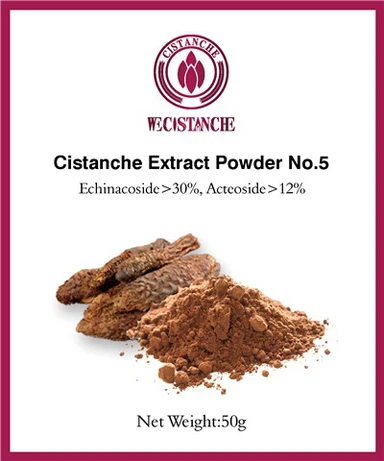
The renoprotective effects are driven by echinacoside and acteoside. Echinacoside is the primary Nrf2 activator and podocyte protector. Acteoside is the primary NF-κB and TGF-β1 inhibitor, suppressing inflammation and fibrosis. A standardized extract containing 20–40% total phenylethanoid glycosides is essential. The evidence-informed dose for kidney support is 400–600 mg daily, taken with a meal.
Integrating Cistanche for Kidney Health
Kidney protection is a long-term investment. Cistanche should be taken consistently-daily, with a meal-as a preventive and supportive measure, particularly for individuals with risk factors such as diabetes, hypertension, or a family history of kidney disease. It pairs well with kidney-protective lifestyle practices: adequate hydration, blood pressure control, blood sugar management, avoidance of excessive NSAID use, and a diet moderate in protein and low in processed sodium. For those with diagnosed chronic kidney disease, any supplement use must be discussed with a nephrologist, as dosing adjustments may be needed based on the stage of renal impairment.
For those seeking reliable, research-grade kidney support, we offer Cistanche tubulosa extract products with verified active ingredient content.

Safety and Medical Context
Cistanche tubulosa has a two-thousand-year safety record and is well tolerated. However, chronic kidney disease is a serious, progressive condition that requires ongoing nephrology care. This botanical is a supportive, preventive, and complementary tool-not a replacement for dialysis, antihypertensive medications, or other prescribed therapies. Anyone with elevated creatinine, reduced eGFR, significant proteinuria, or diagnosed kidney disease should be under the care of a qualified physician.