Many Men Troubled By “male Menopause” Say The Same Thing: They Feel Their Life Vitality Is Slipping Away, And Their Emotions Are Becoming Harder To Control.
Sep 20, 2026
Did you know men can experience a "menopause-like" stage too?
In fact, the 2025 Clinical Practice Guideline for Late-Onset Hypogonadism (LOH) notes that "male menopause" is one of the older terms that has been used to describe LOH.
In a public, easy-to-understand way, "male menopause" can refer to the stage when a man moves from middle age into older age and his body functions gradually begin to change.
An endocrinologist from Peking Union Medical College Hospital once compared these changes with women's menopause and described the male process as more like "walking slowly downhill, step by step." From puberty, the body climbs relatively quickly to a peak. After that, it begins to decline little by little-so subtly that day-to-day differences feel small. It can be like a "slow boil": by the time you truly notice, the changes may have been happening for years.
However, once you enter the consultation room, the term "male menopause" is too broad to use as a strict medical label.
Today, clinicians more often use a clearer concept with more defined diagnostic boundaries: late-onset hypogonadism, abbreviated in English as LOH.
LOH is not simply "a man reaches a certain age and starts sleeping poorly, feeling tired, or getting more irritable." It refers to a situation where, with increasing age, a man develops symptoms or signs consistent with testosterone deficiency-and testing can also confirm that testosterone levels are reduced.
In other words: "male menopause" can describe a life stage and a set of changes that many men recognize. LOH, by contrast, is a medical diagnosis that requires evidence.
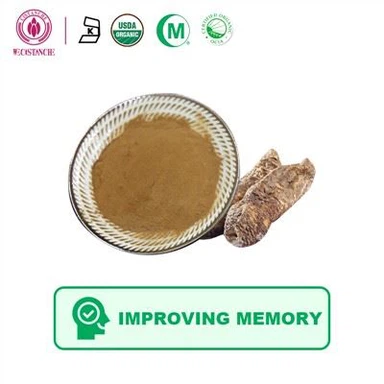
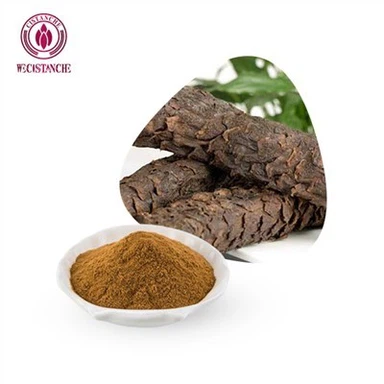
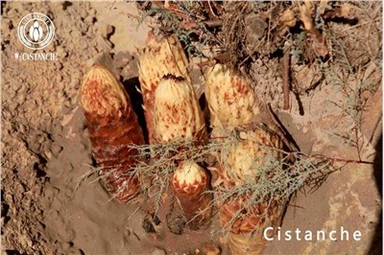
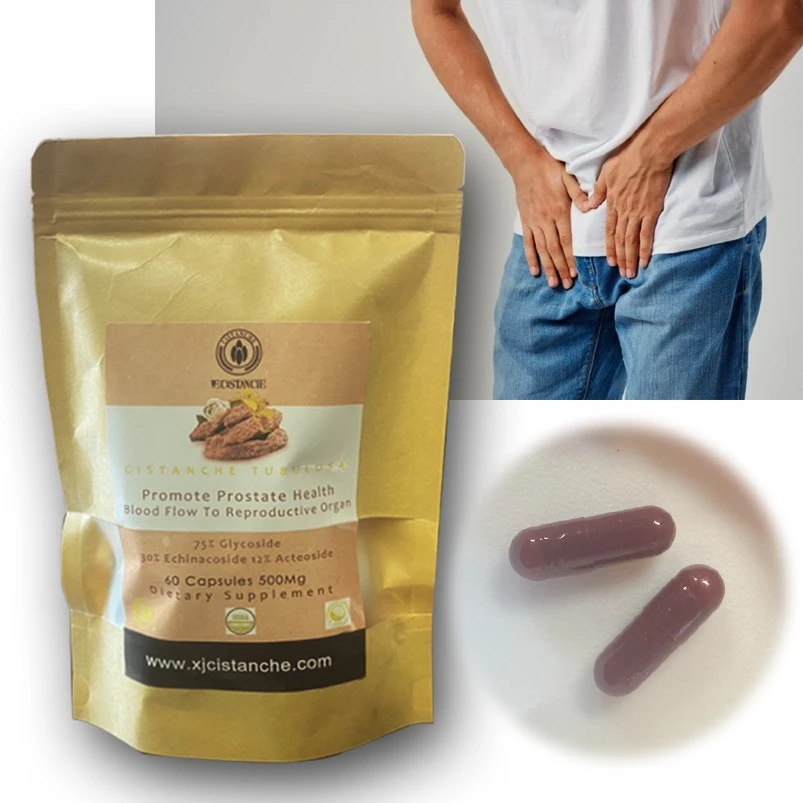
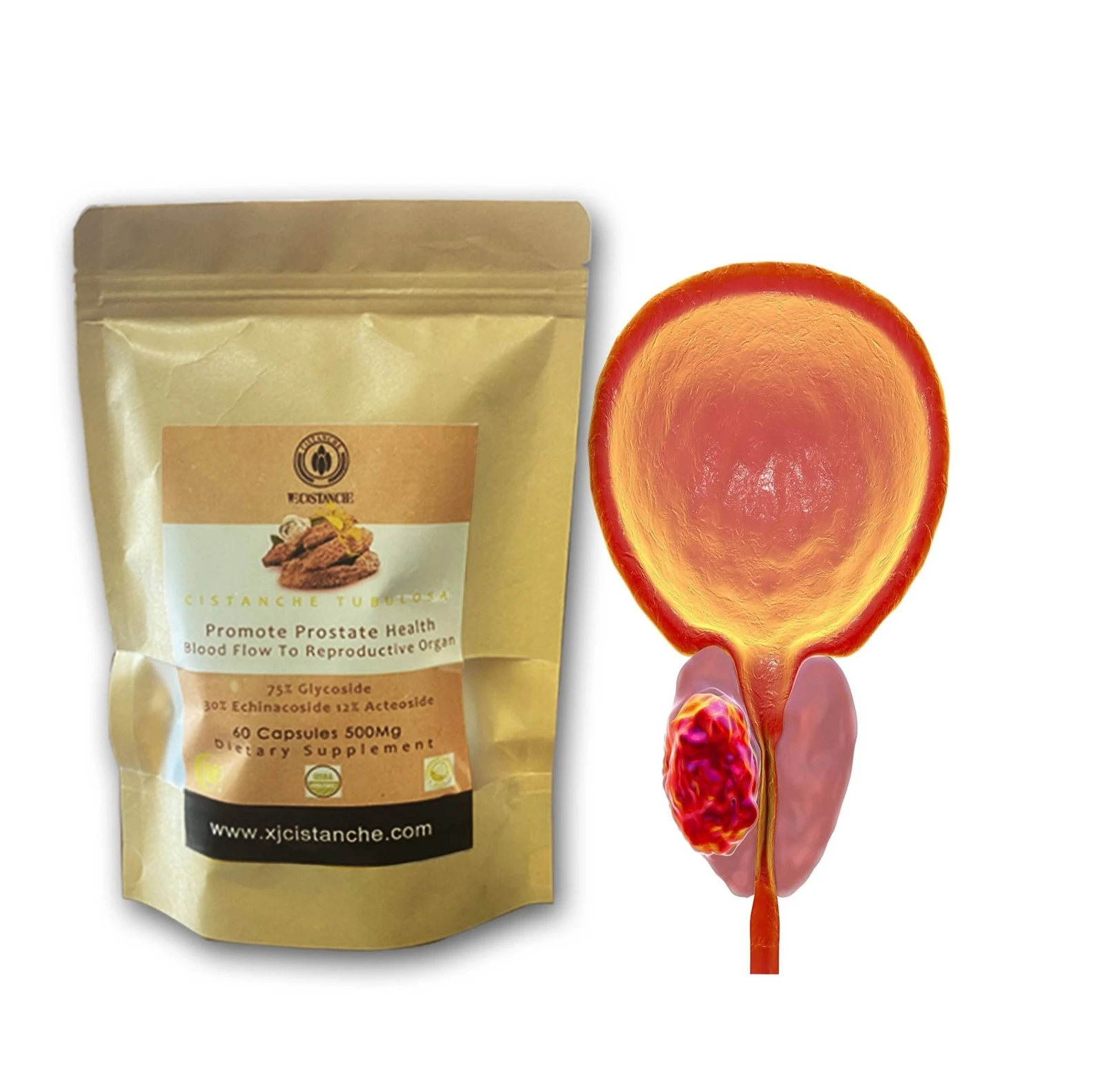
Cistanche Supplements For Men Prostate Health
Supportive Service Of Wecistanche-For more details about cooperation
Email:wallence.suen@wecistanche.com
In real life, very few men will proactively say, "I've entered male menopause."
Psychologists and counselors who work with middle-aged men often hear them describe the problem differently. They may say: "I'm sleeping badly," "I'm exhausted," "I have no energy," "I get angry easily," "I'm more irritable," "I feel low," "my self-worth has dropped," or "work isn't going well," "my marriage is in trouble," "my kids are stressing me out." They may sense that something is different from before, but they don't always connect the dots-much less give it the name "male menopause."
Hospitals see something similar.
Urologists have observed that very few men come in specifically because they believe they are in "male menopause." More often, patients arrive with one or a few concrete complaints: insomnia, fatigue, sweating, changes in libido, or changes in erectile function. Some men may have already visited cardiology, psychiatry, orthopedics, or other departments first, and some are referred in by other specialists-including psychiatrists.
And that doesn't necessarily mean they went to the "wrong" place. Symptoms like insomnia, fatigue, pain, palpitations, sweating, low mood, and changes in libido or erectile function don't naturally belong to only one medical specialty.
Clinicians also notice an interesting pattern: after a TV health program mentions "male menopause," clinics may suddenly see a wave of men who say, "Those symptoms described on TV-maybe I have all of them."
This creates a strong impression: it's not that there are few people affected, but that both doctors and patients may still lack sufficient awareness and shared language around the issue.
Although male hormonal aging does not have a single clear marker like menopause in women, male gonadal function and testosterone levels can change with age. The difference is that this process is usually slow and gradual. There is rarely a specific day when a man can say, "From today on, I've entered male menopause."
But men can feel it in their bodies. The decline in vitality leaves many feeling frustrated and worried.
And for a long time, social expectations have trained men not to openly talk about fear, loss, loneliness, or other complex emotions that come with these changes.
Today, let's get to know men who are going through-or have already gone through-this stage, and see how they navigate a difficult period of physical and emotional change.
Practical support for Western readers: building a "midlife vitality routine"
If you are a man (or a partner of a man) in the US or Europe and this resonates, a helpful first step is to approach the problem from two angles at the same time: medical clarity and daily support.
Get medical clarity when symptoms persist
If fatigue, low mood, sleep issues, or sexual function changes persist for weeks or months, don't rely on self-labels like "male menopause." Consider speaking with a qualified clinician (urology/andrology/endocrinology are common starting points) about whether LOH should be evaluated. A real LOH diagnosis requires both symptoms and lab evidence of low testosterone, and testing is typically done in the morning, sometimes repeated, and interpreted alongside other factors.
Daily support: the basics matter more than people want to admit
Even when LOH is not confirmed, many men benefit from a structured routine that supports energy, mood, and confidence:
Sleep: consistent wake time, reduced late caffeine and alcohol, screen for sleep apnea if snoring and non-restorative sleep are present
Strength training: preserving muscle and metabolic health is closely linked to how "vital" a man feels
Stress and emotions: consider coaching, therapy, journaling, or breathwork-because chronic stress can amplify irritability, fatigue, and sleep disruption
Where Cistanche fits: a Cistanche-centered "vitality and resilience" formula idea (non-medical, supplement-style)
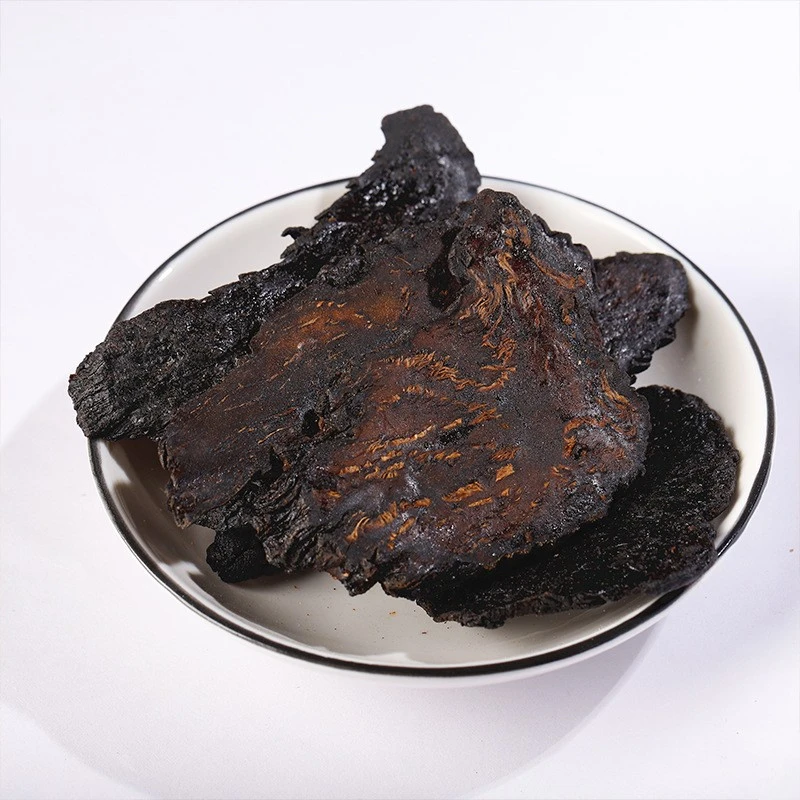
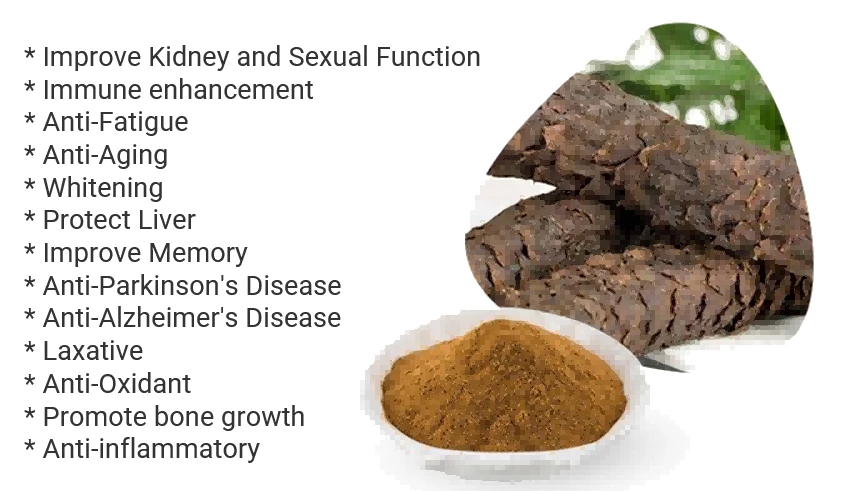
For readers who want a natural wellness routine, Cistanche (Rou Cong Rong) is one of the most discussed traditional botanicals for midlife vitality support. In traditional use, it is often associated with "kidney yang" support, endurance, and healthy aging-concepts that many Western consumers interpret as energy, drive, and resilience.
Below is an example of how a Cistanche-based supplement formula can be presented for a Western audience without making disease claims:
Option A: Simple "Day + Night" routine (easy to follow)
Morning: Cistanche extract (standardized where possible, for example by echinacoside/acteoside content)
Evening: Magnesium glycinate
Why it's popular: it reads as "daytime vitality + nighttime recovery," which is a concept Western consumers understand immediately.

Option B: "Vitality + Stress Resilience" daytime blend (for men under pressure)
Cistanche extract
Rhodiola rosea or Panax ginseng (choose one based on the target positioning)
Option C: Traditional pairing direction (for deeper education content)
Cistanche (Rou Cong Rong)
Cuscuta seed (Tu Si Zi)
This pairing is commonly discussed in traditional compatibility logic around "tonifying" and "consolidating," which can be explained to Western consumers as supporting stamina and foundational vitality during midlife transitions.
Important notes for compliance and safety
These formula ideas are for general wellness support and are not intended to diagnose, treat, cure, or prevent LOH, "male menopause," depression, insomnia, or erectile dysfunction.
Men with persistent symptoms should seek medical evaluation, because similar symptoms can have different underlying causes.
Any supplement should be reviewed for suitability if you have medical conditions or take medications.
If you are a brand sourcing Cistanche: what to ask a factory before you buy
If you're developing a Cistanche product for the Western market, consider requesting:
botanical identity documentation and origin traceability
standardized marker compounds (e.g., echinacoside/acteoside) and COA
heavy metals, pesticide residues, microbial limits testing
solvent residues (if extracts)
batch-to-batch consistency and stability information
If you tell me your product type (Cistanche deserticola vs. tubulosa, powder vs. extract, and your target spec like echinacoside/acteoside %), I can rewrite the "Cistanche formula" section so it matches exactly what your factory supplies and reads more convincing for US/EU buyers.