The 5 Most Common Pitfalls in Kidney Tonification,No. 3 Traps The Most People
Sep 18, 2026
Why Kidney Tonification So Often Goes Wrong
"Kidney deficiency" is probably the most misunderstood health concept in the Chinese-speaking world. Advertisements talk about it every day, and friends are always urging you to do something about it, so a sore lower back immediately brings the kidneys to mind; feeling tired makes you want to start "tonifying," and keeping a few kidney tonics at home has become standard equipment for adults. Yet reality often turns out to be the opposite: after six months of tonifying, internal heat flares up, sleep gets worse, the lower back still aches, and the original problem is never resolved. The crux is not that the medicine isn't good enough - it's that the direction is wrong. Tonifying is treated as simple addition, as if "a little extra can't hurt." But Chinese medicine says "deficiency is treated by supplementing," and the prerequisite is identifying where the deficiency lies and what nature it has. Otherwise, the more aggressively you tonify, the further off course you drift.
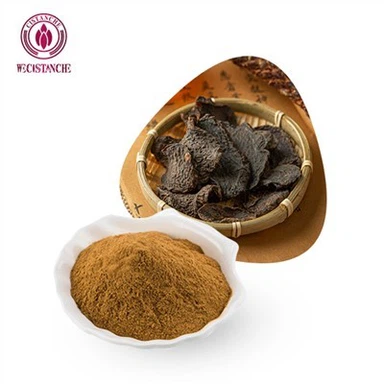
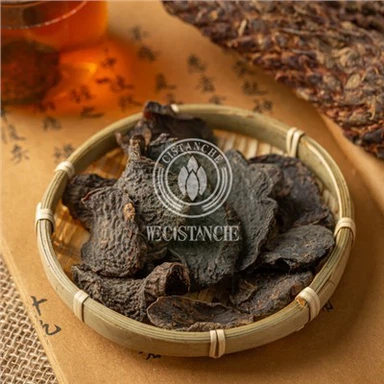
Cistanche tubulosa efficacy: Tonifying the kidney
This article lays out the five most common pitfalls on the road to kidney tonification, explaining what is wrong with each one, what it costs, and what the correct approach is. Pitfall No. 3 - the belief in "fast results" - is the one that traps the most people today and carries the most hidden cost. Along the way, we will also touch on a highly representative medicinal: Rou Cong Rong (Cistanche). Warm yet moist in nature, it is hailed as the "Desert Ginseng." Bencao Huiyan describes it as "warm but not hot, supplementing but not harsh, warming but not drying, lubricating but not laxative - hence the name 'Congrong' (unhurried)." The very existence of this herb is a corrective to the "aggressive, fast-acting tonification" mindset.
Pitfall 1: Treating "Kidney Deficiency" as a Catch-All Label
Typical Behavior
A sore lower back is called kidney deficiency; so are hair loss, tinnitus, poor memory, and reduced libido. Even more common is diagnosing oneself on the basis of one or two symptoms, then looking up a formula online and buying the herbs at a pharmacy. Some people also directly equate "not performing in that regard" with kidney deficiency.

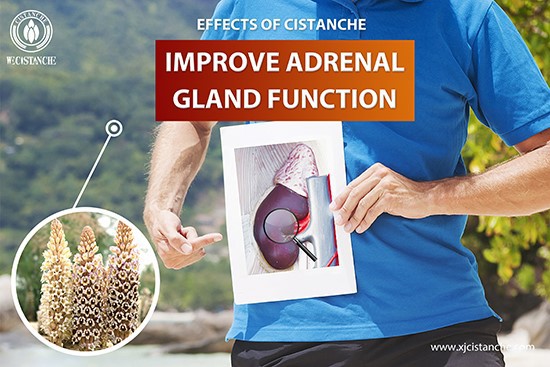
Effects of cistanche-Improve Kidney Function
What's Wrong
Soreness and weakness of the lower back and knees are not exclusive signals of kidney deficiency - they can equally stem from lumbar disc herniation, osteoporosis, or muscle strain. Organic diseases such as chronic nephritis and diabetic nephropathy can also produce edema and fatigue that resemble kidney deficiency. If all of these are treated as kidney deficiency, not only will the medicine fail to match the pattern, but genuinely treatable disease may be delayed. As for male erectile dysfunction, its causes involve vascular, neurological, endocrine, and psychological factors, and it cannot simply be filed under kidney deficiency.
The Correct Approach
Rule things out first, then talk about tonifying. Anyone with persistent discomfort should first undergo basic tests (such as urinalysis, kidney function, blood glucose, and blood pressure) to screen out organic problems.
Look at the "symptom cluster," not a single symptom. Kidney yang deficiency is dominated by cold signs: cold pain in the lower back and knees, aversion to cold and cold limbs (especially the lower limbs), profuse clear urine at night, a pale swollen tongue with white coating, and a deep weak pulse. Kidney yin deficiency is dominated by heat signs: soreness and weakness of the lower back and knees, tidal fever and night sweats, vexing heat in the chest, palms and soles, dry throat, a red tongue with little coating, and a thin rapid pulse.
Leave it to professional judgment. A pattern differentiation derived from the combined use of the four diagnostic methods is far more reliable than fitting symptoms to yourself.
Pitfall 2: Not Distinguishing Yin from Yang - Reaching for "Yang-Boosting" at the Sight of "Deficiency"

Effects of Cistanche: Improve Kidney Function
Click here to view Cistanche for Kidney disease products
【Ask for more】 Email:cindy.xue@wecistanche.com / WhatsApp: 0086 18599088692 / WeChat: 18599088692
Typical Behavior
At the mention of kidney tonification, the only things that come to mind are the "hard stuff" - deer antler (Lu Rong), Ba Ji Tian, prepared aconite (Fu Zi), cinnamon bark (Rou Gui), sea horse (Hai Ma) - as if only something hot and forceful counts as real tonification. Even people with sore lower back and knees, vexation and insomnia, dry mouth, and a red tongue take warming tonics.
What's Wrong
"Kidney tonification = boosting yang" is an extremely widespread misconception. Kidney deficiency divides into kidney yang deficiency, kidney yin deficiency, kidney qi deficiency, and insufficiency of kidney essence, treated respectively by warming and supplementing kidney yang, nourishing kidney yin, supplementing kidney qi, and supplementing kidney essence - entirely different directions. Deer antler and Ba Ji Tian are yang-supplementing herbs; people with yin deficiency and effulgent fire who take them develop dry mouth and throat, sore throat and constipation, vexation and insomnia, and even nose or mouth bleeding. Conversely, when someone with kidney yin deficiency mistakenly uses warm, drying yang-boosting substances, it only further damages the yin fluids - nothing less than pouring oil on a fire.
The Correct Approach
Determine yin or yang first. Those who are mainly cold-averse and prefer warmth and pressure tend toward yang deficiency; those with vexing heat, night sweats, and dry mouth and throat tend toward yin deficiency.
Those with deficiency of both yin and yang must not supplement only one side; the formula must address both, and should be composed by a physician.
Choose herbs by their "bias," not their reputation. Chinese medicine uses supplementing herbs according to pattern differentiation; before tonifying, first confirm whether a deficiency actually exists, where it is, and what its nature is.
Pitfall 3: Believing in "Fast Results" and Expecting Immediate Effects (Traps the Most People)
Typical Behavior
After three to five days with no noticeable effect, you conclude "this medicine doesn't work," then go hunting for products that promise "results in one bottle" or "a reaction the same night," chasing after ancestral secret formulas, imported miracle drugs, and libido-boosting health products sold on street corners.
What's Wrong
This is the pitfall with the most hidden costs. The first error is cognitive: kidney tonification in Chinese medicine is a process of correcting a functional deviation in the body, achieved gradually by design - it was never meant to show results in three to five days. The more a product touts speed, the more it deserves a question mark. The second error is risk: in multiple cases investigated by market regulators, products marketed as "anti-fatigue" or "kidney-tonifying and yang-boosting" - including alcoholic drinks, pressed candies, and coffee - were found to contain illegally added sildenafil, tadalafil, and similar substances. In 2025, the State Administration for Market Regulation, together with the National Health Commission, issued a joint announcement adding the "nafil" and "lafil" classes of substances to the list of non-edible substances that may be illegally added to food. Sildenafil is a prescription drug that must be purchased with a prescription from a licensed medical institution or pharmacy; selling or taking it privately can cause hypotension, myocardial infarction, and even be life-threatening. In the first half of 2026 alone, 19 product categories were found to contain sildenafil in cases handled by one local market regulator. In other words, the "remarkable effect" you attribute to a product is very likely a secretly mixed-in prescription drug doing the work - while you bear the cardiovascular risk yourself.

Effects of cistanche-Improve Kidney Function
The Correct Approach
Treat "slow" as normal. Genuine supplementation is gradual and sustained; Cistanche is named "Congrong" precisely because it "supplements without being harsh."
Buy medicine only through legitimate channels. Refuse "functional foods" of unknown origin, lacking qualifications or certificates of conformity, or with non-compliant labeling, and stay alert to any product claiming fast-acting libido enhancement.
If symptoms persist for more than two weeks or affect your life, see a licensed hospital's andrology, urology, or Chinese medicine department - do not substitute health products for diagnosis and treatment.
Learn to read labels. Legitimate health foods carry approved registration or filing information; avoid any product with shoddy packaging, suspicious batch numbers, or promotional claims that directly assert it treats disease.
Pitfall 4: Relying on Tonics Alone While Lifestyle Stays the Same
Typical Behavior
Staying up late scrolling on your phone, sitting all day, and socializing endlessly - while faithfully taking kidney tonics; treating medicine as an "offset" against an overdrawn life. Some people also develop abdominal distension, poor appetite, or internal heat after taking tonics, yet assume "the tonic is just too strong, I'll tough it out."

Effects of Cistanche-Improve kidney function
What's Wrong
Among the causes of kidney deficiency, inadequate innate constitution, overwork, excessive sexual activity, lack of care during prolonged illness, and advancing age are all major factors. If daily drains such as staying up late, overexertion, and sustained mental stress are not changed, the little that you supplement is like pouring water into a leaking bucket. A second problem is called "deficiency that cannot accept supplementation": people with weak spleen and stomach, or spleen deficiency with dampness predominance, may experience indigestion, stomach distension, abdominal pain, diarrhea, or internal heat after taking nourishing Chinese medicine - in which case the spleen and stomach must be regulated first, and supplementation begun only after transportation and transformation function has recovered.
The Correct Approach
Plug the leak first, then add water. Keep regular hours, avoid staying up late, balance work and rest, and avoid excessive physical, mental, and psychological strain.
Keep up moderate-intensity exercise such as brisk walking, tai chi, or Ba Duan Jin, for about 150 minutes per week.
Those with weak spleen and stomach should regulate the spleen and stomach before discussing supplementation - the order cannot be reversed.
Set your goal as a combination of "treatment based on pattern differentiation, coordinated medicine and diet, and regular daily routines" - not reliance on any single herb.
Pitfall 5: Assuming Tonics Are Gentle and Taking Them Long-Term, in Large Amounts and Stacked Together
Typical Behavior
"Chinese medicine is all-natural with no toxic side effects," so it gets taken year-round as a health supplement; several kidney tonics are taken at once, with dosages self-escalated; and a formula that worked for someone else is simply copied and filled.
What's Wrong
This is a dangerous misconception. Chinese medicine emphasizes treatment based on pattern differentiation; every medicine has its own biased nature of cold, heat, warmth, or coolness, and long-term blind use disrupts the body's yin-yang balance and damages the function of the zang-fu organs. Like other drugs, Chinese medicine has a dual nature - it can cure, and it can cause disease; used improperly or against a person's constitution, it can equally produce adverse reactions. There are three common consequences: first, "the more the better" overdosing, which pushes the body to its tolerance limit and triggers dizziness, palpitations, insomnia, and blood pressure fluctuations; second, "one formula for a thousand people," ignoring that the same symptom calls for different treatments in different constitutions and age groups; third, the cumulative risk of long-term use - one of the major causes of liver injury is precisely long-term or excessive dosing. In addition, people currently taking Western medications such as antihypertensives, antidiabetics, or anticoagulants must also be alert to drug interactions.
The Correct Approach
Follow the dose and the course. Use strictly according to the physician's orders or the package insert; do not increase the dose on your own or extend the cycle at will.
Don't stack and don't mix. When using multiple drugs or health products at the same time, first ask a doctor or pharmacist to review your regimen.
Those on long-term medication should have regular checkups - liver and kidney function and related indicators every 3 to 6 months are recommended.
Buy from legitimate channels and pay attention to medicinal quality, avoiding excessive heavy metals, pesticide residues, and mold contamination.