Promitotic Action Of Oenothera Biennis On Senescent Human Dermal Fibroblasts Part 2
Jul 04, 2023
3. Discussion
In this study, we investigated the effect of a hydrophilic Oenothera biennis cell extract (ObHEx) on cellular senescence, since it showed skin anti-aging properties when tested in in vitro and ex vivo models [18]. We used a similar senescent model of NHDF subjected to SIPS for treatment with H2O2 [21,22].
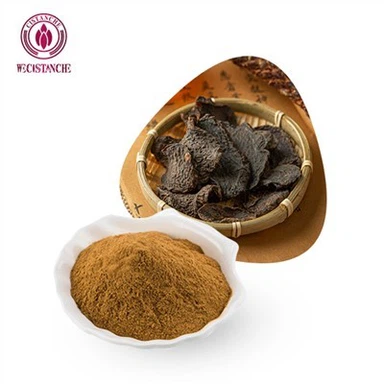
Glycoside of cistanche can also increase the activity of SOD in heart and liver tissues, and significantly reduce the content of lipofuscin and MDA in each tissue, effectively scavenging various reactive oxygen radicals (OH-, H₂O₂, etc.) and protecting against DNA damage caused by OH-radicals. Cistanche phenylethanoid glycosides have a robust scavenging ability of free radicals, a higher reducing ability than vitamin C, improve the activity of SOD in sperm suspension, reduce the content of MDA, and have a certain protective effect on sperm membrane function. Cistanche polysaccharides can enhance the activity of SOD and GSH-Px in erythrocytes and lung tissues of experimentally senescent mice caused by D-galactose, as well as reduce the content of MDA and collagen in lung and plasma, and increase the content of elastin, have a good scavenging effect on DPPH, prolong the time of hypoxia in senescent mice, improve the activity of SOD in serum, and delay the physiological degeneration of lung in experimentally senescent mice With cellular morphological degeneration, experiments have shown that Cistanche has the good antioxidant ability and has the potential to be a drug to prevent and treat skin aging diseases. At the same time, echinacoside in Cistanche has a significant ability to scavenge DPPH free radicals and the ability to scavenge reactive oxygen species and prevent free radical-
induced collagen degradation, and also has a good repair effect on thymine free radical anion damage.

Click on Where Can I Buy Cistanche
【For more info:george.deng@wecistanche.com / WhatApp:86 13632399501】
To understand the mechanism of action of ObHEx on senescent human dermal fibroblasts, by the disclosure of the biological pathways altered by the extract, we performed a data-independent mass spectrometry ultra-deep proteomic approach. It allowed us to obtain the most complete proteome analysis of senescent cells to date and, for the first time, the simultaneous quantification of numerous senescence markers.
First of all, to assess the senescence induction by H2O2 treatment on NHFD cells, we quantified the known senescence markers. Our proteomics data confirmed senescence induction by oxidative stress: indeed, we observed altered levels of already known senescence markers related to the increased lysosomal content (GLB1 and FUCA1), DNA damage (ATR, ATM, MACROH2A1, and MACRO2A2) and G2 phase cell cycle arrest (CDK1NA and MKI67). Moreover, the pathway enrichment analysis of the most downregulated proteins in H2O2 treated versus control cells points to mitosis, reflecting the senescent proliferation arrest.
Comparing the proteome of SIPS NHDF cells treated with ObHEx versus untreated ones, we found that the treatment with the extract was able to partially restore the levels of proteins and complexes playing crucial roles in several stages of mitosis. ObHEx incubation increased the levels of CDK1, a key mitotic protein that triggers entry into mitosis by forming a complex with cyclin B [34]. Moreover, all five subunits of the condensin I complex were upregulated. This complex is composed of two structural maintenance of chromosomes (SMC) subunits, SMC2 and SMC4, and three non-SMC subunits, NCAPD2, NCAPH, and NCAPG. In the prometaphase, the function of the condensin I complex is to promote the type condensation of chromosomes by the introduction of positive supercoils into the DNA in an ATP-dependent manner [35]. In addition to this, the extract upregulated KNTC1, NUF2, and TRIP13, which are three proteins associated with the kinetochore, a large complex that, during the prometaphase, connects centromeric chromatin to microtubules from opposite spindle poles to favor the segregation of sister chromatids [36,37]. Partial restoration of the levels of MCM proteins has also been detected. These proteins are at the core of the replication helicase complex that unwinds double-stranded DNA to provide single-strands as templates for DNA polymerase. The MCM complex is converted into an active helicase during the S phase but is already loaded onto chromatin during the telophase [38,39]. The extract incremented the levels of IQGAP3, PBK, and DHFR, too. The first, IQGAP3, is an important regulator of mitotic progression because it promotes cdk7 activity, essential for Cdc2 activation [40,41]; PBK is a kinase active only in mitosis; when phosphorylated, it interacts with p53, destabilizing it and attenuating the DNA damage pathway [42]; and DHFR is a key enzyme in DNA biosynthesis whose levels are markedly attenuated in senescent human fibroblasts [43].
Bio-orthogonal assays also showed the ability of ObHEx to partially revert senescence hallmarks, namely lysosomal activity and cell cycle arrest. Indeed, to verify if the restoration of mitotic protein expression by ObHEx translates to the reactivation of the cell cycle, we performed FACS (Fluorescence Activated Cell Sorting) experiments on SIPS NHDF cells treated or not with the extract. They showed that ObHEx was able to reduce the fraction of cells blocked in the G2 phase and to promote their re-entry into the cell cycle of senescent cells.
4. Materials and Methods
4.1. Cell Culture
Normal Human Dermal Fibroblasts (NHDF; Promocell) were cultured in Dulbecco’s Modified Eagle Medium (DMEM; Gibco) supplemented with 10% of fetal bovine serum (FBS; Gibco) and 500 U/mL of penicillin-streptomycin (Gibco) in 95% air, 5% CO2 and a humidified atmosphere at 37 ◦C.

4.2. Induction of Stress-Induced Premature Senescence (SIPS)
A total of 10 1200 000 NHDF cells were seeded into each of the 60 mm cell culture dishes, one day before their incubation with 100 µM H2O2 at 37 ◦C for 2 h [21,22]. Subsequently, the H2O2 was washed with Phosphate Buffered Saline (PBS; Gibco) to terminate the treatment and the cells were grown in a normal medium for 4 days. For the non-senescent cells, used as a control, 2240 000 NHDF cells were seeded into each of the 60 mm cell culture dishes. The experiment was performed in 5 biological replicates.
4.3. Oenothera Biennis Hydrophilic Extract (ObHEx) Preparation
The extract was prepared in the laboratories of Arterra Bioscience SpA [18]. The cell cultures were obtained from the leaves of Oenothera biennis plants (provided by GEEL Floricultura s.s) by inducing the proliferation of meristematic cells on solid agar plates until the obtained calluses. The cells were transferred to the liquid growth medium (Gamborg B5, supplemented with 2,4 dichloro phenoxy acetic acid (1 mg/L), adenine (1 mg/L), and kinetin (0.01 mg/L)) and grown as suspension cultures under orbital shaking. Once cultures of about 150 g/L were obtained, the cells were collected and lysed in PBS at pH 7.4 to prepare a water-soluble extract. After lyophilization, the obtained powder was dissolved in water or cell culture media at the appropriate concentrations for testing.
4.4. Oenothera Biennis Hydrophilic Extract (ObHEx) Treatment
NHDF cells were incubated for 24 h with 0.01% (p/v) ObHEx in a complete medium. Subsequently, the cells were washed three times with PBS and treated for an additional 24 h with 0.01% (p/v) ObHEx in a serum-free medium. They were, then, detached by trypsinization, centrifuged at 500 g for 10 min at 4 ◦C, and washed twice with PBS. Nontreated control cells underwent the same incubations without ObHEx.
4.5. Sample Preparation for Proteomic Analysis
Pellets were resuspended in 60µL of Radioimmunoprecipitation assay (RIPA) buffer and lysed by sonication. The cellular lysates protein concentration was quantified using a DC™ Protein Assay Kit (Biorad; #5000112). S-TrapTM micro spin column (Protifi, Huntington, CA, USA) digestion was performed on 50 µg of cell lysates according to the manufacturer’s instructions. Briefly, the samples were reduced with 20 mM tris(2- carboxyethyl)phosphine (TCEP) and alkylated with 50 mM thioacetamide (CAA) for 15 min at room temperature. Aqueous phosphoric acid was then added to a final concentration of 2.5% followed by the addition of an S-Trap binding buffer (90% aqueous methanol, 100 mM TEAB, pH 7.1). The mixtures were then loaded onto S-Trap columns. Five extra washing steps were performed for thorough SDS elimination. Then, the cellular lysates were digested with 2.5 µg of trypsin (Promega) at 47 ◦C for 1 h. After elution, the peptides were vacuum dried, resuspended in 2% ACN, 0.1% FA and quantified by Nanodrop.
4.6. nanoLC-MS/MS Protein Identifification and Quantifification
A total of 400 ng of each sample was injected on a nanoplate (Bruker Daltonics, Bremen, Germany) high-performance liquid chromatography (HPLC) system coupled to a timsTOF Pro (Bruker Daltonics, Bremen, Germany) mass spectrometer. HPLC separation (Solvent A: 0.1% formic acid in water; Solvent B: 0.1% formic acid in acetonitrile) was carried out at 250 L/min using a packed emitter column (C18, 25 cm × 75 µm 1.6 µm) (Ion Optics, Fitzroy, Australia) using gradient elution (2 to 13% solvent B during 41 min; 13 to 20% during 23 min; 20% to 30% during 5 min; 30% to 85% for 5 min, and, finally, 85% for 5 min to wash the column). Mass-spectrometric data were acquired using the data-independent analysis parallel accumulation serial fragmentation (diaPASEF) acquisition method. The diaper settings were: mass range from 400 to 1200 Da, mobility ranges from 0.60 to 1.43 1/k0, number of mobility window of 1, cycle time estimate of 1.79 s, mass steps per cycle of 32.
4.7. MS Data Processing and Bioinformatics Analysis
Data analysis was performed using DIA-NN software (version 1.8) [44]. A search against the human UniProtKB/Swiss-Prot Homo sapiens database (release February 2021, 20,408 entries) was performed using a library-free workflow. For this purpose, the “FASTA digest for library free search/library generation” and “Deep learning spectra, RTs, and IMs prediction” options were checked for precursor ion generation. A maximum of 2 trypsin missed cleavages was allowed and the maximum variable modification was set to 5. Carbamidomethylation (Cys) was set as the fixed modification, whereas protein N-terminal methionine excision, methionine oxidation, and N-terminal acetylation were set as variable modifications. The peptide length range was set to 7–30 amino acids, precursor charge range 2–4, precursor m/z range 300–1800, and fragment ion m/z range 200–1800. To search the parent mass and fragment ions, accuracy was inferred automatically by DIA-NN and was set around 13 ppm for each analysis. The false discovery rates (FDRs) at the protein and peptide levels were set to 1%. Match between runs was allowed. For the quantification strategy, Robust LC (high precision) was used as advised in the software documentation, whereas default settings were kept for the other algorithm parameters.

Statistical and bioinformatic analysis was performed with Perseus software (version 1.6.15) freely available on the website (accessed on 22 June 2021) [45] and R/R Studio and RStudio version 2021.09.1 30 (accessed on 12 November 2021). All R statistical analysis was performed using the R stats package. The pg report matrix output by DIA-NN was used and intensities were log2 transformed for statistical analysis. For the statistical comparison, we set four groups, each containing 5 biological replicates. We then filtered the data to keep only proteins with at least 3 valid values in at least one group. Next, the data were imputed to fill missing data points by creating a Gaussian distribution of random numbers with a standard deviation of 33% relative to the standard deviation of the measured values and a 1.8 standard deviation downshift of the mean to simulate the distribution of low signal values. Student’s t-test was performed between SEN and CTRL FDR < 0.05, S0 = 0.1 to confirm the presence of markers specific to senescence. Then, to investigate if the difference in the effect size between the absence or presence of the treatment is the same for cells where senescence was induced or not, the interaction between both factors (i.e., Induction and Treatment) was investigated using Two-way ANOVA in R. Then, p-values obtained for the interaction of both factors were adjusted for multiple testing using the Benjamini–Hochberg [46] method to control the False Discovery Rate (FDR). Finally, Tukey HSD post hoc analysis was performed on proteins showing a q-value < 0.05. The mass spectrometry proteomics data have been deposited to the ProteomeXchange Consortium via the PRIDE [47] partner repository with the dataset identifier PXD034222.
4.8. Senescence-Associated ß-Galactosidase Staining
Senescence-associated ß-galactosidase (SA-ß-gal) activity was evaluated using a Cell Signalling Technology staining kit (#9860). A total of 1250 000 NHDF cells/well were seeded into a 6-well plate one day before SIPS; whereas, as a control, 250 000 cells/well. After 4 days in a normal medium, the cells were incubated or not with 0.01% (p/v) ObHEx for 48 h. Subsequently, they were washed with PBS and treated with the fixing solution for 15 min. After two washes with PBS, the cells were incubated with the ß-gal staining solution (final pH of 6.0) containing 5-bromo-4-chloro-3-indolyl-β-D-galacto-pyranoside (X-Gal) at 37 ◦C in a dry incubator for 20 h. Positive cells are blue. The color is due to the cleavage of X-Gal in galactose and 5-Bromo-4-chloro-3-indoxyl (X) by SA-ß-gal. The indoxyl is oxidized to 5,50 -dibromo-4,40 -dichloro-indigo that forms an intense blue precipitate. The percentage of positive cells in the total cells was assessed by counting 100–150 cells in 5 randomly selected images captured by the microscope, for each condition. Cells were counted using ImageJ software. The experiment was performed in triplicate.
4.9. Fluorescence-Activated Cell Sorting Analysis
A total of 1000 000 NHDF cells/well were seeded into a 6-well plate one day before SIPS; whereas, as a control, 50 000 cells/well. After 4 days in a normal medium, the control and senescent cells were treated or not with 0.01% (p/v) ObHEx for 72 h. Then, the cells were incubated in the presence of 5 µg/mL of Hoechst 33342 for 30 min at 37 ◦C. After trypsinization and centrifugation at 500 g for 2 min, they were resuspended in 200 µL of PBS. Finally, cell fluorescence was measured by a BD LSRFortessa Cell Analyzer. Data were analyzed using FlowJo software v10.8.1. The experiment was performed in triplicate.
5. Conclusions
The deep senescence-associated global proteome profiling obtained here provides hundreds of proteins deregulated by SIPS that can be exploited by the scientific community to further comprehend senescence and to evaluate the effects of new potential modulators. Moreover, our work proves a pro-mitotic mechanism of action of ObHEx on senescent human dermal fibroblasts: via an increase in mitotic protein expression, it promotes the restoration of the proliferation of senescent cells. Thus, based on these results, we propose ObHEx as a powerful adjuvant against senescence associated with skin aging.
Author Contributions: Conceptualization, S.C., M.C.M. and I.C.G.; methodology, S.C., K.R., I.M., C.C. (Cerina Chhuon) and I.C.G.; software, K.R.; investigation, S.C, I.M., C.C. (Cerina Chhuon), K.T., S.F., A.D.L., I.P. and C.C. (Corinne Cordier); resources, M.C.M. and I.C.G.; writing—original draft preparation, S.C. and I.C.G.; writing—review and editing, S.C., M.C.M., and I.C.G. All authors have read and agreed to the published version of the manuscript.

Data Availability Statement: The mass spectrometry proteomics data have been deposited to the ProteomeXchange Consortium via the PRIDE [47] partner repository with the dataset identifier PXD034222 (Reviewer account details: Username: reviewer_pxd034222@ebi.ac.uk; Password: fK9Pjv90).
Acknowledgments: This study was supported by Programma Operativo Complementare Ricerca e Innovazione 2014–2020, Asse I “Capitale Umano”, Azione I.1 “Dottorati Innovativi con caratterizzazione Industriale”. We thank the other members of the Proteomics platform Necker Vincent Jung and Joanna Lipecka for their invaluable scientific support and fruitful suggestions.
References
1. Di Micco, R.; Krizhanovsky, V.; Baker, D.; d’Adda di Fagagna, F. Cellular Senescence in Ageing: From Mechanisms to Therapeutic Opportunities. Nat. Rev. Mol. Cell Biol. 2021, 22, 75–95. [CrossRef] [PubMed]
2. González-Gualda, E.; Baker, A.G.; Fruk, L.; Muñoz-Espín, D. A Guide to Assessing Cellular Senescence in Vitro and in Vivo. FEBS J. 2021, 288, 56–80. [CrossRef] [PubMed]
3. Sikora, E.; Bielak- ˙Zmijewska, A.; Mosieniak, G. What Is and What Is Not Cell Senescence. Postepy Biochem. 2018, 64, 110–118. [CrossRef] [PubMed]
4. Choi, E.-J.; Kil, I.S.; Cho, E.-G. Extracellular Vesicles Derived from Senescent Fibroblasts Attenuate the Dermal Effect on Keratinocyte Differentiation. Int. J. Mol. Sci. 2020, 21, 1022. [CrossRef] [PubMed]
5. Krtolica, A.; Parrinello, S.; Lockett, S.; Desprez, P.Y.; Campisi, J. Senescent Fibroblasts Promote Epithelial Cell Growth and Tumorigenesis: A Link between Cancer and Aging. Proc. Natl. Acad. Sci. USA 2001, 98, 12072–12077. [CrossRef]
6. Wlaschek, M.; Maity, P.; Makrantonaki, E.; Scharffetter-Kochanek, K. Connective Tissue and Fibroblast Senescence in Skin Aging. J. Invest. Dermatol. 2021, 141, 985–992. [CrossRef]
7. Paez-Ribes, M.; González-Gualda, E.; Doherty, G.J.; Muñoz-Espín, D. Targeting Senescent Cells in Translational Medicine. EMBO Mol. Med. 2019, 11, e10234. [CrossRef]
8. Soto-Gamez, A.; Demaria, M. Therapeutic Interventions for Aging: The Case of Cellular Senescence. Drug Discov. Today 2017, 22, 786–795. [CrossRef]
9. Latorre, E.; Birar, V.C.; Sheerin, A.N.; Jeynes, J.C.C.; Hooper, A.; Dawe, H.R.; Melzer, D.; Cox, L.S.; Faragher, R.G.A.; Ostler, E.L.; et al. Small Molecule Modulation of Splicing Factor Expression Is Associated with Rescue from Cellular Senescence. BMC Cell Biol. 2017, 18, 31. [CrossRef]
10. Munir, R.; Semmar, N.; Farman, M.; Ahmad, N.S. An Updated Review on Pharmacological Activities and Phytochemical Constituents of Evening Primrose (Genus Oenothera). Asian Pac. J. Trop. Biomed. 2017, 7, 1046–1054. [CrossRef]
11. Timoszuk, M.; Bielawska, K.; Skrzydlewska, E. Evening Primrose (Oenothera biennis) Biological Activity Dependent on Chemical Composition. Antioxidants 2018, 7, 108. [CrossRef]
12. Lee, S.Y.; Kim, C.H.; Hwang, B.S.; Choi, K.-M.; Yang, I.-J.; Kim, G.-Y.; Choi, Y.H.; Park, C.; Jeong, J.-W. Protective Effects of Oenothera Biennis against Hydrogen Peroxide-Induced Oxidative Stress and Cell Death in Skin Keratinocytes. Life 2020, 10, 255. [CrossRef]
13. Granica, S.; Czerwi ´nska, M.E.; Piwowarski, J.P.; Ziaja, M.; Kiss, A.K. Chemical Composition, Antioxidative and Anti-Inflammatory Activity of Extracts Prepared from Aerial Parts of Oenothera Biennis L. and Oenothera Paradoxa Hudziok Obtained after Seeds Cultivation. J. Agric. Food Chem. 2013, 61, 801–810. [CrossRef]
14. Fecker, R.; Buda, V.; Alexa, E.; Avram, S.; Pavel, I.Z.; Muntean, D.; Cocan, I.; Watz, C.; Minda, D.; Dehelean, C.A.; et al. Phytochemical and Biological Screening of Oenothera Biennis L. Hydroalcoholic Extract. Biomolecules 2020, 10, 818. [CrossRef]
15. Schäfer, L.; Kragballe, K. Supplementation with Evening Primrose Oil in Atopic Dermatitis: Effect on Fatty Acids in Neutrophils and Epidermis. Lipids 1991, 26, 557–560. [CrossRef]
16. Barbulova, A.; Apone, F.; Colucci, G. Plant Cell Cultures as Source of Cosmetic Active Ingredients. Cosmetics 2014, 1, 94–104. [CrossRef]
17. Caesar, L.K.; Cech, N.B. Synergy and Antagonism in Natural Product Extracts: When 1 + 1 Does Not Equal 2. Nat. Prod. Rep. 2019, 36, 869–888. [CrossRef]
18. Ceccacci, S.; De Lucia, A.; Tito, A.; Tortora, A.; Falanga, D.; Arciello, S.; Ausanio, G.; Di Cicco, C.; Monti, M.C.; Apone, F. An Oenothera Biennis Cell Cultures Extract Endowed with Skin Anti-Ageing Activity Improves Cell Mechanical Properties. Metabolites 2021, 11, 527. [CrossRef]
19. Farwick, M.; Köhler, T.; Schild, J.; Mentel, M.; Maczkiewitz, U.; Pagani, V.; Bonfigli, A.; Rigano, L.; Bureik, D.; Gauglitz, G.G. Pentacyclic Triterpenes from Terminalia Arjuna Show Multiple Benefits on Aged and Dry Skin. Skin Pharmacol. Physiol. 2014, 27, 71–81. [CrossRef]
20. Bonte, F.; Dumas, M.; Chaudagne, C.; Meybeck, A. Influence of Asiatic Acid, Madecassic Acid, and Asiaticoside on Human Collagen I Synthesis. Planta Med. 1994, 60, 133–135. [CrossRef]
21. Chowdhary, S. The Effects of Oxidative Stress on Inducing Senescence in Human Fibroblasts. J. South Carol. Acad. Sci. 2018, 16, 2.
22. Wang, Z.; Wei, D.; Xiao, H. Methods of Cellular Senescence Induction Using Oxidative Stress. Methods Mol. Biol. 2013, 1048, 135–144. [PubMed]
23. Hildebrand, D.G.; Lehle, S.; Borst, A.; Haferkamp, S.; Essmann, F.; Schulze-Osthoff, K. α-Fucosidase as a Novel Convenient Biomarker for Cellular Senescence. Cell Cycle 2013, 12, 1922–1927. [CrossRef] [PubMed]
24. Lee, B.Y.; Han, J.A.; Im, J.S.; Morrone, A.; Johung, K.; Goodwin, E.C.; Kleijer, W.J.; DiMaio, D.; Hwang, E.S. Senescence-Associated Beta-Galactosidase Is Lysosomal Beta-Galactosidase. Aging Cell 2006, 5, 187–195. [CrossRef] [PubMed]
25. Gorgoulis, V.; Adams, P.D.; Alimonti, A.; Bennett, D.C.; Bischof, O.; Bishop, C.; Campisi, J.; Collado, M.; Evangelou, K.; Ferbeyre, G.; et al. Cellular Senescence: Defining a Path Forward. Cell 2019, 179, 813–827. [CrossRef]
26. Matsuoka, S.; Ballif, B.A.; Smogorzewska, A.; McDonald, E.R.; Hurov, K.E.; Luo, J.; Bakalarski, C.E.; Zhao, Z.; Solimini, N.; Lerenthal, Y.; et al. ATM and ATR Substrate Analysis Reveals Extensive Protein Networks Responsive to DNA Damage. Science 2007, 316, 1160–1166. [CrossRef]
27. Zhang, R.; Chen, W.; Adams, P.D. Molecular Dissection of Formation of Senescence-Associated Heterochromatin Foci. Mol. Cell Biol. 2007, 27, 2343–2358. [CrossRef]
28. LaBaer, J.; Garrett, M.D.; Stevenson, L.F.; Slingerland, J.M.; Sandhu, C.; Chou, H.S.; Fattaey, A.; Harlow, E. New Functional Activities for the P21 Family of CDK Inhibitors. Genes Dev. 1997, 11, 847–862. [CrossRef]
29. Scholzen, T.; Gerdes, J. The Ki-67 Protein: From the Known and the Unknown. J. Cell Physiol. 2000, 182, 311–322. [CrossRef]
30. Passos, J.F.; von Zglinicki, T. Methods for Cell Sorting of Young and Senescent Cells. Methods Mol. Biol. 2007, 371, 33–44.
31. Dai, Y.; Tang, H.; Pang, S. The Crucial Roles of Phospholipids in Aging and Lifespan Regulation. Front. Physiol. 2021, 12, 1998. [CrossRef]
32. Dashty, M. Hedgehog Signaling Pathway Is Linked with Age-Related Diseases. J. Diabetes Metab. 2014, 5, 2. [CrossRef]
33. Wang, D.; Lu, P.; Liu, Y.; Chen, L.; Zhang, R.; Sui, W.; Dumitru, A.G.; Chen, X.; Wen, F.; Ouyang, H.-W.; et al. Isolation of Live Premature Senescent Cells Using FUCCI Technology. Sci. Rep. 2016, 6, 30705. [CrossRef]
34. Qian, J.; Beullens, M.; Huang, J.; De Munter, S.; Lesage, B.; Bollen, M. Cdk1 Orders Mitotic Events through Coordination of a Chromosome-Associated Phosphatase Switch. Nat. Commun. 2015, 6, 10215. [CrossRef]
35. Kong, M.; Cutts, E.E.; Pan, D.; Beuron, F.; Kaliyappan, T.; Xue, C.; Morris, E.P.; Musacchio, A.; Vannini, A.; Greene, E.C. Human Condensin I and II Drive Extensive ATP-Dependent Compaction of Nucleosome-Bound DNA. Mol. Cell 2020, 79, 99–114.e9. [CrossRef]
36. Kops, G.J.P.L.; Gassmann, R. Crowning the Kinetochore: The Fibrous Corona in Chromosome Segregation. Trends Cell Biol. 2020, 30, 653–667. [CrossRef]
37. Ma, H.T.; Poon, R.Y.C. TRIP13 Functions in the Establishment of the Spindle Assembly Checkpoint by Replenishing O-MAD2. Cell Rep. 2018, 22, 1439–1450. [CrossRef]
38. Kuipers, M.A.; Stasevich, T.J.; Sasaki, T.; Wilson, K.A.; Hazelwood, K.L.; McNally, J.G.; Davidson, M.W.; Gilbert, D.M. Highly Stable Loading of Mcm Proteins onto Chromatin in Living Cells Requires Replication to Unload. J. Cell Biol. 2011, 192, 29–41. [CrossRef]
39. Meng, Q.; Gao, J.; Zhu, H.; He, H.; Lu, Z.; Hong, M.; Zhou, H. The Proteomic Study of Serially Passaged Human Skin Fibroblast Cells Uncovers Down-Regulation of the Chromosome Condensin Complex Proteins Involved in Replicative Senescence. Biochem. Biophys. Res. Commun. 2018, 505, 1112–1120. [CrossRef]
40. Larochelle, S.; Pandur, J.; Fisher, R.P.; Salz, H.K.; Suter, B. Cdk7 Is Essential for Mitosis and for in Vivo Cdk-Activating Kinase Activity. Genes Dev. 1998, 12, 370–381. [CrossRef]
41. Leone, M.; Cazorla-Vázquez, S.; Ferrazzi, F.; Wiederstein, J.L.; Gründl, M.; Weinstock, G.; Vergarajauregui, S.; Eckstein, M.; Krüger, M.; Gaubatz, S.; et al. IQGAP3, a YAP Target, Is Required for Proper Cell-Cycle Progression and Genome Stability. Mol. Cancer Res. 2021, 19, 1712–1726. [CrossRef] [PubMed]
42. Nandi, A.K.; Ford, T.; Fleksher, D.; Neuman, B.; Rapoport, A.P. Attenuation of DNA Damage Checkpoint by PBK, a Novel Mitotic Kinase, Involves Protein-Protein Interaction with Tumor Suppressor P53. Biochem. Biophys. Res. Commun. 2007, 358, 181–188. [CrossRef] [PubMed]
43. Good, L.; Dimri, G.P.; Campisi, J.; Chen, K.Y. Regulation of Dihydrofolate Reductase Gene Expression and E2F Components in Human Diploid Fibroblasts during Growth and Senescence. J. Cell Physiol. 1996, 168, 580–588. [CrossRef]
44. Demichev, V.; Messner, C.B.; Vernardis, S.I.; Lilley, K.S.; Ralser, M. DIA-NN: Neural Networks and Interference Correction Enable Deep Proteome Coverage in High Throughput. Nat. Methods 2020, 17, 41–44. [CrossRef]
45. Tyanova, S.; Temu, T.; Sinitcyn, P.; Carlson, A.; Hein, M.Y.; Geiger, T.; Mann, M.; Cox, J. The Perseus Computational Platform for Comprehensive Analysis of (Prote)Omics Data. Nat. Methods 2016, 13, 731–740. [CrossRef]
46. Benjamini, Y.; Hochberg, Y. Controlling the False Discovery Rate: A Practical and Powerful Approach to Multiple Testing. J. R. Stat. Soc. Ser. B (Methodol.) 1995, 57, 289–300. [CrossRef]
47. Perez-Riverol, Y.; Bai, J.; Bandla, C.; García-Seisdedos, D.; Hewapathirana, S.; Kamatchinathan, S.; Kundu, D.J.; Prakash, A.; Frericks-Zipper, A.; Eisenacher, M.; et al. The PRIDE Database Resources in 2022: A Hub for Mass Spectrometry-Based Proteomics Evidences. Nucleic Acids Res. 2021, 50, D543–D552. [CrossRef]
【For more info:george.deng@wecistanche.com / WhatApp:86 13632399501】