Parkinson’s Disease: Understanding Symptoms, Early Intervention, And Neuroprotective Support From Cistanche Tubulosa
May 11, 2026
Parkinson's disease is a common neurodegenerative disorder of the central nervous system, primarily caused by the progressive loss of dopamine, a key neurotransmitter in the brain. In simple terms, the brain's motor control system malfunctions, leading to slowed movements, muscle rigidity, and involuntary tremors. Its development is associated with genetics, environmental factors, and natural aging of the nervous system. The disease mostly affects people aged 60 and above, with a slightly higher prevalence in men than women.
Due to its insidious onset, the early diagnosis rate of Parkinson's disease is only 26%. Many patients miss the optimal window for intervention and treatment. Timely recognition of symptoms is critical to improving early diagnosis and avoiding delayed care.

Key Symptoms of Parkinson's Disease
Motor Symptoms
The core motor manifestations include resting tremor, bradykinesia, muscle rigidity, and abnormal posture and gait. Patients experience significant slowness in daily activities such as walking, getting up, turning over, buttoning clothes, and tying shoelaces. Involuntary tremors of the hands, feet, or head may occur at rest, worsen with tension, and disappear during sleep. Common gait abnormalities include forward-leaning posture, limb stiffness, difficulty initiating steps, shuffling gait, and trouble turning around.

Non-Motor Symptoms
These often appear before motor symptoms and include loss of smell, sleep disturbances, constipation, urinary disorders, orthostatic hypotension, anxiety, depression, dizziness, generalized soreness, and persistent fatigue.
What to Do When Symptoms Are Suspected
Early medical consultation, standardized treatment, and regular follow‑up are essential. Many elderly people dismiss hand tremors and slow movement as normal signs of aging, delaying care and missing the best intervention period. Earlier diagnosis and standardized treatment lead to better long‑term outcomes, while consistent follow‑up and professional guidance form the foundation of effective long‑term management.
Unique Advantages of Traditional Chinese Medicine in Parkinson's Care
In Traditional Chinese Medicine, Parkinson's disease is classified as "tremor syndrome." Its core pathogenesis lies in liver‑kidney yin deficiency, insufficient nourishment of the marrow sea, malnourished tendons and vessels, and loss of motor control, often combined with qi‑blood deficiency, wind‑fire phlegm disturbance, and meridian stagnation.
Herbal interventions restore balance to qi, blood, yin, and yang through holistic pattern differentiation, providing multi‑target support for both motor and non‑motor symptoms. They help reduce side effects of conventional medications and extend their effective duration. Especially for non‑motor issues such as insomnia, constipation, excessive sweating, anxiety, depression, and dizziness, TCM formulas deliver noticeable relief.

When combined with Western medicine, TCM creates synergistic effects while lowering adverse reactions. Acupuncture and tuina massage stimulate acupoints on the head, hands, and feet to alleviate tremors, muscle stiffness, and movement disorders. Regular practice of Tai Chi reduces limb rigidity, enhances flexibility and lower‑body strength, increases walking speed, improves balance, lowers fall risk, and enhances sleep quality and daytime alertness.
Supportive Service Of Wecistanche-For more details about cooperation
Email:Lijianlin@wecistanche.com
Cistanche Tubulosa: Natural Neuroprotective Support for Parkinson's Health
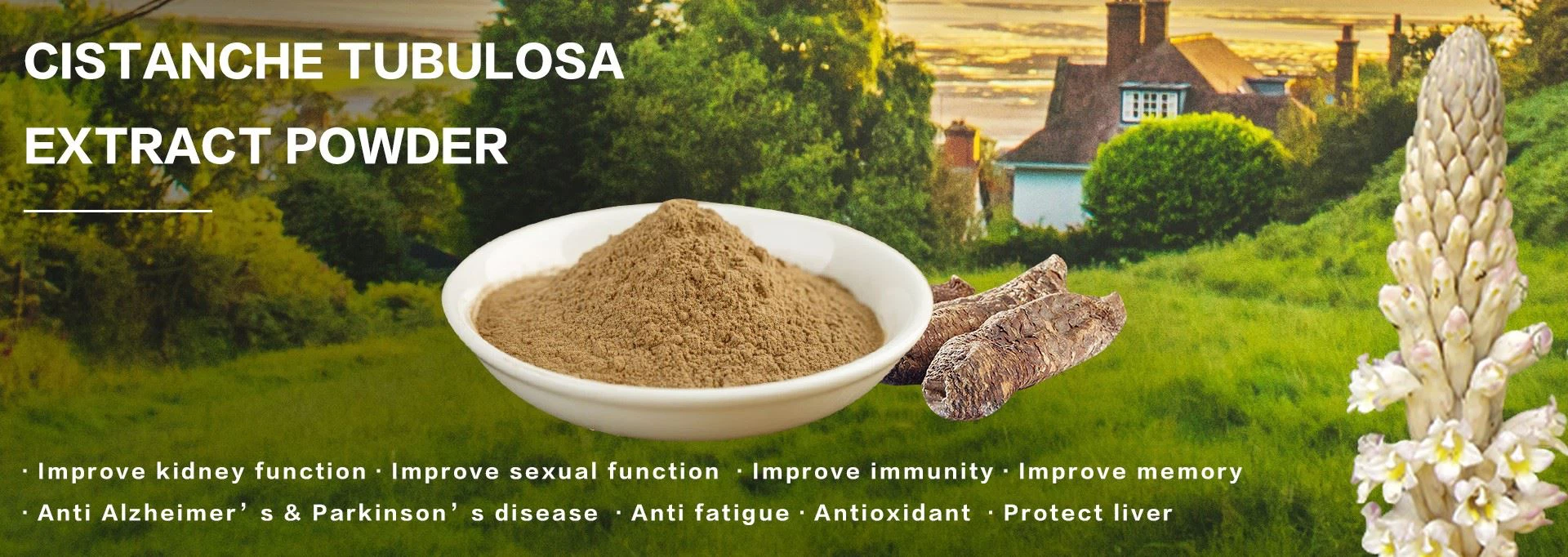
Cistanche Tubulosa, a renowned tonic herb in TCM, has been used for centuries to nourish the liver and kidneys, replenish essence, and benefit the marrow-aligning perfectly with the pathological mechanisms of tremor syndrome linked to liver‑kidney deficiency. Modern research shows that active substances in Cistanche can enhance the activity of antioxidant enzymes in brain tissue, strengthen the antioxidant capacity of brain cells, and reduce nerve damage caused by neuronal apoptosis and calcium accumulation. They also protect nerve receptors and regulate neurotransmission, thereby supporting learning, memory, and cognitive function. To a certain extent, they can help delay cerebral cortex atrophy and widening of cerebral sulci, reduce hippocampal lesions and intracerebral senile plaque deposition, and alleviate cognitive decline. They exhibit potential protective and ameliorative effects on Parkinson's disease.
As a specialized manufacturer focused on high‑purity Cistanche Tubulosa extract, Chengdu Wecistanche Bio‑Tech Co., Ltd. owns a fully integrated industrial chain covering seed breeding, large‑scale cultivation, and GMP‑certified processing. Our products feature significantly higher levels of active ingredients compared with common Cistanche materials, ensuring stable and reliable efficacy. We hold multiple international certifications including organic, Halal, and Kosher, and our extracts meet strict quality standards for global functional foods, dietary supplements, and herbal health products. Our mission is to provide safe, natural, and scientifically backed Cistanche solutions that support neurological health and overall wellness for aging populations worldwide.