Regarding Hemodiafiltration, These Are The Key Points You Need To Know!
Mar 14, 2024
Hemodialysis (HD) is a common form of renal replacement therapy in which blood is removed from the body and passed through a dialyzer, which removes waste products and excess fluid from the body, before returning the cleaned blood to the body.

Click to Cistanche for kidney disease
However, traditional hemodialysis has certain limitations. Therefore, researchers began to explore whether hemodiafiltration (HDF) could lead to better treatment results. In the past, people often believed that HD was more effective than HDF, but a clinical study published in NEJM seemed to break this "consensus."
Hemodiafiltration reduces the risk of death in kidney failure patients
This was a multicenter randomized controlled study designed to assess the risk of death in patients receiving high-dose hemodiafiltration versus conventional hemodialysis in patients with renal failure [1].
The study included patients who received hemodialysis treatment (for ≥3 months), and these groups were eligible for high-dose hemodiafiltration.
A total of 1,360 patients participated in the study, and they were randomly assigned to either the high-dose hemodiafiltration group or the traditional hemodialysis group. The primary outcome of the study was death, and secondary outcomes included cause-specific death, cardiovascular events, kidney transplantation, and hospitalizations.
After 30 months of follow-up, the researchers found that 17.3% of patients in the high-dose hemodiafiltration group had died, compared with 21.9% of patients in the traditional hemodialysis group. The risk of death in the high-dose hemodiafiltration group was lower than that in the conventional hemodialysis group, with a hazard ratio of 0.77.
The study results showed that the high-dose hemodiafiltration group had a lower risk of death and patients lived longer. In addition, high-dose hemodiafiltration reduces cardiovascular events, kidney transplantation, and hospitalizations.
This study suggests that high-dose hemodiafiltration may be more effective than conventional hemodialysis in patients with kidney failure receiving renal replacement therapy, helping them improve their quality of life and extend their survival.
Three major functions of hemodiafiltration
Most people are familiar with hemodialysis, but many people still have doubts about hemodiafiltration.
There are two common forms of hemodialysis: hemodialysis and hemodiafiltration. Traditional hemodialysis mainly removes waste and fluid through diffusion, while hemodiafiltration combines the principles of diffusion and filtration to achieve better therapeutic effects.

High-dose hemodiafiltration is an improved treatment that more thoroughly cleanses the patient's body of waste products and fluids by increasing convection during dialysis.
As an advanced renal replacement therapy, hemodiafiltration is widely used in patients with renal failure and has a wide range of functions. The specific functions are as follows.
Effect on renal failure itself
1. Remove toxins. Related studies have shown that standard hemodialysis is very effective at removing urea toxins from the body but is less efficient at removing uremic toxins with larger molecular sizes, and the toxins diffuse more slowly. Hemodiafiltration provides higher convection rates, which can effectively increase the clearance of these larger toxins [2].
2. Protect residual renal function. A meta-analysis including 1224 patients showed that HDF can better protect residual renal function in patients receiving maintenance hemodialysis [3].
Effect on related complications
1. Cardiovascular disease. Cardiovascular disease is a common complication in patients with chronic kidney disease and the leading cause of death in patients with end-stage renal disease on hemodialysis. The use of HDF can effectively reduce the risk of cardiovascular disease.
2. Bone lesions. HDF mainly reduces the risk of chronic kidney disease-related bone lesions by participating in calcium and phosphorus metabolism.
3. Malnutrition. Relevant studies have shown that compared with HD, HDF significantly improves the nutritional conditions and HR-QoL scores of patients with chronic kidney disease, especially for maintenance hemodialysis patients with malnutrition and low QoL [4].
4. Neuropathy is also a common complication of kidney disease. Compared with hemodialysis, hemodiafiltration does not affect the progression of neuropathy [5].
Applications in other related departments
In addition, HDF is also widely used in alternative treatment of various types of critical illness. It has certain advantages in treating sepsis [6], septic shock virus [7], organophosphorus pesticide poisoning [8], and other diseases.

In addition to HD and HDF, new blood purification modes such as hemoperfusion, plasma exchange, immunoadsorption, and hybrid blood purification technology are gradually being used in clinical practice. They can be comprehensively considered and reasonably selected based on the patient's condition.
How Does Cistanche Treat Kidney Disease?
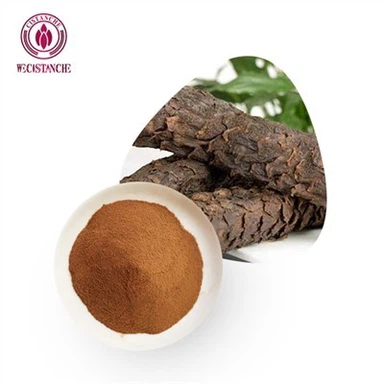
Cistanche is a traditional Chinese herbal medicine used for centuries to treat various health conditions, including kidney disease. It is derived from the dried stems of Cistanche deserticola, a plant native to the deserts of China and Mongolia. The main active components of cistanche are phenylethanoid glycosides, echinacoside, and acteoside, which have been found to have beneficial effects on kidney health.
Kidney disease, also known as renal disease, refers to a condition in which the kidneys are not functioning properly. This can result in a buildup of waste products and toxins in the body, leading to various symptoms and complications. Cistanche may help treat kidney disease ase through several mechanisms.
Firstly, cistanche has been found to have diuretic properties, meaning it can increase urine production and help eliminate waste products from the body. This can help relieve the burden on the kidneys and prevent the buildup of toxins. By promoting diuresis, cistanche may also help Reduce high blood pressure, a common complication of kidney disease.
Moreover, cistanche has been shown to have antioxidant effects. Oxidative stress, caused by an imbalance between the production of free radicals and the body's antioxidant defenses, plays a key role in the progression of kidney disease. ies help neutralize free radicals and reduce Oxidative stress, thereby protecting the kidneys from damage. The phenylethanoid glycosides found in cistanche have been particularly effective in scavenging free radicals and inhibiting lipid peroxidation.
Additionally, cistanche has been found to have anti-inflammatory effects. Inflammation is another key factor in the development and progression of kidney disease. Cistanche's anti-inflammatory properties help reduce the production of pro-inflammatory cytokines and inhibit the activation of inflammation mandatory pathways, thus alleviating inflammation in the kidneys.

Furthermore, cistanche has been shown to have immunomodulatory effects. In kidney disease, the immune system can be dysregulated, leading to excessive inflammation and tissue damage. Cistanche helps regulate the immune response by modulating the production and activity of immune cells, such as T cells and macrophages. This immune regulation helps reduce inflammation and prevent further damage to the kidneys.
Moreover, cistanche has been found to improve renal function by promoting the regeneration of renal tubes with cells. Renal tubular epithelial cells play a crucial role in the filtration and reabsorption of waste products and electrolytes. In kidney disease, these cells can be damaged, leading to damaged renal function. Cistanche's ability to promote the regeneration of these cells helps restore proper renal function and improve overall kidney health.
In addition to these direct effects on the kidneys, cistanche has been found to have beneficial effects on other organs and systems in the body. This holistic approach to health is particularly important in kidney disease, as the condition often affects multiple organs and systems. che has been shown to have protective effects on the liver, heart, and blood vessels, which are commonly affected by kidney disease. By promoting the health of these organs, cistanche helps improve overall kidney function and prevent further complications.
In conclusion, cistanche is a traditional Chinese herbal medicine used for centuries to treat kidney disease. Its active components have diuretic, antioxidant, anti-inflammatory, immunomodulatory, and regenerative effects, which help improve renal function and protect the kidneys from further damage. , cistanche has beneficial effects on other organs and systems, making it a holistic approach to treating kidney disease.