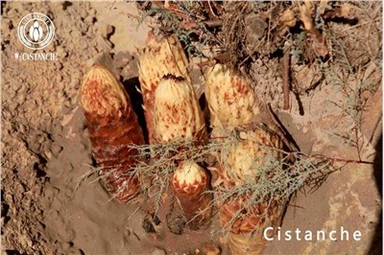
Preserving Strength For Life: How Cistanche Tubulosa Fights Sarcopenia And Age-Related Muscle Loss
Sep 23, 2026
Muscle is the currency of independence. It allows us to rise from a chair without assistance, carry groceries, climb stairs, and recover from illness. But beginning around age 30, adults lose 3–8% of their muscle mass per decade-a process called sarcopenia that accelerates dramatically after 60. By age 80, many people have lost 30–50% of their peak muscle mass. The consequences are profound: weakness, frailty, falls, fractures, loss of independence, and increased mortality. Sarcopenia is not simply an aesthetic concern or an inevitable part of aging. It is a disease with identifiable molecular mechanisms-mitochondrial dysfunction, chronic inflammation, hormonal decline, and impaired muscle protein synthesis-that are targetable by lifestyle and nutritional interventions. Cistanche tubulosa, through its active ingredients echinacoside and acteoside, is demonstrating the ability to address several of these mechanisms, supporting muscle preservation and function in aging adults.
The Molecular Drivers of Muscle Loss
Sarcopenia is a multifactorial process driven by interconnected age-related changes. Mitochondrial dysfunction is a central driver. Muscle cells are densely packed with mitochondria, which provide the ATP needed for contraction and protein synthesis. With age, mitochondrial DNA accumulates mutations, electron transport chain efficiency declines, and ATP production falls. This energy deficit impairs muscle protein synthesis and reduces the muscle's capacity for repair and adaptation.
Chronic low-grade inflammation-inflammaging-is a second driver. Elevated circulating levels of TNF-α, IL-6, and C-reactive protein are consistently associated with muscle loss in older adults. These inflammatory cytokines activate the ubiquitin-proteasome pathway, which tags muscle proteins for degradation, and suppress the mTOR pathway, which drives muscle protein synthesis. The result is a catabolic state in which muscle is broken down faster than it can be rebuilt.
Hormonal decline compounds the problem. Testosterone, which supports muscle protein synthesis through androgen receptor activation, declines gradually with age. Growth hormone and insulin-like growth factor-1, which promote muscle repair and hypertrophy, also decline. The loss of these anabolic signals tips the balance further toward catabolism.
Impaired muscle protein synthesis is the final common pathway. Older muscle exhibits anabolic resistance-it requires a larger dose of protein and a stronger anabolic stimulus to achieve the same rate of protein synthesis as younger muscle. This is why older adults need more protein, not less, and why resistance training becomes even more important with age.
An ideal intervention for sarcopenia would enhance mitochondrial function, reduce inflammation, support anabolic hormone levels, and improve the muscle's responsiveness to anabolic stimuli. Cistanche tubulosa's phenylethanoid glycosides address several of these mechanisms.
How Cistanche Tubulosa Supports Muscle Health
1. Activating AMPK and PGC-1α to Restore Mitochondrial Function
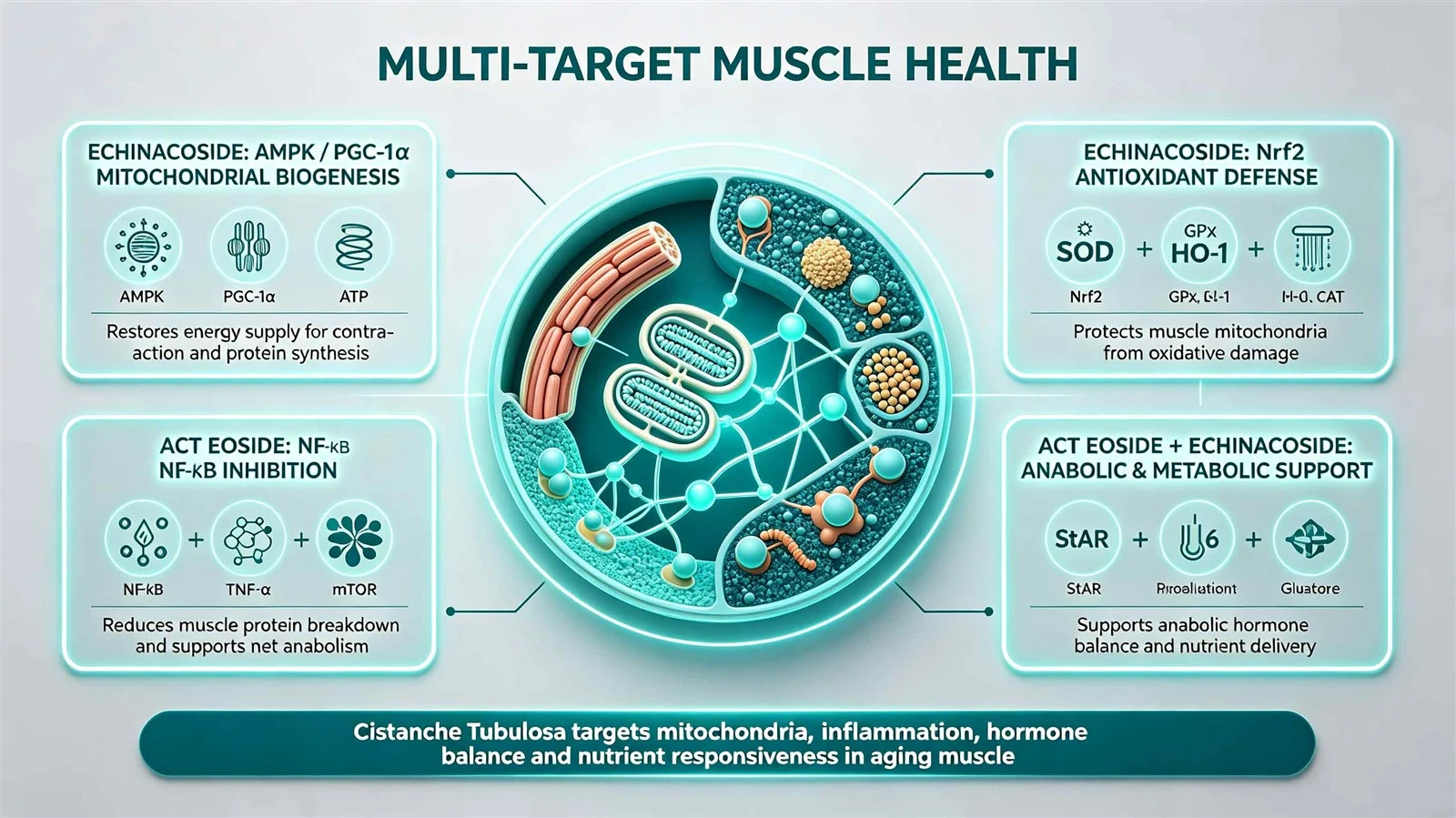
Echinacoside activates AMPK, the cellular energy sensor that detects declining ATP levels and orchestrates a response to restore them. AMPK activation in muscle cells triggers mitochondrial biogenesis through the PGC-1α pathway, increasing the number of functional mitochondria available to generate ATP. It also enhances the efficiency of existing mitochondria by promoting fatty acid oxidation and improving electron transport chain function. This mitochondrial rejuvenation directly addresses the energy deficit at the core of sarcopenia, supporting both muscle contraction and the energy-intensive process of protein synthesis.
2. Protecting Muscle Mitochondria from Oxidative Damage
The high metabolic rate of muscle cells generates abundant reactive oxygen species. With age, antioxidant defenses decline, and ROS accumulate, damaging mitochondrial membranes and impairing ATP production. Echinacoside, through Nrf2 activation, upregulates the muscle's own antioxidant enzymes-superoxide dismutase, glutathione peroxidase, heme oxygenase-1, and catalase-that neutralize ROS before they can inflict lasting damage. By protecting mitochondria from oxidative injury, echinacoside helps preserve the energy-producing capacity of muscle cells.
3. Suppressing NF-κB to Reduce Muscle Protein Breakdown
Chronic inflammation is a potent driver of muscle catabolism. Acteoside, through its potent NF-κB inhibition, suppresses the production of TNF-α, IL-6, and other pro-inflammatory cytokines that activate the ubiquitin-proteasome pathway and promote muscle protein degradation. By calming the inflammatory environment, acteoside helps shift the balance from catabolism to anabolism, supporting net muscle protein synthesis. This anti-inflammatory effect is particularly important for older adults, in whom inflammaging is a persistent driver of muscle loss.
4. Supporting the Anabolic Hormonal Environment
Testosterone is the primary anabolic hormone driving muscle protein synthesis. As detailed in our dedicated article on testosterone, acteoside upregulates StAR protein in Leydig cells, supporting the body's own testosterone production within the physiological range. By maintaining healthy testosterone levels, Cistanche supports the hormonal environment conducive to muscle preservation. Echinacoside's adaptogenic effects also help regulate the cortisol response to stress. Cortisol is catabolic-it promotes muscle protein breakdown. By moderating the cortisol spike that follows physical or psychological stress, Cistanche helps maintain a favorable anabolic-catabolic balance.
5. Improving Insulin Sensitivity for Nutrient Delivery
Insulin is a potent anabolic hormone that promotes glucose and amino acid uptake into muscle cells. With age, insulin resistance develops, impairing the delivery of nutrients to muscle tissue. Acteoside's AMPK activation improves insulin sensitivity, enhancing glucose uptake and supporting the nutrient delivery that muscle protein synthesis requires. This metabolic support complements the direct mitochondrial and anti-inflammatory effects, addressing the full spectrum of sarcopenia mechanisms.
A comprehensive 2022 review in Frontiers in Pharmacology catalogs the anti-fatigue, mitochondrial-protective, anti-inflammatory, and hormone-supporting properties of Cistanche tubulosa, confirming its multi-targeted utility for muscle health and age-related muscle preservation. (Frontiers in Pharmacology review)
The Active Ingredients for Muscle Health
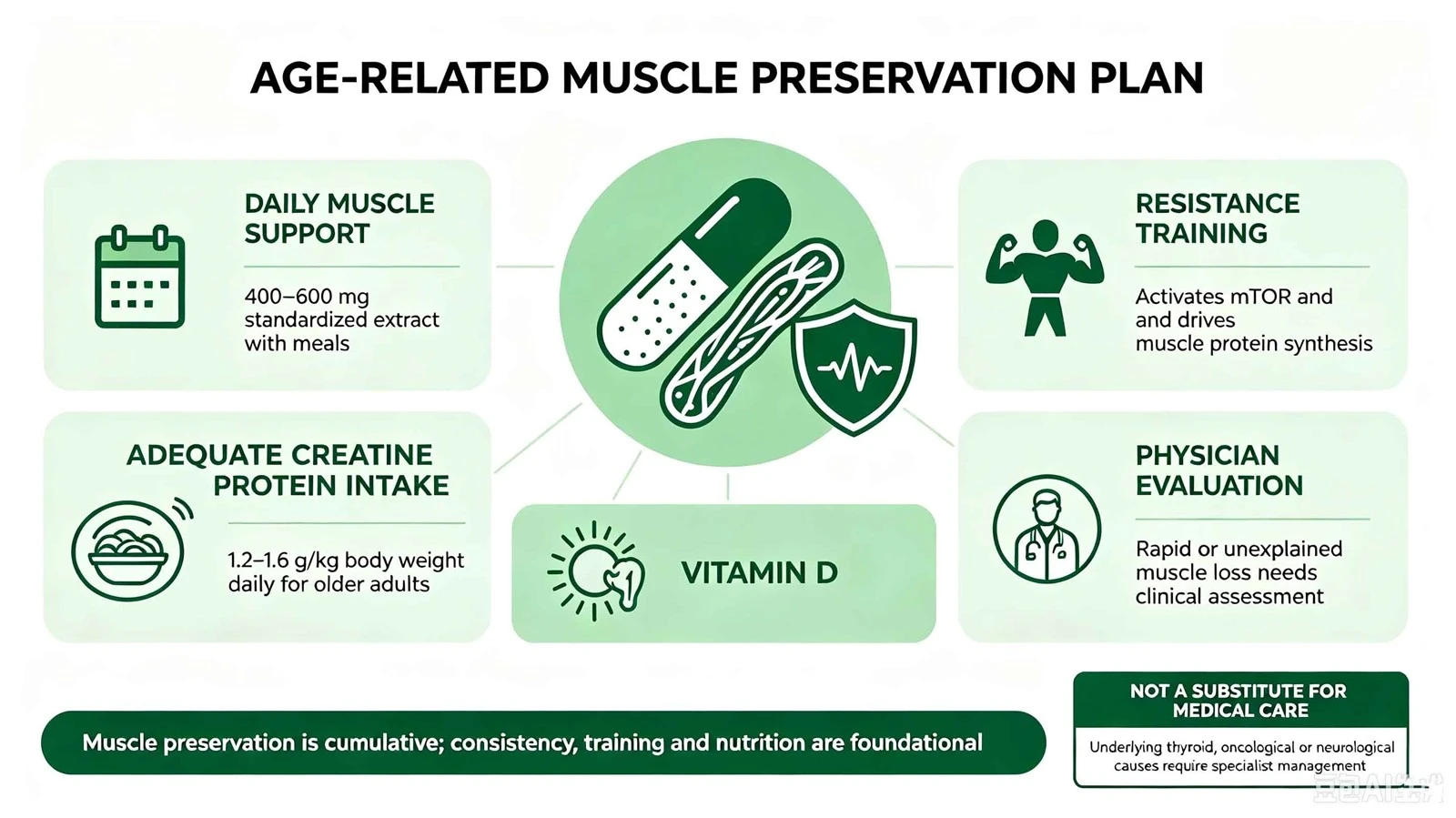
The muscle-supporting effects are driven by echinacoside and acteoside. Echinacoside is the primary AMPK activator, Nrf2 stimulator, and mitochondrial protector. Acteoside is the primary NF-κB inhibitor, inflammation modulator, and testosterone supporter. A standardized extract containing 20–40% total phenylethanoid glycosides is essential. The evidence-informed dose for muscle support is 400–600 mg daily, taken with a meal.
Integrating Cistanche for Muscle Preservation
For older adults concerned about muscle loss, Cistanche should be taken consistently-daily, with a meal-as a long-term support. It pairs well with the two most powerful interventions for sarcopenia: resistance training and adequate protein intake. Resistance training provides the mechanical stimulus that activates mTOR and drives muscle protein synthesis. Protein-ideally 1.2 to 1.6 grams per kilogram of body weight per day for older adults-provides the amino acid building blocks. Cistanche complements these interventions by improving mitochondrial function, reducing inflammation, and supporting the hormonal environment that makes muscle building possible. It also pairs well with creatine monohydrate, which enhances the phosphocreatine energy system, and with vitamin D, which supports muscle function and has been associated with reduced fall risk in older adults.
For those seeking reliable, research-grade muscle support, we offer Cistanche tubulosa extract products with verified active ingredient content.

Safety and Medical Context
Cistanche tubulosa is well tolerated with a centuries-long safety record. It does not cause the side effects associated with anabolic steroids or hormone replacement therapy. However, muscle loss can sometimes signal underlying medical conditions-thyroid disorders, cancer, or neurological disease-that require specific evaluation. Anyone experiencing rapid or unexplained muscle loss should consult a physician. This botanical is a supportive, preventive tool for age-related muscle preservation, not a substitute for medical diagnosis or treatment of underlying disease.