Renal Infarction From Over-the-Counter Testosterone Booster Pills: A Case Report
Jun 08, 2023
Abstract
Renal infarction is a challenging diagnosis that usually requires a high level of clinical suspicion because its clinical presentation is often attributed to more frequent causes. Here, we present the case of a young male with right flank pain. A computed tomography (CT) of the abdomen ruled out nephrolithiasis; hence, a CT urogram was performed, which revealed an acute right kidney infarction.

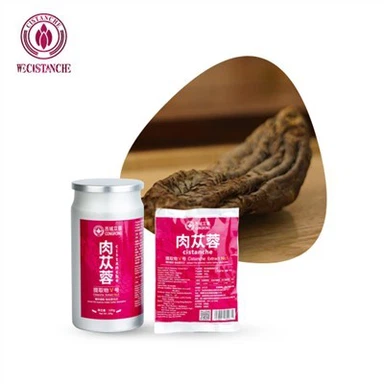
Click to cistanche tubulosa extract for testosterone
The patient had no personal or family history of clotting disorders. Subsequent tests for atrial fibrillation, an intracardiac shunt, and genetic causes were negative, and a presumptive diagnosis of a hypercoagulable state from over-the-counter testosterone supplements was made. Categories: Endocrinology/Diabetes/Metabolism, Nephrology, Hematology
Keywords: testosterone supplements, over-the-counter drugs, testosterone, renal artery infarction, renal infarction
Introduction
This case presents a renal infarction caused by a hypercoagulable state due to over-the-counter testosterone booster pills. This disease is often an underreported and overlooked diagnosis [1]. The two major causes are thromboembolic, usually originating from the heart or the aorta, and in situ thrombosis, due to an underlying hypercoagulable state, injury, or dissection of the renal artery [2].
Cardiogenic and hypercoagulable etiologies are more prevalent in older individuals than in younger patients, in whom renal artery injury is more prevalent [3]. Furthermore, patients usually complain of acute onset of flank or abdominal pain frequently accompanied by nausea, vomiting, and occasionally a fever mimicking more common conditions such as renal colic or acute pyelonephritis [4].

A computed tomography (CT) without contrast is the preferred initial test because it could also rule out more common causes [5]. If the clinical suspicion remains high, a contrast-enhanced CT or an MRI with gadolinium should be considered, depending on renal function [4]. In terms of treatment, there is no general consensus, with multiple approaches proposed that include anticoagulation, percutaneous endovascular therapy (thrombolysis, thrombectomy with or without angioplasty, or stent placement), and open surgery [5].
Case Presentation
The patient was a 42-year-old male who had been consuming over-the-counter testosterone booster supplements for the past six months and presented with acute onset right flank abdominal pain. The patient had a significant past medical history of hypertension (HTN), hyperlipidemia (HLD), obstructive sleep apnea (OSA), anxiety, gastroesophageal reflux disease (GERD), and fatty liver disease, but no familial history of hypercoagulable disorder. The pain was constant and severe, located in the right flank, radiated to the right lower abdomen, and was associated with nausea and vomiting.
The patient denied having a fever, shortness of breath, chest pain, dysuria, hematuria, or a recent history of abdominal trauma. In the emergency department, computed tomography (CT) of the abdomen without contrast ruled out urolithiasis, and urinalysis (UA) results were unremarkable. Consequently, the patient was discharged with hydrocodone and acetaminophen tablets for pain control. However, the patient returned because his pain had worsened despite the medication prescribed. As a result, a CT urogram with contrast was performed, which revealed an acute right kidney infarction involving the superior branch of the right renal artery (Figure 1).


Furthermore, telemetry monitoring did not report atrial fibrillation, and transthoracic echocardiography with a bubble study did not show an ejection fraction of 68% without any evidence of an atrial or ventricular shunt or an intracardiac thrombus. Subsequently, vascular surgery and nephrology departments were consulted, and a heparin drip, intravenous fluids, and intravenous morphine were commenced with no indication for revascularization because the pain started more than 24 hours earlier.

A CT angiogram was not done given the unnecessary exposure to intravenous contrast that could affect renal function. The anticoagulation workup was negative, including for antinuclear antibodies (ANA); beta-2 glycoprotein; immunoglobulin G, A, and M; cardiolipin; lupus anticoagulant; factor II; factor V Leiden mutation; antithrombin III activity; protein S free and total; protein S functional activity; and protein C activity. Testosterone levels were found low at 102 ng/dl (normal range: 132-813 ng/dl), and the patient was educated on avoiding these supplements and discharged with Eliquis to be taken for six months.
Discussion
The patient was a 42-year-old muscular male without a significant personal or familial medical history of clotting disorders who was diagnosed with acute right renal infarction. Cardiac etiology was ruled out with negative telemetry monitoring for atrial fibrillation or any other type of arrhythmia and unremarkable transthoracic echocardiography for intracardiac shunts or thrombus.
Similarly, the coagulation workup was inconspicuous, and additional etiologies were therefore considered, including a hypercoagulable state caused by an exogenous substance. Subsequently, the patient admitted to consuming over-the-counter testosterone booster pills that are associated with low testosterone levels, and the muscular body of the patient suggested suppression of endogenous testosterone production by the consumption of over-the-counter supplements that are a known risk for a hypercoagulable state and thromboembolic risk [6-7].
As a result, this case indicates the possibility of an over-the-counter testosterone booster in the development of this patient's hypercoagulable state and, in turn, a thromboembolic risk causing renal infarction in this patient. For this reason, this case presents the importance of avoiding over-the-counter supplements, especially without medical supervision, as well as the importance of further research regarding the adverse effects of testosterone as a contributor to hypercoagulable states.
Conclusions
This case highlights the importance of taking a complete history and asking the patient about both prescribed and over-the-counter medications or supplements. Patients may not view over-the-counter medications as potentially hazardous, but testosterone, like nonsteroidal anti-inflammatory drugs (NSAIDs), can carry serious side effects. It is imperative that both marketers and healthcare providers warn patients about a potential hypercoagulable state from testosterone to avoid the dreadful outcome seen in this patient.
The mechanism of Cistanche boosts the testosterone effect
Cistanche has been found to boost testosterone levels in several ways. Firstly, it contains compounds known as echinacoside and acteoside, which have been shown to enhance the production of luteinizing hormone (LH) in the pituitary gland. LH stimulates the Leydig cells in the testes to produce testosterone. Cistanche also contains polysaccharides and phenylethanoid glycosides, which have been shown to have antioxidant and anti-inflammatory properties. This can help reduce oxidative stress and inflammation in the testes, which can impair testosterone production Additionally, Cistanche has been found to increase the expression of genes involved in testosterone synthesis and reduce the activity of enzymes that break down testosterone, such as 5-alpha-reductase. Overall, the combination of these mechanisms is thought to contribute to Cistanche's testosterone-boosting effects.

References
1 Saeed K: Renal infarction. Int J Nephrol Renovasc Dis. 2012, 5:119-23. 10.2147/IJNRD.S33768
2. Antopolsky M, Simanovsky N, Stalnikowicz R, Salameh S, Hiller N: Renal infarction in the ED: 10-year experience and review of the literature. Am J Emerg Med. 2012, 30:1055-60. 10.1016/j.ajem.2011.06.041
3. Pizzarossa AC, Mérola V: Etiology of renal infarction. A systematic review [Article in Spanish]. Rev Med Chil. 2019, 147:891-0. 10.4067/s0034-98872019000700891
4. Hazanov N, Somin M, Attali M, et al.: Acute renal embolism. Forty-four cases of renal infarction in patients with atrial fibrillation. Medicine (Baltimore). 2004, 83:292-9. 10.1097/01.md.0000141097.08000.99
5. Ouriel K, Andrus CH, Ricotta JJ, DeWeese JA, Green RM: Acute renal artery occlusion: when is revascularization justified? J Vasc Surg. 1987, 5:348-55. 10.1067/mva.1987.avs0050348
6. Glueck CJ, Richardson-Royer C, Schultz R, et al.: Testosterone, thrombophilia, and thrombosis. Clin Appl Thromb Hemost. 2014, 20:22-30. 10.1177/1076029613485154 7. Glueck CJ, Goldenberg N, Wang P: Testosterone therapy, thrombophilia, venous thromboembolism, and thrombotic events. J Clin Med. 2018, 8:11. 10.3390/jcm8010011