Study on Anti-lipid Peroxide Effect of Cistanche Glycoside in the subacute aging mice
Mar 08, 2022
For more information: Ali.ma@wecistanche.com
WUBo1, Fuyu-mei2
1.TheResearchCenterofMedicine, GuangzhouMedicalCol- lege, Guangzhou 510182, China
2. The Liwan Hospital, Guang- zhouMedical College, Guangzhou 510170, China
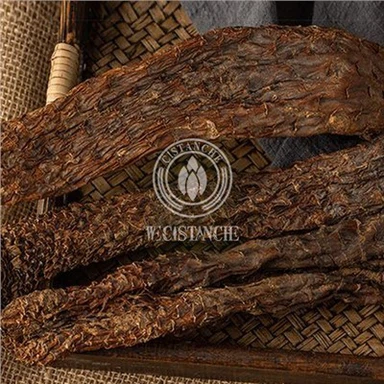
Cistanche glycoside is extracted from herb cistanche. Cistanche (Cistanchedeserticola YC-Ma) is a kind of dried fleshy stem with scales as a genuine medicine. It is a commonly used Chinese medicine for invigorating the kidney and strengthening the yang. it has the functions of invigorating the kidney, nourishing essence, and moisturizing dryness. Cistanche glycoside has appeared in ancient anti-aging prescriptions. The frequency is second only to ginseng. With the aging of the world becoming more and more serious, research on aging and anti-aging has become a hot spot for scientists from all over the world. In order to explore the anti-aging effect of Cistanche and its mechanism, this experiment created an aging mouse model and observed the effect of Cistanche Glycosides on the aging mouse model.

Cistanche glycoside is the main effective ingredient from cistanche
Click to Cistanche herba products
1 Material
1.1 Drugs
The medicinal materials were purchased from the Guangzhou Chinese Medicinal Materials Market and were identified by Professor Li Wei, School of Chinese Materia Medica, Guangzhou University of Chinese Medicine. The extraction of Cistanche Total Glycosides refers to the literature [1], and its main component is phenethyl alcohol glycoside compound, which is made into 10 g·L-1 Cistanche Glycosides solution with normal saline. The reagents used are all domestically pure and prepared with deionized water.
1.2 Animal
NIH healthy mice, half and half, weighing 18-22 g, provided by Guangdong Medical Experimental Animal Center.

2 Methods and results
2.1 Manufacturing and administration of subacute aging animal model
The mice were randomly divided into normal group (NS), model group (Model, negative control group), administration group GCD1, GCD2, 10 mice in each group. Then, the GCD1 and GCD2 groups were gavaged with Cistanche Glycosides extract at the doses of 100 and 200 mg/kg each day, and the other two groups were gavaged with normal saline 10 ml·kg-1 every day; normal feed was used. At the same time, the three groups of GCD1 and GCD2 mice in the model group and the administration group were taken. Each mouse was injected with D-galactose 50 mg/kg subcutaneously on the back of the neck every day. After nearly 7 weeks, the model group showed symptoms of subacute aging. Immediately proceed to the collection of experimental samples.
2.2 The collection of samples and the determination of SOD activity and LPO content.
The mice were decapitated and taken blood, and 0.5 ml of blood was taken into a test tube of heparin anticoagulation, centrifuged, and precipitated with physiological saline; at the same time, the mice that had been taken blood were separated The brain and liver tissues were washed with frozen normal saline, homogenized in an ice bath, centrifuged at 3,000 r·min-1 for 10 min, and the supernatant was taken for testing, using the pyrogallol auto-oxidation method [3 ] Determine the SOD activity in each sample; use the TBA colorimetric method [3] to measure the content of LPO in each sample at a wavelength of 532 nm, and the experimental results are processed by statistics.

2.3 Experimental results
2.3.1 The effect of Cistanche Glycosides on the activity of superoxide dismutase (SOD) in subacutely aging mice.
From the results of Tab1, it can be seen that the GCD100 and 200 mg·kg-1 groups have significant differences compared with the model group (P<0.01 ), which can increase the activity of SOD in the serum of subacutely aging mice.

2.3.2 The effect of Cistanche Glycosides on lipid peroxide (LPO) in subacutely aging mice Table 2
The results show that the Cistanche Glycosides group has an effect on lipid peroxides in the serum, brain, and liver of subacutely aging mice. The content was significantly lower than that of the model group (P<0.05). As the dose increased, the lipid peroxide content also decreased.

3 Discussion
Aging is an irresistible process of natural change. The free radical theory of aging believes that the main cause of biological aging is the continuous production of free radicals in the process of biological metabolism. With the increase of age, the production and elimination of free radicals in the body are lost. Balance reduces the activity of free radical scavenging enzyme SOD and increases lipid peroxidation. Lipid peroxidation occurs in biological membranes, which destroys the structure and function of biological macromolecules and makes the main organs in the body heart, liver, brain, kidney, etc. Damaged. Antioxidants in the body continue to decline, and the ability to eliminate free radicals gradually weakens. The experimental results show that Cistanche Glycosides can significantly increase the SOD activity of subacutely aging mice, and significantly reduce the content of lipid peroxides in the brain and liver of the mice. This shows that Cistanche Glycosides can adjust the balance of oxidation/antioxidant function in the body of aging mice, suggesting that Cistanche Glycosides have anti-oxidant effects and anti-aging effects.

References:
[1] Ouyang Jie, Zhao Bing, Wang Xiaodong et al. Study on cyclic ultrasonic extraction of phenethyl alcohol glycosides from Cistanche [J]. Research and Development of Natural Products, 2003, 15 (3 ): 223 -34, 238.
[2] Gong Guoqing. Research on mouse aging model [J]. Journal of China Pharmaceutical University, 1991, 22 (2 ): 101.
[3] Xu Shuyun, Bian Julian, Chen Xiu, editors. Pharmacological experiment methodology [M]. 3rd edition, Beijing: People's Medical Publishing House, 2003:430-4, 535-7.