Research Progress On Extraction Technology And Antibacterial Activity Of Active Components Of Plant Extracts
May 16, 2023
In recent years, plant extracts, as a green, pollution-free, and residue-free feed additive, have received extensive attention because of their antioxidant, immune-regulating, and growth-promoting effects [1-2]. Studies have shown that plant extracts can not only selectively inhibit the growth of exogenous harmful bacteria, but also improve intestinal function and host immunity by regulating the composition of intestinal microbial flora [3-4]. This paper mainly reviews the research progress on the extraction process and antibacterial activity of the main active components in plant extracts and provides a theoretical basis for the comprehensive development and utilization of plant extracts.
Click to cistanche extract male benefits
1 Extraction process of plant extracts and their active ingredients
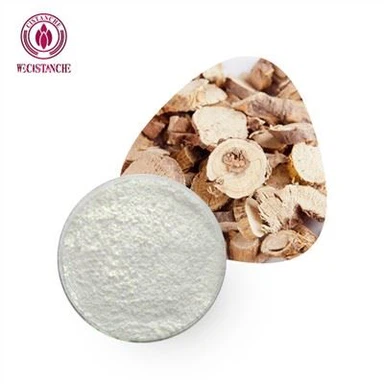
The whole plant or part of the plant material is treated by a physical extraction or extraction method, chemical reagent soaking method, and biological fermentation method, to obtain a liquid or solid substance whose active ingredient structure has not changed, which is called plant extract. In recent years, plant extracts have been used as animal feed additives due to their advantages of stable content, safety, high efficiency, no pollution, no residue, and no drug resistance. The sources of plant extracts that have been studied mainly include medicinal plants including Chinese herbal medicines, fruits, and vegetables.
The commonly used plant extraction processes include traditional water extraction, alcohol extraction, and microwave-assisted methods, ultrasonic-assisted methods, acidification methods, enzymatic hydrolysis methods, and supercritical carbon dioxide (CO2) extraction methods that can improve efficiency. These methods have advantages and disadvantages. The traditional method has the common advantages of simple operation and low cost. The water extraction method also has the characteristics of safety, environmental protection, and maximum protection of the structure of polysaccharides [5]. For the alcohol extraction method, it is easier to realize industrial production[ 6], but both of these two methods have disadvantages that cannot be ignored, such as long extraction time, a large amount of solvent required, low extraction rate, and many impurities in the extract [7-8].
Other more efficient extraction processes also have their strengths. In addition to the advantages of water extraction, the steam distillation method also has the advantages of easy access to distillation equipment and easy separation of the obtained components from water. However, in the process of extracting active components, thermally unstable components such as polysaccharides are easily destroyed, and volatile oils It is easy to hydrate with water and cause odor. In addition, the water removal equipment is expensive and produces wastewater with high biological oxygen demand [9-10]. The microwave-assisted method has the advantages of short extraction time, high solvent utilization rate, and high extraction efficiency, but it has greater damage to the cell structure, which is likely to cause solvent residues and polysaccharide structure changes. In addition, microwave equipment is expensive and is currently limited to Laboratory studies [6-7, 11-13].
While retaining the advantages of the microwave method, the ultrasonic-assisted method can not destroy the structure of the active ingredient, the extraction temperature is low and the energy consumption is low. It is very suitable for the extraction of polar and thermally unstable components. However, the existing capacity of the ultrasonic instrument cannot realize industrial production [8, 14-16]. The supercritical CO2 extraction method has the advantages of both microwave and ultrasonic methods, which can effectively prevent the oxidation and dissipation of heat-sensitive substances. In addition, because there is no solvent residue, the extracted raw materials can be used as a feed or continue to extract other components, but with this method Due to the high pressure, the physical property data will be lost, and the investment cost is extremely high, and the safety requirements are high [12-13].
Although the results of the acidification method are reliable, a large amount of extract makes concentration difficult, and there are many water-soluble impurities in it, so purification and enrichment are still needed [12]. Enzymatic hydrolysis is another method with low extraction temperature, and the extraction conditions are the mildest, the reaction speed is extremely fast, and impurities are easily removed. However, this method has high costs, high equipment, and technical requirements, and has great limitations.[ 7-8].
The main bioactive components in the plant extracts obtained by the above method are volatile oils, polysaccharides, flavonoids, polyphenols, alkaloids, triterpenoids, organic acids, saponins, and plant tannins, etc., and most of them are relatively stable secondary metabolites. product. Their chemical structures often contain groups such as phenols, ethers, terpenes, and ketones [17], and these organic functional groups, although chemically different, can interact to maintain the health of the organism.
2 Antibacterial activity of plant extracts
Studies have shown that adding plant extracts to animal diets can improve animal immunity. One of the reasons may be that plant extracts affect the activity of intestinal microorganisms. Wei Bin et al. [26] chose to decoct Coptis chinensis, honeysuckle, Artemisia argyi, and gallnut, and the extracts obtained not only inhibited the activity of Escherichia coli but also weakened the resistance of this bacteria to gentamicin. And Zhou Yangyang et al [27] counted a total of 96 kinds of Chinese medicinal materials for clearing away heat and detoxification, and 57 kinds have been reported to have antibacterial effects, of which 42 kinds are obtained through different extraction methods (water decoction, ethanol extraction, and organic solvent extraction). Both are resistant to common Gram-positive and negative bacteria such as Staphylococcus aureus and Escherichia coli.
Among them, the water decoctions of coptis, Scutellaria, dandelion, and honeysuckle all have broad-spectrum antibacterial properties, while the water decoction of forsythia can resist the activity of more than 5 common Gram-negative bacteria. The decoction of bitter scrophulariae and the ethanol extracts of bitter scrophulariae and chrysanthemum have antibacterial activity against 3~4 kinds of Gram-positive bacteria. A large number of studies have shown that the bioactive components in plant extracts have antibacterial effects, but their detailed antibacterial mechanism is still not very clear. As far as the current research results are concerned, plant extracts may exert antibacterial effects in the following ways: 1) destroying and degrading pectin and cellulose in the bacterial cell wall or inhibiting the synthesis of peptidoglycan in the cell wall[28]; 2) changing the bacterial cell membrane 3) Molecularly weaken the motility of protons and weaken bacterial activity[31-32]; 4) Aggregate cytoplasm and inactivate bacteria[33];5 ) inhibit or even kill bacteria by acting on the enzyme system, functional protein, genetic material or genetic particle structure in bacterial cells [34-35]; 6) enhance the resistance of intestinal epithelial cells [36]. The following will be classified according to the active components of plant extracts, and the inhibitory effect of the main active components in plant extracts on microbial flora at home and abroad in recent years will be described.
2.1 Volatile oil
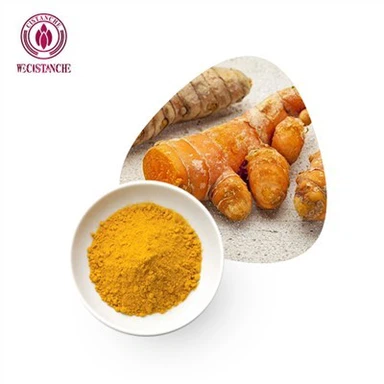
The oily substances with aromatic flavor extracted and separated from plants are volatile oils, also known as plant essential oils. In recent years, more and more studies have focused on the antibacterial effects of volatile oils. Pan Baiming et al [19-20] used ultrasound to extract Artemisia argyi and turmeric, and the obtained volatile oil can inhibit pathogenic bacteria such as Staphylococcus aureus, Escherichia coli, and Staphylococcus albus. In addition, the volatile oil of Forsythia has a more extensive antibacterial effect, and the volatile oil of Forsythia from different origins can inhibit bacteria[37]. [38] found that the main compounds in essential oils are the key to exerting antibacterial activity, such as thymol and carvacrol in thyme essential oil, eugenol in nutmeg essential oil, perillaldehyde in perilla essential oil, Cinnamaldehyde in the essential oils of ageratum, cinnamon, and hyacinth, eugenol, rubidium, and various anthraquinones in the essential oils of madder. The above test results reflect the antibacterial effect of volatile oil in a single plant extract, while Han Ganjie et al. [39] mixed plant essential oil with sodium butyrate to study their synergistic antibacterial effect. The results showed that compared with adding only volatile oil, the mixture Enhanced the inhibitory effect on E. coli, but had no effect on lactic acid bacteria.
Quan Meiping [31] used the steam distillation extraction method and supercritical CO2 fluid extraction method to treat madder, and the results of in vitro antibacterial test showed that the essential oil of madder obtained by the two methods had broad-spectrum antibacterial activity, and compared with Gram-negative bacteria, Rubia plant essential oil has better destruction and antibacterial effects on Gram-positive bacteria, and then the antibacterial mechanism of essential oils is deduced: with the prolongation of time when Rubia essential oil acts on bacterial cell membranes, the permeability of cell membranes is gradually enhanced, which in turn leads to intracellular The leakage of sodium, potassium, and calcium ions increases the conductivity of the bacterial solution and the bacteria die. It can be observed through the scanning electron microscope that Coptidis essential oil also acts on the cell membrane when it exerts an antibacterial effect on Escherichia coli. Leakage and release of potassium ions, thereby killing E. coli.
The reason for the rupture of the cell membrane may be that the essential oil of Coptis chinensis causes damage to the cell membrane by affecting the formation of pores on the surface of the cell membrane, and the damage to the cell membrane becomes more obvious with the increase of the concentration of the essential oil of Coptis chinensis[32]. The antibacterial mechanism of rhododendron essential oil includes three aspects: on the one hand, it can destroy the cell structure, not only has the effect of destroying the cell membrane of harmful bacteria similar to that of Madder and Coptis essential oil but also has the effect of destroying the structure and function of the cell wall of harmful bacteria. Leakage of nucleic acid; on the other hand, it can prevent the formation of new biofilm by reducing the biofilm biomass and biofilm cell activity, thereby destroying the pre-formed biofilm; Adhesion ability [29]. The specific action pathways of the above antibacterial mechanisms are still unclear and need to be further explored.
2.2 Polysaccharides
Polysaccharides are high-molecular polymers linked by aldehyde and ketone groups through glycosidic bonds and are widely found in animal cell membranes and cell walls of plants and microorganisms [40]. Studies have shown that polysaccharides extracted from plants also have strong antibacterial activity, and the polysaccharides obtained by ultrasonic treatment of the fungus have a better antibacterial effect on Escherichia coli [41]. 150~300 mg/mL Yubai polysaccharide extract also has an obvious antibacterial effect on Escherichia coli, but the antibacterial effect on Pseudomonas aeruginosa is not obvious[42]. Xue Shujing et al [43] also found that lotus seed red polysaccharide can effectively inhibit the growth of Escherichia coli and Staphylococcus aureus, and the inhibitory effect of lotus seed red polysaccharide on Escherichia coli is stronger than that of Staphylococcus aureus under acidic conditions, indicating that Polysaccharides have the effect of selectively inhibiting different bacterial species. However, Du et al. [44] found that 10-100 mg/mL polysaccharides of Enteromorpha had no antibacterial effect on Escherichia coli, Staphylococcus aureus, and Salmonella. In addition, the study found that ethanol concentration will affect the antibacterial effect of basil polysaccharides. 30% alcohol-precipitated polysaccharides can inhibit 8 common pathogenic bacteria, 50% alcohol-precipitated polysaccharides have weak antibacterial effects, and 80% alcohol-precipitated polysaccharides have the weakest antibacterial effect [45].

Not only that, the antibacterial activity of desulfurized polysaccharides from Codonopsis pilosula is much higher than that of sulfur-containing polysaccharides, indicating that the antibacterial activity of plant polysaccharides is also closely related to its structure [46]. The mechanism of Dendrobium polysaccharides regulating microbial flora is related to metabolic pathways. Dendrobium polysaccharides are degraded into β-D-glucopyranose residues in the gastrointestinal tract of mice, and the unabsorbed parts of these small molecules are absorbed by the intestinal tract. The use of intestinal microorganisms leads to an increase in the content of short-chain fatty acids produced by microorganisms, thereby improving the living environment of intestinal microorganisms, increasing the number of beneficial bacteria such as bifidobacteria in the colon to become dominant bacteria, and beneficial bacteria competitively inhibit harmful bacteria such as Escherichia coli growth, thereby improving the composition and structure of gut microbes[47].
2.3 Flavonoids
At present, the research on plant flavonoids mainly focuses on the in vitro test of flavonoids against exogenous bacteria, but there are few reports on their specific components and in vivo antibacterial tests. 30 and 40 μg/mL extracts of lotus leaf flavonoids can effectively inhibit the growth of Staphylococcus aureus and Pseudomonas, respectively, and can also promote the biological activity of Lactobacillus and Bifidobacteria, and the minimum bactericidal concentration for yeast is 0.626 mg/L [48]. Purslane flavonoids have inhibitory effects on a variety of bacteria and fungi, and are known as "natural antibiotics". Purslane flavonoids extract can induce the death of Staphylococcus aureus through the apoptosis pathway, that is, purslane flavonoids enter the cytoplasm through the cell membrane pores of Staphylococcus aureus, and then two parallel reactions occur-the accumulation of active oxygen and DNA fragmentation, leading to cell cycle arrest and subsequent death [49].
The research of Chen Guoni [30] showed that purslane flavonoids can inhibit Escherichia coli, Staphylococcus aureus, Saccharomyces cerevisiae, and Aspergillus niger by destroying the cell membrane of bacteria. With the gradual deepening of the destruction of the bacterial cell membrane, the small molecule electrolyte seeps out first, the conductivity rises rapidly, the cell growth is hindered, and then the secreted reducing sugar gradually leaks out, and finally, the macromolecular protein is completely released. In addition, Scutellaria baicalensis root also has broad-spectrum antibacterial properties. The low, medium, and high concentration groups of Scutellaria baicalensis extract from Lilynjacenta baicalensis all inhibited the growth of Escherichia coli and Staphylococcus aureus, and the minimum inhibitory concentrations were 12.50 and 6.25 mg/ mL[50]. The main active ingredient of Scutellaria baicalensis, baicalein, is a flavonoid compound. The mechanism of action of baicalein is that baicalein takes ATP synthase on the cell surface as a molecular target, connects to the inhibitor binding site of this enzyme, and then inhibits ATP synthase. coli can not produce energy for its growth and metabolism through oxidative phosphorylation or photophosphorylation, which then causes E. coli to die[51]. In summary, flavonoids in plant extracts have antibacterial activity, but the same plant may have more than one antibacterial mechanism against the same bacterium, and different plants may have different antibacterial mechanisms against the same bacterium.
2.4 Polyphenols
According to the structure, polyphenols are divided into flavonoids and non-flavonoids. The former includes anthocyanins, flavanols, flavanones, etc., and the latter includes small molecules of phenolic acids such as caffeic acid, ferulic acid, and chlorogenic acid, as well as pros and cons. Resveratrol, etc. [52]. Most polyphenols are catabolized by microorganisms in the large intestine and become small molecular substances with higher biological activity. Conversely, polyphenol mixtures and monomers will also significantly affect the composition of intestinal flora, among which Bifidobacterium is the most It is easy to increase the abundance, and the growth of other beneficial bacteria lactic acid bacteria and Akkermansia muciniphila will also be significantly promoted, while the growth of pathogenic bacteria such as Escherichia coli and Clostridium will be inhibited, and the metabolic expression of intestinal flora will also be changed[53 ]. Xue et al[54] added three plant polyphenol monomers, catechin, quercetin, and puerarin, to a liquid medium and co-fermented with human fecal flora for 1 day, and studied their differences in pathogenic bacteria, symbiotic bacteria, and probiotics The results show that the three plant polyphenols can not only inhibit the growth of Bacteroidetes and Firmicutes, but also down-regulate the ratio of the two bacteria, catechin has the strongest inhibitory activity, and quercetin is second only to the former. But another study found that quercetin and naringenin had the strongest antibacterial ability, while rutin had the weakest antibacterial ability. In addition, they also noted that polyphenols were more effective against gram-positive bacteria than gram-negative bacteria. The role of more sensitivity is easier to inhibit its growth [55]. In addition to the above reports, Firrman et al. [56] found that quercetin has a hydrophobic group. By binding to the target on the bacterial cell membrane, the phospholipid bilayer is opened, the cell structure is destroyed, and the contents are leaked. Escherichia coli, enterococcus, and Clostridium histolyticum died.

2.5 Alkaloids
Alkaloids mainly exist in Solanaceae and Liliaceae plants. All natural alkaloids come from plants, but not all plants produce alkaloids [57]. The main components of Coptidi's antibacterial activity are alkaloids. The antibacterial activity of total alkaloids of Coptis is very strong, but it will show different antibacterial activity for different bacteria. At the same concentration, its inhibitory activity against Escherichia coli is significantly weaker than that of Staphylococcus aureus. The four alkaloids isolated from the total alkaloids of Coptidis Rhizoma, berberine, coptisine, palmatine,, and epi berberine, have different antibacterial activities, among which berberine and coptisine have the strongest antibacterial activity[58], berberine can enhance the bactericidal activity of antibiotics [59]. Further studies have shown that one of the mechanisms of the antibacterial effects of strychnine alkaloids and ampicillin on ampicillin-resistant Staphylococcus aureus is to cause morphological damage to the resistant bacteria, destroy the cell membrane and inhibit the peptide in the cell wall. Synthesis of glycans, to achieve the purpose of antibacterial [28].
2.6 Triterpenoids
Triterpenoids, also known as Ganoderma acid, are widely found in nature, and many plant extracts such as Antrodia camphorata, Acacia, and perilla leaves contain triterpenoids as active ingredients. Yang Kai et al [16] showed that the total triterpenes of Antrodia Cinnamomea can inhibit Gram, and the antibacterial effect is: Escherichia coli > Staphylococcus aureus > Bacillus subtilis, and the antibacterial activity increases with the concentration increasing. In addition, Amoussa et al. [60] studied the antibacterial activity of total triterpenes in Acacia spinosa and found that they can inhibit Staphylococcus aureus, Pseudomonas aeruginosa,, and Enterococcus. Afterward, Jing Bingnian et al[25] obtained total triterpenoids by ultrasonic extraction of Chao Wang Bu Liu Xing, and studied the inhibitory effect of triterpenoids on 10 common pathogenic bacteria, and the results showed that the minimum inhibitory concentration range is 1.25~20.00 mg/mL, among which the production of Escherichia coli, Staphylococcus aureus, Streptococcus pneumonia, and Streptococcus pyogenes is the most effective. However, the minimum inhibitory concentrations of total triterpenoids of perilla leaf against Escherichia coli and Staphylococcus aureus were 0.48 and 0.97 mg/mL, respectively[15], indicating that the total triterpenoids of perilla leaf had stronger antibacterial activity and were more effective against Gram Both positive and negative bacteria have good inhibitory activity. Most of the fungi that triterpenoids can inhibit are Gram-positive bacteria, but the inhibitory effect on Gram-negative bacteria is weak, only for Bacillus subtilis, Pseudomonas aeruginosa, Streptococcus pneumonia,, and pyogenic bacteria. Streptococcus and other negative bacteria have inhibitory effects, and the research and development of plant extracts against Gram-negative bacteria should be strengthened in the future.
3 Summary
Using different extraction methods such as water extraction, alcohol extraction, microwave-assisted method, ultrasonic-assisted method, acidification method, enzymatic hydrolysis method, and supercritical CO2 extraction method, volatile oil can be extracted from medicinal plants including Chinese herbal medicine, fruits and vegetables, etc., polysaccharides, flavonoids, polyphenols, alkaloids, triterpenoids, organic acids, saponins and plant tannins and other main biologically active components. A variety of active ingredients have antibacterial properties and can inhibit common animal enteropathogenic microorganisms such as Staphylococcus aureus, Escherichia coli,, and Salmonella, so they can be added to animal feed as potential feed antibiotic substitutes, The prospects are very bright. However, there are still many problems in the application of plant extracts at present. For example, the effect of extracts is different due to different factors such as plant species, plant parts, harvesting time, and extraction process, and the product quality is uneven; 1. The mechanism of antibacterial action is not yet fully understood; in addition, the quality detection and control standards of the extract have not yet been formulated. Therefore, it is necessary to increase research efforts in the above aspects in the future.
What is Cistanche extract?
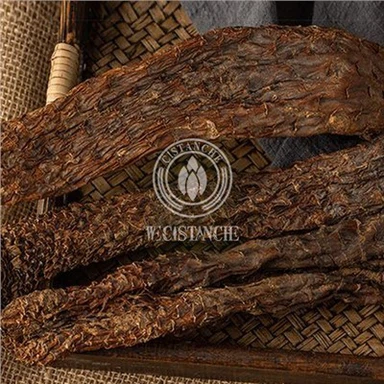
Cistanche extract is a concentrated form of the active compounds found in the Cistanche plant. The extract is created by using a solvent to extract the active compounds from the plant material. This results in a highly concentrated form of the plant's medicinal properties.
Cistanche extract is most commonly used as a dietary supplement. It is available in capsule or powder form and is typically taken orally. The extract is believed to have many of the same health benefits as the whole plant, including anti-inflammatory, antioxidant, immunomodulatory, neuroprotective, and aphrodisiac properties.
One of the main advantages of using Cistanche extract is that it is more concentrated than using the whole plant. This means that a smaller dosage is needed to achieve the same effects as consuming the plant in its natural form. It also means that the extract can be more easily standardized to ensure consistent dosing.
Cistanche extract is often used as a natural remedy for a variety of health conditions. It is commonly used to improve sexual function, as it is believed to have aphrodisiac properties. It may also be used to improve fertility in both men and women.
The extract is also believed to have anti-inflammatory properties, which may help to reduce pain and inflammation in the body. It may also have antioxidant properties, which can help to protect the body against damage from free radicals.

Cistanche extract may also have neuroprotective effects, helping to protect the brain against damage and improve cognitive function. It may also have anti-aging properties and help to improve skin health.
It is important to note that while Cistanche extract is generally considered safe, it may interact with certain medications. It is always important to talk to your healthcare provider before taking any new supplements or herbs.
In conclusion, Cistanche extract is a highly concentrated form of the active compounds found in the Cistanche plant. It is believed to have many of the same health benefits as the whole plant, including anti-inflammatory, antioxidant, immunomodulatory, neuroprotective, and aphrodisiac properties. Cistanche extract is commonly used as a dietary supplement and may be beneficial for a variety of health conditions.