The Origin And Prospect Of The Homology Of Medicine And Food
May 16, 2023
In the traditional Chinese medicine industry, it is customary to refer to substances that are both food and traditional Chinese medicinal materials as "medicine and food homologous substances" or "food and drug substances". Academician Xiao Peigen interpreted "the same origin of medicine and food" as "the same principle of medicine and food", "same use of medicine and food", "dual use of medicine and food" and other richer connotations. In November 2021, the National Health Commission issued a notice on the issuance of the "Regulations on the Administration of the Catalog of Substances that Are Traditionally Food and Chinese Medicinal Materials" (hereinafter referred to as the "Administrative Regulations", Guowei Food Fa [2021] No. 36), marking The management of homologous substances in medicine and food in China began in the 1980s. After more than 40 years of preliminary exploration, pilot, and adjustment, it has officially entered the stage of legal management. At the same time, the promulgation of the "Administrative Regulations" also marks that China's pharmaceutical and food homologous substance-related industries are no longer borderline industries between pharmaceuticals and food, but have officially become an indispensable part of the traditional Chinese medicine industry.

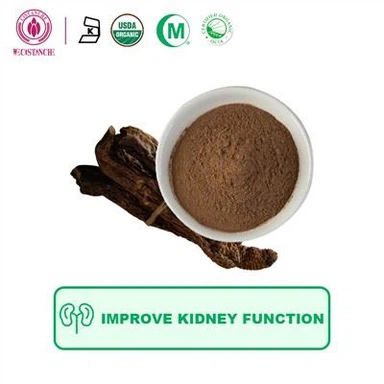
Click to buy cistanche tubulosa Australia
The author reviews the historical background of the production of homologous substances in medicine and food and analyzes the evolution route of the management of homologous substances in medicine and food in China. The management of homologous substances in medicine and food is an innovation in China's drug and food management system, and it is also a respect for the history and habits of Chinese traditional medicine, reflecting the science and wisdom of China's drug and food supervision. The standardized development of medicinal and food homologous substances will inevitably form a strong boost to the realization of the strategic goals of the "Healthy China 2030" Planning Outline, deepening the reform of the health system, and responding to the healthcare needs of an aging society.
1 Chinese medicine and food have a long history
1.1 "Eating" is one of the main driving forces of human evolution
"Hanshu·Li Shiqi Biography" records: "Food is the most important thing for the people." "Food" has always been the primary problem faced by human beings and even all living organisms. Food has affected the evolution and development direction of human beings to a certain extent. Modern molecular biology and anatomical evidence show that human ancestors (Homo sapiens) originated in Africa. The various fruits and plants produced in the ancient African tropical rainforest accounted for more than 70% of the food sources of early Homo. It was not until humans invented hunting tools, learned to use fire, and explored group cooperation models that they were able to hunt large animals, and eating meat began to become common. Meat eating is of great significance for humans to increase energy intake and promote the evolution of the human brain. As the climate in East Africa changed from warm and humid to cold and dry, the ecological type of African rainforest began to transition to savannah, and the change in ecological structure led to the transition of human beings to hunter-gatherer societies. It is estimated that 56% to 65% of the nutrients in hunting societies come from animals. With the acceleration of human civilization, human hunting ability has been continuously improved, the number of humans has continued to increase, and the number of animals that can be hunted has continued to decrease. In the past 10,000 years, humans have begun to domesticate animals and grow grains and gradually entered into farming civilization [7].
1.2 Discovering medicine while searching for food
According to ancient legends, Shennong was the main promoter of China's transformation from a hunting civilization to a farming civilization. Shennong's two major inventions: one is medicine, and there is a legend about Shennong tasting hundreds of herbs; Bitter taste", "Eat five grains and grow crops". In the 21st century BC, it is said that Yu Dayu established the first dynasty in Chinese history—Xia Dynasty because of his meritorious service in water control. Due to the long history of the Xia Dynasty, there are very few documents, but you can find cooks who are proficient in cooking skills, and cooking medicines are easy to take data of. Xia Jie has no way, and Yi Yin, a gourmet who "governs a big country like cooking small delicacies", helped Shang Tang establish the Shang Dynasty. Yi Yin is also the originator of the Chinese medicinal diet. Developed during the Zhou Dynasty, the medical institutions set up by the imperial court had the post of "food doctor". Hundreds of sauces and eight delicacies are all", and disease medicine is "handling and nourishing the diseases of the people". So far, people's awareness of food and medicine has reached a certain level, and food and medicine have begun to be gradually separated.
1.3 Different Ways of Medicine and Food
Human civilization entered the Spring and Autumn Period and the Warring States Period, and the works handed down from generation to generation on food and medicine began to gradually enrich. It can be seen from the data that the theory of the same origin of medicine and food reached a very high level at that time, especially the recognition of nature and the human body, food, and medicine in the "Huangdi Neijing". It is difficult to surpass until now. "Huangdi Neijing Suwen" records that "poisons attack evil, five grains are for nourishment, five fruits are for help, five animals are for benefit, five vegetables are for supplementation, and the smell is combined to take it to nourish leanness and Qi." It is believed that medicine is as important as poison It is used to treat diseases, while food is used to replenish essence.
Developed to the end of the Eastern Han Dynasty, "Shen Nong's Materia Medica" divided herbal medicine into three grades: upper, middle, and lower. Among them, "there are 120 kinds of upper medicines, which are for the emperor, and the main nourishes the life to respond to the sky. Hurt people. Those who want to make light of life and benefits Qi, not grow old and prolong life". Although according to modern science, the top grade may not be safe, the classification of the upper, middle, and lower grades has laid the foundation for the development of the same origin of medicine and food to a certain extent.
Sun Simiao, the king of medicine in the Tang Dynasty, had a deep understanding of food and medicine, and reached a new high after the "Huangdi Neijing". Sun Simiao recorded in "Thousands of Gold Prescriptions Food Therapy": "The foundation of one's life must be funded by food; the speed of curing diseases must be based on medicine. Those who don't know what to eat are not enough to survive, and those who don't know what to avoid with medicine cannot get rid of it. Illness. As a doctor, one must first understand the source of the disease, know what is causing it, and cure it with food; if the food does not cure, then order the medicine." It can be seen that Sun Simiao has a very incisive understanding of medicine and food. "Diet Therapy Materia Medica" summarizes the achievements of diet therapy before Tang Dynasty, and is the earliest extant monograph on diet therapy in China.
In the Song Dynasty, "Taiping Huimin Hejiju Prescriptions" collected prescriptions and folk prescriptions from past dynasties, and especially discussed diet therapy prescriptions; later generations of medical experts such as "Famine Relief Materia Medica" and "Compendium of Materia Medica". Different degrees of perfection; among the princes and nobles in the Qing Dynasty, dietary and medicinal diets were all the rage, and there are relevant records in "Secret Recipes of the Qing Palace" and "Recipes of the Qing Palace".
After the Opium War in the late Qing Dynasty, western medicine was introduced into China, and the status of traditional Chinese medicine was greatly affected, and the development of medicine and the food homology industry also entered a low period. In November 1912, the Ministry of Education of the Beiyang Government promulgated the "Regulations for Specialized Medical Schools" and "Regulations for Specialized Schools of Pharmacy". There were 48 medical subjects and 31 pharmacy subjects, none of which contained traditional Chinese medicine, completely excluding traditional Chinese medicine from the medical education system. outside. In 1929, the Nationalist Government of the Republic of China adopted an anti-TCM policy, and even passed the "Abolition of TCM Case", causing serious damage to the development of TCM. In the "Regulations on Traditional Chinese Medicine" promulgated in 1936, there are still many discriminatory and exclusionary contents of Chinese medicine. After the founding of New China, a series of progress was made in the consolidation and development of traditional Chinese medicine. Experts and scholars engaged in the teaching of traditional Chinese medicine compiled monographs on medicinal diet and dietary therapy, such as "Food Chinese Medicine and Recipe", "Practical Food Therapy", "Food Tonic and "Diet Therapy", "Chinese Medicinal Diet", "Chinese Diet Therapy", "Interpretation of Medicinal and Edible Homologous Substances", the medicinal and edible homologous industry has entered a stage of standardized development.
2 Establishment of China's modern medicine and food homology supervision system
2.1 Evolution of management methods for Homology of Medicine and Food
Although China has a long history of homology of medicine and food, the management system of homology of medicine and food was not gradually established until China's modern drug and food supervision system was gradually improved.
In the early days of the founding of New China, China's food and drug regulatory system was still in the exploratory stage, and the issue of management of homologous substances in medicine and food had not yet attracted attention. In 1965, the State Council approved the "Trial Regulations on Food Hygiene Management" formulated by the former Ministry of Health, the former Ministry of Commerce, the former First Ministry of Light Industry, the former Administration for Industry and Commerce, and the All-China Federation of Supply and Marketing Cooperatives. definition problem. In 1979, the "Regulations of the People's Republic of China on the Administration of Food Hygiene" (Guo Fa [1979] No. 213) implemented did not specifically stipulate the homologous substances of medicine and food.
In the 1980s, with the improvement of food safety awareness in China, the addition of drugs to food began to attract the attention of regulatory authorities. In 1982, the "Food Hygiene Law of the People's Republic of China (Trial)" stipulated in Article 8 of Chapter 2: "Food shall not be added with drugs. According to the tradition, it is both food and medicine, and those added as seasonings or food fortifiers are excluded." This is the first time that the management of homologous substances in medicine and food has been proposed in the management regulations. At the twenty-fifth meeting of the Standing Committee of the Fifth National People's Drugs have been added to food in the society. This has caused many people to take medicine without illness, which affects people's health... Traditionally in China, it is both food and medicine, such as onions, ginger, garlic, and red dates. ". The "Drug Administration Law of the People's Republic of China" promulgated in 1984 listed Chinese herbal medicines and herbal pieces as medicines. It is imminent to study the list of substances that are both food and medicine.

The 1987 edition of the "Food Sanitation Law of the People's Republic of China (Trial)" was revised to "Food shall not be added with drugs, except for those that are traditionally both food and drugs as raw materials and seasonings." Management Measures”, which, in addition to specifying the “list of varieties that are both food and medicine”, also defines the requirements for Chinese herbal medicines as new food resources. In 1995, Article 10 of Chapter II of the "Food Sanitation Law of the People's Republic of China" stipulated: "Food shall not be added with medicines, except those that are traditionally both food and medicine as raw materials, seasonings or nutritional fortifiers." Article 38 of the "Food Safety Law of the People's Republic of China" revised in 2015 stipulates: "Drugs shall not be added to food produced and traded, but substances that are traditionally both food and Chinese medicinal materials may be added. According to tradition, they are both food and traditional Chinese medicine. The list of substances for materials shall be formulated and announced by the health administrative department of the State Council in conjunction with the food and drug supervision and administration department of the State Council."
In 2021, the "Administrative Regulations" were promulgated, which clarified the definition of homologous substances in medicine and food; and clarified that the management departments are the National Health Commission and the State Administration for Market Regulation. It is clarified that the application channel is submitted by the provincial health committee to the National Health Commission; it is clarified that the information includes the basic information of the substance, certification materials, processing and eating methods, safety assessment, quality specifications, food safety indicators, etc.
2.2 Evolution of the List of homologous substances in Medicine and Food
In 1987, the first batch of "List of Varieties That Are Both Food and Drugs" was published in the appendix of the "Measures for Prohibiting the Addition of Food and Drugs", containing 33 species. In 1988, the former Food Hygiene Supervision and Inspection Institute of the Ministry of Health published in detail the 29 "List of Varieties that Are Both Food and Drugs" in the first paragraph of "Medicine and Food Homologous", increasing to 61 (1 overlapping). In 1991, the former Ministry of Health’s Wei Jian Fa [1991] No. 45 and Wei Jian Fa [1998] No. 9 in 1998 added 8 types to 77 types. In 2002, the former Ministry of Health's Health Law Supervisory Document [2002] No. 51 increased to 87 types. In 2014, the "Administrative Measures for the Catalog of Substances that Are Traditionally Both Food and Chinese Medicinal Materials (Draft for Comment)" increased to 100. In 2018, the "Letter of the National Health and Health Commission on Soliciting 9 Substances including Codonopsis Radix Codonopsis as Food and Chinese Medicinal Materials Management Opinions", the 9 substances such as Codonopsis pilosula are currently in the trial production stage.
3 Utilization of medicinal and food homologous substances
3.1 For folk medicine and diet
Medicinal and edible homologous substances are widely eaten as a medicinal diet among people, and they are often processed according to the characteristics of medicinal and edible homologous substances. The homologous substances of medicine and food are often used together with wine, and wine and medicine complement each other, which is convenient for storage and use. According to textual research, in the "Fifty-two Disease Prescriptions" of the Han Dynasty, there are more than 40 kinds of prescriptions that combine wine and medicine. In Tonghua, Jilin, there are many ways to eat ginseng wine, honey ginseng, ginseng slices, ginseng soup, and shredded ginseng. It is worth noting that a folk-medicated diet is not limited to the same origin of medicine and food, and many substances that are not homologous to medicine and food are also eaten as ingredients of the medicated diet. For example, many areas have the habit of cooking aconitum soup or porridge, and deaths caused by this have occurred frequently. For folks who voluntarily consume non-medicinal and food homologous substances as medicinal diets, management departments can reduce related risks through warnings and education.
3.2 Prepackaged food
The "Food Safety Law of the People's Republic of China" defines pre-packaged food: "Pre-packaged food refers to food that is pre-packaged or made in packaging materials or containers." Must come from the list of medicinal and food homologous substances (or new food raw materials). Some of the common prepackaged foods on the market are sold in the form of decoction pieces or raw powder of homologous substances of medicine and food. Foods made from raw materials or additives, such as hawthorn jelly, yam noodles, black sesame paste, etc.; some of them use a variety of medicinal and edible homologous substances together to form tea substitutes or brewed foods, such as herbal tea, medicinal and edible homologous rice Dilute, red bean barley powder, etc.; also can use medicine and food homologous substances as tablet candy or jelly candy.
Tea drinking is another way of eating medicinal and food homologous substances, which is convenient to take and easy to be accepted. There is a record of Sangjishen as a tea drink in the "Herbal Medicine Preparation" of the Qing Dynasty. Sangjishen tea in Wuzhou, Guangxi is also listed as a traditional Chinese food and health tea; Guangxi folks have the habit of eating golden camellia tea, which was released in 2010. It has been approved as a new food resource, and has developed products such as camellia, tea bricks, oral liquids, etc.; in 2018, Guangdong Province included the leaves of the basilica in the "Local Food Safety Standards of Guangdong Province", and developed it in combination with other medicinal and edible homologous substances Agarwood kidney tea, compound agarwood tea, etc.
3.3 Applications in pharmaceuticals, daily chemicals, agriculture, and forestry, etc.
Since medicinal and food homologous substances have the attributes of both medicine and food, they can be used not only in clinical preparation, production of Chinese patent medicines, extraction of Chinese medicines, and production of health care products, but also in food fermentation, daily chemical addition, and agricultural and forestry production. Adding medicine and food homologous substances to be used as fermented wine, such as wolfberry wine, mulberry wine, jujube wine, etc., can improve the bad taste of the original fermented wine, and increase the unique flavor and special health care function; Medicine and food homologous substances with anti-inflammatory and whitening functions can be used as raw materials, and can be developed into facial masks, toothpaste, soap and other daily chemical products with other ingredients; cloves and roses with natural spicy smell can be extracted for aromatherapy and essential oils; pepper and galangal Such substances have good insect repellent and antiseptic effects, and can be used as safe natural preservatives in agriculture. Others such as gardenia and mulberry can be used for pigment extraction, mogroside, and glycyrrhizin can be used as natural sweeteners, and chlorogenic acid in honeysuckle can be used as feed additives.
3.4 International application of medicinal and food homologous substances
Medicinal and edible homologous substances are ubiquitous in the world, and many widely popular healthcare foods fall into this category, such as maca, echinacea, cranberry, etc. Many countries have products that are similar to medicinal and edible homologous substances that have both edible and medicinal value. Moringa leaf tea also has a long history of edible and medicinal use in China, India, and Pakistan. The tuber of Yagong is a traditional root food of the local Indians in South America, and it has the biological activity of regulating intestinal flora and regulating blood lipids. Maca, native to the Andes region of South America, has a long history of medicinal and edible use and is known as South American ginseng. The three national treasures of Malaysia, Dongge Ali, and bird's nest are substances with both medicinal and edible functions.
4 Significance of developing homology of medicine and food
4.1 Carry forward the culture of traditional Chinese medicine
In 2019, General Secretary Xi Jinping put forward an important instruction on the work of traditional Chinese medicine to "inherit the essence, keep the integrity and innovate". The same origin of medicine and food is representative of Chinese traditional Chinese medicine health care culture, which embodies the health care philosophy of traditional Chinese medicine "preventing diseases through work", which is a major contribution of Chinese traditional medicine to human health. Compared with medicine, which takes life-long medication as a treatment method, it is a more wise more benevolent plan to keep diseases out of the door by using medicinal and food homologous substances for health care. Promoting the homology of medicine and food and improving policies and regulations can be regarded as China's innovation in the food and drug supervision system, which reflects the cultural confidence and responsibility of China's food and drug supervision.
4.2 Serving "Healthy China"
With China's economic development and social progress, the pursuit of health has become one of the most concerned topics. The "Healthy China 2030" Planning Outline proposes that "people's physical fitness will be significantly enhanced, and the average life expectancy will reach 79.0 years in 2030, and the average healthy life expectancy will be significantly increased." Target. Modern people have used traditional Chinese medicine as the main means of health care. Drinking herbal tea, taking herbal baths, cooking herbal porridge soup, and drinking herbal wine has become commonplace to improve their health. Medicinal and food homologous substances have both the efficacy attribute of traditional Chinese medicine and the attribute of food, which can be used as one of the effective ways to improve the health quality of the whole people and serve "Healthy China".
4.3 Promoting the diversification of the traditional Chinese medicine industry
Traditional Chinese medicine culture has a long history in China, and there is a habit of using traditional Chinese medicine for nourishment in daily life. The development of China's traditional Chinese medicine manufacturing industry is facing a new stage of transformation from focusing on speed to high-quality development. The false growth caused by marketing methods is returning to rationality. Driven by the rural revitalization strategy, many regions have promoted the Chinese herbal medicine industry as a characteristic industry, and the overall planting volume of Chinese herbal medicines is relatively high. In addition to the ability of traditional Chinese medicine to treat diseases, Chinese medicinal materials with the same origin as medicine and food can be used for health care and play a role in preventing diseases. The homologous medicine and food industry can develop into a new industry, which is conducive to promoting the diversification of the traditional Chinese medicine industry.

5 Prospects for Homology of Medicine and Food
5.1 Traceability and quality safety of homologous substances in Medicine and Food
Medicinal and food homologous substances are often used as nourishing and health care products and are used by a wide range of people, so their quality and safety should be paid more attention to. At present, the traceability of TCM decoction pieces has been initially established, but the coding method is relatively simple, which cannot effectively realize the quality supervision of TCM decoction pieces. In the existing traceability system of traditional Chinese medicine decoction pieces, two-dimensional codes, and blockchain technology can be introduced to supervise the planting, production, circulation, and product development of medicinal and edible homologous substances. source material quality. Since the homologous substances of medicine and food take into account the properties of both food and drugs, they are also an important part of public health work. The mechanism of food risk assessment can be introduced into the assessment of homologous substances of medicine and food, pesticides, environmental pollution, occupational hazards, biological hazards, etc. Carry out a comprehensive assessment.
5.2 Evaluation and Utilization of homologous substances in Medicine and Food
There are many Chinese medicinal materials with traditional eating habits in China, but the research on traditional Chinese medicinal materials used in dew wine and medicinal diet is not yet in-depth, and the dosage, method, frequency, and population of related products need to be investigated; For example, the research on related elements such as nutritional components is relatively lacking, and the drug and food attributes of medicinal and food homologous substances should be considered for evaluation. Traditional Chinese medicine knowledge is widely spread among the people, but many users are easily misled by self-media, advertisements, etc., and the relevant cognition is relatively one-sided. The use of medicinal and edible homologous substances should be based on people, time, and place, and the development of medicinal and edible homologous industries needs scientific guidance.
5.3 Standards of homologous substances in Medicine and Food
Most of the homologous substances of Chinese medicine and food are the varieties recorded in the 2020 edition of the Pharmacopoeia of the People's Republic of China (hereinafter referred to as the "Chinese Pharmacopoeia") and have the corresponding standards for Chinese medicinal materials or Chinese herbal medicines. However, when formulating the standards of the "Chinese Pharmacopoeia", the properties of the drug are considered, and most of the indicators used are secondary metabolites. In recent years, the "Chinese Pharmacopoeia" has continuously increased the requirements for harmful ingredients. For example, in the "Chinese Pharmacopoeia" 2015 edition, the varieties detected for heavy metals include salvia miltiorrhiza, leech, licorice, white peony root, oyster, donkey-hide gelatin, kelp, honeysuckle, seaweed, clamshell, Astragalus, propolis, hawthorn. The 2020 edition of the "Chinese Pharmacopoeia" has added the detection of heavy metals in Angelica dahurica, Angelica, Pueraria root, Polygonatum, Ginseng, Panax notoginseng, Cornus officinalis, jujube kernels, peach kernels, and gardenia, and added 33 prohibited pesticide residue limits for all herbal medicines. In addition, the "Catalogue of Substances that Are Both Food and Chinese Medicinal Materials According to Tradition" does not specify the source of Latin names, nor does it limit the eating time, eating method, and dosage taboos, nor does it take into account the effects of different origins and processing methods on efficacy. Impact. There is insufficient research on the consideration of the same origin of medicine and food as "food", and the standard from the perspective of "food" is blank. In the future, the regulation of homologous substances in medicine and food needs to reconsider the integration and coordination of the standards of "medicine" and "food".
5.4 The dissemination and internationalization of the homologous culture of medicine and food
Homologous substances of medicine and food are an important part of the cultural system of traditional Chinese medicine in China. In recent years, the country has attached great importance to the international exchange and cooperation of traditional Chinese medicine, especially since the outbreak of new coronavirus pneumonia in 2019. The role of the aspect is becoming more and more prominent. At the same time, with the development of society, the attitude towards diseases has shifted from treatment to prevention. Not only China but also Japan, South Korea, Canada, the United States, Vietnam, and other countries have made some progress in the field of medicinal diet and dietary therapy. We can integrate the culture of homologous medicine and food In the international exchange of traditional Chinese medicine, and promote the dissemination and internationalization of the same culture of medicine and food.
An important member of homologous substances in Medicine and Food--Cistanche
Cistanche is a plant that has been used for centuries in traditional Chinese medicine. It is also known as Cong Rong in Chinese, which means "the herb that strengthens the bones and muscles." Cistanche is a parasitic plant that grows in the deserts of China, Mongolia, and other parts of Central Asia. It is a member of the Orobanchaceae family and is used for various medicinal purposes.
Cistanche has been used in traditional Chinese medicine for over 2,000 years to treat a variety of ailments such as impotence, infertility, constipation, and back pain. It is believed to have a warming effect on the body and is used to replenish energy, improve circulation, and enhance sexual function.
The plant contains a variety of active compounds such as phenylethanoids, iridoids, lignans, and polysaccharides. These compounds are believed to be responsible for the plant's medicinal properties. Some of the main active compounds in Cistanche include acteoside, echinacoside, and cistanosides.
Cistanche has been shown to have a variety of health benefits. It is believed to have anti-inflammatory properties, which may help to reduce pain and inflammation in the body. It is also believed to have antioxidant properties, which can help to protect the body against damage from free radicals.
Cistanche has also been shown to have immunomodulatory effects, which means that it can help to regulate the immune system. This may be beneficial for people with autoimmune disorders or those who are prone to infections.

In addition, Cistanche has been shown to have neuroprotective effects. It may help to protect the brain against damage and improve cognitive function. It may also have anti-aging properties and help to improve skin health.
One of the most well-known benefits of Cistanche is its ability to improve sexual function. It is believed to have aphrodisiac properties and can help to increase libido and improve erectile function. It may also help to improve fertility in both men and women.
Cistanche is typically consumed as a tea or in supplement form. It is important to note that while Cistanche is generally considered safe, it may interact with certain medications. It is always important to talk to your healthcare provider before taking any new supplements or herbs.
In conclusion, Cistanche is a plant with a long history of use in traditional Chinese medicine. It has a variety of health benefits, including anti-inflammatory, antioxidant, immunomodulatory, neuroprotective, and aphrodisiac properties. While more research is needed to fully understand the plant's medicinal properties, it is a promising herb with many potential health benefits