Research Progress On Main Chemical Constituents And Biological Activities Of Cistanche Deserticola
Mar 09, 2022
Contact: Audrey Hu Whatsapp/hp: 0086 13880143964 Email: audrey.hu@wecistanche.com
Cistanche deserticola YC Ma and Cistanche deserticola YC Ma and C. tubulosa (Schenk) Wight dry fleshy stems with scales and leaves parasitize on the roots of Chenopodiaceae plants such as Haloxylon and Tamarix. There are 22 species in the world, distributed in the warm deserts and deserts of the northern hemisphere in Europe and Asia [1]. There are four main species of Cistanche in China, including desert cistanche, cistanche tube flower, cistanche salsa (CA Mey.) G. Beck and cistanche cistanche, C. sinensis G. Beck, etc. They are mainly distributed in the northwestern region. [2-3] See Table 1 for varieties and distribution.
Cistanche was first published in "Shen Nong's Materia Medica", and it is a valuable nourishing Chinese medicinal material from sand [4-5]. With the deepening of research, it has been found that in addition to the effects of nourishing the kidney and strengthening yang, it also has anti-aging, intestinal, and laxative effects; Cistanche can also be used in wine, and the northwestern region during the Northern and Southern Dynasties directly used it as an ingredient for cooking porridge or soup for consumption [ 3]. This article discusses the main chemical components, biological activity, and mechanism of Cistanche, and provides a reference for the further development, research, and clinical application of Cistanche in the future.
The main chemical components of Cistanche mainly contain phenyl glycosides, iridoids, and their glycosides, lignans and their glycosides, as well as monoterpene glycosides, alkaloids, sugars, and other chemical components [6-7]. 120 compounds have been isolated from Cistanche deserticola, 75 compounds have been isolated from Cistanche tubulosa, 31 compounds have been isolated from Cistanche deserticola, and 20 compounds have been isolated from Cistanche deserticola.

Cistanche deserticola has many effects, click here to know more
1.1 Phenylethanol glycosides
Phenylethanoid glycosides are the main components of the fleshy stems of the Cistanche genus, as well as the main active components [7]. At present, a total of 70 such compounds have been isolated, such as echinacoside, verbascoside, isoverbasin, 2-acetyl verbascoside, cistanche glycoside A, cistanche glycoside C, cistanche glycoside D, tube anthocyanin B, tube anthocyanin E. Saline cistanche glycoside D, salina cistanche glycoside E, cis-tubular anthocyanin B, cis-cistanche glycoside K, cis-cistanche glycoside J, cis-isocistanche glycoside C, etc.
1.2 Iridoids and their glycosides
Iridoids are a type of monoterpenes widely distributed in the plant kingdom, with a cyclopentane structure as the core, mostly in the form of glycosides. At present, a total of 26 iridoids and their glycosides have been isolated from plants of the genus Cistanche. Among them, 4 are iridoids, such as cistanche and cistanche chlorin, 22 are iridoid glycosides, such as glucoside, 6-deoxycatalpol, 8-epicarinoic acid, 8-table Deoxycyclamic acid, geniposide, etc.
1.3 Lignans and their glycosides
At present, two lignans and (+)-pinoresin, dehydrobisconiferol-4-β-D-glucoside, dextropinol diglucoside, (+)- There are 14 lignan glycosides including Eugenol-4-O-β-D-glucoside and Liriodrin.
1.4 Polysaccharides and their derivatives
After separation and purification, the composition of monosaccharides is analyzed. Monosaccharides mainly include glucose, fructose, galactose, arabinose, rhamnose, ribose, fucose, and xylose, etc., in addition to mannitol and glucuronic acid, Galacturonic acid, and other ingredients [7]. These same or different monosaccharide units are connected by glycosidic bonds to form linear or branched polysaccharides. With the continuous development of separation technology, the research on the components of polysaccharides is also intensified, but it is still difficult to separate polysaccharides completely, and further research is needed.
1.5 Other ingredients
In addition to phenethyl alcohol glycosides, iridoids and their glycosides, lignans and their glycosides, sugars, etc., the active ingredients of the genus Cistanche also contain monoterpene glycosides, phenol glycosides, alkaloids, sugar alcohols, sterols, and flavonoids. And other ingredients.

2. The biological activity of Cistanche
Cistanche cistanche is known as the "desert ginseng". Its chemical composition and unique structure are the material basis for Cistanche to exert its efficacy. For example, echinacoside and verbascoside in phenethyl alcohol glycosides and polysaccharides are anti-oxidant, anti-aging, and relieve fatigue. The material basis of other biological activities [9-10].
2.1 Anti-aging
Using D-galactose to cause oxidative damage to the mouse pheochromocytoma PC12 cell line, establish an in vitro acute senescent cell model, give Cistanche deserticola polysaccharide 150, 200 mg/L, and detect the expression of the p-CREB protein in the nucleoprotein 24 hours after the administration level. The results showed that the levels of cAMP and kinase A in the D-galactose model group were reduced (P<0.05), and the expression of p-CREB was reduced (P<0.05). Compared with the model group, the levels of cAMP/PKA/CREB signaling pathways were up-regulated in each administration group. , Suggesting that the effect of Cistanche polysaccharide in improving the acute aging model of D-galactose is related to the regulation of the cAMP/PKA/CREB signaling pathway.
Rats were subcutaneously injected with D-galactose 167.5 mg/kg to establish an aging rat model. The animals were divided into a blank group, a model group, a positive control group (2.75 mg/mL vitamin E), and a water extract of Cistanche in 3 doses (5.48, 2.74, 1.37 g/kg) group, to explore the anti-aging effect of Cistanche. The results showed that compared with the blank group, the serum superoxide dismutase (SOD) of the model group was significantly reduced (P<0.05), the content of malondialdehyde (MDA) and nitric oxide (NO) was significantly reduced. The content increased (P<0.05), indicating that the model was successful. Compared with the model group, the SOD of the Cistanche dose group had an upward trend, and the MDA content and NO content were significantly reduced (P<0.05). Therefore, it is believed that Cistanche has a certain anti-aging effect.

2.2 Protect the liver
The liver is an important organ for the body's material metabolism and biotransformation. In recent years, the incidence of liver fibrosis in my country has gradually increased, and it has become one of the main causes of death from liver disease [14]. Shuping et al. [15-16] used recombinant rat blood platelet-derived factor-BB to stimulate the hepatic stellate cell (HSC)-T6 cell line to construct an in vitro liver fibrosis model. MTT method was used to determine the effects of Cistanche cistanche phenylethanoid glycoside liposomes (29.45, 14.72, 7.36 mg/L) on the proliferation of HSC T6 by the MTT method. After labeling with Annexin V-FITC/PI cell apoptosis double staining reagent, flow cytometry The cell apoptosis rate of each dose group was detected by cytometer. The results showed that with the increase of the concentration and the extension of the reaction time (24, 48, 72 h), the inhibitory effect of HSC-T6 proliferation in each dose group showed a significant dose-effect relationship. The cistanche phenylethanoid glycoside liposome 29.45, The apoptosis rate in the 14.72 mg/L group was significantly increased (P<0.05), and there was a dose-effect relationship between each dose group. In vitro studies have shown that different concentrations of cistanche phenylethanoid glycoside can inhibit HSC activation and proliferation, induce HSC apoptosis, and have anti-liver fibrosis effects. This may be related to blocking PDGF/ERK1/2 pathway and inhibiting HSC proliferation.
Using carbon tetrachloride to establish a mouse model of acute liver injury, the mice were divided into a control group, a model group, and two-dose groups of 62.5 and 125 mg/kg of total glycosides of cistanche to detect the acute liver injury induced by carbon tetrachloride Model mouse liver lactate, lactate dehydrogenase, Na+ -K+ -ATPase and Ca2+ATPase activities. The results showed that compared with the control group, the lactic acid content in the hepatocyte homogenate of the model group increased (P<0.05), and the lactate dehydrogenase activity decreased (P<0.05), indicating that the aerobic respiration of the liver was impaired; Compared with the model group, the two-dose group can increase the lactate content and lactate dehydrogenase activity (P<0.05), and relieve the aerobic breathing disorder of the liver. Compared with the control group, the Na+ -K+ -ATPase and Ca2+ATPase activities of the model group were reduced (P<0.05), and energy synthesis was impaired; compared with the model group, the two-dose group could increase the Na+ -K+ -ATPase And Ca2+ATPase activity (P<0.05), improve energy metabolism.
2.3 Relieve fatigue
Using the weight-bearing swimming experiment of mice, the animals were divided into two dose groups: normal control group, model group, and Cistanche deserticola polysaccharide high and low dose groups. D-galactose 100 mg/kg was injected subcutaneously on the back of the neck in the dose group and the model group, and the normal control group was injected with physiological saline for 30 days. At the same time, the two-dose groups were given Cistanche Polysaccharide 100 and 400 mg/kg respectively, and the model group And the normal control group were given 100 mg/kg of distilled water, in administration for 30 days, and the weight-bearing swimming time of the mice was recorded. Compared with the control group, the model group’s weight-bearing swimming time, liver glycogen and muscle glycogen content, liver tissue SOD and GSH-PX activities were significantly reduced (P<0.05), serum urea nitrogen, lactic acid levels, and malondialdehyde The aldehyde content increased significantly (P<0.05). Compared with the model group, the weight-bearing swimming time, liver glycogen and muscle glycogen content, liver tissue SOD and GSH-PX activities were significantly increased in the two-dose groups (P<0.05), and the serum urea nitrogen and lactic acid levels And the content of malondialdehyde were significantly reduced (P<0.05). There was no significant difference between the two-dose groups. Cistanche cistanche polysaccharide can improve the anti-fatigue effect of mice. The mechanism may be through enhancing the body's oxygen-carrying, reducing the oxidative damage to enzyme proteins, and increasing the activity of antioxidant enzymes, thereby promoting the elimination of free radicals in the body and reducing the effect of free radicals on mitochondrial membranes and sarcoplasmic reticulum. The specific mechanism of the damage caused by the membrane needs to be further studied.
2.4 Anti-osteoporosis
Osteoporosis is a general bone metabolic disease in which bone mass is reduced and the microstructure of bone tissue degenerates, leading to increased bone fragility and fracture. Luodemei et al. [22] and Song et al. [23] discussed the effect of Cistanche on osteoporosis in M-KOOPG mice. The mice were divided into two dose groups: the control group, the positive control group (alendronate sodium tablets 10 mg/kg) and Cistanche extract 5 and 10 g/kg. The results showed that the positive control drug group and the two-dose groups could increase the number of bone trabeculae (P<0.05), and reduce tumor necrosis factor-α and interleukin-1β in osteoblasts, osteoclasts, and bone marrow stromal cells. The expression in the pulp (P<0.05), suggesting that Cistanche has a certain preventive effect on osteoporosis. The mechanism may be related to the promotion of protein synthesis, an increase of bone matrix, and an increase of calcium and phosphorus deposition by total phenethyl alcohol glycosides, Verbascum glycosides, and betaine.
2.5 Intestinal laxative
Constipation models with different mechanisms were used to study the laxative effect of Cistanche on the bowel by measuring the degree of intestinal propulsion, the number of stools, the shape of stool, and the water content. Wang Liwei et al. [24-26] used compound diphenoxylate to create a mouse model of constipation. The mice were divided into a control group, a model group, and 5 dose groups. Glycoside 0.4 g/kg, total oligosaccharides 3.7 g/kg, galactitol 0.8 g/kg, des-galactitol total oligosaccharides 3.3 g/kg), observe and record the first red stool excretion time, defecation within 6 hours The number of pellets and feces shape, fecal water content, small intestine propulsion rate, etc. Compared with the control group, the discharge time of the first red stool in the model group was significantly prolonged (P<0.05), and the number of stools and stool water content within 6 hours decreased significantly (P<0.05). Compared with the model group, the total oligosaccharide group and the total oligogalactitol-depleted oligosaccharide group had a significantly shorter first bowel movement time (P<0.05), and a significant increase in the number of defecation particles within 6 hours (P<0.05). The fecal water content of the total oligosaccharide group was significantly increased (P<0.05). Compared with the model group, the total oligosaccharide group, the galactose group, and the total oligogalactitol-depleted oligosaccharide group have significant differences in ink advancing rate. There is no significant difference in the indicators of the polysaccharide group and the total glycoside group compared with the model group.
Yan et al. [27] used a slow transit constipation model to study the effect of Cistanche cistanche water extract on constipation. Cistanche tubulosa polysaccharide hydrolysate and isolated galactitol can increase stool volume, stool water content, intestinal transit rate, enhance small intestinal peristalsis, improve intestinal muscle motility, and increase plasma gastrointestinal hormones gastrin, motilin, and growth inhibition Colonic motility index such as calcitonin and calcitonin gene-related peptide. Cistanche tubulosa water extract may be effective for constipation in chronic constipation model rats. The mechanism may be related to the improvement of interstitial cell function of Cajal through PI3K, SCF, c-kit and other signaling pathways.

3. Conclusion
The chemical components of Cistanche are mainly phenyl glycosides, iridoids, and their glycosides, lignans and their glycosides, polysaccharides, monoterpene glycosides, alkaloids, and so on. Among them, phenethyl alcohol glycosides and polysaccharides are the main chemicals and active ingredients, and they are also the material basis for Cistanche; in addition, Cistanche also has anti-aging, liver protection, fatigue relief, anti-osteoporosis, and laxative effects [ 30-31].
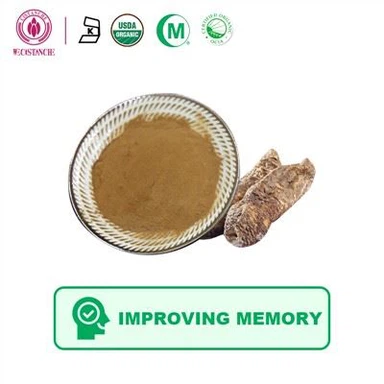
Modern toxicology studies have shown that Cistanche and its extracts are safe and non-toxic to humans [3,28-39,32]. With the development of research technology, part of the research results of the efficacy of Cistanche has been transformed into products. A total of 46 domestic health products using Cistanche as raw materials approved by the State Food and Drug Administration, 22 products for relieving physical fatigue, 22 immunomodulation products, 7 anti-aging products, improving memory, increasing bone density, and improving gastrointestinal One for each channel function product [3]. The functional ingredients of fatigue relief products and immunomodulatory products are mainly crude polysaccharides, echinacoside, verbascosides, and total flavonoids, while the functional ingredients of anti-aging products are crude polysaccharides. The products are mostly health wine, capsules, health tea, oral liquid, decoction pieces, and so on.
Haloxylon ammodendron is a pioneer plant in desert areas, and Cistanche is a parasitic growth on the air roots of Haloxylon ammodendron. Realizing the industrialization of Cistanche and the comprehensive management of deserts has important significance and broad application prospects for the coordinated development of economic, ecological, and social benefits [33].
At present, the research foundation of the efficacy of various biologically active substances in Cistanche is still relatively weak. In particular, the basic research and product development of Cistanche for improving memory and improving the functions of the intestines need to strengthen cooperation between scientific research institutions and enterprises and develop clear ingredients as soon as possible. Health functional foods with a clear dose-effect relationship serve national health.
References
[1] Chinese Pharmacopoeia [S]. 2010: 126.
[2] Yu Lianyun. The pharmacological effects and clinical application of Cistanche [J]. Inner Mongolia Traditional Chinese Medicine, 2016, 35(4): 87-88.
[3] Peng Fang, Xu Rong, Xu Changqing, et al. The medicinal use of Cistanche and its dietary history textual research [J]. Chinese Pharmaceutical Journal, 2017, 52(5): 377-383.
[4] Zhang Xiaodong. "Shen Nong's Materia Medica" Medicine Notes [J]. Journal of Shandong University of Traditional Chinese Medicine, 2011(4): 306-308.
[5] Jiang Yong, Bao Zhong, Tu Pengfei, et al. Research on the processing technology of Cistanche slices
[J]. Chinese Pharmaceutical Journal, 2011, 46(14): 1074-1076.
[6] Wang Liwei, Cao Rui, Fang Yongyu, et al. Determination of active ingredients in Cistanche by ultra-performance liquid chromatography-tandem triple quadrupole mass spectrometry [J]. Chinese Materia Medica, 2017, 40(2): 295-300.
[7]Dong Y, Guo Q, Liu J, et al. Simultaneous determination of seven phenylethanoid glycosides in Cistanches Herba by a single marker using a new calculation of relative correction factor [J]. J Separ Sci, 2018, 41(9) . Doi: 10.1002/jssc.201701219.
[8] Tan Wenting, Su Meifeng, Luo Xiaomei, et al. Qualitative analysis of desert meat from different producing areas Phenylethanol glycosides and polysaccharides of Bossica cistanche [J]. Journal of Liaoning University of Traditional Chinese Medicine, 2018, 20(7): 77-
[9]Ying Z, Han X, Li J. Ultrasound-assisted extraction of polysaccharides from mulberry leaves [J]. Food Chem, 2011, 127(3): 1273-1279.
[10]Liu Y, Wang H, Yang M, et al. Cistanche deserticola, polysaccharides protect PC12 cells against OGD/RP- induced injury [J]. Biomed Pharmacother, 2018, 99: 671-680.
[11]Wang YH, Xuan ZH, Tian S, et al. Echinacoside protects against 6-hydroxydopamine induced mitochondrial dysfunction and inflammatory responses in PC12 Cells via reducing ROS production [J]. Evid-Bas Comp Alter Med, 2015, 2015(4 ): 189239. Doi: 10.1155/ 2015/189239.
[12] Wu Yan, Zhang Hong, Bu Ren, et al. Study on the protective effect of Cistanche deserticola polysaccharide on the acute aging model induced by D-galactose [J]. Chinese Pharmacological Bulletin, 2017, 33(7): 927-933.
[13] Fan Yanan, Huang Yuqiu, Jia Tianzhu, et al. Effects of Cistanche on the anti-aging and immune function of aging model rats before and after processing [J]. Chinese Journal of Traditional Chinese Medicine, 2017, 35(11): 2882-2885.
[14]Huang Y, Deng X, Liang J. Modulation of hepatic stellate cells and reversibility of hepatic fibrosis [J]. Exp Cell Res, 2017, 352(2): 420-426.
[15] You Shuping, Zhao Jun, Ma Long, et al. The effect of Cistanche phenethyl alcohol glycosides on platelets
Effect and mechanism of hepatic stellate cell proliferation induced by derived growth factor
[J]. Chinese Pharmacological Bulletin, 2016, 32(9): 1231-1235.
[16] Ma Xiaoting, Zhang Shilei, You Shuping, et al. The effect of Cistanche cistanche phenethyl alcohol glycoside liposomes on the apoptosis of rat T6 hepatic stellate cells and its mechanism[J]. Chinese Pharmacological Bulletin, 2018, 34( 10): 1450-1455.
[17]Luo Huiying, Huang Yahong, Zhu Lijuan. Effects of Cistanche Glycosides on Liver Energy Metabolism in Mice Injured by Carbon Tetrachloride [J]. Journal of Gansu College of Traditional Chinese Medicine, 2014, 31(4): 4-6.
[18]Wang Yanfang, Zhao Jijun, Li Minhui, et al. Protective effect of Cistanche deserticola polysaccharide on acute liver injury induced by carbon tetrachloride in mice [J]. Journal of Baotou Medical College, 2014, 30(6): 3-5.
[19] Wang Xiaoxin, Luo Tingting. Effects of Cistanche on anti-fatigue and memory in mice
[J]. Inner Mongolia Traditional Chinese Medicine, 2014, 33(22): 102-103.
[20] Yan Lei, Hu Jiangping, Sun Xiaodong, et al. Anti-fatigue effect and mechanism of Cistanche deserticola polysaccharide on D-galactose-induced aging mice [J]. Hebei Traditional Chinese Medicine, 2019,
[21] Gao Zhanyou, Zhou Haitao, Lin Qiang. The effect of Cistanche on resistance to exercise fatigue and brain free radicals in rats [J]. Anhui Agricultural Sciences, 2011, 39(16): 9592-9593, 9595.
[22] Luode Mei, Long Mei, Du Wenjing, et al. The mechanism of Xinjiang Cistanche extract on M-KOOPG mice against osteoporosis[J]. Chinese Journal of Experimental Formulas, 2016, 22(10): 138-142.
[23]Song D, Cao Z, Liu Z, et al. Cistanche deserticola polysaccharide attenuates osteoclastogenesis and bone resorption via inhibiting RANKL signaling and reactive oxygen species production [J]. J Cell Physiol, 2018, 233 (12). Doi: 10.1002 /jcp.26882.
[24]Wang Liwei, Sun Jian, Zhao Bing, et al. Cistanche dietary fiber moisturizing bowel and laxative function Energy Research [J]. Journal of Food Safety and Quality Inspection, 2016, 7(9): 3740-
[25] Fan Yanan, Huang Yuqiu, Jia Tianzhu, et al. Laxative effects of Cistanche on constipated rats before and after processing [J]. Chinese Patent Medicine, 2016, 38(12): 2684-2687.
[26]Gao Yunjia, Jiang Yong, Dai Fang, et al. Study on the effective substances of Cistanche for laxative bowel movement [J]. Modern Chinese Materia Medica, 2015, 17(4): 307-310, 314.
[27]Yan S, Yue Y, Wang X, et al. Aqueous extracts of Herba Cistanche promoted intestinal motility in loperamide-induced constipation rats by ameliorating the interstitial
cells of Cajal [J]. Evid-Bas Compl Altern Med, 2017(1): 1-13. Doi: 10.1155/2017/6236904.
[28]Liao PL, Li CH, Tse LS, et al. Safety assessment of the Cistanche tubulosa health food product Memoregain®: genotoxicity and 28-day repeated dose toxicity test [J]. Food Chem Toxicol Inte J, 2018. doi: 10.1016/j. fct.2018.06.012.
[29]Zhao Bing, Yang Xiumei, Wu Daocheng, et al. Comparison of the immuno-enhancing activity of crude polysaccharides from wild and cultivated desert Cistanche deserticola in Xinjiang [J]. Chinese Journal of Microbiology and Immunology, 2018, 38(1): 7-13.
[30]Zeng Kewu, Liao Lixi, Wan Yanjun, et al. Identification and efficacy analysis of the pharmacological targets of Cistanche phenoxyethanol glycosides based on the target "hook fishing" strategy [J]. Chinese Traditional and Herbal Medicine, 2018, 49(1): 173-178.
[31]Wang L L, Ding H, Yu H S, et al. Cistanches Herba: Chemical constituents and pharmacological effects [J]. Chin Herb Med, 2015, 7(2): 135-142.
[32]Gao Y, Qin G, Wen P, et al. Safety assessment of powdered Cistanche deserticola YC Ma by a 90-day feeding test in Sprague-Dawley rats [J]. Drug Chem Toxicol, 2016, 40(4): 1-7.
[33] Zhou Yong, Zhou Pengpeng, Wu Weiwei, et al. Bioactivity and food of Cistanche
The application prospects in [J]. Diet and Health Care, 2016, 3(16): 217-218.