Research Progress On Medicinal Plants Of Cistanche
Mar 08, 2022
For more information:Ali.ma@wecistanche.com
YANG Kai, YANG Qiao-He, YANG Shu-qing, et al.
(Department of Pharmacy, Inner Mongolia Medical College, Hohhot 010059 China)
Abstract: The current research progress on Herba Cistanche, an endangered medicinal species in China, was reviewed in this paper including its chemical composition, medicinal activity, and artificial cultivation.
Key words: Herba Cistanche; chemical composition; medicinal activity; artificial cultivation
Chinese Library Classification Number: R282 Document Identification Code: A Article Number: 1004-2113 (2011) 05-0434-04
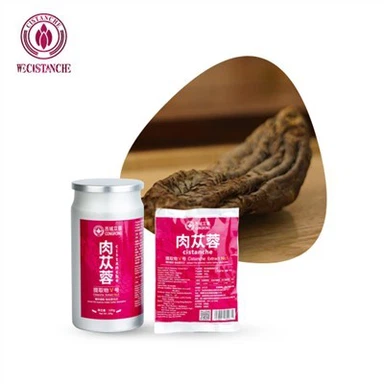
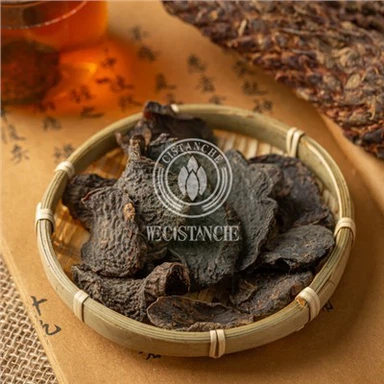
Cistanche (Herba Cistanche) is a dry fleshy stem with scales of Cistanche deserticola YC Ma, a plant of Oroban-chaceae. It is a rare and precious Chinese medicinal material in my country. It has many functions such as invigorating kidney yang, improving immunity, anti-aging, etc. Function. This article reviews the research progress of Cistanche's resource distribution, chemical composition, pharmacological effects, artificial cultivation, etc., aiming to provide a reference for the further development and utilization of Cistanche.

1 Resource distribution
Cistanche is mainly distributed in warm and dry regions of Europe and Asia, and there are about 20 species. In our country, the deserts of Inner Mongolia, Xinjiang, Ningxia and Qinghai are mainly produced in the desert. Four species and one variety of Cistanche deserticola have been collected and identified: Cistanche deserticola Y. C. Ma, Cistanche deserticola Y. C. Ma, and Cistanche deserticola.
(Cistanche salsa Cc. A. Mey> G. Beck), Cistanche tubulosa Csihenk> R. Wight, Sand hernia (Cistanche sinensis G. Beck) 4 species and 1 variety of white flower salt ring paste (Cistanche salsa var. albiflora PF Tu et ZC Lou). Among them, the desert cistanche is only distributed in the arid areas of northwest my country, with Inner Mongolia and Xinjiang as the main producing areas. The distribution area of Cistanche is small, it is only distributed naturally in the surrounding counties in southern Xinjiang, and its distribution is not synchronized with that of its host Salix, which may have obvious authenticity. Cistanche salsa parasitizes on the roots of plants of the genus Salina, Hongsha, Zhenzhucha, etc. It is mainly produced in Inner Mongolia, Shaanxi, Ningxia, and Xinjiang. It is suitable for growth in saline-alkali land, sandy land, Gobi and desert environments. Cistanche tubulosa is the main source plant of Cistanche deserticola, followed by desert Cistanche deserticola and Cistanche salina. White flower Cistanche deserticola is difficult to see due to its low distribution and low yield.
In recent years, due to a large amount of mining, the wild resources of meat hernia paste have been severely damaged, and the medicinal resources have been declining. In order to meet the needs of the market, Northwest my country and other provinces have combined ecological construction and saline-alkali land conversion to artificially plant Cistanche.
2 Chemical constituents of Cistanche and its host plant
2.1 The chemical constituents of Cistanche
2.1.1 Phenethoxylates Phenethoxylates are the main components in Cistanche, which have the functions of anti-oxidation, memory enhancement, and aphrodisiac. So far, 22 phenethoxylates have been isolated and identified, including 1 monosaccharide, 14 disaccharides, and 7 trisaccharides (1). Among them, 12 phenethoxylates were isolated from desert fleshy glutinous rice paste, and 16 phenethoxylates were isolated from stubble flesh hernia paste (2). Wang Changlin and others (3) used high-performance liquid chromatography to determine the phenethyl oxime components in Cistanche and investigated the difference between the active components of wild cistanche and cultivated cistanche. Lei Li et al. (1) Obtained 7 phenethoxylates from wild Cistanche. Liu Yougang et al. (1) established a Fourier Transform Infrared Spectroscopy method for the determination of the content of phenethoxylates in the raw medicinal materials and alcohol extracts of Cistanche deserticola.
2.1.2 Cycloenopsis Cycloenopsis compounds are widely found in the plant kingdom and possess a variety of physiological activities such as antibacterial, antiviral, antioxidant, and sedative. At present, 2 cycloalkenes and 10 cycloalkenes have been isolated from Cistanche plants (1). Cycloenopsis in Cistanche has the following characteristics: 1 position is connected with glucose; 5 and 9 positions are § -H; some of the 4 positions have prismatic groups; 6, 7, 8, or 10 positions often contain hydroxyl groups or are missing The hydroxyl group forms a double bond or an epoxy bond; 8-minocycline is the main component of Cistanche. Yang Jianhua et al. (5) established an HPLC method for the determination of 8-episodic acid content in Cistanche. Tu Pengfei et al. obtained 4 cycloalkenes from Cistanche, namely: adoxosidic acid (CT-15), 8-Epicyclineic acid (CT-16), genipinic acid (CT-17) and mussaenosid-ic acid (CT-18). Yang Jianhua et al. (7) studied the chemical components of artificially cultivated Cistanche and isolated two cycloolefin compounds, both of which were isolated from this plant for the first time.
2.1.3 Lignans At present, 1 lignan, and 5 lignans have been isolated from Cistanche deserticola, 2 of which are neolignans ⑴, Song Zhihong et al. ⑻ obtained from Cistanche 1 lignan and 4 lignans.
2.1.4 Other types of Cistanche plants also contain ingredients such as single mushrooms, alkaloids, polysaccharides, volatile oil, amino acids, and trace elements. Gong Lidong et al(9) successfully established the determination of betaine content in Cistanche using the high-performance liquid chromatography-evaporative light scattering method. Hui Ruihua et al. used GC-MS to separate and confirm 24 chemical components in Cistanche volatile oil, including eugenol, benzaldehyde, and caryophyllene. Li Yuxia et al. found that Xinjiang Cistanche contains valine, lysine, methionine, There are 17 kinds of amino acids including arginine, of which 7 are essential amino acids. Cistanche contains a variety of essential trace elements. Huang Yong and others used ICP-AES to analyze the content of five trace elements, Fe, Mn, Cu, Zn, and Mg in different parts and grades of Cistanche. The results showed that Cistanche is rich in trace elements. The content of trace elements in different parts and grades of striata: puree differs greatly.
2.2 The chemical composition of the host plant
The genus Cistanche is a parasitic medicinal plant for many years, and the host plant has an important influence on the growth of the genus Cistanche. Therefore, the study of the chemical composition of the host plant provides a scientific basis for the further development and utilization of Cistanche. The host plant of Cistanche is Haloxylon, and further studies have found that Cistanche seeds can only germinate to form tubular bulges under the induction of the root of the host Haloxylon, while the germination identification substances released by the host plant are mostly sesquisite substances and hydrogen brewing substances. Composition. The host of Rhizoma vulgaris is a plant of the genus Guaisu. In my country, the genus Guaisu is mainly distributed in Northwest and North China, especially in Xinjiang. Zhang Yuan et al.a] It was discovered that the main chemical components of the genus Salix are flavonoids, glutinous ingredients, and other polyphenols, as well as tripartite, phenylpropionic acid, organic acids, coumarin, lignan, fatty alkane, carrot smoothie, etc.

Cistanche
3 pharmacological effects
3.1 Immunity
Cistanche is a precious Chinese medicine that can excite the pituitary gland and adrenal cortex or has a hormone-like effect on the adrenal cortex and can regulate the immune function of the body. Shang Xiaoying et al. [⑷Research found that Cistanche has a strong protective effect on the immune function of radiation-damaged mice. Li Yuan et al. "⑸The study showed that the extract of Cistanche Echinacoside can improve the immune function of mice, and Shen Jinghua et al.'⑹The study found that the polysaccharides in Cistanche can enhance the proliferation of T lymphocytes and the production of IL-1 by macrophages. Release IL-2, activate the expression of NK cells and T cell surface markers CD3, CD4, CD8, and have a significant regulatory effect on the cellular immune function of mice.
3.2 Androgen-like effects
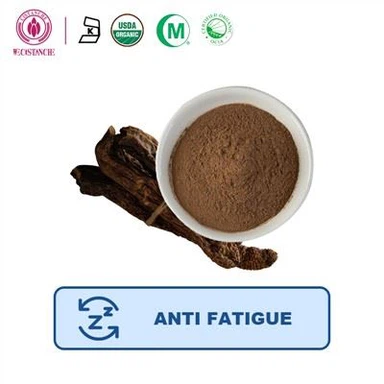
Cistanche has obvious effects of nourishing the kidney and strengthening yang and has a significant recovery effect on the weight, body temperature, cold tolerance, and physical strength of mice in the yang deficiency group. Gong Mengjuan et al. "The use of hydrocortisone with a knife to create a yang-deficiency model in mice, and found that Cistanche Decoction can improve the anti-fatigue ability of mice with yang-deficiency. Cistanche ethanol extract also has a certain protective effect on kidney function, Pan Yurong et al." It has been found that while animals use corticosteroids for a long time, the addition of Cistanche alcohol extract can prevent the adrenal cortex atrophy caused by the single use of hormones, and play a certain protective effect on renal function.
3.3 Anti-aging and anti-oxidant effects
Aging is closely related to the lipid peroxidation, structural damage and functional inactivation of biological membranes caused by free radicals. Under normal circumstances, superoxide is mainly eliminated by SOD. As age increases, the SOD activity of the aging body decreases, antioxidants decrease, and free radical damage factors (OFR-MDA) increase, leading to body aging. Cistanche extract improves the activity of the body's free radical scavenging enzyme SOD, thereby reducing the damage of free radicals to the body and delaying aging. Xuan Guodong et al.] found that Cistanche fenethoxib has a better anti-aging effect on D-galactose-induced aging model mice.
Reactive oxygen free radicals are generated by the reaction of oxygen molecules in the metabolic process of the body. If the amount of free radicals generated exceeds the regulation range of the body's antioxidant system, a large number of free radicals in the body will accumulate, which will cause lipid peroxidation in tissue cell membranes and cause lipids. Oxidative damage to biological macromolecules such as substances, enzymes, proteins, and nucleic acids. Studies have shown that Cistanche has an antioxidant effect on mouse tissues, and has a certain protective effect on acute cerebral hypoxia in mice and myocardial damage in mice, which is related to its protective effect on SOD and lipid antioxidant effect. Wu Bo et al. used D-galactose to create a subacute aging model in mice, and found that the total cistanche can enhance the SOD activity in the brain, serum and liver of aging mice, and reduce the lipid peroxide content in the above-mentioned tissues.
3.4 Other functions
The meat ring paste has an obvious laxative effect, can improve bowel movement, inhibit the water absorption of the large intestine, and shorten the defecation time ⑵}. Yin Gang et al. (3) study found that Cistanche has the effect of restoring septic shock, and it has a good protective effect on acute lung injury in septic shock rats. Cistanche: Root also has a neuroprotective effect. Qi Xiaolan et al. (2) found that Cistanche can up-regulate the expression level of nicotinic acetylcholine receptor subunit protein, and can resist the neurotoxic effects of A [325 -35, which may be used in the treatment of AD Play a role. In addition, cistanche compounds can also improve learning and memory. Luo Lan et al. [Blade research found that Cistanche has a protective effect on A1C13-induced learning and memory impairment in mice.

Cistanche
4 Artificial cultivation
Cistanche has shown many efficacies in medical and health care, and the market demand potential is huge, and excessive mining has caused the wild resources of Cistanche to be on the verge of exhaustion. The state explicitly prohibits the mining of wild Cistanche, encourages artificial planting to solve the shortage of resources, and establishes the cultivation base of Cistanche and its host plants. Therefore, artificial planting and wild tending are the fundamental directions for protecting Cistanche resources and achieving sustainable utilization. E]. On the other hand, Organizational cultivation brings hope to the large-scale production of Cistanche and its metabolites.
4.1 Artificial planting
Cistanche is a typical desert plant, and its growth requires special geographical and ecological environmental conditions. At present, the artificial planting and cultivation bases of Cistanche are mainly distributed in the arid areas of northwest my country, with Inner Mongolia and Xinjiang as the main producing areas. Through artificial large-scale planting of Haloxylon ammodendron, Tamarix, and other hosts, and then inoculation, stable yield can be obtained. It is of great significance to the resource development of Cistanche. However, the basic research on artificial planting is still weak, and there are still problems such as immature seed artificial treatment and germination technology, large environmental impact, and unstable quality.
4.2 Organizational cultivation
Cistanche Organizational cultivation is another important way to expand the biomedicine source of Cistanche. It has the advantages of not being restricted by time and place, controllable conditions, and easy to realize large-scale production. Artificial seedlings mainly use Organizational cultivation to make seeds germinate under in vitro conditions and then use hormones to induce callus germination. This method can improve the germination rate of seeds and the survival ability of artificial cultivation. At present, callus has been induced from various tissues and organs such as stems, sprouts, scales, petals, ovary, stamens and seeds of Cistanche. The study on its induction conditions and subculture conditions found that temperature, culture Base, hormone ratio, pH value, light, inducer, etc. all affect the culture of callus. Song Yuxia et al. studied the effect of culture medium, auxin, hormone ratio, and culture temperature on the growth of Cistanche callus, and the results showed that the agar concentration was 0.55%, PH5. 8, temperature 25 dragon culture conditions, The callus grows well.
PhGs (phenylethanoid glyco sides, PhGs) are secondary metabolites of Cistanche deserticola, as well as its main medicinal ingredients. There are many kinds of PhGs in Cistanche, including echinacea, lysergic, sea urchin, cis-lysergic, isolysergic, acetyl ergot, cistanche, and so on. At present, most researches on the Organizational cultivation of Cistanche are focused on increasing the yield of PhGs. Lv Jianjun et al. found that the combined effect of precursor feeding and fungal elicitor can significantly increase the content of total phenethyl alcohol in the Cistanche deserticola cell suspension culture system. Guo Zhigang and others "made Cistanche Organizational cultivation technology to produce the active ingredients of phenethyl alcohol, which transforms the natural production of cistanche into industrial production, and can greatly increase the content of its active ingredients through metabolic control and other means.

References
[1] Lei Li, Song Zhihong, Tu Pengfei. Progress in the study of chemical constituents of Cistanche plants[J]. Chinese Herbal Medicine, 2003; 34(5): 473 -476
[2]Song Hailong, Jia Xiaoguang, Xie Haihui. Progress in the research on the chemical constituents of Cistanche Tubula[J]. Xinjiang Traditional Chinese Medicine, 2010; 28(1): 76-78
[3] Wang Changlin, Tu Pengfei, Guo Yuhai. Chemical composition analysis of artificially cultivated Cistanche cistanche [J]. Chinese Herbal Medicine, 2004; 35(6): 676 -678
[4] Liu Yougang, Wang Wei, Xu Rong, et al. Study on Fourier Transform Infrared Spectroscopy of Cistanche and its Ethanol Extract[J]. Chinese Journal of Hospital Pharmacy, 2010; 30(15): 1257 -1260
[5] Yang Jianhua, Du Niansheng, Rena Kasmu. HPLC determination of the content of 8-episocycline in Cistanche deserticola [J]. Journal of Pharmaceutical Analysis, 2006; 26 (10): 1395 -1397
[6]Tu Pengfei, Guo Hongzhu, Guo Dean. Research on active ingredients of traditional Chinese medicine and natural medicines and discovery of new medicines [J]. Journal of Peking University, 2002; 34(5): 513 -518
[7] Yang Jianhua, Hu Junping, Rena Kasmu, et al. Study on the components of artificial cultivation of Cistanche cistanche cistanche and Jiangxi [J]. Shizhen Traditional Chinese Medicine and Materia Medica, 2009; 20(3): 522 -523
[8] Song Zhihong, Mo Shaohong, Chen Yan, et al. Study on the chemical constituents of Cistanche Tubula [J]. Chinese Journal of Chinese Materia Medica, 2000, 25(12): 728 -730
[9] Gong Lidong, Cao Yuhua, Hou Jianxia. Determination of betaine in Cistanche cistanche by high-performance liquid chromatography with evaporative light scattering detection[J]. Chromatography, 2007; 25(2): 280 -281
[10] Hui Ruihua, Hou Dongyan, Li Tiechun, et al. Analysis of the volatile chemical components of Cistanche cistanche [J]. Chinese Journal of Analytical Chemistry, 2003; 31(5): 601 -603
[11] Li Yuxia, Ru Yang. Determination of amino acid content and nutritional evaluation of Cistanche[J]. Anhui Agricultural Sciences, 2007; 35(17): 5054 -5056
[12] Huang Yong, Luo Xiang, Zhao Dongping, et al. Analysis of trace element content in the total parasitic medicinal plant Cistanche deserticola [J]. Spectroscopy and Spectral Analysis, 2010; 30(2): 551 -553
[13] Zhang Yuan, Tu Pengfei. Research progress on medicinal plants of the genus Salix[J]. Chinese Herbal Medicine, 2008; 39(6): 947-951
[14] Zhang Xiaoying, Wang Xiaowen, Wang Xuefei, et al. The protective effect of Cistanche cistanche on the immune function of mice injured by ®Coy rays [JL Chinese Herbal Medicine, 2001; 32 (2): 139 -142
[15] Li Yuan, Song Yuanyuan, Zhang Hongquan. Effect of Echinacea on immune function and relative content of mitochondrial DNA in aging mice[J]. Chinese Journal of Pharmacology, 2010; 26(6): 810-813
[16]Shen Jinghua, Yang Limin, Lv Bingshen, et al. Effects of five Chinese herbal extracts on the cellular immunity of normal mice[J]. Chinese Journal of Experimental Formulas, 2006; 12(2): 57 -59
[17] Gong Mengjuan, Liu Xinmin, Wang Liwei. Study on the anti-fatigue effect of Cistanche on mice with yang deficiency [J]. Herald of Traditional Chinese Medicine, 2007; 13(11): 8-10
[18] Pan Yurong, Min Fanyin. Effect of Cistanche Ethanol Extracts on Kidney and Adrenal Gland in Yang Deficiency Animal Model[J]. Journal of Practical Traditional Chinese Medicine, 2004; 20(7): 357
[19] Xuan Guodong, Liu Chunquan. Study on the anti-aging effect of Cistanche phenethyloxib on D-galactose-induced aging model mice [J]. Chinese Medicinal Materials, 2008; 31 (9) =1385 -1388
[20]Wu Bo, Fu Yumei. Anti-lipid peroxidation effect of Cistanche cistanche on subacutely aging mice[J]. Chinese Pharmacological Bulletin, 2005; 21 (5): 639
[21]Wu Bo, Gu Shaoju, Fu Yumei, et al. Studies on the pharmacological effects of Cistanche and Cistanche cistanche on defecation and invigorating kidney and yang [J]. Journal of Traditional Chinese Medicine, 2003; 21(4): 539 -548
[22] Yin Gang, Wang Guilin. Effects of Cistanche on energy metabolism of liver mitochondria in septicemia rats[J]. Lishizhen Medicine and Materia Medica, 2007; 18(11): 2742-2743
[23] Qi Xiaolan, Gu Ran, Hao Xiaoyan, et al. Study on the toxic effect of Cistanche on anti-amyloid peptide neurocytes[J]. Chinese Journal of Hospital Pharmacy, 2008; 28(6): 440-442
[24] Luo Lan, Wang Xiaowen, Liu Fengxia, et al. Protective effect of Cistanche cistanche on learning and memory impairment in mice induced by aluminum trichloride[J]. Chinese Journal of New Drugs and Clinics, 2007; 26(1): 33 -36
[25] Xu Rong, Chen Jun, Chen Shilin, et al. AFLP analysis of the diversity of Cistanche cistanche germplasm resources[J]. Chinese Herbal Medicine, 2007; 38(11): 1703 -1707
[26] Song Yuxia, Guo Shenghu, Zhang Luyan, et al. Study on the callus culture of Cistanche deserticola and the number of active ingredients contained in it [J]. Chinese Herbal Medicine, 2006, 34(8): 1237 -1241
[27] Lu Jianjun, Hu Gaosheng, Li Jingkui, et al. Effects of precursor feeding and fungal elicitor on the secondary metabolites of Cistanche suspension culture cells [J]. Chinese Medicinal Materials, 2009; 32(2): 171 -173
[28]Guo Zhigang, Yu Jinmei, Liu Ruizhi, et al. Study on callus culture of Cistanche salsa and synthesis of phenethyloxine compounds[J]. Chinese Herbal Medicine, 2004; 35(2): 204-207