Research Progress On The Use Of Traditional Chinese Medicine To Warm And Nourish Kidney Yang To Promote Testosterone Secretion From Leydig Cells*
May 21, 2024
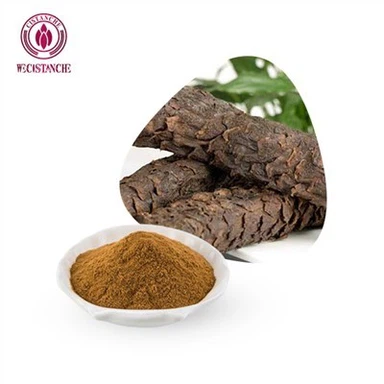
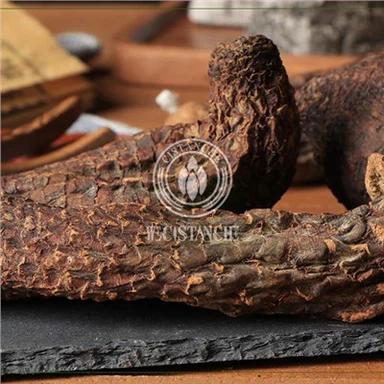
Abstract: The synthesis of testosterone is related to male reproductive function and aging. Testicular interstitial cells are the main site for the synthesis and secretion of testosterone. A variety of enzymes and transcription factors are involved in the testosterone synthesis process. Traditional Chinese medicines that warm and tonify kidney yang and their main active ingredients, including epimedium, dodder, and cistanche deserticola, have been proven to regulate reproductive endocrine levels, improve oxidative stress, inhibit inflammation, regulate the expression of mRNA and protein of testosterone synthesis-related enzymes, and affect testosterone synthesis and secretion. Based on the literature, this paper reviews the main factors affecting the synthesis and secretion of testosterone in Leydig cells, as well as the research on the regulation of testosterone synthesis and secretion by traditional Chinese medicine that warms and nourishes kidney yang.
Keywords: Leydig cells; testosterone; androgens; Epimedium; warming and nourishing kidney yang

CISTANCHE SUPPLEMENT FOR PROSTATE HEALTH
Testosterone is an important androgen in the body. Research shows that 95% of the human body's testosterone is synthesized and secreted by testicular Leydig cells (LC). Organs such as the adrenal glands, kidneys, and ovaries also secrete small amounts of testosterone. Testosterone can affect target organs through androgen receptors. Androgen receptors are widely distributed in corresponding tissue cells of the reproductive system, nervous system, and circulatory system. Therefore, serum testosterone levels are important for maintaining normal physiological activities of various organs, tissues, and organs and the human spirit. The activity is of great significance [1]. Abnormal testosterone synthesis and secretion can cause hypogonadism, increase the risk of type 2 diabetes and cardiovascular disease, and are significantly related to obesity and metabolic syndrome.
Significantly linked, it can also induce osteoporosis, depression and polycystic ovary syndrome. Therefore, maintaining physiological levels of testosterone is of great significance.
LC shows a typical curve during development from fetus to adult. Fetal Leydig cells (FLC) can produce high levels of androgens necessary for differentiation of male characteristics during the fetal period. Postpartum testosterone decreases with the number of FLCs. It reaches its lowest point in the early postpartum period. With the development of LC, testosterone gradually increases to high levels from adolescence until old age [2]. The differentiation cycle of LC and the changes in testosterone synthesis and secretion, that is, the cyclic changes in male development and aging, may be related to the "Tiangui" mentioned in "Ancient Innocence". Middle-aged and elderly people often suffer from kidney deficiency syndrome due to "Tianguijie". Kidney essence deficiency is more prominent in disease states. Traditional Chinese medicine for warming and tonifying kidney yang is an effective natural drug for improving kidney yang deficiency syndrome. This article focuses on the review of traditional Chinese medicine that warms and nourishes kidney yang and promotes testosterone production in Leydig cells.

1 The synthesis process of testosterone and the regulatory factors of its secretion
1. 1 Biochemical process of testosterone synthesis
The raw material for the synthesis of testosterone is cholesterol. In the steroidogenic acute regulatory protein (steroidogenic
Under the regulation of acute regulatory (StARR), it enters the inner mitochondrial membrane through the outer mitochondrial membrane. The StarD family protein involved in co-transport has a role similar to that of a motor protein. After cholesterol is transported to the inner mitochondrial membrane, the cholesterol side chain cleavage enzyme P450scc encoded by cytochrome P450 family 11A1 (cytochrome P450 family 11 subfamily A member 1, CYP11A1) cleaves the cholesterol side chain into pregnenolone (pregnenolone, PREG), converted into testosterone via the Δ5 or Δ4 pathway. The Δ5 pathway is also called the classic pathway, that is, PREG is converted into 17α-hydroxypregnenolone (17OH-PREG), then into dehydroepiandrosterone (DHEA), and then into androstenedione (androstenedione). ), and finally converted into testosterone catalyzed by 3β-hydroxysteroid dehydrogenase (3β-HSD). The Δ4 pathway, that is, PREG is converted into progesterone through catalysis by 3βHSD in mitochondria and endoplasmic reticulum. Progesterone is catalyzed by cytochrome P450 steroid 17-α-monooxygenase in the endoplasmic reticulum. P450c17α hydroxylase encoded by α-monooxygenase (CYP17A1) is converted into 17α-hydroxyprogesterone (17-α-hydroxyprogesterone), then into androstenedione and finally into testosterone [2-5].

Enzymes play an important role in the synthesis of testosterone. Cytochrome P450 (CYP450) and hydroxysteroid ehydrogenase (HSD) are essential enzymes for the synthesis of all steroids. CYP450 is an important catalyst in the metabolism of steroids. CYP11A1 encodes P450scc, which is the rate-limiting enzyme for steroid synthesis. CYP17A1 encodes P450c17 enzyme, which exhibits both 17α hydroxylase activity and 17,20 lyase activity. In addition, the P450 oxidoreductase (cytochrome P450 ox idoreductase, POR) auxiliary protein is also involved in each step of CYP17A1 catalysis, and cytochrome b5 (cytochrome b5, CYB5A) participates in the CYP17A1 action process as a redox donor [6], enhancing
its reaction rate. In addition, ferredoxin 1 (FDX1) and ferredoxin reductase (FDXR) can promote the cytochrome P450 reaction [7]. 17β-Hydroxysteroid dehydro genases (17β-HSDs) are a type of oxidoreductase, in which 17β-
HSD2, 17β-HSD3, 17β-HSD4, AKR1C3, etc. can play a key role in androgenic steroid metabolism by catalyzing the final step of steroid biosynthesis [8]. Cytoplasmic sulfotrans ferase 2A1 (SULT2A1) can sulfate DHEA and transport it into the circulation. Due to the lack of SULT2A1 in the testis, testosterone synthesis in the testis is converted from DHEA to testosterone through the Δ5 pathway. Testosterone is converted into dihydrotestosterone through the action of 5α-reductase (SRD5A), which can produce stronger effects [9].
Some transcription factors can regulate steroid synthesis, including steroidogenic factors ( steroi dogenic factor-1 (SF-1), Nur77-like receptor, peroxisome proliferator-activated receptor gamma, aryl hydrocarbon receptor, cyclic adenosine monophosphate (cAMP) response element binding protein, and GATA factor. In addition, nuclear factor kappa-B (NF-κB), arachidonic acid, phosphatase, transforming growth factor α, etc. can all affect the synthesis of testosterone [10].

1. 2 Factors that regulate testosterone synthesis and secretion
The secretion of testosterone by LC is regulated by the hypothalamus-adenopituitary gland. The hypothalamus secretes gonadotrophin-releasing hormone (GnRH), which regulates the follicle-stimulating hormone (FSH) and luteinizing hormone of the adenohypophysis. (Luteinizing Hormone, LH). FSH acts on Sertoli cells to secrete androgen-binding protein, and LH acts on LC to regulate androgen synthesis. And binds to the receptor on the surface membrane of LC cells, and then couples with G protein to activate adenylyl cyclase. Adenylyl cyclase converts adenosine triphosphate into cAMP, thereby activating cAMP-dependent protein kinase A (PKA). PKA promotes the expression of steroid hormone-generating enzymes such as StAR through phosphorylation of specific serine and threonine residues. cAMP and Ca2+ are the second messengers of the LH pathway, and Ca2+ can activate cAMP [5]. In addition, thyroid hormone (T3) has a direct stimulating effect on testosterone production, and hormones and cytokines such as stem cell factor, Mullerian inhibitor, INSL3 and IGF-I also affect testosterone synthesis and secretion [11].