The Reseach Of Drug Laws Based On TCM Treatment To Benign Prostatic Hyperplasia On Data Mining
May 20, 2024
Abstract
Objective
Traditional Chinese medicine is a treasure house, which contains the principle of dialectical treatment of various diseases. This paper analyzes the prescription that uses traditional Chinese medicine to treat prostatic hyperplasia patients through using data mining technology, to summarize the medication regularity of treating benign prostatic hyperplasia and between the three kinds of characteristics that contain damp heat, deficiency of spleen and kidney, gi stagnation and blood stasis syndrome. Summarizing the potential drug delivery law in the treatment of BPH is to have a better understanding of treating BPH by combining with the theory of traditional Chinese medicine and the clinical characteristics of this disease.

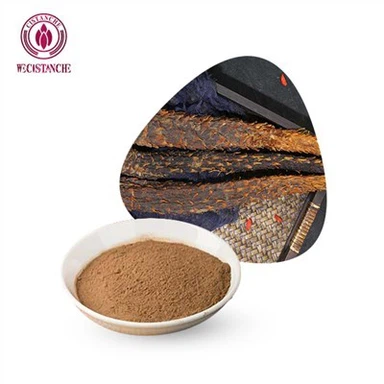
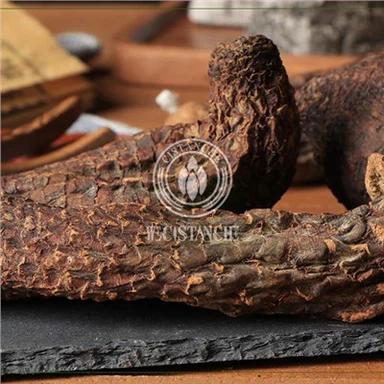
CISTANCHE SUPPLEMENT FOR PROSTATE HEALTH
Method
1. Collect the inclusion criteria of the patients'clinical data from March 2015 to February 2016.
2. Using an Excel worksheet to extract the patient information including age and sex, type of syndrome, and the prescription of traditional Chinese medicine. Building the traditional Chinese medicine database statistics, we input the Chinese medicine's four properties and five tastes, tropism, the efficacy of drug information, and establish the corresponding data module.
5. Data mining technology analyzes prescription drug combinations statistically by using the factor analysis of SPSS Statistics20.0 and SPSsModeler 18 Apriori algorithm function.

Result
l.Frequency analysis results
(1)The inclusion criteria were 169 people and 35 people did not take medicine, including 134 cases of traditional Chinese medicine, taking rate of 79.3%. Patients were male patients and Patients, age is mainly concentrated in 6l years old to 70 years old; the three card type proportions were similar.
(2)205 prescriptions were collected. Three kinds of syndromes of prescription prescription are the highest proportion. The number of three kinds of prescriptions is close, which can prevent the result from biasing the characteristics of one card type when we analyze using traditional Chinese medicine.
(3)A total of 58 herbs are used and the first 10 drugs were achyranthes, cowherb seed, Chinese yam, Cistanche, Cornus officinalis, white atractylodesrhizome, dried orange peel, giant knotweed rhizome, plantain seed, cookeddangshen.
(4)The most of four properties are cold, warm, and mild property in this study overall. amp heat syndrome has the most cold-natured drugs; Qi stagnation and blood stasis type and deficiency of spleen and kidney have the most warm medicine.
(5)The main five flavors contain sweet, bitter, and pungent in the overall medicine, Damp heat has the most sweet, bitter, and pungent; Qi stagnation and blood stasis and spleen and kidney deficiency were similar to damp heat. (6)The study summed up the whole prescription meridian containing liver spleen, kidney, lung, stomach meridian, and bladder meridian viscera; the damp type in the liver, spleen, kidney, lung, stomach, and bladder. Qi stagnation and blood stasis and deficiency of spleen and kidney viscera by the same meridian.

2. Data mining analysis results
(1)The overall factor analysis: Aloes, Radix Paeoniae Alba, Radix pseudostellariae, malvae, Shi Wei, astragalus, Polygonum cuspidatum, peach, san qi; Bletilla powder, cumin, Herba cephalanoploris, Rhizoma Corydal
is a peach kernel, Achyranthes root, plantain seed, Polygonum aviculareVaccaria: Tongcao, radix rehmanniae, Cornus officinalis, astragalus root, tangerine peel, white; cooked, Bixie Shudihuang: Rou Congrong, Rhizoma Drynariae, cinnamon, lotus seed, Chinese yam, coix seed; Alisma. amomum fruit, lotus seed; Achyranthes; Poria cocos; Radix Angelica. (2)Damp heat factor analysis results: Gourd tea, dandelion, Rhizomasparganii, Amomum villosum, Polygonum cuspidatum,wangbuliuxing; HerbaDianthi, Polygonum aviculare, plantain seed, Chinese yam; Rice, Achyranthes; Fennel, yam.
(3)Spleen and kidney deficiency of factor analysis result: Atractylodes, Codonopsis, tangerine peel, Chinese yam; Achyranthes, Wangbuliuxing, Astragalus membranaceus; Radix Rehmanniae Preparata, Astragalus membranaceus, Herba Cistanche; Chinses Angelica, Yam; Cornus officinalis, Herba Cistanche.
(4)Qi stagnation and blood stasis factor analysis results: Achyranthes root, cowherb seed, peach kernel, Radix Paeoniae Alba, Fructus malvae, agarwood, Plantago seed; Malvae, Agilawood, P.lingua, tongcao, Yanhusuo, Peach, dried orange Peel; Plantago seed, Cornus officinalis, Chinese yam, coix seed, lotus seed;tongcao, yam, Cistanche; Angelica, dried tangerine peel; Aloes, Shi Wei, lotus seed, Polygonum cuspidatum; tongcao, dried tangerine peel, poria;tongcao, Radix Pseudostellariae. (5)Association rules analysis results: in this study, the 20 strong association for drug combinations:wangbuliuxing, Achyranthes; YamAchyranthes; Yam, Cistanche; Cistanche, Cornus; Cowherb seed, Chinese yamAchyranthes, etc, One of the 20 strong association drug combination contains10 herbs, including Vaccaria, Achyranthes, Polygonum cuspidatum;yamAtractylodes, Codonopsis, ripe citrus; Cistanche, Cornus; Plantago.Conclusion
Using data mining technology to analyze the characteristics of the combination of dialectical treatment of benign prostatic hyperplasia. Clinical dialectical treatment is limited to the level and experience of clinicians, but there are still some similarities between them. The study found that damp-heat syndrome by eliminating dampness and heat. blood stasis and qi stagnation in Qi and blood, spleen and kidney deficiency syndrome with tonifying spleen and kidney, perioperative three dialectical medication were not forgotten spleen dampness, activating blood circulation and dispersing stasis, prostatic hyperplasia symptoms in urine are not benefit for the main symptoms when to pass the rule of law, The disease medication attention always through blood circulation, but the inevitable blood gas consumption, whether or not with Qi deficiency, Qi blood stasis should be appropriately used, Achyranthes, peach kernel, cowherb seed, Polygonum cuspidatum; Bushen Cistanche, commonly used radix rehmanniae, Cornus; Jianpi Codonopsis, Poria, common yam, coix seed, Radix Pseudostellariae, etc. Through the study of clinical Chinese medicine dialectical, clinical research of traditional Chinese medicine provides new ideas, to explore traditional Chinese medicine compound preparation and study of ancient Chinese medicine.
Keywords: benign prostatic hyperplasia; data mining: Drug combination rule.

3. According to the clinical characteristics, the data were standardized and processed, According to the design scheme, the correspondingdata module was established.
4. Using the Excel worksheet function to calculate the freguency ofthe corresponding categories.