Rising Cancer Risk Among Young Adults: Risk Drivers, Anti‑Cancer Resilience & Botanical Potential Of Cistanche Tubulosa Extract
Aug 21, 2026
Many people hold the misconception that cancer only affects older populations. Young adults often rely on "youth" as a natural shield against malignancy. However, editorials published in The Lancet warn cancer incidence is shifting toward younger age groups, and young populations face notable barriers in cancer prevention and early‑stage screening.
Research published by University College London analysed datasets across 42 countries spanning 2003‑2017. Among 13 tracked cancer types, rising incidence rates for thyroid cancer, breast cancer, colorectal cancer, kidney cancer, endometrial cancer and leukaemia have been observed among young‑to‑middle‑aged adults across multiple nations. Alarmingly, annual cancer incidence growth rates for young adults have outpaced elderly populations in nearly 70% of surveyed regions. Meanwhile, existing healthcare systems are poorly adapted for early‑young‑adult cancer detection, frequently resulting in delayed diagnosis.
A JAMA journal paper back in 2023 also highlighted climbing cancer rates among people under 50 years old, with an average annual increase of 0.28%. The fastest‑growing subgroup lies within ages 30‑39. Breast cancer ranks as the most common cancer for middle‑aged and young adults, while gastrointestinal malignancies including colorectal cancer, gastric cancer and pancreatic cancer show the sharpest upward trends.
Lang Jinyi, chief expert at Sichuan Cancer Hospital, emphasises that modern young adults need to improve their anti‑cancer resilience. Anti‑cancer resilience refers to comprehensive bodily defence capacity covering physical‑mental wellbeing, daily behavioural patterns and health literacy.

Why are more young adults developing cancer?
Overall anti‑cancer resilience is declining among contemporary young people for three major reasons.
Poor health awareness: Young generations tend to take youth for granted with strong wishful‑thinking bias, underestimating personal cancer risk.
Insufficient screening compliance: Seldom complete targeted cancer screening; ignore abnormal bodily warning signals.
Unbalanced lifestyles: Persistent physical overdraw and inadequate self‑health management.
Lin Gen, director of the Oncology Centre at Beijing Chest Hospital, Capital Medical University, notes that cancers diagnosed in youth often exhibit higher aggressiveness and faster progression. Even with relatively robust baseline immunity in younger bodies, tumour cells can proliferate rapidly, elevating both treatment difficulty and recurrence risk. Once cancer strikes working‑age adults, it imposes heavy physical harm alongside substantial financial and social burdens for families and communities.
You Changxuan, chief physician in oncology at Nanfang Hospital, Southern Medical University, points out that unhealthy daily behaviours strongly drive elevated cancer risk in young populations:
High‑sugar,‑salt,‑fat dietary patterns: Take‑out food, fast‑food, spicy hot‑pot and late‑night junk snacks place extra strain on internal organs. Frequent dining‑out raises the probability of Helicobacter pylori infection.

Supportive Service Of Wecistanche-For more details about cooperation
Email:Lijianlin@wecistanche.com
Sedentary behaviour: Long hours for work or study; binge‑gaming, streaming videos during leisure time. Lack of movement leads to overweight and obesity, a confirmed risk factor for gastric, colorectal and breast cancers.
Chronic sleep disruption: The International Agency for Research on Cancer (IARC) classifies night‑shift work with circadian disruption as Group 2A (probably carcinogenic to humans)IARC. Overtime work and late‑night social activities deprive young people of regular sleep and disturb circadian rhythms, raising malignancy risk.
Excessive chronic stress: Fatigue suppresses immune defence. Sustained stress alters stress‑hormone profiles including catecholamines and glucocorticoids, which can support tumour‑cell proliferation, migration and invasive capacity.
Ignoring mild symptoms: Many young people assume they are inherently healthy. They neglect check‑ups, suppress discomforts by self‑medication, and allow minor ailments to advance into severe disease.

Practical strategies to build anti‑cancer resilience
Enhancing anti‑cancer resilience does not depend on excessive supplements or fancy wellness products. It relies on consistent, sustainable healthy lifestyles.
Stay physically active, prioritise rest, manage anxiety Complete minimum 150 minutes of moderate‑intensity aerobic exercise weekly; avoid prolonged sitting and occasional crash‑workout patterns. Take short walks during lunch breaks; get off public transport one stop early to add walking or cycling.
Secure 7‑8 hours of quality sleep, aiming for bedtime before 23:00. Release pressure via positive social connections and personal hobbies to relieve anxiety and depressive emotions.
Reduce oil, salt and sugar; increase plant‑based foods; limit alcohol and tobacco Restrict ultra‑processed food and red‑meat intake; quit smoking and limit alcohol consumption. Consume ample whole grains, fresh fruits, vegetables and legumes to lower chronic inflammatory status, since chronic inflammation is a recognised cancer‑promoting factor.
Home cooking is preferred. Use vinegar, lemon juice, garlic and natural spices to replace part of artificial seasonings to cut added salt, sugar and cooking oil.
Personalised screening plan, catch hidden risks early Tailor cancer‑prevention protocols according to family medical history, living environment and occupational exposure. People aged above 20 should receive HPV vaccination and practise sun‑protection habits. Women starting from 25 may perform regular breast self‑examination. Annual targeted cancer screening is recommended for individuals over 35.
Seek prompt medical consultation without delay for warning signs such as unexplained weight loss, persistent cough, bloody stool or unusual palpable lumps.
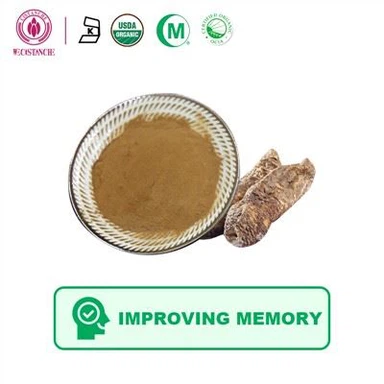
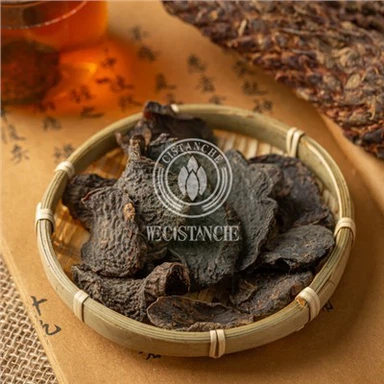
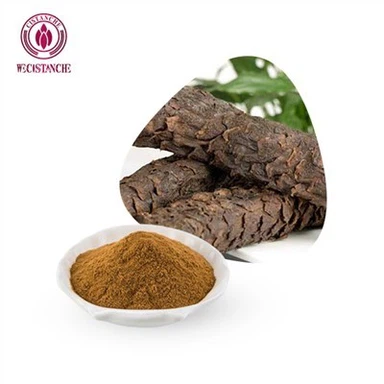
For global nutraceutical and supplement developers focusing on preventive‑health formulations, pre‑clinical research reveals promising potential for TCM‑origin botanicals. Cistanche Tubulosa, known as "Desert Ginseng", attracts growing industry attention based on cistanche benefits for anti‑tumor observed in laboratory studies.

Cistanche Tubulosa Extract: Pre‑Clinical Anti‑Tumour‑Related Neuro‑Immune Botanical Raw Material
Current oncology clinical standards rely on surgery, chemotherapy, radiation and targeted agents. Botanical ingredients cannot serve as cancer therapeutics. Nevertheless, pre‑clinical in‑vitro and animal‑model research shows high‑quality Cistanche Tubulosa standardized extract delivers multi‑path auxiliary protective effects targeting several biological hallmarks linked to tumour development and progression.
Traditional TCM records note Cistanche Tubulosa tonifies essence‑energy and improves bodily resistance. Modern pharmacological studies enable Western formulators to interpret its working mechanisms clearly. Its signature bioactive compounds are phenylethanoid glycosides: echinacoside and acteoside. These active constituents exert multiple protective pathways in pre‑clinical tumour‑relevant models:
Modulate tumour‑cell‑related apoptosis and cell‑cycle arrest: Phenylethanoid glycosides can trigger mitochondria‑dependent apoptotic signalling in malignant cell models, interfere with tumour‑cell cycle progression and restrain proliferation and migration in laboratory settingsPMC.

Anti‑oxidative and anti‑inflammatory activity: Activate Nrf2 antioxidant pathway, neutralise excess reactive oxygen species, mitigate chronic low‑grade inflammation which fuels oncogenic transformation.
Immunomodulatory support: Promote activation of macrophages, NK‑cells and T‑lymphocytes; balance cytokine secretion, reinforcing body immune surveillance capacity against abnormal cells.
Protect normal somatic cells: Reduce oxidative‑stress‑triggered damage to healthy tissue, providing auxiliary cytoprotection for non‑malignant cells under stress conditions.
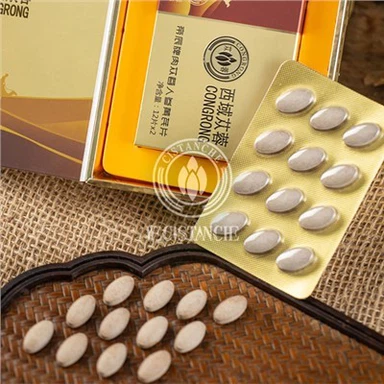
Why choose our standardized Cistanche Tubulosa extract? Cistanche Tubulosa cultivated in Xinjiang desert planting bases contains markedly higher phenylethanoid‑glycoside concentrations compared to alternative cistanche species. Our factory specialises in manufacturing high‑potency standardized Cistanche Tubulosa raw‑material extracts with elevated bioactive‑compound levels. Review our manufacturing background: https://www.xjcistanche.com/about‑us. This premium‑activity botanical ingredient fits well for clean‑label preventive‑health, anti‑inflammatory and immune‑support dietary‑supplement product development for global markets.
Important note: Cistanche Tubulosa extract is purely a complementary plant‑derived formulation raw material. It is NOT anti‑cancer medicine and cannot replace clinical oncology diagnosis, surgery, chemo‑radiotherapy or anti‑tumour drug therapy.

Developer Takeaways for Preventive‑Health Supplement Formulation
When designing preventive‑health nutraceutical products, formulators should keep in mind oncogenesis is driven by multi‑factor interactions: oxidative stress, chronic inflammation, immune‑surveillance decline, genetic predisposition and lifestyle risks. Single‑component formulas rarely cover all interconnected pathways. Standardized Cistanche Tubulosa extract offers multi‑target immune‑modulating and cytoprotective value as a clean‑label TCM‑origin raw material. Before formal mass‑production, formulators must verify raw‑material solubility, pH compatibility, effective working dosage and complete safety evaluation.
No herbal ingredient can offset harm from poor lifestyle. Healthy daily habits plus regular medical screening remain the cornerstone for cancer prevention. Suspected malignancy symptoms require immediate professional hospital assessment.

Disclaimer: This article provides educational content exclusively for dietary‑supplement‑industry formulators. Statements regarding cistanche benefits for anti‑tumor draw from pre‑clinical laboratory research and traditional TCM applications and do not constitute medical advice. Cistanche Tubulosa extract is a dietary‑supplement raw material, not an anti‑cancer therapeutic agent, and shall not be used to diagnose, treat or cure cancer or malignant illnesses. Final‑product performance depends on formulation technology, dosage and individual physical conditions. Mandatory safety and efficacy testing must be completed before commercial launch.