Role Of Probiotics In Human HealthⅡ
Aug 30, 2023
Probiotics and their benefits
Figure 1 lists a few benefits of probiotics for a healthy human life. These include a large variety of uses not just for a particular part but almost everywhere in our body. In the gastrointestinal tract, lies their well-known benefit of improving our digestion and reducing the amount of cholesterol. Their other uses involve the treatment of diarrhea and the prevention of inflammatory bowel diseases. Furthermore, the benefits will include preventing dental caries and strengthening our immune system, especially during allergic conditions.

Click to immediate constipation relief
The constant growth of harmful microorganisms can also be inhibited by probiotics to an
extent. Bifidobacterium creates glutamine, which preserves the integrity of the mucosa and improves the
mucosal barrier's defenses [13-14]. Many studies have proved that probiotics help deal with different kinds
of diarrhea, such as travelers' diarrhea, antibiotic-induced diarrhea, and rotavirus-related diarrhea in small
children [15,16]. Irritable bowel syndrome has a poorly understood cause, and hence treatment for such
people is challenging. However, introduction to the Enterococcus strain PR88 as an oral probiotic showed
clinical improvement in patients. Research has persisted for the use of probiotics and led to some intriguing
results of probiotics and their utilization in complex conditions [17].

The positive effects of probiotics on patients with food allergies are a result of their combined impact on the gut's non-immunologic and immunologic defense barriers. The natural dietary protein's immunomodulatory characteristics are altered by lactobacilli. Probiotics affect the immune system by stimulating the gastrointestinal lymphoid tissue's lymphoid cells [18-21]. Probiotics' effect on atopic dermatitis has been studied in depth. The intensity of eczema and the number of different processes in the given population decreased with the consumption of living and heat-neutralized probiotic bacteria [22].
Lactobacilli protects women from developing urinary tract infections (UTIs) [23]. Using the distal urethral isolates L. rhamnosus GR-1 and L. fermentum B-54 with RC-14 as a substitute for anti-gram-positive bacilli activities and hydrogen peroxide production, studies have shown that the two-strain combination works. For a year, researchers found that using single or multiple two capsules a week vaginally can help prevent the recurrence of UTIs [23-26]. Human probiotics reduce cholesterol. Probiotics cause direct digestion of lipids, which influences cholesterol production. No research showed statistically significant changes in cholesterol levels [27].

Dental caries, a multi-factor bacterial illness, is characterized by acid decalcification of the outer layer of our teeth. To be effective in preventing dental caries, a probiotic must be able to attach itself to teeth coatings and mix into the microbial flora that composes the dental biofilm. To halt the spread of cariogenic bacteria, it must also go to fight and repel them. Research has found that the cariogenic species Streptococcus sobrinus could not grow on a hydroxyapatite surface because only Streptococcus thermophilus and Lactobacillus lactis ssp. lactis could form a biofilm there.
The ability of W. cibaria isolates to inhibit S. mutant's capacity to create microbes both in vitro and in vivo, and to prevent this microbe from proliferating, has been demonstrated recently [28-30]. Periodontal diseases are classified into two categories: gingivitis and periodontitis. Gum disease, unlike periodontitis, is a short-lived, non-debilitating inflammation of the gums that affects only the unattached gingiva and not the alveolar bone [31]. Most efforts to prevent periodontal disease and ensure a full recovery focus on getting rid of pathogens and strengthening the outer boundary, which also makes a person less likely to get sick. Periodontal health may be improved if these good bacteria find a way to establish themselves in dental biofilm and inhibit harmful bacterial growth and metabolism then and there.
A wide range of data analysis has found probiotic bacteria to be safe. Few clinical studies have been published on how these probiotics could be beneficial in the treatment of periodontal disease [32,33]. Laboratory research is therefore the key source of data on probiotics that deliberately address periodontal tissues. Gum or lozenges containing probiotics improved the periodontal health of patients with periodontal disease. Many people have foetor exore or bad breath, which is commonly referred to as halitosis. Volatile sulfur compounds (VSCs) are primarily produced by Gram-negative anaerobes in dental plaque and on the surface of the tongue and are the main reason for bad breath in the oral cavity. This ailment has also been shown to respond well to bacterial therapy. Probiotic strains of bacteria from healthy people's native oral microbiota could be used to start replacing the bacteria allegedly involved in halitosis as an adjunct for prevention and treatment [34].

Natural Herbal Medicine For Relieving Constipation-Cistanche
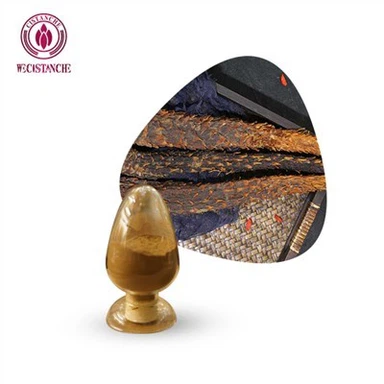
Cistanche is a genus of parasitic plants that belongs to the family Orobanchaceae. These plants are known for their medicinal properties and have been used in Traditional Chinese Medicine (TCM) for centuries. Cistanche species are predominantly found in arid and desert regions of China, Mongolia, and other parts of Central Asia. Cistanche plants are characterized by their fleshy, yellowish stems and are highly valued for their potential health benefits. In TCM, Cistanche is believed to have tonic properties and is commonly used to nourish the kidney, enhance vitality, and support sexual function. It is also used to address issues related to aging, fatigue, and overall well-being. While Cistanche has a long history of use in traditional medicine, scientific research on its efficacy and safety is ongoing and limited. However, it is known to contain various bioactive compounds such as phenylethanoid glycosides, iridoids, lignans, and polysaccharides, which may contribute to its medicinal effects.

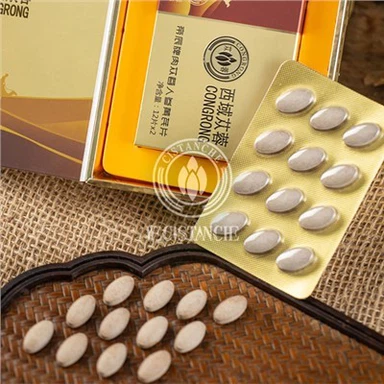
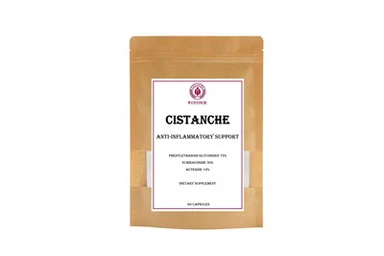
Wecistanche's cistanche powder, cistanche tablets, cistanche capsules, and other products are developed using desert cistanche as raw materials, all of which have a good effect on relieving constipation. The specific mechanism is as follows: Cistanche is believed to have potential benefits for relieving constipation based on its traditional use and certain compounds it contains. While scientific research specifically on Cistanche's effect on constipation is limited, it is thought to have multiple mechanisms that may contribute to its potential to relieve constipation. Laxative Effect: Cistanche has long been used in Traditional Chinese Medicine as a remedy for constipation. It is believed to have a mild laxative effect, which can help promote bowel movements and induce constipation. This effect may be attributed to various compounds found in Cistanche, such as phenylethanoid glycosides and polysaccharides. Moistening the Intestines: Based on traditional use, Cistanche is considered to have moisturizing properties, specifically targeting the Intestines. Promoting hydration and lubrication of the Intestines may help soften tools and facilitate easier passage, thereby relieving constipation. Anti-inflammatory Effect: Constipation can sometimes be associated with inflammation in the digestive tract. Cistanche contains certain compounds, including phenylethanoid glycosides and lignans, that are believed to have anti-inflammatory properties. By reducing inflammation in the intestines, it may help improve bowel movement regularity and relieve constipation.
Harsh Bodke , Sangita Jogdand
1. Pharmacology, Jawaharlal Nehru Medical College, Datta Meghe Institute of Medical Sciences, Wardha, IND