Sleep And Immunity Relationship With Inflammatory Response Part 3
Sep 06, 2024
A third approach to correcting sleep disorders in insomnia consists of the use of melatonin receptor antagonists. The pineal hormone melatonin has a weak GABAergic action, seen only in experiments on knockout (lacking a specific gene) animals.

Click now to improve brain function
Insomnia refers to the symptom of being unable to fall asleep or maintain adequate sleep. It not only affects our mood and work but also may lead to a decline in the body's immunity. Therefore, we need to take a positive approach to insomnia and use scientific methods to promote healthy sleep and improve immunity.
We know that sleep is very important for the body. It not only promotes the repair and recovery of the body but also enhances the function of the immune system. This is because when we sleep, our body secretes some important hormones such as cytokines to enhance the activity of immune cells. At the same time, sleep can also help the body resist the invasion of pathogens in the external environment and promote the health of the body.
However, when we suffer from insomnia, the quality and time of sleep will be affected. This may lead to a decline in the body's immunity, making us more vulnerable to various diseases. Therefore, we need to take some measures to promote sleep and improve immunity.
First, we need to maintain good living habits, such as regular work and rest, maintain adequate sleep time and quality, and avoid bad habits such as staying up late for a long time, so that the body can get enough rest and recovery.
Secondly, we can use some natural methods to relieve insomnia, such as relaxation exercises, meditation deep breathing, etc., to help the body relax and enter a quiet state, making it easier to fall asleep.
Finally, if insomnia is more serious, we can also seek professional medical help, such as consulting a doctor or taking medication, to help us solve sleep problems and improve immunity.
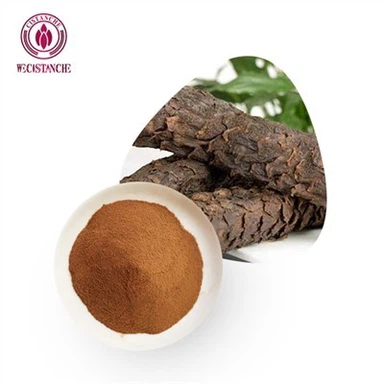
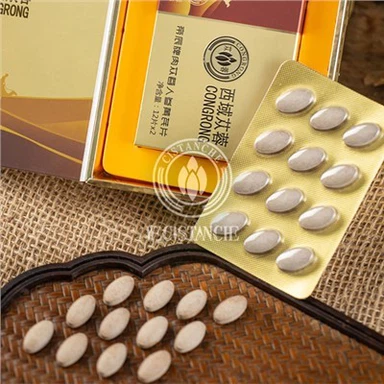
In short, insomnia sleep disorders are closely related to immunity. By taking scientific and effective methods, we can prevent and treat insomnia, thereby improving the body's immunity and maintaining a healthy and pleasant life. It can be seen that we need to improve memory, and Cistanche can significantly improve memory because Cistanche can also regulate the balance of neurotransmitters, such as increasing the levels of acetylcholine and growth factors, which are very important for memory and learning. In addition, Cistanche can also improve blood flow and promote oxygen delivery, which can ensure that the brain obtains sufficient nutrition and energy, thereby improving brain vitality and endurance.
Its main effect is to alter the internal clock by acting on specific receptors (MT1 and MT2) in the suprachiasmatic nuclei of the hypothalamus. One melatonin formulation currently available in Russia is Sonnovan (Canonpharma Production).
The effects of melatonin on the time of going to sleep, sleep duration, and subjective sleep quality were greater than those of placebo and were most apparent in people of the older age groups [30, 31].
Thus, international guidelines for the treatment of chronic insomnia take different positions on this. The American and European guidelines do not include melatonin formulations for the treatment of chronic insomnia [27, 28].
The guidelines of the British Association for Psychopharmacology recommend melatonin for sleep disorders in people over the age of 55 years [29].

The melatonin receptor agonist ramelteon is included in the American guidelines for the treatment of chronic insomnia, though it is not included in the European guidelines for the same reason as suvorexant.
The use of melatonin receptor agonists for the treatment of chronic insomnia is accompanied by reductions in CRP levels. This was demonstrated in studies of the efficacy of ramelteon reported by Shimizu et al. [32].
These authors explained the positive effect of ramelteon on inflammatory biomarkers not so much in terms of improvement in patients' sleep quality as immunomodulatory, anti-inflammatory amatory, and antioxidant effects arising as a result of stimulation of melatonin receptors.
These effects of melatonin are mediated predominantly at the molecular (direct uptake of free radicals – studies have shown that one melatonin molecule can seize up to 10 free radical species) and cellular levels.
Melatonin has a role in inhibiting the production of proinflammatory cytokines and inflammatory prostaglandins and the synthesis of adhesion molecules, as well as in decreasing cyclooxygenase-2 expression in macrophages.
Melatonin has been found to have a role in T-lymphocyte proliferation. Data from a meta-analysis by Zarezadeh et al. [33] indicate that the use of melatonin as a food supplement at doses of 3–25 mg for several months is accompanied by decreases in the levels of proinflammatory cytokines TNF-α and IL-6 and in some cases CRP. The authors of this meta-analysis concluded that melatonin is useful for decreasing the severity of low-grade inflammation.
The melatonin formulations most frequently used in clinical practice generally contain 3 mg of active ingredient.
Attention to the immunomodulatory properties of melatonin has sharpened in the background of the COVID-19 epidemic – an illness caused by coronavirus SARS-CoV-2.
A serious and potentially lethal complication of COVID-19 is the development of a "cytokine storm" – a reaction of the innate immunity system in the form of an uncontrolled and excessive release of proinflammatory cytokines, particularly TNF-α and interferon-γ.
The occurrence of a "cytokine storm" and oxidative stress explain the development of delirium in COVID-19 patients, which occurs during intense therapy. Results from the assessment of Chinese experience in the management of these patients reported by Shang et al. [34] suggest the use of melatonin formulations to prevent delirium.
The melatonin formulation Sonnovan contains 3 mg of melatonin. Indications for prescription are sleep impairment and desynchronosis. Sonnovan is also used as an adaptogen for changes in time zones. The medication is given as one tablet 30–40 min before going to bed.1 Conclusion.

Thus, there is now sufficient evidence that the state of sleep itself, independently of the operation of the body's internal clock, supports improvements in measures of immune system activity.
Habitual insufficiency of sleep is accompanied by changes in immunity, apparent as increases in proinflammatory cytokine levels. This process is associated with increases in morbidity and mortality.
Compensation for sleep deficiency is accompanied by an effect consisting of improvements in measures of the body's immune defense.
Correction of sleep disorders in insomnia using nonpharmacological and pharmacological methods is accompanied by decreases in proinflammatory changes.
The use of melatonin formulations in sleep disorders in the context of immune defense has potential in connection with improvements in antioxidant and immunomodulatory effects. This article was prepared with support from Canonpharma Production.

REFERENCES
1. L. Besedovsky, T. Lange, and M. Haack, "The sleep-immune crosstalk in health and disease," Physiol. Rev., 99, No. 3, 1325–1380 (2019), https://doi.org/10.1152/physrev.00010.2018.
2. Yu. I. Budchanov, "Hormones and mediators of the immune system. Regulation of the immune response," in Study Guide in General Immunology, Tver State Medical University, Tver (2008).
3. J. Born, T. Lange, K. Hansen, et al., "Effects of sleep and circadian rhythm on human circulating immune cells," J. Immunol. (1997) 158, No. 9, 4454–1464. 4. F. S. Ruiz, M. L. Andersen, C. Guindalini, et al., "Sleep influences the immune response and the rejection process alters sleep pattern: Evidence from a skin allograft model in mice," Brain Behav. Immun., 61, 274–288 (2017), https://doi.org/10.1016/j.bbi.2016.12.027.
5. M. Irwin, J. McClintock, C. Costlow, et al., "Partial night sleep deprivation reduces natural killer and cellular immune responses in humans," FASEB J., 10, No. 5, 643–653 (1996), https://doi.org/10.1096/ fasebj.10.5.8621064.
6. S. A. Ketlinskii and A. S. Simbirtsev, Cytokines, Foliant Press, St. Petersburg (2008).
7. S. Dimitrov, T. Lange, S. Tieken, et al., "Sleep associated regulation of T helper 1/T helper 2 cytokine balance in humans.," Brain Behav. Immun., 18, No. 4, 341–348 (2004), https://doi.org/10.1016/j.bbi. 2003.08.004.
8. J. Axelsson, J. Rehman, T. Akerstedt, et al., "Effects of sustained sleep restriction on mitogen-stimulated cytokines, chemokines, and T helper 1/ T helper 2 balance in humans," PLoS One, 8, No. 12, e82291 (2013), https://doi.org/10.1371/journal.pone.0082291.
9. S. F. Smagula, K. L. Stone, S. Redline, et al., "Actigraphy- and polysomnography-measured sleep disturbances, inflammation, and mortality among older men," Psychosom. Med., 78, No. 6, 686–696 (2016), https://doi.org/10.1097/PSY.0000000000000312.
10. M. H. Hall, S. F. Smagula, R. M. Boudreau, et al., "Association between sleep duration and mortality is mediated by markers of inflammation and health in older adults: the Health, Aging and Body Composition Study," Sleep, 38, No. 2, 189–195 (2015), https://doi. org/10.5665/sleep.4394.
11. F. P. de Heredia, M. Garaulet, S. Gómez-Martínez, et al., "Self-reported sleep duration, white blood cell counts and cytokine profiles in European adolescents: the HELENA study," Sleep Med., 15, No. 10, 1251–1258 (2014), https://doi.org/10.1016/j.sleep.2014.04.010.
12. K. Shakhar, H. B. Valdimarsdottir, J. S. Guevarra, and D. H. Bovbjerg, "Sleep, fatigue, and NK cell activity in healthy volunteers: significant relationships revealed by within-subject analyses," Brain Behav. Immun., 21, No. 2, 180–184 (2007), https://doi.org/10.1016/j. bbi.2006.06.002.
For more information:1950477648nn@gmail.com