Spring Harvest Of Cistanche Deserticola, Timing Is Right
Feb 25, 2025
Spring harvest of Cistanche deserticola: Embarking on a journey of exploration of 'desert ginseng'
Spring is the season for the revival of all things. In the vast desert, there is also a precious plant that welcomes its harvest season, which is the "desert ginseng" called Cistanche deserticola. Cistanche deserticola, a mysterious parasitic plant, has attracted people's attention for thousands of years. It is not only a nourishing medicine in the eyes of traditional Chinese medicine, but also a precious gift given to humanity by nature due to its unique growth environment and efficacy. Today, let's step into the world of Cistanche deserticola and learn about the harvest of Cistanche deserticola in spring.

Professor Cistanche Research on the Growth of Cistanche deserticola
Spring harvest of Cistanche deserticola, timing is right.
The spring harvest of Cistanche deserticola is generally concentrated from March to May. In southern Xinjiang, the harvest usually begins in late March. For example, the 37th Regiment of the 2nd Division of the Xinjiang Production and Construction Corps has a 10000-acre red willow inoculation base for Cistanche deserticola, which starts harvesting around March 20th every year and is expected to end in mid to late April. In Inner Mongolia, the harvest time is roughly from late March to late April. For example, at the Wangyedi Cistanche deserticola planting base in Dengkou County, Bayannur City, the staff will select tall and sturdy Cistanche deserticola to be harvested first during this period, and keep young and weak ones until the frozen soil in autumn or the next year for harvesting. In Jinta County, Jiuquan, Gansu Province, because Cistanche deserticola often parasitizes lateral roots 30-100 centimeters deep, the harvest and excavation period is from March to May spring.
Harvesting during this period is because after a whole winter of dormancy, Cistanche deserticola has accumulated sufficient nutrients, and its medicinal ingredients such as echinacoside and verbascoside are at a high level, making it the best quality period of the year. Moreover, the temperature rises in spring and the soil thaws, making it easier for mining operations and effectively reducing damage to Cistanche deserticola and host plants.

Spring harvesting of Cistanche deserticola
Explore the harvesting site and unlock the correct posture
The harvesting process of Cistanche deserticola is very particular, from the selection of tools to the excavation steps, and then to the processing after harvesting, every link is related to the quality of Cistanche deserticola and its growth in the coming year.
(1) Clever selection of harvesting tools
The selection of tools is crucial when harvesting Cistanche deserticola. The shovel is a commonly used excavation tool, which can effectively dig sandy soil and open up space for subsequent operations. Bamboo slices are a powerful assistant in handling the connection between Cistanche deserticola and host plants. This is because Cistanche deserticola parasitizes the roots of plants such as red willows, and metal tools can easily damage the parasitic plants, even causing the entire parasitic system to rot, affecting the growth of Cistanche deserticola in the following year. Bamboo slices have a relatively soft texture and can completely remove Cistanche deserticola without harming the parasitic plants. For example, in some Cistanche deserticola planting bases in Xinjiang, the excavation workers strictly follow this principle, abandon metal shovels and other tools, and use only shovels and pointed bamboo pieces to ensure the sustainable harvesting of Cistanche deserticola.
(2) Complete analysis of mining steps
After determining the harvesting location, the harvesting personnel will dig vertically downwards at 20 centimeters from the unearthed flocs. This distance can avoid directly digging into the Cistanche deserticola and accurately locate its growth position. After digging to a depth of 40-60 centimeters, gradually remove the surrounding sand with your hands. At this point, the fleshy stem of Cistanche deserticola will gradually emerge. Subsequently, gently remove the sandy soil around the fleshy stem of Cistanche deserticola using bamboo shoots until the bud tray is found. One hand firmly holds onto the fleshy stem, while the other hand quickly cuts the bamboo slice from the bud tray, so that the Cistanche deserticola can be harvested intact. The entire process requires the harvesting personnel to be fully focused, and any carelessness may damage the integrity of Cistanche deserticola or harm the host plant.
(3) Key points for post-harvest 'aftermath'
After harvesting, timely backfilling of the pits is an essential step. Fill the excavated sand back into the pit and press it firmly to prevent wind and sand erosion, maintain soil stability, and provide a good growth environment for the host plant, the red willow. At the same time, special attention should be paid to protecting the adventitious buds on the bud tray, which are the hope for the growth of Cistanche deserticola next year. As long as the parasitic roots and bud discs are properly protected, Cistanche deserticola can grow continuously for at least 5-7 years, achieving sustainable harvesting. For example, in some production areas of Cistanche deserticola in Inner Mongolia, the local government vigorously promotes and supervises the "aftermath" work after harvesting, so that the yield and quality of Cistanche deserticola can be maintained at a high level.

cistanche benefits for men
Click here to view Cistanche for Kidney disease products
【Ask for more】 Email:cindy.xue@wecistanche.com / Whats App: 0086 18599088692 / Wechat: 18599088692
Quality Unveiled: The Unique Features of Spring Cistanche deserticola
Cistanche deserticola is harvested in different seasons and its quality varies. The Cistanche deserticola harvested in spring has unique characteristics that distinguish it from other seasons.
(1) Differences in texture and appearance
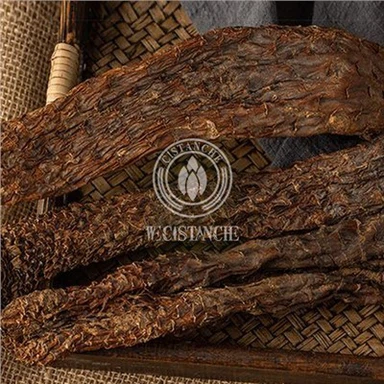
The texture of Cistanche deserticola is relatively hard in spring because the temperature rises and the water evaporates quickly. The water content in Cistanche deserticola is relatively low, making its texture compact. In autumn, the texture of Cistanche deserticola is relatively soft and has a certain degree of toughness. From the appearance, the color of Cistanche deserticola in spring is mostly brown, and its surface is densely covered with tile-shaped arranged fleshy scale leaves. These scale leaves are diamond-shaped or triangular, with a relatively hard texture, tightly adhering to the fleshy stem of Cistanche deserticola.
(2) Subtle differences in taste
The taste of Cistanche deserticola in spring is bitter, because the polysaccharide content in Cistanche deserticola is relatively low, and the glycoside nutrients it contains, such as verbascoside and echinacoside, have a bitter taste, making the taste of Cistanche deserticola bitter in spring. In autumn, due to its high polysaccharide content, Cistanche deserticola has a slightly sweet taste when neutralized by sweetness.
(3) Analysis of Nutritional Components
From a professional perspective, spring Cistanche deserticola is also rich in various beneficial nutrients for the human body. It contains a large number of amino acids, vitamins, minerals, and glycosides of Cistanche deserticola, which have the effects of warming and tonifying kidney yang, nourishing essence and blood, moistening intestines, and promoting bowel movements. However, compared with other seasons of harvested Cistanche deserticola, spring Cistanche deserticola also has its characteristics in terms of medicinal value and edible efficacy. In spring, Cistanche deserticola accumulates nutrients in winter, and its medicinal ingredient content is at a high level, showing outstanding performance in regulating endocrine and improving immunity.
Harvesting precautions: Protecting Cistanche deserticola and its ecology
In the process of harvesting Cistanche deserticola in spring, many aspects require our special attention. This not only relates to the sustainable use of Cistanche deserticola but also to the protection of the ecological environment.
(1) The legal red line cannot be touched
Cistanche deserticola is a second-class protected wild plant in China and is strictly protected by law. Illegal excavation, purchase, processing, and sale of wild Cistanche deserticola are all illegal activities and will be subject to legal sanctions. For example, on April 24, 2024, Linhe Police Station of Lingwu Public Security Bureau in Ningxia seized a case of illegal excavation of wild cistanche suspected of endangering the national key protected plants, and four suspect dug wild cistanche, a national secondary key protected plant without approval, which has been filed for investigation. There was also the case of illegal excavation of wild cistanche discovered by the Public Security Bureau of Mosuowan Reclamation Area of Xinjiang Production and Construction Corps, where three suspects illegally excavated wild cistanche without obtaining a wild plant collection license and finally were subject to criminal coercive measures according to law. These cases warn us that when harvesting Cistanche deserticola, we must strictly abide by laws and regulations, obtain it through legal means, and not take chances to cross the legal red line.
(2) Ecological protection in action
As an important component of desert ecosystems, Cistanche deserticola works together with its host willow to build an ecological protection barrier that prevents wind and sand and improves soil quality. Excessive excavation of Cistanche deserticola can cause serious damage to the desert ecological environment. On the one hand, it will threaten the diversity of desert plants and affect the stability of the entire ecosystem; On the other hand, it can cause damage or even death to the parasitic roots of red willows, thereby weakening the desert's ability to resist wind and fix sand, leading to intensified land desertification. So, when harvesting Cistanche deserticola, we should uphold the concept of ecological protection, control the harvesting quantity, and avoid excessive excavation. For example, some regions ensure the sustainable use of Cistanche deserticola resources and maintain the ecological balance of the desert by developing reasonable harvesting plans and limiting the amount of harvest per person per day.
(3) Key points of quality control

Abundant harvest of Cistanche deserticola
It is crucial to master some key quality control points when selecting spring Cistanche deserticola. Firstly, it is necessary to carefully observe whether there are any insect bites or mold marks on the Cistanche deserticola. If there are wormholes on the surface of Cistanche deserticola, green or white mold spots, or even white hair and insect infestations, it indicates that it has deteriorated and is not suitable for purchase or consumption. Secondly, from the appearance, high-quality spring Cistanche deserticola should be brown, with a dense and tile-shaped arrangement of fleshy scales on the surface, and these scales should be tight and intact. In terms of texture, the texture of Cistanche deserticola in spring is relatively hard. If the texture is found to be too soft and rotten, it may be due to improper storage or poor quality. In addition, it can also be judged by smelling the odor. Normal Cistanche deserticola has a weak odor, but if there is a pungent or obvious odor, it should be purchased with caution.
The diverse uses of Cistanche deserticola and its spring health benefits

Main Chemical Constituents of Cistanche deserticola
(1) Deep exploration of medicinal value
Cistanche deserticola has an extremely high value in the field of medicine. It is warm in nature, sweet and salty, and belongs to the kidney and colon meridians. In terms of nourishing the kidney and promoting yang, Cistanche deserticola can effectively alleviate symptoms such as soreness and weakness in the waist and knees, impotence and weakness, increased nocturia, coldness in limbs, and mental fatigue caused by kidney yang deficiency. It also has a certain regulatory effect on male impotence, premature ejaculation, female infertility, and other problems. The "Shennong Bencao Jing" lists Cistanche deserticola as a top-grade product, recording that it "mainly works on five aspects and seven injuries, replenishes the middle, removes cold and hot pain in the stem, nourishes the five organs, strengthens yin, benefits essence and qi, and treats women's ailments. From a modern medical perspective, Cistanche deserticola contains various active ingredients, such as phenylethanoid glycosides, cyclohexene ether terpenoid glycosides, polysaccharides, etc. These ingredients have the effects of regulating endocrine function, enhancing immunity, and antioxidation. Among them, the components of phenylethanoid glycosides, such as echinacoside and verbascoside, have neuroprotective, bone-protective, and anti-injury effects; Polysaccharides have immunomodulatory, anti-aging, and spleen deficiency-improving effects.
(2) Collection of Eating Methods
In spring, we can enjoy Cistanche deserticola in various delicious ways, making nourishment easier and more enjoyable.
Stewed lamb with Cistanche deserticola: Prepare 15 grams of Cistanche deserticola, 200 grams of lamb, ginger, scallions, cooking wine, and salt in moderation. Wash and cut the lamb into pieces, blanch in water and set aside; Wash and slice the Cistanche deserticola. Add an appropriate amount of water to the pot, then add lamb, Cistanche deserticola, ginger, scallions, and cooking wine. Bring to a boil over high heat and simmer on low heat for 1-2 hours until the lamb is cooked to perfection. Season with salt. This dish has the effects of tonifying the kidney and promoting yang, warming the middle, and nourishing qi, and is suitable for people with insufficient yang energy and a fear of cold in spring.
Cistanche and Chinese yam Congee: 10g Cistanche, 100g Chinese yam and 50g rice. First, wash the Cistanche deserticola and boil it in water to obtain the juice; Peel, wash, and cut the yam into pieces, and wash the rice thoroughly. Put the medicine juice, yam, and rice into the pot, add some water, and cook the Congee until cooked. This Congee can strengthen the spleen and stomach, tonify the kidney and essence, and have a very good nourishing effect on people with weak spleen and stomach and kidney in spring.
Cistanche and Goji Berry Tea: Take 5 grams of Cistanche and 3 grams of Goji berries. Put both into a cup, brew with boiling water, and let it steep for 5-10 minutes before drinking. It can be brewed repeatedly until the taste is light. This tea can nourish the liver and improve vision, nourish the kidneys and essence, and is suitable for daily consumption by people who have excessive eye use and liver and kidney yin deficiency in spring.
(3) Spring Health Tips
Spring is the season when all things grow and develop, and the yang energy in the human body begins to spread outward. Eating Cistanche deserticola at this time can effectively meet the health needs of spring. In spring, the body's yang energy is relatively weak. The warming and tonifying effects of Cistanche deserticola on kidney yang can help replenish yang energy and enhance the body's vitality. At the same time, the climate in spring is variable, and the liver and spleen functions of the human body are prone to imbalance. However, when Cistanche deserticola enters the kidney and colon meridians, it can not only tonify the kidneys, but also regulate liver and spleen functions, promote nutrient absorption, and improve the body's metabolic capacity. Like some middle-aged and elderly people, they are prone to symptoms such as soreness and weakness in the waist and knees in spring. Eating Cistanche deserticola appropriately can have a good regulating effect. However, it should be noted that Cistanche deserticola is warm, with yin deficiency and excessive fire, loose stools, and constipation caused by heat accumulation. It is not recommended to consume it. It is best to consult a doctor or professional for advice before consumption to ensure its safe and effective health benefits.
Outlook: Spring of Cistanche Industry

superman herbs cistanche
The harvesting of Cistanche deserticola in spring is a tacit agreement with nature. From accurately grasping the harvesting timing, to following scientific harvesting methods, to strict quality control and ecological protection, every link contains people's respect and cherish for the gifts of nature. Cistanche deserticola, a treasure in the desert, not only brings us rich medicinal value and health benefits but also plays an important role in ecological protection and economic development.
With the continuous improvement of people's health awareness, the demand for natural, green, and healthy health products and medicines continues to grow. As a traditional precious Chinese medicinal herb, Cistanche deserticola has a very broad market prospect. At the policy level, the country attaches great importance to the development of traditional Chinese medicine and has introduced a series of supportive policies. Local governments have also actively responded, providing strong support for the development of the Cistanche deserticola industry. From the perspective of planting technology, the continuous breakthroughs and improvements in artificial planting technology have significantly improved the yield and quality of Cistanche deserticola, providing a solid material foundation for industrial development.
However, we should also be aware that the Cistanche deserticola industry still faces some challenges in its development process. For example, it is necessary to further strengthen the research and development of deep processing technology for Cistanche deserticola, increase product added value, enrich product types, and meet the needs of different consumers; Intensify the promotion and popularization of the efficacy of Cistanche deserticola, so that more people can understand its value; Continuously promote the standardization and normalization of the Cistanche deserticola industry to ensure product quality and safety.