Staying Up Late And Liver Health: How Cistanche Tubulosa Helps Support Liver Recovery
Aug 06, 2026
Many people think of staying up late as a harmless lifestyle choice: a little extra work, a few episodes of a show, or some quiet time after a long day. But what feels like a small nightly habit can quietly become one of the most burdensome stressors for your liver.
The liver works like your body's metabolic headquarters. It processes nutrients, breaks down fats, stores energy, filters waste, and supports immune defense. When sleep becomes irregular, this daily rhythm can break down. Over time, late nights may contribute to metabolic slowdown, toxin buildup, and increased oxidative stress-especially in people who already live with high work pressure, poor diet, and long screen hours.
According to the World Health Organization, more than 60% of people who frequently stay up late show some level of abnormal liver function. This does not always mean immediate disease. But it does suggest that the liver is under increased pressure. For consumers looking for natural ways to support recovery, herbal ingredients like Cistanche Tubulosa have drawn growing attention because of their traditional use in supporting vitality, endocrine balance, and liver protection.
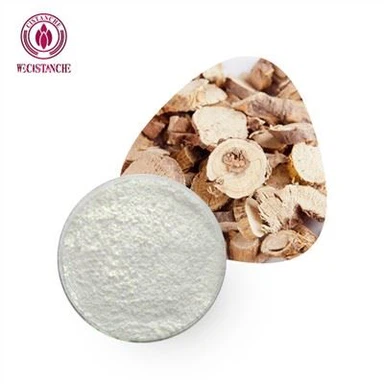
As a professional manufacturer of high‑purity Cistanche Tubulosa extract, we focus on sourcing and extracting the desert‑grown variety known for higher bioactive compound levels. You can learn more about our production standards here: https://www.xjcistanche.com/about-us
Why the Liver Suffers When You Stay Up Late
Modern research has shown that sleep deprivation can affect the liver in several ways. These effects are often subtle at first, but they can accumulate over weeks, months, and years.
1. Liver Fat Metabolism Becomes Unbalanced
Your liver helps synthesize, store, and break down fat. When you stay awake for long periods, especially late into the night, your metabolic rhythm may become confused. Some studies suggest that one week of frequent late nights can increase liver fat synthesis while reducing fat breakdown. Over time, this may raise the risk of non‑alcoholic fatty liver problems, even in people who do not drink alcohol.
This is important because fatty liver often begins without obvious symptoms. Many people only notice fatigue, sluggish digestion, or mild discomfort after the condition has already progressed.
2. Detoxification Enzyme Activity May Drop
The liver relies on a group of enzymes called the CYP450 system to help process toxins, drugs, and metabolic waste. Research suggests that sleep deprivation can significantly lower the activity of these detoxification enzymes. When this happens, the body may become less efficient at clearing certain metabolic byproducts.
As a result, toxins and inflammatory signals may accumulate. This can contribute to liver cell stress and may lead to elevated liver enzyme levels over time.
3. Liver Cell Repair Slows Down
Deep sleep is not just rest for the brain. It is also a critical period for physical repair. Studies have shown that with less than 6 hours of sleep, the liver cell regeneration cycle can extend to around 48 hours. In other words, the liver needs more time to recover, but it receives less repair time.
For people who stay up late regularly, this may create a gap between damage and repair. Over months, this gap may increase the risk of ongoing liver stress.
4. Liver Immune Defense Weakens
The liver also plays an immune role. It contains specialized immune cells that help clear bacteria, damaged cells, and abnormal metabolic products. When sleep is repeatedly shortened, the activity of these immune cells may decrease. This can reduce the liver's ability to clear abnormal cells and may increase the risk of immune‑related liver problems.
This is one reason why people who stay up late often feel more vulnerable to fatigue, infections, and slow recovery. The body's defense system is not only weaker in the immune system overall-it is also weaker inside the liver itself.

The Liver's Daily "Work Schedule"
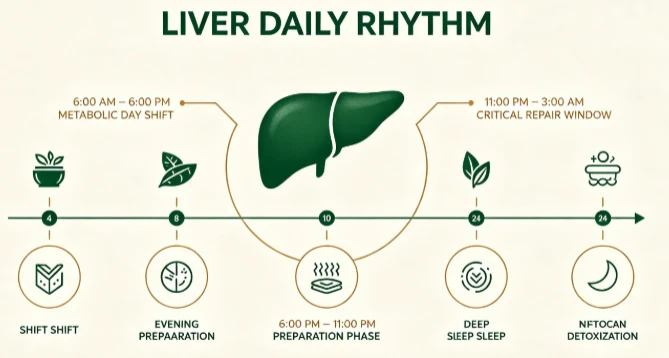
One of the most effective ways to support liver health is to understand its natural rhythm. The liver does not work equally hard at all hours. It follows a cycle of metabolism, preparation, and repair.
6:00 AM – 6:00 PM: The Metabolic Day Shift
During the day, the liver is primarily focused on processing food. It breaks down protein, fat, and carbohydrates. It also produces glycogen, which stores energy for later use. At the same time, it clears daily metabolic waste.
This is the liver's "production line" phase. If you eat heavy meals, consume alcohol, or take medications during this period, the liver must allocate extra resources to process them.
6:00 PM – 11:00 PM: The Preparation Phase
In the evening, metabolism naturally begins to slow down. The body starts preparing for rest. Detoxification enzymes are produced in greater quantity in anticipation of nighttime repair.
This is why late‑night heavy meals are not ideal. They force the liver to restart intense digestion just when it should be shifting into repair mode.
11:00 PM – 3:00 AM: The Critical Repair Window
This is the most important period for liver recovery. During deep sleep, liver blood flow can increase by around 40%. This extra blood flow helps the liver clean out metabolic waste, support DNA repair in liver cells, and reduce inflammation.
Research also suggests that during this window, liver detoxification enzyme activity reaches its peak. If you are still awake, especially under blue light from phones and computers, this repair process may be delayed.
Early Signs That Your Liver Needs Attention
Liver stress is often silent. Many people do not feel pain until the problem is already serious. That is why early signals matter.
You may need to pay more attention if you experience:
Bitter taste in the mouth in the morning This may suggest bile metabolism is not working smoothly.
Pain or discomfort in the right shoulder or upper back Liver swelling can sometimes irritate nerves and cause referred pain.
Waking up easily between 1:00 AM and 3:00 AM In traditional liver rhythm concepts, this window is closely related to liver energy balance.
Reduced alcohol tolerance If you notice that you react more strongly to small amounts of alcohol, it may be a sign that liver detoxification capacity is under pressure.
Small red spots on the skin These can sometimes be related to capillary dilation and should be checked by a healthcare professional.
Persistent fatigue even after rest When the liver cannot clear waste efficiently, fatigue often lingers.
These symptoms do not automatically mean liver disease. But they do suggest that your liver may need better support.
Practical Habits to Help Your Liver Recover
Protecting the liver does not require dramatic changes. It requires small, consistent actions that reduce liver burden and improve repair efficiency.
1. Calibrate Your Circadian Rhythm
A stable sleep schedule is one of the most powerful tools for liver health. Try to sleep between 9:00 PM and 10:00 PM when possible. If you must stay up late, try not to go beyond midnight. Even on weekends, keep your wake‑up and bedtime within a 2‑hour difference from your weekday schedule.
This helps the liver predict when to prepare for metabolism and when to shift into repair mode.
2. Reduce Liver Burden After Staying Up Late
If you know you will stay up late, prepare your body wisely. Avoid fried food, milkshakes, bubble tea, and alcohol. These put extra pressure on liver fat metabolism and detoxification.
Instead, choose lighter foods:
Unsweetened yogurt for protein and gut‑friendly nutrients
Blueberries for antioxidants
Plain nuts for healthy fats and vitamin E
Warm water throughout the day to support waste excretion
Aim for 1500–1700 mL of water per day.
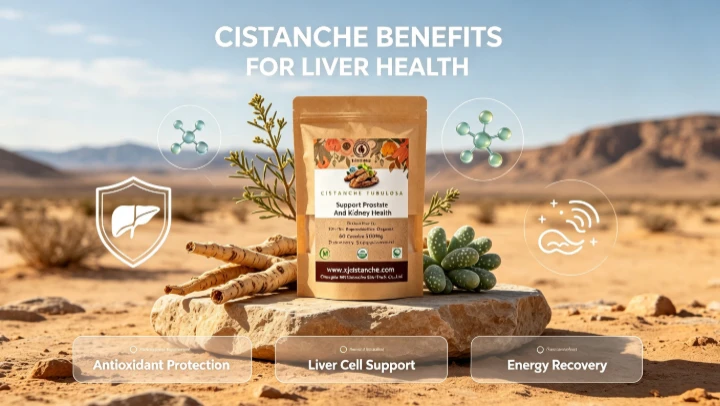
3. Nap Strategically, But Not Too Long
If you stayed up late, do not sleep in until noon the next day. This can disrupt your circadian rhythm even more. Instead, take a 30‑minute nap between 1:00 PM and 3:00 PM. This can help restore energy without delaying nighttime sleep.
4. Reduce Blue Light Before Bed
Blue light from phones, computers, and televisions can delay melatonin production. This makes it harder to fall asleep and reduces deep sleep quality.
Try these alternatives:
Stop using screens 1 hour before bed
Use warm lighting at night
Try foot soaking, meditation, or gentle stretching
Add foods rich in beta‑carotene and flavonoids, such as carrots and dark chocolate with 70%+ cocoa
These small changes can help improve sleep quality, which in turn supports liver repair.
5. Support Antioxidant Defense
The liver is exposed to oxidative stress every day, especially after late nights, poor diet, or environmental exposure. Antioxidants help protect liver cells from damage.
Some natural ingredients that may help include:
Turmeric with black pepper: Curcumin supports antioxidant activity.
N‑acetylcysteine (NAC): May help support glutathione production and detoxification.
Omega‑3 fatty acids: Found in fish oil, they may help reduce inflammatory stress.
Vitamin E: Supports cell membrane protection.
These nutrients do not replace sleep, but they can be part of a broader liver support strategy.
How Cistanche Tubulosa Supports Liver Health
For over 1,500 years, Cistanche Tubulosa has been used in Traditional Chinese Medicine as a tonic for people who feel exhausted, weak, or under long‑term stress. It is often called "Desert Ginseng" because it grows in harsh desert environments and accumulates strong bioactive compounds.
Modern research has begun to explain why this herb may support liver health. Our Cistanche Tubulosa extract is particularly focused on this area because we use the Xinjiang‑grown variety, which naturally contains higher levels of active ingredients than many other cistanche sources.
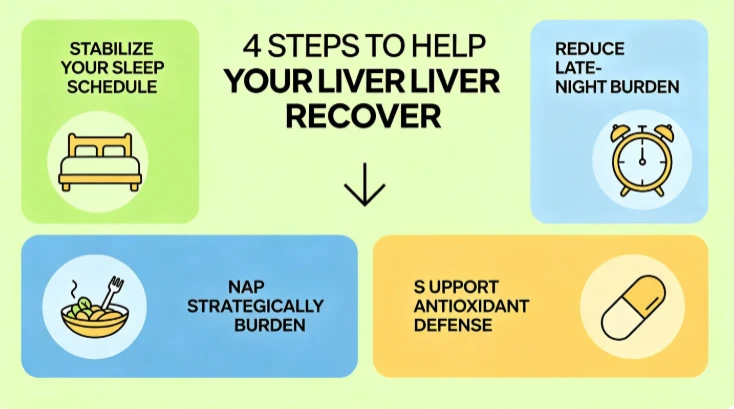
Cistanche Benefits for Liver Health: Protection at the Cellular Level
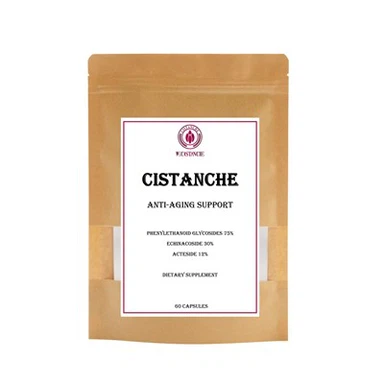
One of the most important mechanisms is antioxidant protection. Cistanche Tubulosa contains compounds such as phenylethanoid glycosides and polysaccharides. These compounds help neutralize free radicals generated during sleep deprivation, poor diet, and metabolic stress.
When the liver is under pressure, oxidative stress can damage liver cell membranes. Cistanche Tubulosa extract may help protect these membranes, reducing the risk of ongoing liver cell injury.
Cistanche Tubulosa and Liver Enzyme Support
Studies suggest that Cistanche Tubulosa may help maintain healthy liver enzyme levels. For people who stay up late regularly, this is especially relevant because sleep deprivation can cause temporary liver enzyme elevation.
By supporting liver cell stability, Cistanche Tubulosa extract may help the liver handle daily stress more efficiently.
Cistanche Tubulosa Helps Reduce Fatigue and Weakness
Another key benefit is its ability to support energy levels without the jitters caused by caffeine. Many people who stay up late feel mentally exhausted and physically drained the next day. Cistanche Tubulosa may help improve stamina, reduce fatigue, and support better mental clarity.
This makes it useful for people who want to recover after a late night without relying on excessive coffee or energy drinks.
Cistanche Tubulosa Supports Immune Function in the Liver
The liver is not only a metabolic organ-it is also an immune organ. Cistanche benefits for improving immunity are well documented in research, and this immune support also applies to the liver environment.
By enhancing immune cell activity, Cistanche Tubulosa may help the liver clear abnormal cells more effectively. This is particularly important for people who experience repeated late nights and weakened immune defense.
Why Our Cistanche Tubulosa Extract Is Different
Not all Cistanche products are the same. The quality depends on the plant species, growing environment, extraction method, and active compound content.
We specialize in Cistanche Tubulosa grown in the Xinjiang desert. The extreme temperature differences, intense sunlight, and dry conditions cause the plant to accumulate higher concentrations of bioactive compounds. Our extraction process preserves these active ingredients, making our extract suitable for supplement brands, functional food products, and research‑focused formulations.
Our Cistanche Tubulosa extract is especially valuable for brands targeting:
People who stay up late regularly
People with high work pressure
People who feel fatigued and run down
People looking for natural liver support
People interested in herbal immune support
If you are developing products around liver health, sleep recovery, or immune support, our high‑purity Cistanche Tubulosa extract can become a core ingredient. You can read more about our factory and quality standards here: https://www.xjcistanche.com/about-us

Supportive Service Of Wecistanche-For more details about cooperation
Email:Lijianlin@wecistanche.com
Final Thoughts: Small Habits, Long‑Term Liver Protection
You do not need to completely transform your life to protect your liver. What matters is consistency.
Try to sleep before 11:00 PM as often as possible. Avoid heavy late‑night meals. Drink enough water. Take short naps when needed. Reduce blue light before bed. Add antioxidant‑rich foods to your diet. And consider natural ingredients like Cistanche Tubulosa to support liver recovery after periods of stress.
Remember: the liver is resilient. It can recover if you give it the right conditions. But recovery works best when it is supported by sleep, nutrition, and consistent daily care.
This article is general educational content on liver health and herbal extract research, not medical advice. Cistanche Tubulosa extract is a food‑grade herbal raw material and is not intended to diagnose, treat, cure, or prevent any disease. Individuals with chronic liver conditions, pregnant or breastfeeding women, and those taking medications should consult a qualified healthcare practitioner before using cistanche‑based supplements. Research results mentioned are preclinical and ingredient‑marketing references only; individual results may vary.