Professor Wei Zixiao’s Experience In Treating Diabetes Mellitus With Urinary Tract Infection (UTI) Based On Taiyin And Shaoyin Differentiation: A Kidney-Spleen Support Strategy With Evidence-Informed Herbal Thinking
Jul 16, 2026
Abstract
This article summarizes Professor Wei Zixiao's clinical experience in treating diabetes mellitus complicated by urinary tract infection (UTI) using a Six-Channel (Liujing) framework, with Taiyin and Shaoyin serving as the core pattern-identification axis. Professor Wei proposes that the root (ben) pathogenesis is dual deficiency of spleen and kidney with dysfunction of qi transformation (qihua), while the branch (biao) manifestation is damp-heat sinking into the lower burner. From this perspective, Xiaoke (wasting-thirst) and Lin syndrome (strangury) are viewed as "same-root, different-branch" disorders that frequently present as mixed deficiency and excess, prolonged and recurrent.
Clinically, the condition is classified into four major types: Taiyin pattern, Shaoyin cold transformation, Shaoyin heat transformation, and Taiyin–Shaoyin combined disease. The therapeutic key is to restore Taiyin spleen transportation and transformation and to support Shaoyin qi transformation, while addressing damp-heat and stagnation as needed. Core formulas include Buzhong Yiqi Tang, Jisheng Shenqi Wan, Zhibai Dihuang Wan combined with Zhuling Tang, and Buzhong Yiqi Tang combined with Jisheng Shenqi Wan, with flexible modifications. The approach emphasizes cautious use of bitter-cold herbs, prioritizing strengthening the righteous qi, and balancing root and branch.
SEO-related focus (industry hot terms): kidney support herbs, herbal extract for Alzheimer's disease and Parkinson's disease, Cistanche extract (Echinacoside / Verbascoside), antioxidant herbal ingredients, neuroprotection and memory support.
Keywords: Diabetes mellitus; Urinary tract infection; Taiyin; Shaoyin; Traditional Chinese medicine experience; Kidney support; Herb extract for Alzheimer's disease and Parkinson's disease; Cistanche extract; Echinacoside; Verbascoside.
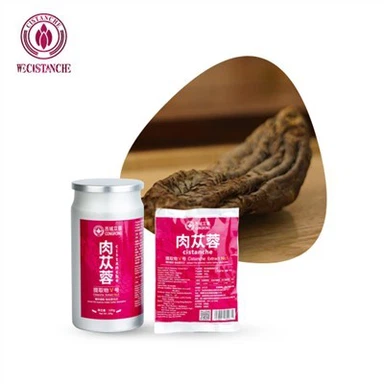
Cistanche Extract For Diabetes Mellitus

1. Background and Clinical Significance
UTI is one of the most common infectious complications in diabetes, often occurring in women, individuals with poor glycemic control, and those with neurogenic bladder or urinary retention. Hyperglycemia and infection can form a vicious cycle, increasing treatment difficulty and, in severe cases, contributing to diabetic ketoacidosis or hyperosmolar crisis (Reference [1]).
In traditional Chinese medicine (TCM), diabetes corresponds largely to Xiaoke, while UTI-related dysuria corresponds to Lin syndrome. Many clinical approaches emphasize damp-heat, but Professor Wei highlights that the deeper driver is Taiyin spleen dysfunction and Shaoyin kidney qi-transformation failure, leading to vulnerability, recurrence, and complex mixed patterns

2. Core Theory: Using Taiyin and Shaoyin as the Main Diagnostic Axis
Classical sources emphasize that the middle burner (spleen–stomach) governs transformation and distribution of fluids, while kidney governs water metabolism and qi transformation, opening to the two lower orifices. When Taiyin spleen fails to transport, fluids are not properly distributed and may descend abnormally, contributing to wasting-thirst patterns. When Shaoyin kidney fails in qi transformation, water pathways become impaired; dampness accumulates, may transform into heat, and sinks to the bladder, leading to strangury-like presentations.
Within the Six-Channel system, Taiyin corresponds to spleen and Shaoyin corresponds to kidney. Using Taiyin/Shaoyin as the "纲 (guiding outline)" can integrate meridian-level qi transformation with organ-level mechanisms. Professor Wei therefore regards spleen–kidney deficiency + qi transformation disorder as the persistent "root," and damp-heat lodged in the lower burner as the common "branch." Damp-heat further consumes qi and yin, aggravating deficiency and perpetuating relapse.
Cistanche Extract Pills For Men Antiaging

Supportive Service Of Wecistanche-For more details about cooperation
Email:wallence.suen@wecistanche.com
3. Pattern Differentiation and Treatment (Four Major Types)
3.1 Taiyin Pattern: Tonify the Middle and Boost Qi; Raise Yang and Transform Dampness
Typical presentation: recurrent UTI in a constitutionally weak patient; urinary frequency/urgency may be mild, pain is not prominent, symptoms linger; fatigue, poor appetite, loose stools, lower abdominal bearing-down sensation; pale swollen tongue with teeth marks; thin white-greasy coating; soft/weak pulse.
Treatment principle: Buzhong Yiqi (tonify middle qi), raise clear yang, transform dampness, and assist bladder qi transformation.
Representative formula: Buzhong Yiqi Tang modifications (as listed in the source text: Astragalus, Codonopsis, Atractylodes, Licorice, Angelica, Citrus peel, Cimicifuga, Bupleurum, Poria, Coix seed, Plantago seed, etc.).
Key clinical point: "Few prominent symptoms but obvious deficiency signs." Professor Wei cautions against overusing bitter-cold clearing in such cases; the priority is to lift and restore middle qi so that ascending/descending is normalized and urination self-regulates. The original article also cites clinical and pharmacologic reports suggesting immune modulation and anti-inflammatory effects for Buzhong Yiqi Tang (References [2–3]).

3.2 Shaoyin Cold Transformation: Warm and Tonify Kidney Yang; Promote Qi Transformation and Water Movement
Typical presentation: long disease course, older/weak patients, neurogenic bladder/urinary retention; frequent urination, nocturia, lingering dribbling; little burning pain; cold limbs, sore cold lumbar/knees, lower abdominal cold distension; pale tongue with white-slippery coat; deep, weak pulse.
Treatment principle: Warm kidney yang and activate qi transformation to move water.
Representative formula: Jisheng Shenqi Wan modifications (processed aconite, cinnamon, Rehmannia, Cornus, Dioscorea, Poria, Alisma, Achyranthes, Plantago seed, etc.).
Clinical nuance: warm-yang must be moderate, especially in patients with yin depletion. Professor Wei often emphasizes "support yang within yin," keeping warming herbs measured while reinforcing foundational yin/essence to avoid over-drying. The text also cites modern reports suggesting benefits in bladder function and diabetic neurogenic bladder (References [4–5]).
3.3 Shaoyin Heat Transformation: Nourish Yin, Clear Deficiency Fire; Clear Heat and Unblock Strangury
Typical presentation: short scanty urine with mild burning pain; possible hematuria or turbid urine; urinary tests show elevated WBC/RBC; night sweats, dry mouth/throat, five-center heat; red tongue with scant/no coating; thin rapid pulse.
Treatment principle: Nourish kidney yin, drain deficiency fire, clear heat and promote urination-without damaging yin.
Representative formula: Zhibai Dihuang Wan + Zhuling Tang modifications (Anemarrhena, Phellodendron, Liuwei Dihuang base herbs, Polyporus, Poria, Alisma, Talc, plus gelatin and hemostatic/cooling herbs as needed).
The original text notes that reports have associated these formulas with glucose metabolism modulation, anti-inflammatory/antioxidant effects, and improved urinary symptoms in diabetes with UTI (References [6–11]).
3.4 Taiyin–Shaoyin Combined Disease: Strengthen Spleen and Tonify Kidney; Support the Root and Unblock Strangury
Typical presentation: recurrent lingering symptoms; urinary frequency/nocturia, difficult urination or dribbling; urine clear or slightly turbid; dull distension rather than strong burning; fatigue, poor appetite, loose or sticky stools, heaviness of limbs; cold intolerance, mild edema; pale swollen tongue with teeth marks; white-greasy coat; deep weak pulse.
Treatment principle: Strengthen spleen + support kidney, promote qi transformation and water pathways, and reduce recurrence.
Representative formula: Buzhong Yiqi Tang combined with Jisheng Shenqi Wan, often adjusted:
If obvious cold signs: add mild warming/supportive herbs.
If obvious deficiency heat/dryness: remove overly warm herbs; add yin-nourishing components.
Emphasize a paired strategy of raising clear yang and promoting water movement, restoring the "pivot" of middle qi and lower-burner transformation.
Professor Wei's long-term management concept includes consolidation therapy after acute symptom relief (e.g., transitioning from decoction to pills for a period), aiming to reduce relapse by stabilizing spleen-kidney function.

4. Case Illustration (Translated and Condensed with Full Logic Preserved)
A 51-year-old female (first visit Sept 11, 2013) presented with recurrent urinary frequency/urgency for 2 years, worsened with fever for 3 days. She had diabetes with poor glycemic control and acute UTI signs. Despite heat and pain manifestations, her tongue and constitutional signs indicated Taiyin deficiency with damp-heat as branch. The treatment emphasized supporting middle qi and raising yang (modified Buzhong Yiqi Tang) while using appropriate adjunct herbs for damp-heat and blood stasis as needed, in parallel with insulin and anti-infective therapy per her medical care. Symptoms resolved, urinalysis normalized, and she was placed on a consolidation plan with Buzhong Yiqi Wan for a period. Follow-up noted no recurrence and stable glucose control.
Clinical takeaway: even when "heat" appears in acute infection, Professor Wei prioritizes root deficiency correction (spleen/kidney and qi transformation), using clearing measures judiciously to avoid injuring the root.
5. Integrating "Kidney Support" Motivation with Modern Herbal Industry Topics (Cistanche as an Example)
In modern herbal nutrition and extract markets, "kidney support" is often framed as nourishing and protecting kidney function, supporting fluid metabolism and vitality. Within this context, Cistanche (Cistanche tubulosa) is described in industry materials as a tonic herb rich in echinacoside, verbascoside (acteoside), phenethyl alcohol total glycosides, and flavonoids, commonly positioned for anti-fatigue and antioxidant support, and used orally (typical stated adult dosage: 3–5 g/day in the supplier content). The same supplier content also markets Cistanche extracts for memory support and anti-Alzheimer's themes, describing antioxidant and neuroprotective mechanisms in narrative terms.
For SEO alignment, the following phrasing is widely searched and can be integrated responsibly (as supportive health language, not as a replacement for medical care):
Herb extract for Alzheimer's disease and Parkinson's disease (neuroprotection / memory support positioning)
Cistanche extract (Echinacoside + Verbascoside)
Antioxidant botanical ingredients
Kidney nourishment / kidney qi transformation support (TCM-style functional framing)
Important compliance note (for safer publication): For diabetes with UTI, acute infection management and glucose control are critical. Any herbal approach should be presented as adjunctive support and should not claim to replace antibiotics/insulin or professional medical care.
References
Chinese Diabetes Society, Chinese Medical Association. Chinese Guideline for the Prevention and Treatment of Diabetes (2024 Edition). Chinese Journal of Diabetes, 2025, 17(1):16–139.
Liu Xuhong. Clinical observation of Buzhong Yiqi Tang combined with cefepime in multidrug-resistant UTI. Xinli Yuekan, 2020, 15(1):195.
Deng Yifei, Li Mingda, Liu Duanyong, et al. Research progress on immunopharmacology and clinical application of Buzhong Yiqi Tang. Chinese Journal of Clinical Research in Traditional Chinese Medicine, 2023, 15(7):68–72.
Li Shumin. Effect and safety of Jisheng Shenqi Wan in diabetic neurogenic bladder. China Medicine and Pharmacy, 2022, 12(11):23–26.
Liu Guosheng, Zhang Jiashui. Modified Jisheng Shenqi Wan for 32 cases of diabetic neurogenic bladder. Shandong Journal of Traditional Chinese Medicine, 2006, 25(8):527–528.
Han Lei, Song Yanli. Pharmacology and clinical application progress of Zhibai Dihuang Wan. China Pharmacy, 2012, 23(15):1430–1432.
Zhao Qian, Huo Yu, Jiang Wei. Pharmacology and clinical application progress of Zhibai Dihuang Wan. China Medicine, 2022, 17(11):1752–1756.
Zhang Baoguo, Liu Qingfang. Modern pharmacology and clinical application of Zhuling Tang. Chinese Traditional Patent Medicine, 2014, 36(8):1726–1729.
Zhang Mengmeng, Zhai Wensheng, Zhang Jiawei, et al. Research progress on chemical constituents and mechanisms of Zhuling Tang. Shaanxi Journal of Traditional Chinese Medicine, 2024, 45(1):143–145.
Liu Chen. Modified Zhuling Tang for 50 cases of type 2 diabetes with UTI. Hubei Journal of Traditional Chinese Medicine, 2005, 27(4):40.
Liu Qiang. Randomized parallel-controlled study: Zhuling Tang + Western medicine for type 2 diabetes with UTI (qi-yin deficiency with damp-heat). Journal of Practical Traditional Chinese Internal Medicine, 2018, 32(1):28–30.