Targets Identification And Mechanism Analysis For Macrophage Activation Of Low Molecular Weight Saccharides From Cistanche Deserticola Based On Molecular Affinity Chromatography
Apr 27, 2023
[Abstract]This study aims to investigate the targets and targets-involved mechanism for the macrophage activation of low molecular weight saccharides from Cistanche deserticola ( LMSC) . The phagocytic activity and NO release of RAW264. 7 cells were detected,and results showed that LMSC exerts immune activation effect by significantly increasing the phagocytic activity and NO release. LMSC-conjugated epoxy-activated sepharose beads were prepared as affinity reagent to capture the target proteins. Twenty-four proteins such as Eef2 were identified by LC-MS /MS analysis. Pathway enrichment analysis showed LMSC activated RAW264. 7 cells by regulating Fcgamma receptor dependent phagocytosis,TNF-alpha NF-κB signaling pathway,glycolysis/gluconeogenesis and the citric acid cycle and respiratory electron transport pathway.
[Key words]Cistanche deserticola; low molecular weight saccharides; macrophage activation; molecular affinity chromatography; target identification; mechanism analysis

Desert ginseng
Cistanches Herba is a famous traditional Chinese medicine for tonifying the kidney and yang, benefiting essence and blood, and nourishing the intestines and bowel movements. It is known as "desert ginseng". Modern analytical chemistry research shows that Cistanche deserticola contains a variety of carbohydrate components, including monosaccharide compounds mainly including fructose, oligosaccharide compounds such as sucrose, and polysaccharides such as ACDP-2, which are effective substances for Cistanche deserticola to play roles in immune regulation, defecation, etc. [2-5]. Cistanche deserticola polysaccharides have been widely reported as a class of active ingredients with immunomodulatory effects, while low molecular weight sugars (LMSCs) such as oligosaccharides and monosaccharides have been rarely studied. A study by our research group on the macrophage activation of the main active components in Cistanche deserticola found that low molecular sugar is a type of active component with macrophage activation, but its immune activation target and mechanism of action are still unclear.

Effects Of Cistanche-Improve immunity
Click here to view Cistanche Enhance Immunity products
【Ask for more】 Email:cindy.xue@wecistanche.com / Whats App: 0086 18599088692 / Wechat: 18599088692
Molecular affinity chromatography is a chromatographic method that achieves the separation and purification of target molecules by specifically binding them to a stationary phase [6]. This method has high affinity and specificity and is particularly suitable for complex organic systems with extremely low target product concentrations [7]. In recent years, it has gradually developed into a powerful tool for identifying natural drug targets. In this study, small molecule target protein capture technology based on molecular affinity chromatography was used to identify LMSC target proteins with macrophage activation. Through bioinformatics analysis, the signal regulatory pathway information of the target group is obtained to explore the immune regulatory activity and related mechanisms of LMSC.
1 Material
1.1 Cells
Mouse macrophage line RAW264 7 Purchased from Cell Center of Chinese Academy of Medical Sciences.
1.2 Drugs and reagents
Fetal bovine serum (FBS) was purchased from PAN Biotech in Germany; Antibiotics, DMEM high sugar medium, and 6 × The protein sampling buffer was purchased from Zhongke Maichen Technology Co., Ltd. The low molecular weight sugar of Cistanche deserticola was self-made by our research group and determined by HPLC to mainly contain mannitol (16 53%), sucrose (8 34%), Fructose (25 38%), glucose (7 75%) and other monomeric components. Lipopolysaccharide from Escherichia coli O55: B5, LPS, 3 - (4,5-dimethyl thiazole-2) - 2,5-diphenyltetrazolium bromide (MTT) and 0 33% neutral red solution were purchased from Sigma Aldrich in the United States. The nitric oxide (NO) reagent kit was purchased from Nanjing Jiancheng Biotechnology Research Institute. Epoxy-activated Sepharose gel (6B) was purchased from GE health care in Sweden. The rapid silver staining kit was purchased from the Biyuntian Biotechnology Research Institute. Both formic acid and acetonitrile for mass spectrometry were purchased from Thermo Fisher Scientific in the United States. All other reagents are domestic analytical pure.
Cistanche powder
1.3 Instruments
CO2 cell incubator (SANYO, Japan); CIX100 microscope (Olympus Corporation, Japan); 5424R centrifuge (Eppendorf, Germany); Automatic water purifier (Millipore, USA); Sunrise Basic ELISA (TECAN, Switzerland); THZ-C desktop constant temperature oscillator (Suzhou Peiying Experimental Equipment Co., Ltd.); EAS Y-nLC - II liquid chromatographs (Thermo Fisher Scientific, USA); LTQ-Orbitrap ion trap tandem mass spectrometry (Thermo Fisher Scientific, USA); Capillary liquid chromatography column (Michrom Bioresources, USA).
2 Methods
2.1 Cell Culture and Administration
RAW264. 7 cells were cultured in DMEM high glucose medium containing 10% fetal bovine serum and 1% dual antibody, and placed in a 37 ℃ saturated humidity constant temperature incubator containing 5% CO2. Pass once every 2-3 days and conduct experiments when the cells enter the logarithmic growth phase. Divide cells into blank group, lipopolysaccharide group, or low molecular weight sugar group of Cistanche deserticola. LPS group cells were treated with 1 mg · L-1 LPS solution as a positive control; LMSC group cells were added with LMSC solutions of different mass concentrations (0 25,0. 5,1,2 g·L - 1; Filter with a filter membrane before administration); Add an equal volume of serum-free culture medium to the blank group cells.
2.2 Determination of macrophage phagocytic activity using the neutral red method
RAW264. 7 cells were seeded on a 96-well plate and cultured overnight before being replaced with serum-free medium or serum-free medium containing LPS or different concentrations of LMSC. After 48 hours of cultivation, the cells were replaced with 0 075% neutral red solution and continued incubated at 37 ℃ for 4 hours. Absorb and discard the supernatant, wash twice with PBS, and use cell lysis solution (glacial acetic acid ethanol 1:1) to lyse cells at 4 ℃. After complete lysis, measure the absorbance of each well (A540 nm).
2.3 Detection of NO release in cell supernatant
RAW264. 7 cells were seeded on a 48-well plate and cultured overnight before being replaced with serum-free medium or serum-free medium containing LPS or different concentrations of LMSC. After 24 hours of induction culture, collect the supernatant and measure the NO content in the supernatant of each good cell according to the instructions of the reagent kit.
2.4 MTT assay for macrophage viability
RAW264. 7 cells were inoculated on a 96-well plate, and after overnight cultivation, they were replaced with serum-free medium or serum-free medium containing LPS or different concentrations of LMSC and continued to be cultured for 24 hours. Replace each good cell with 0 Incubate 5 g · L-1 MTT solution at 37 ° C for 4 hours, then dissolve the MTT reaction product with dimethyl sulfoxide, and measure the absorbance of each well at a wavelength of 570 nm using an enzyme-linked immunosorbent assay.
Preparation of 2.5 Cistanche deserticola low molecular sugar affinity medium
Reference method [8], weigh epoxy-activated agarose resin 0 5 g, dissolve it in deionized water for 40 min, centrifuge and discard the supernatant, and repeat the process three times to make the gel fully swollen (its volume is about 1 mL), for standby. Take 0 Mix 5 mL of swelled epoxy-activated agarose gel with 1 mL of LMSC solution (1 g · mL − 1) or an equivalent volume of solvent, and incubate in a constant temperature shaker at 37 ℃ overnight. Wash the blank or LMSC coupled agarose medium several times with deionized water until the supernatant is colorless, then add 1 mL of ethanolamine solution (1 mol · L-1) and seal it on a constant temperature shaking table at 37 ℃ for 2 days. After the reaction is completed, clean 5 times each with double distilled water, NaCl Hac buffer, and NaCl Tris HCl buffer, and finally use 0 Wash twice with 01% NP40 eluent for backup.
2.6 Enrichment and Identification of target groups
To RAW264 Total protein extract from 7 cells (0 Add 50 to 5 g · L-1 respectively μ L blank medium or LMSC affinity medium, as a blank control group and LMSC binding group; Set up a competitive group that simultaneously adds LMSC solution and LMSC affinity medium. After mixing each group, incubate at 4 ℃ overnight to fully bind LMSC to the target protein. After the reaction, use 0 Wash the affinity medium 6 times with a 01% NP40 eluent to remove residual free proteins from the affinity medium. Add washed affinity medium to an equal volume of 2 × Sample loading buffer, denatured at 98 ℃ for 8 minutes to dissociate the binding protein. Suck the supernatant, conduct SDS-PAGE gel electrophoresis, and then conduct silver staining analysis according to the instructions of the kit.
2.7 LC-MS/MS method for identifying target protein groups
Reference method [8] was used to identify specific binding proteins using a two-dimensional nano HPLC-LTQ-Orbitrap/MS tandem linear ion trap mass spectrometry (nano HPLC-LTQ-Orbitrap/MS). The specific method is as follows: Firstly, trypsin is used to hydrolyze the differentially expressed protein bands within the gel to obtain a mixture of target peptide segments. The peptide mixture was subjected to 0 twenty-two μ After filtration with a microporous membrane, extract 10% μ Add L sample solution to the capillary liquid chromatography column. Chromatographic conditions: mobile phase 0 1% formic acid aqueous solution (A) - acetonitrile (B), gradient elution conditions are shown in Table 1. Mass spectrum condition: electric spray voltage is 1 8 kV, positive ion mode data collection, full scan range set to m/z 350-2 000; Perform MS/MS scanning on the 15 strongest peaks, with a secondary collision energy set at 35 V. Finally, use the SEQUEST search software to search and match the obtained peptide segment data.
Table 1 Gradient profile of nano-HPLC analysis

Note: The flow rates are all 300 nL · min-1.
2.8 Action target group pathway and functional analysis
Import the identified target protein into Cytoscape 3 In the 5.1 software, the ClueGO plugin was used for KEGG, REACTOME Pathways, and Wiki Pathways analysis, and the species was set as mice with P<0 05 as the significance threshold, and the rest use default parameters.
2.9 Statistical analysis
All experimental data are expressed in x field ± s. Using GraphPad Prism-6 02 Statistical software was used for one-way analysis of variance (ANOVA), with P<0 01 having a very significant difference.
3 Results and Discussion
3.1 Low molecular sugar from Cistanche deserticola affects RAW264 The effect of 7-cell phagocytic activity
In another study by our research group on the active components of macrophage activation in Cistanche deserticola, LMSC may be a type of component with macrophage activation.
Experimental Study on Cistanche deserticola
This experiment first used the neutral red method to determine RAW264 The in vitro culture system of 7 mouse peritoneal macrophages was stimulated with different concentrations of LMSC to investigate the effect of LMSC on RAW264 The effect of 7 cell phagocytic activity. Compared with the blank control group, the positive control drug LPS stimulated cells for 48 hours significantly enhanced cellular phagocytic activity (P<0 01); LMSC at 0 Each administration group of 25-2 g · L-1 significantly increased RAW264 The phagocytic activity of 7 cells (P<0 01), and exhibit dose-dependent characteristics. The above results suggest that LMSC may have activated RAW264 The role of 7 cells is shown in Figure 1.

Compared with the blank control group, 1) P<0 01 (same as Figure 2).
Fig. 1 Effects of the low molecular weight saccharides from Cistanche deserticola on phagocytic activity of RAW264. 7 cells
3.2 Low molecular sugar from Cistanche deserticola affects RAW264 The effect of NO release in 7 cells
NO is an important cytokine with immune regulatory effects in the body [9], widely reported to be involved in regulating RAW264 7-cell activation response. To further investigate the impact of LMSC on RAW264 The activation effect of 7 cells was determined, and the content of NO in the cell supernatant after LMSC stimulation was measured. The NO release in the LPS group with macrophage activation positive drug was significantly higher than that in the blank control group (P<0. 05) 01), similar to it, 0 RAW264 in the LMSC administration group with 3 doses of 5, 1, 2 g · L-1 The NO release of 7 cells was significantly higher than that of the blank control group (P<0. 05) 01), and it is dose-dependent, as shown in Figure 2. The above results indicate that LMSC can promote RAW264 The effect of 7 cells releasing NO confirms its macrophage activation effect.

Fig. 2 Effects of the low molecular weight saccharides from Cistanche deserticola on NO release from RAW264. 7 cells
3.3 Low molecular sugar from Cistanche deserticola affects RAW264 The impact of 7-cell viability
Cytotoxicity is an important factor that restricts the development of new drugs and affects their efficacy. To investigate whether the dosage of LMSC used in this experiment has potential cytotoxicity, the MTT method was used to detect RAW264 after LMSC administration 7 Cell viability. LMSC at 0 25-2 g · L-1 intervention RAW264 After 24 hours of 7 cells, there was no significant effect on cell viability, and the above results suggest that 0 25-2 g · L-1 LMSC vs. RAW264 7 has no cytotoxicity, as shown in Figure 3.

Fig. 3 Effects of the low molecular weight saccharides from Cistanche deserticola on RAW264. 7 cell viability
3. 4 Enrichment and Identification of Target Groups for Macrophage Activation of Low Molecular Weight Sugar in Cistanche deserticola
Epoxide-activated agarose gel is a solid phase carrier widely used for coupling saccharides, proteins, and other molecules containing hydroxyl or amino groups. LMSC is mainly composed of hydroxyl-rich fructose, mannitol, and other components. In this study, the hydroxyl contained can react with epoxy active groups to bond the low molecular sugar of Cistanche deserticola to the surface of epoxy-activated agarose gel microspheres to build LMSC affinity medium, as shown in Figure 4A. Using molecular affinity chromatography technology, the LMSC affinity medium was mixed with RAW264 Incubate the total protein extract of 7 cells to capture the target protein group directly. Silver staining was performed on the target group, as shown in Figure 4B. The protein bands of the LMSC affinity medium binding group were significantly higher than those of the uncoupled LMSC blank medium group, while the LMSC competitive group significantly reduced the number of affinity medium captured targets due to excessive free LMSC competitive binding with the target protein. Subsequently, the HPLC MS/MS method was used to identify each protein band, and a total of 24 target proteins such as Eef2 were obtained, indicating that low molecular sugar from Cistanche deserticola may cause macrophage activation through the combined action of these target proteins.
3. 5 Analysis of the mechanism of action related to the activation target group of low molecular sugar macrophages in Cistanche deserticola
To investigate the low molecular sugar target protein of Cistanche deserticola causing RAW264 The mechanism of macrophage activation is analyzed in this study using KEGG, REACTOME, and Wiki signaling pathway databases to investigate the biological pathways involved in the LMSC target protein group. The analysis results of signal pathway enrichment are shown in Figure 5 and Table 2. LMSC macrophage activation target proteins mainly participate in 10 macrophage activation-related signal pathways, which can be summarized into the following 4 categories: Fc γ Receptor dependent phagocytosis, TNF- α NF- κ B signaling pathway, glycolysis/gluconeogenesis, citric acid (TCA) cycle, and respiratory electron transport.
4 Discussion
Modern research reports that traditional Chinese medicine and natural drugs have a wide range of biological activities, but due to their complex chemical composition, there are still challenges in elucidating the mechanism of action of the complex component systems of traditional Chinese medicine and natural drugs. Based on the small molecule target protein capture technology of molecular affinity chromatography, this study combined with the chemical composition commonness that the main components of the molecular sugar of Cistanche deserticola (LMSC) all have hydroxyl groups, and constructed LMSC bonded epoxy activated agarose gel microspheres as the affinity medium, to identify LMSC target protein groups with macrophage activation and analyze the signal transduction pathways related to the target group, Furthermore, the mechanism of LMSC macrophage activation was revealed.

Effects Of Cistanche-Improve immunity
Macrophages are a type of important immune response cells in the body that can phagocytose granular antigens. The activation of macrophages caused by exogenous stimuli is mainly manifested by the enhancement of phagocytic function and the release of NO and other factors caused by a series of signaling pathways. LMSC dose-dependent improvement RAW264 The phagocytic activity of 7 cells and a significant increase in NO release indicate that LMSC has a macrophage activation effect. Enrichment analysis of signal pathways of LMSC macrophage activation targets captured by molecular affinity chromatography using bioinformatics means suggests that LMSC regulates Fc by γ Receptor dependent phagocytosis, TNF- α NF- κ The B signaling pathway, glycolysis/gluconeogenesis, citric acid (TCA) cycle, and respiratory electron transport play macrophage activation roles.

A. Microscopic characterization of affinity medium (bar=25 μ m) ; B. Silver stained gel electrophoresis of enriched targets.
Fig. 4 The targets identification for the low molecular weight saccharides from Cistanche deserticola
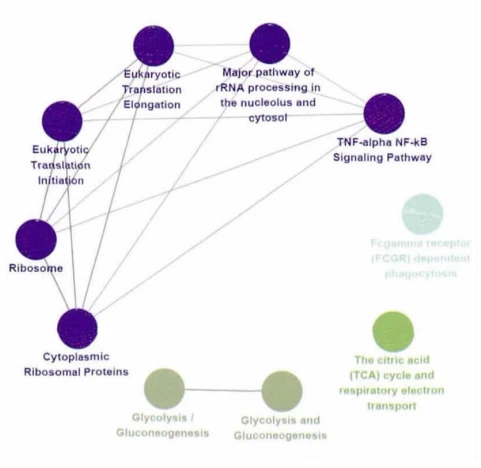
Fig. 5 Pathway enrichment analysis for the targets of low molecular weight saccharides from Cistanche deserticola
Fc γ Receptors are cell surface receptors and one of the macrophage pattern recognition receptors [11]. They are located on the cell surface and can specifically recognize exogenous particles, causing them to bind to the cell surface. Fc γ Receptor-mediated phagocytosis signal transduction can cause downstream actin polymerization and phagocyte formation [11]. LMSC significantly improves RAW264 7 cell phagocytic activity, which may be related to the binding of various Fcs such as Hsp90 γ Receptor signaling related proteins regulate Fc γ Receptor dependent phagocytosis. NF- κ The B signaling pathway is considered a key signaling pathway for macrophage activation [12]. NF- κ B is an important transcription regulatory factor in the nucleus, NF- κ Activation of the B signaling pathway can cause NF in the cytoplasm- κ B is activated and translocated to the nucleus, thereby mediating gene expression of various cytokines, and NO mediators. LMSC stimulation can cause RAW264 7 cells to release a large amount of NO, which may be related to TNF by binding to various factors such as Eef2- α NF- κ B signaling pathway and other related proteins activate NF- κ The B signaling pathway and its associated eukaryotic translation initiation and extension processes are implemented. In addition, LMSC-related targets also involve two carbohydrate metabolism pathways: glycolysis/gluconeogenesis, citric acid (TCA) cycle, and respiratory electron transport. It is speculated that LMSC contains various low molecular sugars such as fructose and mannitol, which can affect RAW264 7 cells provide energy, and bind to proteins such as Aldoa related to glucose metabolism, thereby regulating pathways related to glucose metabolism.
In summary, this study identified 24 different functional target proteins for LMSC macrophage activation using molecular affinity chromatography-related target protein recognition technology; Enrichment analysis of target protein-related signaling pathways suggests that LMSC acts on Fc γ Receptor dependent phagocytosis, TNF- α NF- κ The B signaling pathway and glucose metabolism process ultimately exert RAW264 7. Macrophage activation. This study provides theoretical support for revealing the active components and related mechanisms of immune regulation in Cistanche deserticola and also provides ideas for the target recognition and mechanism research of complex active components in natural drugs.
Table 2 Pathway enrichment analysis for the targets of LMSC

[Reference]
[1] Chinese Pharmacopoeia Part 1 [S]. 2010:126
[2] Xu Wenhao, Qiu Shengxiang, Zhao Jihong, et al A Study on the Chemical Constituents of Cistanche deserticola [ J ]. Chinese Herbal Medicine, 1994, 25 (10): 509
[3] Wu X M,Gao X M,Tsim K W,et al. An arabinogalactan isolated from the stems of Cistanche deserticola induces the proliferation of cultured lymphocytes[J]. Int J Biol Macromol,2005,37 ( 5) : 278.
[4] Wang Xiangyan, Qi Yun, Cai Runlan, et al Macrophage activation of polysaccharides from Cistanche deserticola [ J ]. Chinese Pharmacological Bulletin, 2009, 25 (6): 787
[5] Gao Yunjia, Jiang Yong, Dai Fang, et al A Study on the Pharmacodynamic Substances of Cistanche deserticola in Nourishing Intestines and Relieving Stool [ J ]. Modern Chinese Medicine, 2015, 17 (4): 307
[6] Liu Wangcai, Zhu Jiawen Research progress in affinity chromatography technology [J]. Shanghai Chemical Industry, 2007, 32 (4): 27
[7] Hong Minghan Affinity chromatography. Chemical World, 1981, 9:281
[8] Liao L X,Song X M,Wang L C,et al. Highly selective inhibition of IMPDH2 provides the basis of antineuroinflammation therapy[J]. Proc Natl Acad Sci USA,2017,114 ( 29) : E5986.
[9] Wang Jing, Zhang Chundan, Yang Limin, et al The activation effect of extracellular polysaccharides from Pleurotus ferulae on mouse macrophages [J]. Food Industry Technology, 2016, 37 (10): 356
[10] Zhang Pengyu, Ruan Yingxin, Wang Yinan, et al Activin A promotes the phagocytic activity of mouse peritoneal macrophages [ J ]. Journal of the Academy of Military Medical Sciences, 2009, 33 (4): 330
[11] Xie Zhijian, Xiong Xiaodong, Zuo Yun Fc γ Signal transduction mechanism of R mediated macrophage phagocytosis [ J ]. Foreign Medicine Immunology, 2002, 25 (1): 5
[12] Yuan Xiaolin, Zhang Chunlei, Li Dianjun Research progress on the activation of macrophages and their signaling mechanisms [ J ]. International Journal of Immunology, 2007, 30 (5): 333