World Kidney Day | Strengthening The Foundation & Restoring Balance: Traditional Chinese Medicine (TCM) Support For People On Hemodialysis
Apr 14, 2026
Hemodialysis is a life-sustaining renal replacement therapy for people with end-stage kidney disease. In a Traditional Chinese Medicine (TCM) hospital setting, the goal of TCM care is not to replace dialysis. Instead, it aims to support the whole person-helping manage common complications, improve day-to-day comfort and function, enhance quality of life, and support long-term well-being.
Below is a patient-centered overview of how TCM commonly understands the "why" behind weakness in dialysis patients and what a practical "food + lifestyle + external therapies" support plan can look like-written in a way that's easier for Western readers to follow.
Important safety note (please read): If you are on hemodialysis, you likely have fluid limits, potassium/phosphorus restrictions, and a complex medication plan (including phosphate binders, blood pressure meds, anticoagulants, etc.). Always discuss any herb, supplement, or "medicinal food" plan with your nephrologist/dialysis team first. This article is educational and supportive, not a substitute for medical care.
1) Why do many dialysis patients feel "run down"? (A TCM explanation)
From a TCM perspective, many people on long-term hemodialysis are in a mixed state that could be described as "deficiency with excess":
Deficiency: low "Qi," blood, Yin, and/or Yang-meaning reduced reserves, reduced recovery capacity, and easy fatigue.
Excess: retained dampness/fluid, "turbidity/toxins," and blood stasis-meaning internal congestion, accumulation, and sluggish circulation.
TCM clinicians often describe three common underlying patterns:
A. "Qi and Blood deficiency" (low reserves)
In TCM language, kidney essence may be depleted, and digestion/absorption may be weaker ("spleen and stomach weakness"), so the body has less ability to rebuild energy and blood. Dialysis itself can be experienced as draining body fluids and vitality, which may further worsen fatigue and weakness.
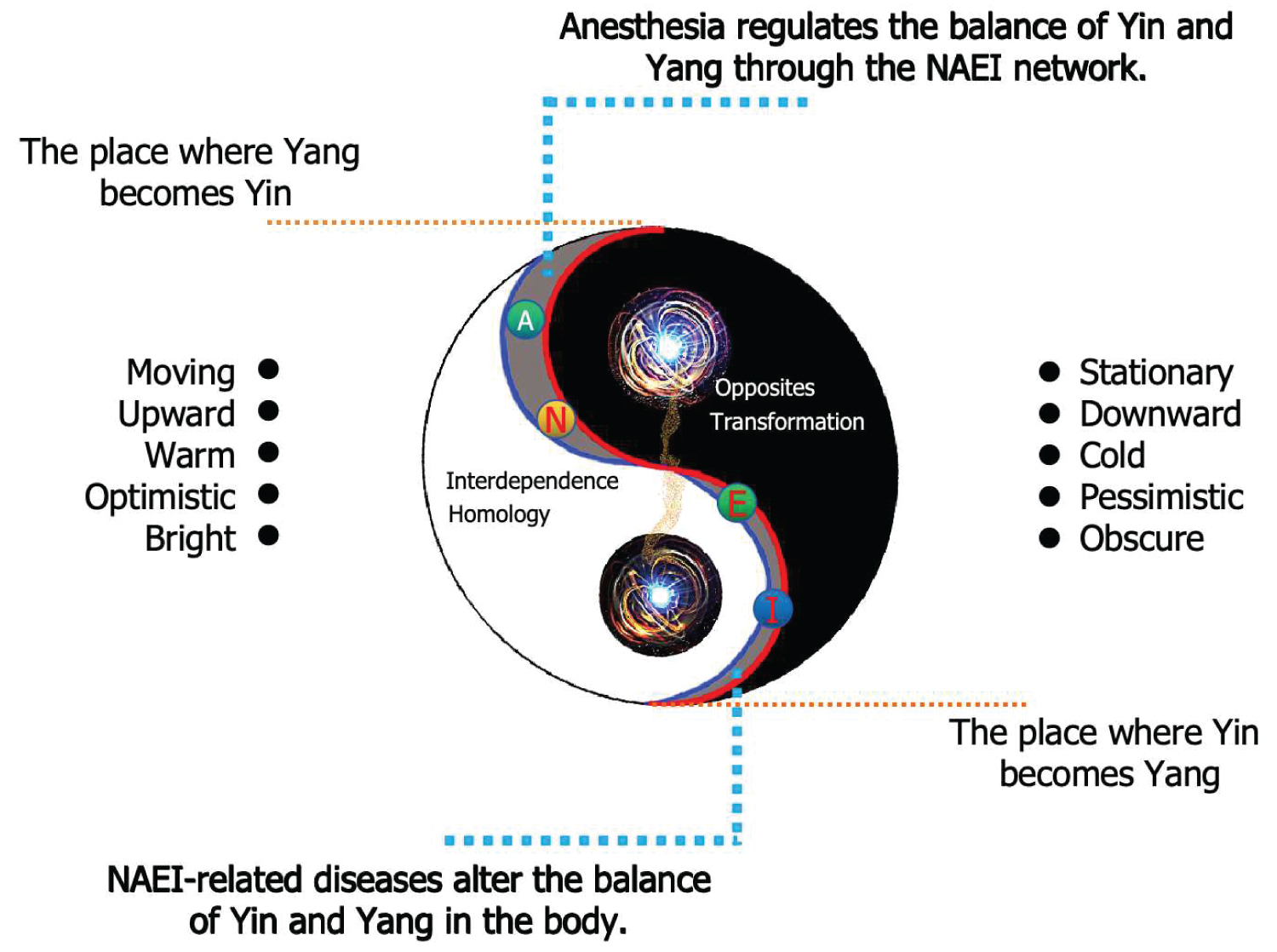
B. "Yin–Yang imbalance" (the body can't regulate well)
Yang deficiency (often felt as "cold and swollen"): the body's warming and fluid-transforming function is weaker-people may experience swelling, cold intolerance, low energy.
Yin deficiency (often felt as "dry and overheated"): body fluids are depleted-people may feel dry mouth, night sweats, "heat in the palms/soles," restlessness.
C. "Turbidity and stasis intertwined" (congestion/accumulation)
When kidney function is impaired, the body may struggle to clear what TCM calls "turbidity." Over time, chronic illness can also lead to "stasis" (impaired flow). Together this can show up as itchiness, nausea, poor appetite, darker/purplish tongue color, and a sense of heaviness.
2) A practical TCM-style support strategy (for dialysis patients)
Because dialysis patients must strictly manage fluid intake, TCM support commonly emphasizes:
Food therapy (medicinal cuisine) + herbs (as appropriate)
Internal + external approaches (e.g., moxibustion, acupressure, foot soaks-adapted to the person)
Gentle movement on non-dialysis or post-dialysis days, when safe
Below are three common TCM patterns and supportive ideas.
Pattern 1: "Spleen–Kidney Yang deficiency" (often: cold, swelling, low urine output)
Common signs (TCM description):
Cold hands/feet, chills
Low back and knee soreness/weakness
Reduced urination, puffiness or swelling
TCM support focus: warm and strengthen the "spleen and kidney," improve transformation of fluids.
Food therapy (adapted with Cistanche)
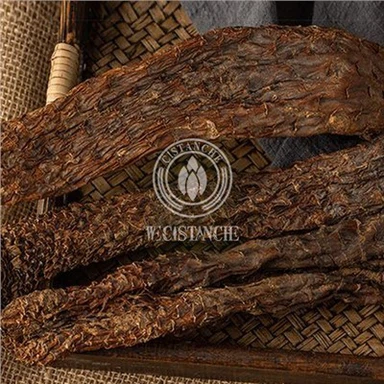
In the original hospital-style approach, warming foods are often suggested. For this version-per your request-we're highlighting Cistanche (Cistanche tubulosa) as the main medicinal ingredient.


Option A: Cistanche "kidney-support" tea (low-volume)
Use a small amount of warm water (to respect fluid limits).
If your dialysis team approves, steep a measured portion of Cistanche extract/powder and sip slowly.
Option B: Cistanche in dialysis-friendly cooking
Some people prefer incorporating a small, consistent dose into food rather than drinking more liquid.
A clinician may help you choose an appropriate form (powder/tablet/raw material) and timing.
Reference product/specification page for Cistanche powder (includes suggested daily dosage range and ingredient listing):
https://www.xjcistanche.com/cistanche-extract-product/cistanche-for-nourishing-kidney.html
External support (non-drug)
Moxibustion at Ren-4 (Guanyuan): traditionally used to warm and strengthen the body's core energy. Commonly done several times per week (under professional guidance).
ST-36 (Zusanli): gentle moxibustion or warming stimulation is traditionally used to support energy and resilience.
Kidney Shu (BL-23): gentle morning tapping/massage is sometimes used to "activate kidney Qi."
If you have neuropathy, reduced sensation, vascular access concerns, or fragile skin, ask your care team before any heat-based therapy.

Pattern 2: "Qi and Yin deficiency" (often: fatigue + dryness + poor sleep)
Common signs (TCM description):
Persistent fatigue, low motivation
Palpitations or shortness of breath with minimal exertion
Poor sleep, dry mouth, night sweating
TCM support focus: support energy ("Qi") while nourishing fluids ("Yin"), calm the mind, improve rest.
Food therapy (adapted with Cistanche)
Instead of multi-herb stews, consider a simplified Cistanche-based routine-after medical approval:
Cistanche extract powder: some products suggest a daily intake range (often presented as 3–5 g/day on supplier spec sheets). For dialysis patients, dosing must be individualized-start low and only with clinician approval.
If you tolerate it, choose a consistent time of day and monitor sleep, digestion, blood pressure, and overall response.
Cistanche extract powder

Acupressure for self-care
KI-3 (Taixi): located in the hollow between the inner ankle bone and Achilles tendon.
Gently press/massage twice daily for ~3 minutes each time (moderate pressure, not painful).
Sleep support (external therapies)
For insomnia, TCM hospitals often use options such as:
Acupuncture (by licensed professionals)
Ear acupressure seeds (auricular therapy)
Herbal foot soaks (must be adapted for dialysis safety and skin integrity)
Gentle movement (dialysis-friendly)
On the day after dialysis (if you feel steady), gentle practices like Baduanjin or Tai Chi can be adapted seated or standing-prioritizing slow breathing and smooth, comfortable motions.

Pattern 3: "Turbidity-toxin with blood stasis" (often: itching, nausea, heaviness)
Common signs (TCM description):
Itchy skin
Nausea/vomiting, poor appetite
Dark or purplish tongue, visible "stasis" signs
TCM support focus: support digestion, transform dampness, relieve itching, and improve comfort.
Dialysis-friendly diet direction (general)
TCM clinicians often encourage foods that feel "light" and support digestion. In dialysis care, any diet plan must match your potassium/phosphorus targets-so a renal dietitian's input is essential.
External wash for itching (hospital-style approach)
Some TCM clinics use herbal decoction washes for itching (external use only). If you have access to professional guidance, an external wash may be considered-but only if your skin is intact and your care team agrees.
Acupressure for dialysis-related nausea
PC-6 (Neiguan): located about 2 "finger-widths" up from the wrist crease on the inner forearm.
Press while taking slow deep breaths during nausea episodes to ease discomfort.
3) Why we chose Cistanche as the "main herb" in this version (and how to use it responsibly)
You requested that the primary food-therapy herbs be replaced with Cistanche. In TCM tradition, Cistanche is widely discussed as a tonic herb used in "kidney" support frameworks. Modern commercial products commonly emphasize its active components (such as echinacoside and verbascoside) and provide standardized forms like powders/tablets.
However: people on dialysis are medically complex. "Natural" does not automatically mean "safe for everyone." Before using Cistanche extract, ask your nephrologist/dialysis team about:
interactions with your current medications
blood pressure effects
GI tolerance
electrolyte/mineral management
appropriate dose and timing
For reference, the supplier page you provided lists typical product specs (powder form, mesh size, shelf life, and a suggested daily intake range):
https://www.xjcistanche.com/cistanche-extract-product/cistanche-for-nourishing-kidney.html
4) A patient-first takeaway (what to do next)
If you're a dialysis patient looking for a TCM-style plan that's practical and safe:
Do not replace dialysis or prescribed CKD-MBD management with supplements.
Pick one small change at a time (e.g., acupressure + a gentle movement routine).
If you want to try Cistanche, bring:
the exact product label/spec,
your medication list,
your latest labs and fluid goals
to your nephrologist/dialysis unit for review.
If you can, consult a licensed TCM clinician experienced with dialysis patients for pattern differentiation and individualized guidance.