The Clinical Application Of MPA Drugs in The Early, Middle And Late Stages After Kidney Transplantation
May 06, 2024
Mycophenolic acid (MPA) drugs are an important component of basic immunosuppression and one of the first-choice basic immunosuppressive drugs for kidney transplant recipients. Since the United States successfully performed the world's first clinical kidney transplant in 1954, it has experienced 70 years of development. For a long time, numerous landmark studies have established the cornerstone immunosuppressive regimen of mycophenolate mofetil (MMF) [1]. How to standardize the use of MPA drugs after kidney transplantation is one of the hot topics of clinical concern. In this issue of "Big Talk", Professor Chen Gang from Tongji Hospital Affiliated with Huazhong University of Science and Technology specially invites Professor Chen Gang from the early, middle, and late stages of kidney transplantation. The application and application of MPA drugs in pediatric kidney transplant recipients are explained in detail for the benefit of readers.

Click to Cistanche for kidney disease
Application of MPA drugs in the early stage after renal transplantation
MMF + cyclosporine or tacrolimus (Tac) ± glucocorticoids have always been the first-line basic medication after kidney transplantation, and have been approved by domestic and foreign authoritative guidelines such as KDIGO Guidelines, European Guidelines, and "Clinical Application Code of Immunosuppressants for Organ Transplantation in China" (2019 edition) unanimously recommended. Professor Chen said that in clinical practice, Tac+MMF±glucocorticoids are the current mainstream immunosuppressive regimen, accounting for more than 90% [2,3].
How to rationally use MPA drugs in the early stage after kidney transplantation? The "Expert Consensus on the Use of Mycophenolic Acid Drugs in Chinese Liver and Kidney Transplant Recipients (2023 Edition)" (hereinafter referred to as the new version of the consensus) recommends that oral MPA drugs, MMF and Mai should be started 12 hours before kidney transplantation or within 24 hours after kidney transplantation. The starting doses of cocophenolate sodium enteric-coated tablets (EC-MPS) are 0.75 to 1.0 g and 540 to 720 mg each time, respectively, once every 12 hours [4]. The starting dose can be determined based on individual differences in recipients, such as body weight or immune risk, and the dose can be adjusted based on clinical manifestations or MPA-AUC to ensure early and sufficient exposure to MPA.
Professor Chen emphasized that the dosage of MPA drugs varies among different groups of people. The body weight, body surface area, and genetic polymorphisms of Asians are different from those of European and American populations, resulting in differences in drug tolerance. Studies have found that the daily dose of MMF suitable for Asians should be reduced by 20% to 46% compared with Caucasians or African Americans [5]. Therefore, the starting dose and adjusted dose of MMF and EC-MPS should be individualized [4].
What are the clinical benefits of early and sufficient exposure to MPA drugs? Professor Chen gave examples of domestic and foreign studies. The French APOMYGRE study monitored the MPA-AUC of 137 kidney transplant recipients. They followed up for 12 months and adjusted the MPA-AUC of the concentration control group (CC group) to 40mg·h. /L or above, compared with the fixed-dose group (FD group), the results found that MPA-AUC>40mg·h/L, the incidence of acute rejection (AR) within 12 months was significantly reduced [6]. Domestic studies also found that the renal interstitial fibrosis and juxtaglomerular fibrosis scores of patients in the conventional MMF group (MMF dose ≥1.5g) were significantly lower than those in the low-dose group (0.5-1.0g/d + ultra-low-dose group (≤0.5 g)[7].

In addition, Professor Chen pointed out that delayed recovery of graft function (DGF) after kidney transplantation is a risk factor affecting graft survival and may also affect MPA exposure. The new consensus recommends adjusting dosage and paying attention to adverse reactions based on clinical manifestations or MPA-AUC [4].
Application of MPA drugs in the middle and late stages after kidney transplantation
It is well known that metabolic diseases are risk factors for cardiovascular disease, and the incidence of metabolic syndrome after kidney transplantation is 25.7% to 34.6% [8]. The new version of the consensus points out that MPA drugs have no significant impact on metabolic syndrome and no obvious nephrotoxicity. The recommended daily doses of MMF and EC-MPS are 1.0~1.5g and 720~1080mg respectively, which can be adjusted according to clinical manifestations or immune risks [4]. While MPA drugs do not increase the risk of metabolic syndrome, conventional doses of MMF can reduce the rate of kidney transplant failure. Domestic studies have found that the kidney transplant loss rate in the conventional dose MMF (1.5g) group was significantly lower than that in the low-dose group (0.5~1.0g) and ultra-low-dose (<0.5g) group [7].
Professor Chen reminded clinicians that the main factor in the long-term survival of kidney transplants is closely related to the production of donor-specific antibodies (DSA). MPA drugs can inhibit the activation and proliferation of lymphocytes, thereby inhibiting the production of DSA [9,10]. Studies have shown that using MMF immediately after surgery can reduce the proportion of kidney transplant recipients who develop DSA to 8.3% [11]. Other studies have shown that MPA concentration <1.3 mg/L after transplantation is related to the formation of DSA [12]. Therefore, the new consensus recommends that adequate immunosuppression is crucial for the prevention and treatment of antibody-mediated rejection (AMR). MPA drugs inhibit the production of antibodies including DSA by inhibiting B cell proliferation. Therefore, sufficient MPA exposure is necessary, and it is recommended to pay attention to the immune status and tolerance of the recipient [4].
In addition, the incidence of calcineurin inhibitor (CNI) nephrotoxicity in kidney transplant recipients can reach 24% within 1 year after surgery and increases with time [13,14]. Studies have found that increasing the dose of MPA can improve the estimated glomerular filtration rate (eGFR) and reduce the risk of nephrotoxicity [15,16]. Therefore, the new version of the consensus recommends that when chronic renal allograft injury is considered to be caused by chronic CNI nephrotoxicity, it is recommended to appropriately increase the dosage of non-nephrotoxic drugs such as MPA/mammalian target of rapamycin inhibitor (mTORi) when reducing the dosage of CNI. to prevent rejection[4]. Professor Chen also gave an example of a prospective cohort study, the TranCept study. The results showed that among recipients with chronic renal impairment after kidney transplantation, MMF ≥ 1.0 g/d was associated with better eGFR outcomes. Sufficient dosage MMF (nearly 2.0 g/d) combined with low-dose CNI can better improve renal function [17].
Application of MPA drugs in pediatric kidney transplant recipients
Professor Chen said that there is currently very limited evidence-based medical evidence on the dosage of MPA in Chinese pediatric kidney transplant recipients, and previous studies mainly used fixed doses or adjusted doses based on AUC. The new version of the consensus recommends adjusting the dose based on the recipient's age, body surface area, weight, plasma concentration of MPA drugs, and recipient's tolerance, and paying attention to changes in lymphocyte numbers [4]. Domestic MMF instructions suggest: that the recommended dose for children after kidney transplantation is oral MMF 600mg/m2 each time, twice a day (maximum 1g each time, twice a day) [18].

Finally, Professor Chen made a concise summary of the key points:
1. The triple immunosuppressive regimen of MPA combined with CNI and glucocorticoids is a commonly used initial and maintenance treatment regimen for kidney transplant recipients and has been recommended by many guidelines.
2. MPA drugs have no obvious effect on metabolic syndrome and no obvious nephrotoxicity. The triple immune regimen of sufficient MPA drugs combined with appropriate low-dose CNI and glucocorticoids can better balance efficacy and safety.
3. When chronic graft kidney injury is considered to be caused by chronic CNI nephrotoxicity, it is recommended to appropriately increase the dosage of non-nephrotoxic drugs (MPA/mTORi) when reducing the CNI dosage to prevent rejection.
4. Oral MPA drugs should be started 12 hours before kidney transplantation or within 24 hours after kidney transplantation. The recommended starting doses of MMF and EC-MPS are 0.75-1.0g and 540-720mg each time, respectively, once every 12 hours.
How Does Cistanche Treat Kidney Disease?
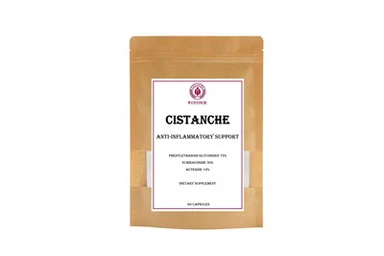
Cistanche is a traditional Chinese herbal medicine used for centuries to treat various health conditions, including kidney disease. It is derived from the dried stems of Cistanche deserticola, a plant native to the deserts of China and Mongolia. The main active components of cistanche are phenylethanoid glycosides, echinacoside, and acteoside, which have been found to have beneficial effects on kidney health.
Kidney disease, also known as renal disease, refers to a condition in which the kidneys are not functioning properly. This can result in a buildup of waste products and toxins in the body, leading to various symptoms and complications. Cistanche may help treat kidney disease ase through several mechanisms.
Firstly, cistanche has been found to have diuretic properties, meaning it can increase urine production and help eliminate waste products from the body. This can help relieve the burden on the kidneys and prevent the buildup of toxins. By promoting diuresis, cistanche may also help Reduce high blood pressure, a common complication of kidney disease.
Moreover, cistanche has been shown to have antioxidant effects. Oxidative stress, caused by an imbalance between the production of free radicals and the body's antioxidant defenses, plays a key role in the progression of kidney disease. ies help neutralize free radicals and reduce Oxidative stress, thereby protecting the kidneys from damage. The phenylethanoid glycosides found in cistanche have been particularly effective in scavenging free radicals and inhibiting lipid peroxidation.
Additionally, cistanche has been found to have anti-inflammatory effects. Inflammation is another key factor in the development and progression of kidney disease. Cistanche's anti-inflammatory properties help reduce the production of pro-inflammatory cytokines and inhibit the activation of inflammation mandatory pathways, thus alleviating inflammation in the kidneys.
Furthermore, cistanche has been shown to have immunomodulatory effects. In kidney disease, the immune system can be dysregulated, leading to excessive inflammation and tissue damage. Cistanche helps regulate the immune response by modulating the production and activity of immune cells, such as T cells and macrophages. This immune regulation helps reduce inflammation and prevent further damage to the kidneys.

Moreover, cistanche has been found to improve renal function by promoting the regeneration of renal tubes with cells. Renal tubular epithelial cells play a crucial role in the filtration and reabsorption of waste products and electrolytes. In kidney disease, these cells can be damaged, leading to damaged renal function. Cistanche's ability to promote the regeneration of these cells helps restore proper renal function and improve overall kidney health.
In addition to these direct effects on the kidneys, cistanche has been found to have beneficial effects on other organs and systems in the body. This holistic approach to health is particularly important in kidney disease, as the condition often affects multiple organs and systems. che has been shown to have protective effects on the liver, heart, and blood vessels, which are commonly affected by kidney disease. By promoting the health of these organs, cistanche helps improve overall kidney function and prevent further complications.
In conclusion, cistanche is a traditional Chinese herbal medicine used for centuries to treat kidney disease. Its active components have diuretic, antioxidant, anti-inflammatory, immunomodulatory, and regenerative effects, which help improve renal function and protect the kidneys from further damage. , cistanche has beneficial effects on other organs and systems, making it a holistic approach to treating kidney disease.