The Combination Of Chinese And Western Medicine Can Help Treat Kidney Disease And Is Also The Future Development Direction Of Medicine.
Jul 20, 2024
Currently, treatments for anemia in CKD include iron supplements, ESAs, and HIF-PHI. Although these three drugs can improve hemoglobin (Hb) levels in CKD patients, compared with lower Hb (10.5~11.5g/dl), the cardiovascular risk in patients with normal Hb levels (13.0~15.0g/dl) The risk of events was not significantly reduced, and overcorrected Hb above a certain range was associated with an increased risk of cardiovascular events, thrombotic events, hospitalization, and death.

Click to Cistanche for kidney disease
Measurable clinical indicators mostly guide current clinical management guidelines for renal anemia, that is, laboratory indicators such as Hb and transferrin levels. For example, the KDIGO guidelines recommend that the starting time for ESAs is when Hb is <10.0g/dl, and Hb should be maintained above 11.5g/dl. When Hb>13g/dl, the dose should be adjusted. Relevant documents from the European Renal Best Practices (ERBP) suggest that for those with diabetes, heart disease, or poor response to ESAs, the Hb target should be set between 10 and 12 g/dl.
Existing management targets for renal anemia are limited to Hb levels or iron metabolism levels (such as transferrin), but there are no corresponding targets for other aspects of patients (such as frailty, etc.).

Although renal anemia has made some progress in the past 30 years, there are still six major unmet treatment needs:
① Most advanced CKD patients without dialysis fail to maintain mid- and long-term hemoglobin targets, and Hb instability in CKD patients is associated with an increased risk of death;
②A single Hb target range may not be applicable to all CKD patients because Hb levels are related to age, gender, region, cause of kidney disease, and estimated glomerular filtration rate (eGFR);
③ Rapid normalization or increase in Hb levels may be associated with an increased risk of cardiovascular events and vascular access thrombosis, so rapid changes in Hb should be avoided;
④Although it has been proven that increasing Hb is beneficial to patients, some patients cannot receive good parenteral iron management due to adverse reactions and difficulty in administration;
⑤ For patients who do not receive dialysis, giving ESA and intravenous iron requires the assistance of a medical professional (HCP), or the patient needs to visit the hospital, which increases the medical burden and cost;
⑥There is no report or policy aimed at improving the quality of life of patients with renal anemia.
To meet these unmet needs, the following 3 management should be carried out:
① Strengthen the education of HCPs, patients, and their families to increase their understanding of quality of life. Patients and their families (or caregivers) should be asked to report regularly on quality of life.
② Set Hb targets individually based on the patient's age, gender, cause of kidney disease, comorbidities, employment and activity status, and personal expectations for quality of life. For example, the Hb target of young patients with no significant comorbidities and an active lifestyle may be significantly different from that of older patients with multiple cardiovascular diseases. In addition, different drugs should be recommended based on the patient's desired delivery method, such as ESAs, HIF-PHI, or intravenous/oral iron.
③For patients with symptomatic renal anemia, especially those who feel weak or fatigued, improving quality of life is one of the most important management goals. Previous studies have suggested that Hb levels are related to quality of life. However, in clinical practice, the impact of anemia treatment on quality of life has not been routinely assessed.
Currently, traditional quality-of-life monitoring may not be appropriate for patients with renal anemia. The SF-36 form, the 12-item brief questionnaire, etc. are mainly used for research purposes, are time-consuming and cumbersome, and cannot capture all the effects of renal anemia or anemia treatment. For example, the SF-36 does not measure sleep disturbance and cognitive impairment. In 2020, the CKD-AQ questionnaire was released, and the latest version is the 2022 version.

In short, the European CKD Alliance recommends that the treatment goals of patients with renal anemia should be changed and transformed into holistic (should not only focus on laboratory test data), individualized, evidence-based, and long-term management so that patients with renal anemia can fully understand their treatment options and work with their doctor to make decisions that best suit their individual needs and preferences.
How Does Cistanche Treat Kidney Disease?
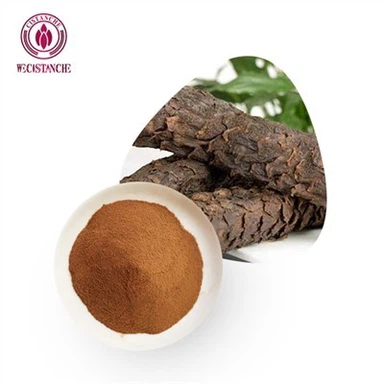
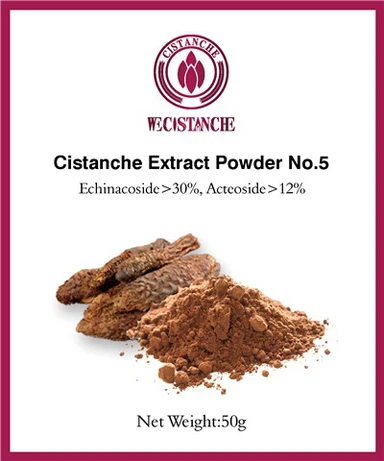
Cistanche is a traditional Chinese herbal medicine used for centuries to treat various health conditions, including kidney disease. It is derived from the dried stems of Cistanche deserticola, a plant native to the deserts of China and Mongolia. The main active components of cistanche are phenylethanoid glycosides, echinacoside, and acteoside, which have been found to have beneficial effects on kidney health.
Kidney disease, also known as renal disease, refers to a condition in which the kidneys are not functioning properly. This can result in a buildup of waste products and toxins in the body, leading to various symptoms and complications. Cistanche may help treat kidney disease ase through several mechanisms.
Firstly, cistanche has been found to have diuretic properties, meaning it can increase urine production and help eliminate waste products from the body. This can help relieve the burden on the kidneys and prevent the buildup of toxins. By promoting diuresis, cistanche may also help Reduce high blood pressure, a common complication of kidney disease.
Moreover, cistanche has been shown to have antioxidant effects. Oxidative stress, caused by an imbalance between the production of free radicals and the body's antioxidant defenses, plays a key role in the progression of kidney disease. ies help neutralize free radicals and reduce Oxidative stress, thereby protecting the kidneys from damage. The phenylethanoid glycosides found in cistanche have been particularly effective in scavenging free radicals and inhibiting lipid peroxidation.
Additionally, cistanche has been found to have anti-inflammatory effects. Inflammation is another key factor in the development and progression of kidney disease. Cistanche's anti-inflammatory properties help reduce the production of pro-inflammatory cytokines and inhibit the activation of inflammation mandatory pathways, thus alleviating inflammation in the kidneys.

Furthermore, cistanche has been shown to have immunomodulatory effects. In kidney disease, the immune system can be dysregulated, leading to excessive inflammation and tissue damage. Cistanche helps regulate the immune response by modulating the production and activity of immune cells, such as T cells and macrophages. This immune regulation helps reduce inflammation and prevent further damage to the kidneys.
Moreover, cistanche has been found to improve renal function by promoting the regeneration of renal tubes with cells. Renal tubular epithelial cells play a crucial role in the filtration and reabsorption of waste products and electrolytes. In kidney disease, these cells can be damaged, leading to damaged renal function. Cistanche's ability to promote the regeneration of these cells helps restore proper renal function and improve overall kidney health.
In addition to these direct effects on the kidneys, cistanche has been found to have beneficial effects on other organs and systems in the body. This holistic approach to health is particularly important in kidney disease, as the condition often affects multiple organs and systems. che has been shown to have protective effects on the liver, heart, and blood vessels, which are commonly affected by kidney disease. By promoting the health of these organs, cistanche helps improve overall kidney function and prevent further complications.
In conclusion, cistanche is a traditional Chinese herbal medicine used for centuries to treat kidney disease. Its active components have diuretic, antioxidant, anti-inflammatory, immunomodulatory, and regenerative effects, which help improve renal function and protect the kidneys from further damage. , cistanche has beneficial effects on other organs and systems, making it a holistic approach to treating kidney disease.