The Effects Of Exercise On The Quality Of Life Of Patients With Breast Cancer: A Systematic Review And Meta-analysis Based On The QLQ-C30 Quality Of Life Scale Part 3
Sep 14, 2023
Discussion
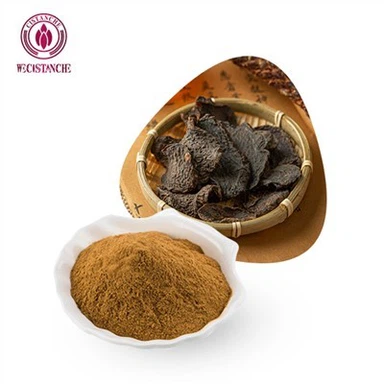
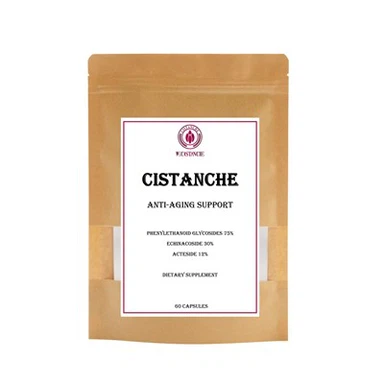
Cistanche can act as an anti-fatigue and stamina enhancer, and experimental studies have shown that the decoction of Cistanche tubulosa could effectively protect the liver hepatocytes and endothelial cells damaged in weight-bearing swimming mice, upregulate the expression of NOS3, and promote hepatic glycogen synthesis, thus exerting anti-fatigue efficacy. Phenylethanoid glycoside-rich Cistanche tubulosa extract could significantly reduce the serum creatine kinase, lactate dehydrogenase, and lactate levels, and increase the hemoglobin (HB) and glucose levels in ICR mice, and this could play an anti-fatigue role by decreasing the muscle damage and delaying the lactic acid enrichment for energy storage in mice. Compound Cistanche Tubulosa Tablets significantly prolonged the weight-bearing swimming time, increased the hepatic glycogen reserve, and decreased the serum urea level after exercise in mice, showing its anti-fatigue effect. The decoction of Cistanchis can improve endurance and accelerate the elimination of fatigue in exercising mice, and can also reduce the elevation of serum creatine kinase after load exercise and keep the ultrastructure of skeletal muscle of mice normal after exercise, which indicates that it has the effects of enhancing physical strength and anti-fatigue. Cistanchis also significantly prolonged the survival time of nitrite-poisoned mice and enhanced the tolerance against hypoxia and fatigue.

Click on sudden tiredness during the day
【For more info:george.deng@wecistanche.com / WhatsApp:8613632399501】
BC is the tumor type with the highest incidence worldwide and the leading cause of cancer death in women (3,29). The incidence and mortality of BC have increased globally over the past decade (2,5,29). In 2015, there were approximately 303,600 new BC cases and 70,400 breast cancer deaths in China. The incidence and mortality of BC in China are expected to continue to increase by 2030 (2). With the advancement of modern medicine, early diagnosis of cancer, drug treatment, radiotherapy, and surgical intervention have increased the survival time of BC patients (6). However, along with improving prognosis, health-related QoL has become even more important.

The increasing incidence of BC and the high survival rates of BC patients suggest the importance of targeting health-related quality of life (HRQoL) and understanding its relationship to lifestyle, including diet and physical activity. A healthy lifestyle is associated with a better QoL. In turn, it promotes good prognosis and low mortality (13). Exercise represents a healthy way of life. Studies have found that exercise can moderately improve cardiovascular fitness during cancer treatment. In addition, resistance exercise can also increase muscle strength (9,12,13,30,31). Exercise appears to be a feasible, well-tolerated, and promising strategy for improving physical and psychological outcomes in BC survivors. A study showed that low- to moderate-intensity exercise programs could relieve some symptoms in BC patients and could be considered as part of recovery (8). Other studies have shown that implementing a regular exercise program for patients during or after cancer treatment can improve QoL. Exercise could lead to optimal body weight, cardiorespiratory fitness, decreased fatigue, neuromuscular integrity, increased muscle strength and flexibility, and improved psychosocial functioning (8,9,11,13-16,30,32-34).

BC patients enter a long recovery period after undergoing surgery, radiation therapy, chemotherapy, and endocrine therapy. BC rehabilitation includes three aspects: physiological, psychological, and social life. The physiological rehabilitation of BC patients determines the level of psychological rehabilitation and social activity participation. Rehabilitation exercise is the easiest way for BC patients to obtain exercise. Rehabilitation exercise during the recovery period of BC patients plays a decisive role in their quality of life, so it is necessary to conduct rehabilitation exercises after BC surgery.
Numerous studies have confirmed the positive effects of exercise for BC survivors. However, we still lack a systematic quantitative standard to further conduct in-depth research on the improvement of the QoL of BC patients by exercise. HRQoL evaluation has become the focus of medical workers. EORTC QLQ-C30 is one of the commonly used scales to evaluate the HRQoL of cancer patients (17). The scale consists of 30 questions, comprising 5 functions (physiological, daily life, cognitive, emotional, and social functions), 3 symptoms (fatigue, pain, nausea, and vomiting), overall health status, overall QoL, and another 6 separate items (sleep quality, appetite, diarrhea, constipation, dyspnea, and economic status) was used to measure the patient’s QoL. All measurements are calculated into a score. The score is directly proportional to the patient’s QoL (17,19).
Therefore, this meta-analysis conducted a summary and in-depth analysis of RCTs on the improvement of the QoL of BC patients by exercise based on the EORTC QLQ-C30 scale. This study hoped to explore the improvement of the QoL of BC patients through exercise from a quantitative point of view and to propose optimization suggestions for the treatment plan of BC survivors, to further improve the QoL of BC patients.

The results of this meta-analysis showed that exercise could significantly improve the overall health status of BC patients (Hedges’s g =0.81, 95% CI: 0.27, 1.34). In terms of improving the function of BC patients by exercise, we found that exercise could significantly improve the physiological function (Hedges’s g =0.78, 95% CI: 0.34, 1.22), the function of daily life (Hedges’s g =0.45, 95% CI: 0.13, 0.77), emotional function (Hedges’s g =0.52, 95% CI: 0.20, 0.84), and social function (Hedges’s g =0.42, 95% CI: 0.31, 0.53). However, exercise had no significant effect on the improvement of cognitive function of patients (Hedges’s g =0.17, 95% CI: −0.06, 0.41).
In terms of improving the symptoms of BC patients with exercise, we found that exercise could significantly reduce fatigue (Hedges’s g =−0.51, 95% CI: −0.84, −0.19), nausea and vomiting (Hedges’s g =−0.35, 95% CI: −0.60, −0.10), insomnia symptoms (Hedges’s g =−0.59, 95% CI: −0.91, −0.26) and financial difficulties (Hedges’s g =−0.48, 95% CI: −0.78, −0.18). However, the effect of exercise on pain symptoms (Hedges’s g =−0.37, 95% CI: −0.92, 0.18), anorexia symptoms (Hedges’s g =−0.71, 95% CI: −1.76, 0.34), constipation symptoms (Hedges’s g =−0.13, 95% CI: −1.28, 0.02), and diarrhea symptoms (Hedges’s g =−0.10, 95% CI: −0.26, 0.06) were not significantly improved.
We believe that exercise has a significant effect on improving the QoL of BC patients. It has a significant effect on improving the overall health status and functional status of the body. Exercise can effectively relieve various discomfort symptoms of patients, such as fatigue, nausea and vomiting, and insomnia. However, we found that exercise did not significantly improve the cognitive function of patients. Cognition is the process in which the human brain receives external information, processes it, and converts it into internal mental activities, thereby acquiring knowledge or applying knowledge. It includes aspects such as memory, language, visuospatial, executive, calculation, and comprehension judgments.
We speculate that cognitive enhancement is due to the regeneration and repair of damaged neural tissue, increased intrasynaptic transmission, and activation of excitability in the ascending reticular system of the brain. However, there are currently no reliable studies showing that exercise has a reparative effect on cranial nerves. We also believe that the effect of exercise on improving cognitive function in cancer patients can be further explored. Our study showed that exercise did not significantly improve pain symptoms, appetite loss symptoms, constipation, or diarrhea symptoms. This may be due to limitations of the current study, or because the studies we included were not comprehensive enough. Therefore, we believe that relevant research should further clarify the relationship between exercise and the improvement of the above symptoms.

A study has indicated that exercise programs (aerobic and/or other resistance training programs) are believed to be more effective when performed at home (35). Because daily physical activity, using one’s equipment, in a safe and hygienic home environment, and away from the hospital environment can improve patient QoL and reduce depression. Therefore, follow-up research can further explore the implementation site of the patient’s exercise program to obtain better treatment effects.
Based on the QLQ-C30 scale, we can explain the great benefits of exercise for BC patients from the perspective of QoL improvement. However, we believe that its effect on improving the QoL of BC patients still needs further research.
There are some limitations to this study. We found that relevant studies had relatively small trial sizes and focused on different outcomes. The measures employed, as well as the timing, type, and duration of the intervention, also varied across studies. In particular, there is a lack of long-term large RCTs in this area (36-41). There are some publication biases in the funnel plot, so further subgroup analysis and larger-scale experiments are necessary. In conclusion, we still need more definitive clinical evidence before routinely incorporating physical activity interventions into general rehabilitation guidelines for BC patients.
Conclusions
In summary, this study quantitatively analyzed the improvement of exercise QoL in BC patients according to the QLQ-C30 QoL scale. The findings indicated a significant positive impact of exercise on the overall physical health and various functions of the body (including physiological function, daily life function, emotional function, and social function) among breast cancer survivors. Exercise also significantly reduced the symptoms of fatigue, nausea and vomiting, and insomnia.
We suggest that exercise can be used as an adjuvant therapy for BC survivors, thereby substantially improving the QoL of patients. Adopting exercise is a cost-effective and effective way for recovering BC patients, including running, brisk walking, Tai Chi, and other exercise activities. It is not only easy to control but also helps to improve the quality of life of BC patients.
Acknowledgments
Funding: This study was supported by the Huzhou Science and Technology Plan Project (No. 2020GYB29).

References
1. Dai Y, Liang P, Yu J. Percutaneous Management of Breast Cancer: a Systematic Review. Curr Oncol Rep 2022;24:1443-59.
2. Li T, Mello-Thoms C, Brennan PC. Descriptive epidemiology of breast cancer in China: incidence, mortality, survival and prevalence. Breast Cancer Res Treat 2016;159:395-406.
3. Bhardwaj PV, Abdou YG. Germline Genetic Testing in Breast Cancer: Systemic Therapy Implications. Curr Oncol Rep 2022;24:1791-800.
4. Barroso-Sousa R, Jain E, Cohen O, et al. Prevalence and mutational determinants of high tumor mutation burden in breast cancer. Ann Oncol 2020;31:387-94.
5. Kirkham AA, Jerzak KJ. Prevalence of Breast Cancer Survivors Among Canadian Women. J Natl Compr Canc Netw 2022;20:1005-11.
6. Santos TBD, Borges AKDM, Ferreira JD, et al. Prevalence and factors associated with advanced stage breast cancer diagnosis. Cien Saude Colet 2022;27:471-82.
7. Poort H, Peters MEWJ, van der Graaf WTA, et al. Cognitive behavioral therapy or graded exercise therapy compared with usual care for severe fatigue in patients with advanced cancer during treatment: a randomized controlled trial. Ann Oncol 2020;31:115-22.
8. Messaggi-Sartor M, Marco E, Martínez-Téllez E, et al. Combined aerobic exercise and high-intensity respiratory muscle training in patients surgically treated for non-small cell lung cancer: a pilot randomized clinical trial. Eur J Phys Rehabil Med 2019;55:113-22.
9. Adamsen L, Quist M, Andersen C, et al. Effect of a multimodal high-intensity exercise intervention in cancer patients undergoing chemotherapy: randomized controlled trial. BMJ 2009;339:b3410.
10. Reis AD, Pereira PTVT, Diniz RR, et al. Effect of exercise on pain and functional capacity in breast cancer patients. Health Qual Life Outcomes 2018;16:58.
11. Odynets T, Briskin Y, Todorova V. Effects of Different Exercise Interventions on Quality of Life in Breast Cancer Patients: A Randomized Controlled Trial. Integr Cancer Ther 2019;18:1534735419880598.
12. Idorn M, Thor Straten P. Exercise and cancer: from "healthy" to "therapeutic"? Cancer Immunol Immunother 2017;66:667-71.
13. Rupnik E, Skerget M, Sever M, et al. Feasibility and safety of exercise training and nutritional support before hematopoietic stem cell transplantation in patients with hematologic malignancies. BMC Cancer 2020;20:1142.
14. Baguley BJ, Bolam KA, Wright ORL, et al. The Effect of Nutrition Therapy and Exercise on Cancer-Related Fatigue and Quality of Life in Men with Prostate Cancer: A Systematic Review. Nutrients 2017;9:1003.
15. Paulo TRS, Rossi FE, Viezel J, et al. The impact of an exercise program on quality of life in older breast cancer survivors undergoing aromatase inhibitor therapy: a randomized controlled trial. Health Qual Life Outcomes 2019;17:17.
16. Wu X, Gao S, Lian Y. Effects of continuous aerobic exercise on lung function and quality of life with asthma: a systematic review and meta-analysis. J Thorac Dis 2020;12:4781-95.
17. Nolte S, Liegl G, Petersen MA, et al. General population normative data for the EORTC QLQ-C30 health-related quality of life questionnaire based on 15,386 persons across 13 European countries, Canada, and the United States. Eur J Cancer 2019;107:153-63.
18. Kaasa S, Bjordal K, Aaronson N, et al. The EORTC core quality of life questionnaire (QLQ-C30): validity and reliability when analyzed with patients treated with palliative radiotherapy. Eur J Cancer 1995;31A:2260-3.
19. Aaronson NK, Ahmedzai S, Bergman B, et al. The European Organization for Research and Treatment of Cancer QLQ-C30: a quality-of-life instrument for use in international clinical trials in oncology. J Natl Cancer Inst 1993;85:365-76.
20. Moher D, Liberati A, Tetzlaff J, et al. Preferred reporting items for systematic reviews and meta-analyses: the PRISMA statement. PLoS Med 2009;6:e1000097.
21. Pasyar N, Barshan Tashnizi N, Mansouri P, et al. Effect of yoga exercise on the quality of life and upper extremity volume among women with breast cancer-related lymphedema: A pilot study. Eur J Oncol Nurs 2019;42:103-9.
22. Saarto T, Penttinen HM, Sievänen H, et al. Effectiveness of a 12-month exercise program on physical performance and quality of life of breast cancer survivors. Anticancer Res 2012;32:3875-84.
23. Schmidt ME, Wiskemann J, Armbrust P, et al. Effects of resistance exercise on fatigue and quality of life in breast cancer patients undergoing adjuvant chemotherapy: A randomized controlled trial. Int J Cancer 2015;137:471-80.
24. Moros MT, Ruidiaz M, Caballero A, et al. Effects of an exercise training program on the quality of life of women with breast cancer on chemotherapy. Rev Med Chil 2010;138:715-22.
25. Montagnese C, Porciello G, Vitale S, et al. Quality of Life in Women Diagnosed with Breast Cancer after a 12-Month Treatment of Lifestyle Modifications. Nutrients 2020;13:136.
26. Aydin M, Kose E, Odabas I, et al. The Effect of Exercise on Life Quality and Depression Levels of Breast Cancer Patients. Asian Pac J Cancer Prev 2021;22:725-32.
27. Shobeiri F, Masoumi SZ, Nikravesh A, et al. The Impact of Aerobic Exercise on Quality of Life in Women with Breast Cancer: A Randomized Controlled Trial. J Res Health Sci 2016;16:127-32.
28. Zhu K, Wang L, Ji Q. Effects of aerobic exercise combined with resistance training on quality of life in postmenopausal breast cancer patients receiving aromatase inhibitor therapy. Journal of Xinjiang Medical University 2020;43:1078-83,1088.
29. Thomas ET, Del Mar C, Glasziou P, et al. Prevalence of incidental breast cancer and precursor lesions in autopsy studies: a systematic review and meta-analysis. BMC Cancer 2017;17:808.
30. Dieli-Conwright CM, Courneya KS, Demark-Wahnefried W, et al. Aerobic and resistance exercise improves physical fitness, bone health, and quality of life in overweight and obese breast cancer survivors: a randomized controlled trial. Breast Cancer Res 2018;20:124.
31. Soriano-Maldonado A, Carrera-Ruiz Á, Díez-Fernández DM, et al. Effects of a 12-week resistance and aerobic exercise program on muscular strength and quality of life in breast cancer survivors: Study protocol for the EFICAN randomized controlled trial. Medicine (Baltimore) 2019;98:e17625.
32. Stout NL, Baima J, Swisher AK, et al. A Systematic Review of Exercise Systematic Reviews in the Cancer Literature (2005-2017). PM R 2017;9:S347-84.
33. Samuel SR, Maiya AG, Fernandes DJ, et al. Effectiveness of exercise-based rehabilitation on functional capacity and quality of life in head and neck cancer patients receiving chemo-radiotherapy. Support Care Cancer 2019;27:3913-20.
34. Lipsett A, Barrett S, Haruna F, et al. The impact of exercise during adjuvant radiotherapy for breast cancer on fatigue and quality of life: A systematic review and meta-analysis. Breast 2017;32:144-55.
35. Sweegers MG, Altenburg TM, Chinapaw MJ, et al. Which exercise prescriptions improve quality of life and physical function in patients with cancer during and following treatment? A systematic review and meta-analysis of randomized controlled trials. Br J Sports Med 2018;52:505-13.
36. Bruce J, Mazuquin B, Canaway A, et al. Exercise versus usual care after non-reconstructive breast cancer surgery (UK PROSPER): a multicentre randomized controlled trial and economic evaluation. BMJ 2021;375:e066542.
37. Hasenoehrl T, Keilani M, Palma S, et al. Resistance exercise and breast cancer-related lymphedema systematic review update. Disabil Rehabil 2020;42:26-35.
38. Eyigor S, Karapolat H, Yesil H, et al. Effects of pilates exercises on functional capacity, flexibility, fatigue, depression and quality of life in female breast cancer patients: a randomized controlled study. Eur J Phys Rehabil Med 2010;46:481-7.
39. Ficarra S, Thomas E, Bianco A, et al. Impact of exercise interventions on physical fitness in breast cancer patients and survivors: a systematic review. Breast Cancer 2022;29:402-18.
40. Campbell KL, Zadravec K, Bland KA, et al. The Effect of Exercise on Cancer-Related Cognitive Impairment and Applications for Physical Therapy: Systematic Review of Randomized Controlled Trials. Phys Ther 2020;100:523-42.
41. Toohey K, Pumpa K, McKune A, et al. The impact of high-intensity interval training exercise on breast cancer survivors: a pilot study to explore fitness, cardiac regulation and biomarkers of the stress systems. BMC Cancer 2020;20:787.
【For more info:george.deng@wecistanche.com / WhatsApp:8613632399501】