The First Puncture Technique Of Autologous Arteriovenous Fistula in Hemodialysis
Oct 21, 2024
Autologous arteriovenous fistula is the preferred vascular access for patients with maintenance hemodialysis (MHD). It has the advantages of short repair time, low infection rate, long service life, and efficient intervention of complications. However, in the process of arteriovenous fistula nursing practice, many things need to be paid attention to. For junior hemodialysis nurses, it is also a specialized nursing project that needs to be studied.
In arteriovenous fistula nursing, more attention needs to be paid to newly built arteriovenous fistulas. "Everything is difficult at the beginning." Newly built fistulas have many complex situations due to the patient's own vascular conditions, underlying diseases, and personal physical differences. For example, elderly patients have poor vascular elasticity, large vascular fragility, and severe vascular tortuosity; obese patients may have deep blood vessels, and diabetic patients are in a hypercoagulable state. The characteristics of newly built fistulas are high intravascular pressure and high vascular fragility. The first puncture is very likely to cause damage to the fistula blood vessels, causing complications such as fistula bleeding and hematoma. In severe cases, it can even cause fistula occlusion, affecting the service life of the fistula.

Click to Cistanche for kidney disease
Therefore, for the activation of a newly built arteriovenous fistula, it is necessary to evaluate the activation standards, arrange the puncture personnel of the vascular access group, formulate a reasonable puncture plan, and try to improve the "one-time puncture success rate" of the first few punctures of the newly built fistula. As an important nursing quality indicator of the hemodialysis center, the nursing management during the activation period of the newly built fistula requires the center to manage the quality of the vascular access and lay a good foundation for the patient's long-term hemodialysis access.
Master the best time for the first puncture of the fistula
For general arteriovenous fistula patients, two weeks after the fistula shaping surgery, if there is no bleeding, hematoma, and the healing is good, the patient can be asked to do fistula exercises (a, boutique course | arteriovenous fistula self-management fistula exercise animation teaching) (b, arteriovenous fistula exercises) to strengthen the functional exercise of the newly built arteriovenous fistula and promote the maturity of the fistula.
Before using the fistula, it is important to confirm that the fistula is mature. For patients with early fistulas that are not yet mature, the first intravenous fistula puncture may induce fistula bleeding, hematoma, and even fistula occlusion (a. Five major complications of hemodialysis fistulas and 25 key contents to master) (b. Aneurysm, infection, steal syndrome, thrombosis - the culprits of hemodialysis autologous arteriovenous fistula failure). According to literature reports and consensus of vascular access experts, autologous arteriovenous fistulas generally require 4 to 6 weeks/6 to 8 weeks of maturation, ultrasonic blood flow> 500ml/min, depth from the skin < 6mm, and blood vessel diameter> 5mm. (a. Sharing of experience in very early activation of hemodialysis arteriovenous fistulas after surgery) (b. Research progress in early puncture care of hemodialysis autologous arteriovenous fistulas)
At the same time, it is necessary to pay attention to the individual differences of the hemodialysis population. For patients with poor vascular conditions due to old age, combined with underlying diseases, etc., the first puncture time of the newly built fistula can be appropriately delayed, and fistula exercises can be strengthened to promote maturity and good results. Accurate judgment of functional maturity is the first step to ensure the smooth activation of the newly built fistula, and it is also an indispensable link.
Psychological counseling before the first fistula puncture
Many patients have newly built fistulas, but they refuse to "open fistulas" (punctures) again and again. Most of them are worried about puncture failure and the panic of puncture pain. Some patients even hold the view that "I have to choose a day when the spring is warm and the flowers are blooming/a day when I am in a good mood to open fistulas...", which results in repeated delays in the activation of newly built fistulas. In this case, it is still necessary to provide psychological care for patients and their families in advance, educate them on the relevant knowledge of the activation of arteriovenous fistulas, eliminate the rejection and fear of the first puncture, and let patients accept the vascular access quality management standards of the hemodialysis center as much as possible.

Because dialysis patients carry central venous catheters, this is the basis for patients to delay punctures. Only some patients have to choose new fistula access because of unplanned removal of central venous catheters. These are because of the increased risks of long-term tube-wearing - hemodialysis catheter infection, accidental removal of catheters, and poor catheter function.
However, since the puncture of a new fistula for hemodialysis carries a certain risk of puncture failure, it is necessary to educate patients and their families on the relevant matters of the activation of the arteriovenous fistula and sign the "Informed Consent for the Activation of Arteriovenous Fistula for Hemodialysis" (Notice of Risk Protection for Hemodialysis: Notice of the Use of Arteriovenous Fistula/Artificial Vascular Fistula).
Evaluation and selection of fistula vessels for the first puncture
Before the first puncture of the arteriovenous fistula, the fistula vessels should be evaluated (physical examination of dialysis fistula: how to quantify the palpation evaluation method?), including auscultation of the vascular murmur at the fistula anastomosis to determine whether the blood flow is full, careful observation of the shape of the blood vessels, and ultrasound positioning when necessary (clinical application of ultrasound technology in hemodialysis arteriovenous fistula), evaluation of the depth, elasticity and thickness of the blood vessels, and minimization of the possibility of complications caused by the first puncture.
What should be noted in arteriovenous fistula puncture is that both artery and vein should be punctured in the centripetal way, using wet needle puncture technique; the distance between arterial and venous puncture points should preferably be more than 8cm; the distance between arterial puncture point and anastomosis should be more than 3cm, preferably more than 5cm; the artery and vein should not be punctured in the same blood vessel as far as possible to prevent it from affecting the dialysis effect; the rope ladder puncture method should be adopted, and fixed-point puncture should not be performed. The interval between each two puncture points should be at least 1cm.
Precautions for using tourniquet during puncture
During the first puncture of a newly built fistula during the activation period, if the blood vessel positioning is unclear, a tourniquet can be used to assist in positioning. Attention should be paid to the tightness of the tourniquet (small item | compression belt for fistula puncture) to avoid unnecessary complications such as splashing, ruptured hematoma, and puncture failure during puncture.
For the activation of difficult arteriovenous fistula, ultrasound-guided positioning puncture can be used when necessary. The needle should be inserted slowly and gently during puncture to distract the patient's attention and avoid vascular spasm caused by nervousness. If the blood vessels are relatively clear, the use of tourniquets should be avoided, and fingertips can be used to press to make the blood vessels clear. For elderly patients with loose skin, the blood vessels need to be fixed before the needle is inserted.
Methods and care for fistula puncture
Before dialysis: The skin of the patient's fistula puncture area should be kept clean and intact. The operator should wear a mask, hat, and sterile gloves, actively disinfect their hands, and lay a sterile treatment towel at the puncture site to avoid catheter infection that affects the use of the fistula. Instruct patients to strengthen their own care. When inflammatory changes or redness and hard knots are found at the puncture site, they should be actively treated and the puncture site should be changed at the same time.

During dialysis: The first puncture is generally performed by an experienced nurse, and strive for success once. The puncture angle is generally best when the skin angle is less than 30°. The needle enters the blood vessel after about 1 cm subcutaneously, and then a little more needle is inserted after entering the blood vessel. For patients undergoing puncture for the first time, it is necessary to inform and educate them about the risks, restrain the patients and strengthen the fixation of the puncture needle when necessary (a, "3M tape U-shaped fixation method" to reduce the risk of unplanned needle removal in arteriovenous fistula puncture) (b, hemodialysis risk protection notice: protective restraint notice during dialysis) (c, case analysis and standardized suggestions for unplanned arteriovenous fistula removal) to avoid the occurrence of adverse events of puncture needle dislocation.
After dialysis: After the dialysis needle is removed, it is necessary to use finger pressure for 15 to 20 minutes. Avoid using elastic bandages to stop bleeding directly for the first few punctures and needle removals. Control the pressure to avoid rupture of blood vessels. Pay attention to the smooth flow of blood to stop bleeding faster (a, compression hemostasis for fistula needle removal, please pay attention to the process details!) (b, fistula safety care, accurate use of needle removal and pressing methods). After dialysis, patients are generally required to strengthen the care of fistula blood vessels and puncture points to avoid contact with water, weight bearing, cold, etc. that may affect the fistula blood vessels.
How many needles should be used for fistula artery and vein puncture for the first puncture
It is generally believed that when the arteriovenous fistula is punctured for the first time, if there is an excessive catheter in the patient, a single needle puncture can be performed to open the fistula, and the fistula blood catheter can be used to return blood. This can protect the fistula vein to a certain extent and avoid the failure of the first puncture of the vein or the impact of blood flow causing the vein to rupture. (a. How to master the skills of arteriovenous fistula puncture faster and better?) (b. Puncture skills of arteriovenous fistula and home care of fistula for patients) (c. Clinical application of ultrasound technology in hemodialysis arteriovenous fistula)
However, if the fistula access is fully evaluated and both ends of the artery and vein meet the activation conditions, the first puncture can be performed with two needles, that is, arteriovenous puncture. This can shorten the activation period of the newly built fistula, help patients use the fistula faster and better, remove the catheter as soon as possible, and reduce the complications and risks of the catheter.
Therefore, for patients who are undergoing an arteriovenous fistula for the first time, a full assessment before fistula puncture and mastering the puncture site and techniques are necessary conditions for the successful first puncture of an arteriovenous fistula in hemodialysis patients; strengthening patient health education and active and effective care can significantly reduce the occurrence of fistula complications, prolong the life of fistulas, and improve the quality of life of patients.
How Does Cistanche Treat Kidney Disease?
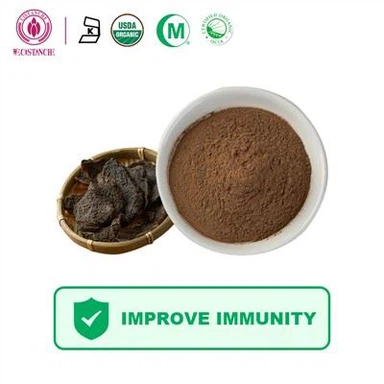
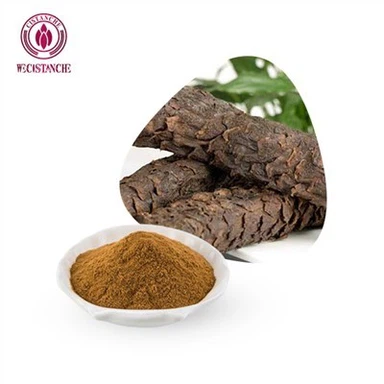
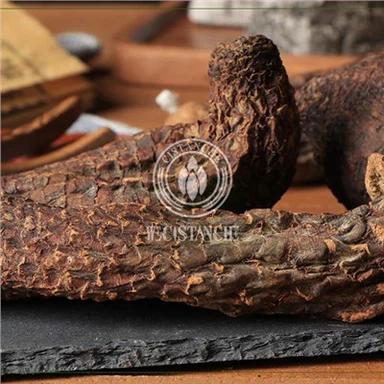
Cistanche is a traditional Chinese herbal medicine used for centuries to treat various health conditions, including kidney disease. It is derived from the dried stems of Cistanche deserticola, a plant native to the deserts of China and Mongolia. The main active components of cistanche are phenylethanoid glycosides, echinacoside, and acteoside, which have been found to have beneficial effects on kidney health.
Kidney disease, also known as renal disease, refers to a condition in which the kidneys are not functioning properly. This can result in a buildup of waste products and toxins in the body, leading to various symptoms and complications. Cistanche may help treat kidney disease ase through several mechanisms.
Firstly, cistanche has been found to have diuretic properties, meaning it can increase urine production and help eliminate waste products from the body. This can help relieve the burden on the kidneys and prevent the buildup of toxins. By promoting diuresis, cistanche may also help Reduce high blood pressure, a common complication of kidney disease.
Moreover, cistanche has been shown to have antioxidant effects. Oxidative stress, caused by an imbalance between the production of free radicals and the body's antioxidant defenses, plays a key role in the progression of kidney disease. ies help neutralize free radicals and reduce Oxidative stress, thereby protecting the kidneys from damage. The phenylethanoid glycosides found in cistanche have been particularly effective in scavenging free radicals and inhibiting lipid peroxidation.
Additionally, cistanche has been found to have anti-inflammatory effects. Inflammation is another key factor in the development and progression of kidney disease. Cistanche's anti-inflammatory properties help reduce the production of pro-inflammatory cytokines and inhibit the activation of inflammation mandatory pathways, thus alleviating inflammation in the kidneys.

Furthermore, cistanche has been shown to have immunomodulatory effects. In kidney disease, the immune system can be dysregulated, leading to excessive inflammation and tissue damage. Cistanche helps regulate the immune response by modulating the production and activity of immune cells, such as T cells and macrophages. This immune regulation helps reduce inflammation and prevent further damage to the kidneys.
Moreover, cistanche has been found to improve renal function by promoting the regeneration of renal tubes with cells. Renal tubular epithelial cells play a crucial role in the filtration and reabsorption of waste products and electrolytes. In kidney disease, these cells can be damaged, leading to damaged renal function. Cistanche's ability to promote the regeneration of these cells helps restore proper renal function and improve overall kidney health.
In addition to these direct effects on the kidneys, cistanche has been found to have beneficial effects on other organs and systems in the body. This holistic approach to health is particularly important in kidney disease, as the condition often affects multiple organs and systems. che has been shown to have protective effects on the liver, heart, and blood vessels, which are commonly affected by kidney disease. By promoting the health of these organs, cistanche helps improve overall kidney function and prevent further complications.
In conclusion, cistanche is a traditional Chinese herbal medicine used for centuries to treat kidney disease. Its active components have diuretic, antioxidant, anti-inflammatory, immunomodulatory, and regenerative effects, which help improve renal function and protect the kidneys from further damage. , cistanche has beneficial effects on other organs and systems, making it a holistic approach to treating kidney disease.