THE INTESTINAL MICROBIOME IN PATIENTS UNDERGOING BARIATRIC SURGERY: A SYSTEMATIC REVIEWⅠ
Dec 08, 2023
The human intestinal microbiota (IM) is formed basally from birth to 2 years of age due to endogenous and exogenous factors, such as environmental exposure, diet, contact with other individuals, pathogens, and the use of medications. Thus, the gut harbors diverse microbial communities, with the phyla Bacteroidetes and Firmicutes prevailing. However, viruses, bacteriophages, yeasts, and fungi establish a symbiosis with the host, such as the genera Clostridium, Lactobacillus, Escherichia, and Bifidobacterium.

Such communities possess a broad functional spectrum of biochemical activities, and this wealth of microbial genes is important for maintaining metabolic processes and other physiological regulations14,16. In general, the IM remains stable throughout life. However, the microbiome, understood as the microbiota, its metagenome, and the surrounding abiotic environmental conditions can undergo modification processes.
Dysbiosis of the intestinal microbiome, that is, an alteration in the balance of the microbial community composition, is associated with obesity, diabetes, and postsurgical adaptations, among other factors14. Within this context, dysbiosis of the gut microbiota is frequently found in cases of obesity and related metabolic diseases, such as type 2 diabetes mellitus (DM2). Currently, studies suggest that a specific microbiota profile may induce obesity in normal individuals and that already-installed obesity may contribute to shaping the profile of the existing microbiota.
Studies also point out that obesity is related to lower microbiota diversity and microbial gene richness (MGR), with a possible decrease in the Firmicutes-Bacteroidetes ratio. The microbiota composition in diabetics is similar to that in obese people. It is also attributed to this phenotype of the IM the increased efficiency of energy uptake in the large intestine of obese people, maintenance of a systemic inflammatory state, and greater resistance to insulin1,13.

Currently, there has been a considerable increase in the performance of bariatric surgeries worldwide as a way to treat obesity and consequently reduce cardiovascular risks and diabetes, making this procedure "metabolic surgery." Conventional bariatric procedures include vertical sleeve gastrectomy (SG), Roux-en-Y bypass (RYGB), and biliopancreatic diversion/duodenal switch (BPD). RYGB and BPD are restrictive and disabsorptive procedures, restricting food intake and reducing intestinal absorption.
The SG, on the contrary, is purely restrictive. Bariatric surgery is mainly aimed at long-lasting weight loss, but it is also found in the literature to lead to decreased mortality and improvement of associated comorbidities, such as DM2. Another effect of bariatric surgery, pointed out by studies, is the possible improvement of dysbiosis found in obese patients, which may lead to an increase in the diversity of the IM and the richness of microbial genes, in addition to an increase in specific genera of bacteria.
Such changes lead to weight loss, reduced systemic inflammatory status, increased insulin sensitivity, and various metabolic improvements17. The aim of this article was, by employing a systematic review, to analyze the possible influence of bariatric surgery on the composition of the gut microbiota and the metabolic modifications arising from it in postbariatric patients.
This article is a systematic literature review with a qualitative approach that seeks to analyze the changes in the IM of patients undergoing bariatric surgery. In addition, this article is a basic and comprehensive research of data collection from original studies or literature reviews, presentation of results, and confrontation with the current literature.

First, a search for descriptors related to the theme was performed, which were identified using the DeCS (Health Science Descriptors). Thus, the following terms were used for the search: "obesity," "intestinal dysbiosis," "bariatric surgery," and "microbiota," which enabled the formulation of the search, with AND or OR, considering the use of the terms in the title or abstract of the papers. Then, a search was made in PubMed, Google Scholar, and SciELO, and a total of 76 articles were found (Figure 1). After searching for the articles that met the preestablished criteria, the first step was to analyze the title and abstract of the articles, which was performed by two researchers, and then only the articles that were agreed upon by both were selected.

The inclusion criteria were as follows: articles in English or Portuguese that aimed at the theme of the review, that is, the analysis of intestinal dysbiosis in postbariatric patients, and recent articles from 2009 to 2022. Furthermore, we used articles with unavailable reading as exclusion criteria, as well as articles that did not meet the research objective, with the main focus on other aspects, such as a simple citation of the postbariatric IM, types of bariatric surgeries, and other related ones that did not assess the change in microbiota after the reduction surgery. Finally, 28 articles were chosen, which were studied and analyzed, to explain the outcome of the theme addressed. The research does not require approval from the Institution's Research Ethics Committee.
Natural Herbal Medicine For Relieving Constipation-Cistanche
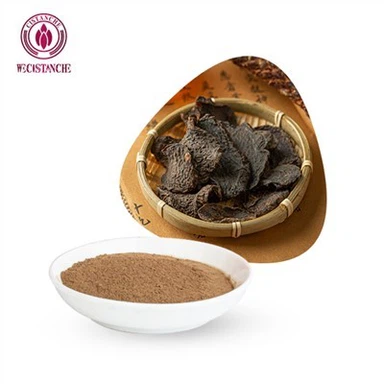
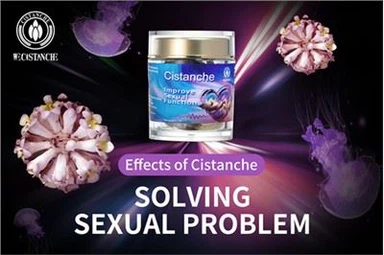
Cistanche is a genus of parasitic plants that belongs to the family Orobanchaceae. These plants are known for their medicinal properties and have been used in Traditional Chinese Medicine (TCM) for centuries. Cistanche species are predominantly found in arid and desert regions of China, Mongolia, and other parts of Central Asia. Cistanche plants are characterized by their fleshy, yellowish stems and are highly valued for their potential health benefits. In TCM, Cistanche is believed to have tonic properties and is commonly used to nourish the kidney, enhance vitality, and support sexual function. It is also used to address issues related to aging, fatigue, and overall well-being. While Cistanche has a long history of use in traditional medicine, scientific research on its efficacy and safety is ongoing and limited. However, it is known to contain various bioactive compounds such as phenylethanoid glycosides, iridoids, lignans, and polysaccharides, which may contribute to its medicinal effects.

Wecistanche's cistanche powder, cistanche tablets, cistanche capsules, and other products are developed using desert cistanche as raw materials, all of which have a good effect on relieving constipation. The specific mechanism is as follows: Cistanche is believed to have potential benefits for relieving constipation based on its traditional use and certain compounds it contains. While scientific research specifically on Cistanche's effect on constipation is limited, it is thought to have multiple mechanisms that may contribute to its potential to relieve constipation. Laxative Effect: Cistanche has long been used in Traditional Chinese Medicine as a remedy for constipation. It is believed to have a mild laxative effect, which can help promote bowel movements and induce constipation. This effect may be attributed to various compounds found in Cistanche, such as phenylethanoid glycosides and polysaccharides. Moistening the Intestines: Based on traditional use, Cistanche is considered to have moisturizing properties, specifically targeting the Intestines. Promoting hydration and lubrication of the Intestines may help soften tools and facilitate easier passage, thereby relieving constipation. Anti-inflammatory Effect: Constipation can sometimes be associated with inflammation in the digestive tract. Cistanche contains certain compounds, including phenylethanoid glycosides and lignans, that are believed to have anti-inflammatory properties. By reducing inflammation in the intestines, it may help improve bowel movement regularity and relieve constipation.