The Major Stilbene Compound Accumulated in The Roots Of A Resistant Variety Of Phoenix Dactylifera L. Activates Proteasome For A Path in Anti-Aging Strategy Part 2
Jun 13, 2023
3.5.2. Determination by MS/MS and NMR of the Major Differential Compound in Date Palm TAAR Resistant Date Palm
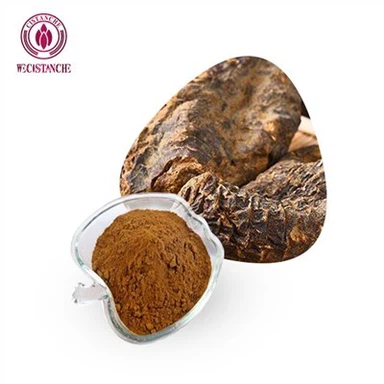
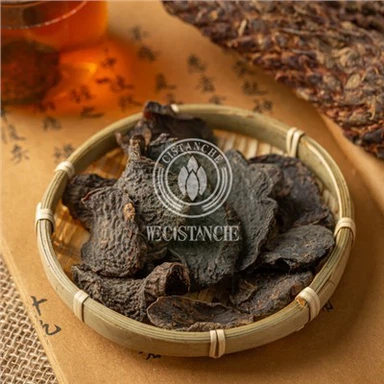
Glycoside of cistanche can also increase the activity of SOD in heart and liver tissues, and significantly reduce the content of lipofuscin and MDA in each tissue, effectively scavenging various reactive oxygen radicals (OH-, H₂O₂, etc.) and protecting against DNA damage caused by OH-radicals. Cistanche phenylethanoid glycosides have a strong scavenging ability of free radicals, a higher reducing ability than vitamin C, improve the activity of SOD in sperm suspension, reduce the content of MDA, and have a certain protective effect on sperm membrane function. Cistanche polysaccharides can enhance the activity of SOD and GSH-Px in erythrocytes and lung tissues of experimentally senescent mice caused by D-galactose, as well as reduce the content of MDA and collagen in lung and plasma, and increase the content of elastin, have a good scavenging effect on DPPH, prolong the time of hypoxia in senescent mice, improve the activity of SOD in serum, and delay the physiological degeneration of lung in experimentally senescent mice With cellular morphological degeneration, experiments have shown that Cistanche has the good antioxidant ability and has the potential to be a drug to prevent and treat skin aging diseases. At the same time, echinacoside in Cistanche has a significant ability to scavenge DPPH free radicals and can scavenge reactive oxygen species, prevent free radical-induced collagen degradation, and also has a good repair effect on thymine free radical anion damage.

Click On Does Cistanche Work
【For more info:george.deng@wecistanche.com / WhatApp:86 13632399501】
To determine the structure of the compound present in Phoenix dactylifera L. TAAR resistant, liquid–liquid extraction and preparative LC from TAAR extract were performed. Peak with Rt = 29 min was collected and investigated. MS/MS and NMR were then used for structure elucidation. The resulting data were as follows: 1H NMR (300 MHz, (CD3)2SO) δ = 6.08 ppm (t, J = 2 Hz, H40 ), 6.33 ppm (d, J = 2 Hz, H20 and H60 ), 6.47 ppm (s, H2, and H6), and (CH=CH) 6.55 ppm (d, J = 16.2 Hz, Ha), 6.72 ppm (d, J = 16.2 Hz, Hb). 13C NMR (75 MHz, (CD3)2SO) δ = 158.73 ppm (C30 and C50 ), 144.85 ppm (C3 and C5), 139.4 ppm (C10 ), 129.1 (C4), 124.9 ppm (C1), 124.7 ppm and 123.9 ppm (CH=CH), 105.4 ppm (2 CH, C2 and C6), and 104.1 ppm (2 CH, C20 and C60 ). NMR signals confirmed the presence of the double bond in trans (δ = 6.55 ppm), phenolic groups, and di- and trisubstituted aromatic rings: ESI-QTOF HRMS/MS observed m/z: 259.0607 [M-H]− (100%), and major fragments (MS/MS) 241.0499 [M-H-H2O]−, 217.0517 [M-H-C2H2O]−, 213.0551 [M-COH2O]−, 199.0389 [M-C2H4O2] −, 175.0393 [M-C4H4O2] −, 171.0455 [M-H-C3H4O3] − with, for all observed m/z, an error below 6 ppm compared to calculated m/z. The [M-H]− of the compound was 259.0607 m/z with two main fragments at 217.0517 [C12H9O4] − and 175.0408 [C10H7O3] −, corresponding to the consecutive losses of C2H2O, characteristic of stilbenoids [30]. A comparison of the observed spectral data with those reported in the literature [31,32] confirms the results and the presence of 3,30,4,5,50 -pentahydroxytrans-stilbene compound. Thus, the aromatic region of the 1H and 13C NMR spectra (Figures S7 and S8) exhibited features that were virtually the same as those observed for the stilbene 3,30,4,5,50 -pentahydroxy-trans-stilbene [32], as was further confirmed by the MS/MS fragmentation pattern of other compounds (Figure S5), which is consistent with the proposed structure.

3.6. The Stilbene Inhibition of FoA Mycelium Growth Is Associated with Date Palm Resistance to FoA
The effect of the five hydroxy-stilbenoid derivatives was evaluated at three different concentrations (50, 75, and 100 µg/mL) on three strains of in vitro FoA mycelium growth. As shown in Figure 4, for all tested compounds, as the concentration increased, mycelium growth inhibition increased as well. For instance, PHS at 50, 75, and 100 µg/mL inhibits FoA mycelium growth by 43, 64, and 90%, respectively, with an IC50 value of 56.8 µg/mL. However, according to the tested compound, IC50 values varied from <50.0 to 60.7 µg/mL (for resveratrol, oxyresveratrol, piceatannol, PHS, and isorthapontigenin, respectively), suggesting that hydroxyl and/or methoxy-substitutions of the B-ring of the basic chemical structure of stilbene can induce inhibition of FoA mycelium growth.

Although mechanisms of stilbene toxicity towards pathogenic fungus cells are not well understood, this class of secondary metabolites seems to target crucial metabolic or structural components of the cell. Accordingly, several studies suggest that the toxicity of several stilbenoids can be due to their capacity to penetrate lipophilic membranes and to disorganize/disrupt cell membrane integrity and structure [33].

3.7. Proteasome Activity of Pure Stilbene Compounds
In an additional study, we analyzed the activation and the protective effect on the proteasome of five stilbenoids. These are all hydroxy-stilbene including resveratrol (3,40 ,5- trihydroxy-trans-stilbene,), oxyresveratrol (3,30 ,5,50 -tetrahydroxy-stilbene), piceatannol (3,30 ,40 ,5-tetrahydroxy-stilbene), and isorhapontigenin (3,4’,5-Trihydroxy-3’-methoxy-transstilbene) and 3,30 ,4,5,50 -pentahydroxy-trans-stilbene (PHS) previously isolated. Figure 5A shows an increase in proteasome activity for PHS (25 and 50 µg/mL) as well as isorhapontigenin (5 µg/mL) when compared to the control cell condition. Since all these four commercially tested hydroxy-stilbenes were shown to be cytotoxic at concentrations higher than 5 µg/mL, proteasome activity was tested at this concentration, which has only a slight incidence on cell viability (less than 30% inhibition), and, as shown in Figure 5A, only moderate but significant induction in proteasome activity was observed for isorhapontigenin and piceatannol (122 and 112% respectively) as compared to the control. The result suggests that a loss of functional groups (hydroxy or methoxy) in the C3 and C5 position, which differentiates PHS from the other related hydroxy-stilbenoids, contributes to the attenuation of proteasome activity. Significantly, whereas OCl− oxidant (hypochlorite damager) inhibits at 30% proteasome activity of the control cells (Ct), all hydroxy stilbenoids were able to protect the proteolytic activities of the 20S proteasome within human NHDF-aged cells exposed to hypochlorite damage (Figure 5B).

Hydroxystilbene derivatives are poorly represented in the Arecaceae family; some of them have been isolated from seeds of Syagrus romanzoffiana [34], Aiphanes aculeata [35], or in roots of Phoenix dactylifera L. [36]. While other hydroxy stilbenes were found in Phoenix dactylifera L. [36], 3,30,4,5,50-pentahydroxy-trans-stilbene was reported for the first time in the date palm. This overexpression of stilbene in some cultivars is not surprising because of the evidence whereby induction of biosynthesis of stilbene phytoalexins and their accumulation fall in the category of active defense mechanisms of hosts against biotic stress [37]. The hydroxylated stilbenes are known to exhibit pronounced antioxidant activity [31,32]. Thus, the highest antioxidant activity exhibited by TAAR methanolic extract may certainly be explained by the presence of the high amount of 3,30,4,5,50 -pentahydroxytrans-stilbene. One endeavor by Lam et al. [38] has reported 3,30,4,5,50 -pentahydroxytrans-stilbene with therapeutic potential as a hypoglycemic agent, although it could very well be potent against a variety of diseases. Indeed, various hydroxylated stilbenes or stilbenoids have shown HIV-1 inhibitory activity [39], anti-inflammatory [40], and even anticancer activity [41,42]. Although many in-vitro studies have highlighted the cytoprotective effect of a polyphenol diet against oxidative stress or cell death, their ability in a high concentration or in the presence of metal ions to form hydroxyl radical can also display a prooxidant activity of polyphenol [43]. This could explain the interesting results reported in the study of Li and al., demonstrating the PHS-induced apoptosis in colorectal tumor cells via oxidative stress [44].
In this regard, the review of Bekhet and Eid highlights the duality of the effects of antioxidants. A strict management of antioxidant doses is needed to control the ROS effects and to target specific redox pathways involved in cancer progression without disrupting the overall redox balance in normal cells to avoid an enhanced cytotoxic effect of the therapy [45].

Furthermore, it is commonly used in cosmetics and dermatology as an epidermis and dermis cellular rejuvenator or antiwrinkle agent [46]. A comprehensive review [47,48] highlights the role played by stilbene polyphenols in molecular mechanisms of defense against oxidative stress, emphasizing the crucial role of the nuclear-factor-erythoid-2-related factor-2 (Nrf2) in the cellular defense process in mammals and aging-related diseases. These uses might be related to the proteasome activation in skin cells demonstrated in our study.
4. Conclusions
The roots of TAAR, a resistant variety of Phoenix dactylifera L., produced a significant amount of 3,30,4,5,50 -pentahydroxy-trans-stilbene compared to those of uninfected or infected varieties. Moreover, our spectrometric and semi-quantitative analysis showed that it is also the major product present in large amounts in methanolic extract of the resistant variety. Therefore, the main biological activities that we have identified in this extract may be correlated with the presence of this stilbene derivative. Overall, 3,30,4,5,50 - pentahydroxy-trans-stilbene appears to be a potential constitutive defense weapon of Phoenix dactylifera L. in the fight against Bayoud disease. Finally, 3,30,4,5,50 -pentahydroxytrans-stilbene demonstrated the ability to exert a new cellular protective role towards proteasome preservation and activation, which may contribute significantly to the field of proteasome-related diseases.

Author Contributions: R.B. and M.M.: selection of dates and experimental; A.P.N. and S.O.: antioxidant screening visualization, article improved; C.D.: spectroscopic characterizations; V.M.: conceptualization, methodology, validation of results, article writing, and supervision; M.A. and C.H.: pharmacological study and critical revision. All authors have read and agreed to the published version of the manuscript.
Funding: With the support of the Federation, Belgium, and the Belgian Development Cooperation. Very thankful to Belgian Fund for Scientific Research (FRS-FNRS), n◦34,553.08, and a grant from the FER 2007 (ULB) for financial assistance. Part of this work was supported by Conseil Départemental d’Eure et Loir and Région Centre-Val de Loire.
Acknowledgments: The authors acknowledge Jacques Dubois’ technical and material support (Laboratory of Bioanalytical Chemistry, Toxicology, and Applied Chemistry, ULB). We acknowledge the assistance of the cross-interactions between scientists from Morocco and other countries provided by the global network of Medical Skills Moroccans of the World (C3M). Belgian FRS-FNRS and ULB funding support the faculty of pharmacy’s analytical platform (APFP).
References
1. Djerbi, M. Bayoud disease in North Africa: History, distribution, diagnosis, and control. Date Palm J. 1982, 1, 153–197.
2. Boumedjout, H. Morocco Markets Bayoud-Resistant Strains of Date Palm; Nature Publishing Group: Berlin, Germany, 2010.
3. El Hadrami, A.; El Idrissi-Tourane, A.; El Hassan, M.; Daayf, F.; El Hadrami, I. Toxin-based in-vitro selection and its potential application to date palm for resistance to the bayou Fusarium wilt. Comptes Rendus Biol. 2005, 328, 732–744. [CrossRef] [PubMed]
4. Boulenouar, N.; Marouf, A.; Cheriti, A. Antifungal activity and phytochemical screening of extracts from Phoenix dactylifera L. cultivars. Nat. Prod. Res. 2011, 25, 1999–2002. [CrossRef] [PubMed]
5. Ziouti, A.; El Modafar, C.; Fleuriet, A.; El Boustani, S.; Macheix, J. Phenolic compounds in date palm cultivars sensitive and resistant to Fusarium oxysporum. Biol. Plant. 1996, 38, 451–457. [CrossRef]
6. El Modafar, C.; Tantaoui, A.; El Boustani, E. Effect of caffeoyl shikimic acid of date palm roots on activity and production of Fusarium oxysporum f. sp. albinism cell wall degrading enzymes. J. Phytopathol. 2000, 148, 101–108.
7. Ouahhoud, S.; Bencheikh, N.; Khoulati, A.; Kadda, S.; Mamri, S.; Ziani, A.; Baddaoui, S.; Eddabbeh, F.-E.; Elassri, S.; Lahmass, I. Crocus sativus L. Stigmas, Tepals and Leaves Ameliorate Gentamicin-Induced Renal Toxicity: A Biochemical and Histopathological Study. Evid.-Based Complement. Altern. Med. 2022, 2022, 7127037. [CrossRef]
8. Ouahhoud, S.; Khoulati, A.; Kadda, S.; Bencheikh, N.; Mamri, S.; Ziani, A.; Baddaoui, S.; Eddabbeh, F.-E.; Lahmass, I.; Benabbes, R. Antioxidant Activity, Metal Chelating Ability and DNA Protective Effect of the Hydroethanolic Extracts of Crocus sativus Stigmas, Tepals and Leaves. Antioxidants 2022, 11, 932. [CrossRef]
9. Ouahhoud, S.; Touiss, I.; Khoulati, A.; Lahmass, I.; Mamri, S.; Meziane, M.; Elassri, S.; Bencheikh, N.; Benabbas, R.; Asehraou, A. Hepatoprotective effects of hydroethanolic extracts of Crocus sativus tepals, stigmas and leaves on carbon tetrachloride-induced acute liver injury in rats. J. Physiol. Pharmacol. 2021, 25, 178–188. [CrossRef]
10. Ouahhoud, S.; Lahmass, I.; Bouhrim, M.; Khoulati, A.; Sabouni, A.; Benabbes, R.; Asehraou, A.; Choukri, M.; Bnouham, M.; Saalaoui, E. Antidiabetic effect of hydroethanolic extract of Crocus sativus stigmas, tepals and leaves in streptozotocin-induced diabetic rats. J. Physiol. Pharmacol. 2019, 23, 9–20.
11. Halliwell, B.; Gutteridge, J.M. Free Radicals in Biology and Medicine; Clarendon Press: Oxford, UK, 1989.
12. Pandey, K.B.; Rizvi, S.I. Plant polyphenols as dietary antioxidants in human health and disease. Oxid. Med. Cell. Longev. 2009, 2, 270–278. [CrossRef]
13. Ciechanover, A. The ubiquitin-proteasome pathway: On protein death and cell life. EMBO J. 1998, 17, 7151–7160. [CrossRef] [PubMed]
14. Chondrogianni, N.; Gonos, E.S. Proteasome activation as a novel antiaging strategy. IUBMB Life 2008, 60, 651–655. [CrossRef] [PubMed]
15. Hakkou, A.; Bouakka, M. In Vitro, Inhibitory Effect of the Extract Powder of Rosemary (Rosmarinus officinalis), Oleander (Nerium oleander), Grenadier (Punica granatum) on the Growth of Fusarium oxysporum fs Albidinis and In Vivo Test Antagonist Fungi on the Incidence and the Control of Vascular wilt Disease of Date Palm in Palm Grove in Figuig South of Morocco. Adv. Environ. Biol. 2015, 9, 126–132.
16. MAPM. Stratégies d’Intervention de la DPA de Figuig; Direction Provinciale De l’Agriculture De Figuig: Figuig, Morocco, 2009; p. 25.
17. Nacoulma, A.P.; Compaoré, M.; De Lorenzi, M.; Kiendrebeogo, M.; Nacoulma, O.G. In vitro Antioxidant and Anti-inflammatory Activities of Extracts from Nicotiana tabacum L. (Solanaceae) Leafy Galls Induced by Rhodococcus fascians. J. Phytopathol. 2012, 160, 617–621. [CrossRef]
18. Neri, F.; Mari, M.; Brigati, S. Control of Penicillium expansum by plant volatile compounds. Plant Pathol. 2006, 55, 100–105. [CrossRef]
19. Reinheckel, T.; Sitte, N.; Ullrich, O.; Kuckelkorn, U.; Davies, K.J.; Grune, T. Comparative resistance of the 20S and 26S proteasome to oxidative stress. Biochem. J. 1998, 335, 637–642. [CrossRef]
20. Chan, Y.; Kim, K.; Cheah, S. Inhibitory effects of Sargassum polycystin on tyrosinase activity and melanin formation in B16F10 murine melanoma cells. J. Ethnopharmacol. 2011, 137, 1183–1188. [CrossRef]
21. Basile, A.; Ferrara, L.; Del Pezzo, M.; Mele, G.; Sorbo, S.; Bassi, P.; Montesano, D. Antibacterial and antioxidant activities of ethanol extract from Paullinia cupana Mart. J. Ethnopharmacol. 2005, 102, 32–36. [CrossRef]
22. Mensor, L.L.; Menezes, F.S.; Leitão, G.G.; Reis, A.S.; dos Santos, T.C.; Coube, C.S.; Leitão, S.G. Screening of Brazilian plant extracts for antioxidant activity by the use of DPPH free radical method. Phytother. Res. 2001, 15, 127–130. [CrossRef]
23. Rice-Evans, C.A.; Miller, N.J.; Bolwell, P.G.; Bramley, P.M.; Pridham, J.B. The relative antioxidant activities of plant-derived polyphenolic flavonoids. Free Radic. Res. 1995, 22, 375–383. [CrossRef]
24. Makris, D.; Kefalas, P. Association between in vitro antiradical activity and ferric reducing power in aged red wines: A mechanistic approach. Food Sci. Technol. Int. 2005, 11, 11–18. [CrossRef]
25. Asanuma, M.; Miyazaki, I.; Ogawa, N. Dopamine-or L-DOPA-induced neurotoxicity: The role of dopamine quinone formation and tyrosinase in a model of Parkinson’s disease. Neurotox. Res. 2003, 5, 165–176. [CrossRef] [PubMed]
26. Meyskens, F.L.; Van Chau, H.; Tohidian, N.; Buckmeier, J. Luminol-enhanced chemiluminescent response of human melanocytes and melanoma cells to hydrogen peroxide stress. Pigment Cell Res. 1997, 10, 184–189. [CrossRef]
27. Fais, A.; Corda, M.; Era, B.; Fadda, M.B.; Matos, M.J.; Quezada, E.; Santana, L.; Picciau, C.; Podda, G.; Delogu, G. Tyrosinase inhibitor activity of coumarin-resveratrol hybrids. Molecules 2009, 14, 2514–2520. [CrossRef]
28. Ohguchi, K.; Tanaka, T.; Kido, T.; Baba, K.; Iinuma, M.; Matsumoto, K.; Akao, Y.; Nozawa, Y. Effects of hydroxytoluene derivatives on tyrosinase activity. Biochem. Biophys. Res. Commun. 2003, 307, 861–863. [CrossRef] [PubMed]
29. Hwang, J.S.; Hwang, J.S.; Chang, I.; Kim, S. Age-associated decrease in proteasome content and activities in human dermal fibroblasts: Restoration of the normal level of proteasome subunits reduces aging markers in fibroblasts from elderly persons. J. Gerontol. Ser. 2007, 62, 490–499. [CrossRef] [PubMed]
30. Stella, L.; De Rosso, M.; Daniel, A.; Vedova, A.D.; Flamini, R.; Traldi, P. Collisionally induced fragmentation of [M–H]− species of resveratrol and piceatannol investigated by deuterium labeling and accurate mass measurements. Rapid Commun. Mass Spectrom. 2008, 22, 3867–3872. [CrossRef]
31. Abbas, G.M.; Abdel Bar, F.M.; Baraka, H.N.; Gohar, A.A.; Lahloub, M.-F. A new antioxidant stilbene and other constituents from the stem bark of Morus nigra L. Nat. Prod. Res. 2014, 28, 952–959. [CrossRef]
32. Wang, M.; Jin, Y.; Ho, C.-T. Evaluation of resveratrol derivatives as potential antioxidants and identification of a reaction product of resveratrol and 2, 2-diphenyl-1-picryhydrazyl radical. J. Agric. Food Chem. 1999, 47, 3974–3977. [CrossRef]
33. Jian, W.; He, D.; Xi, P.; Li, X. Synthesis and biological evaluation of novel fluorine-containing stilbene derivatives as fungicidal agents against phytopathogenic fungi. J. Agric. Food Chem. 2015, 63, 9963–9969. [CrossRef]
34. Lam, S.-H.; Lee, S.-S. Unusual stilbenoids and a stilbenolignan from seeds of Syagrus romanzoffiana. Phytochemistry 2010, 71, 792–797. [CrossRef] [PubMed]
35. Lee, D.; Cuendet, M.; Vigo, J.S.; Graham, J.G.; Cabieses, F.; Fong, H.H.; Pezzuto, J.M.; Kinghorn, A.D. A novel cyclooxygenase inhibitory stilbenolignan from the seeds of Aiphanes aculeata. Org. Lett. 2001, 3, 2169–2171. [CrossRef] [PubMed]
36. Fernández, M.I.; Pedro, J.R.; Seoane, E. Two polyhydroxystilbenes from stems of Phoenix dactylifera. Phytochemistry 1983, 22, 2819–2821. [CrossRef]
37. Langcake, P.; Pryce, R. The production of resveratrol by Vitis vinifera and other members of the Vitaceae as a response to infection or injury. Physiol. Plant Pathol. 1976, 9, 77–86. [CrossRef]
38. Lam, S.-H.; Chen, J.-M.; Kang, C.-J.; Chen, C.-H.; Lee, S.-S. α-Glucosidase inhibitors from the seeds of Syagrus romanzoffiana. Phytochemistry 2008, 69, 1173–1178. [CrossRef]
39. Pflieger, A.; Waffo Teguo, P.; Papastamoulis, Y.; Chaignepain, S.; Subra, F.; Munir, S.; Delelis, O.; Lesbats, P.; Calmels, C.; Andreola, M.-L. Natural stilbenoids isolated from grapevine exhibiting inhibitory effects against HIV-1 integrase and eukaryote MOS1 transposase in vitro activities. PLoS ONE 2013, 8, e81184. [CrossRef]
40. Simmler, C.; Antheaume, C.; Lobstein, A. Antioxidant biomarkers from Vanda coerulea stems reduce irradiated HaCaT PGE-2 production as a result of COX-2 inhibition. PLoS ONE 2010, 5, e13713. [CrossRef]
41. Cheng, T.-C.; Lai, C.-S.; Chung, M.-C.; Kalyanam, N.; Majeed, M.; Ho, C.-T.; Ho, Y.-S.; Pan, M.-H. Potent anti-cancer effect of 3 0 -hydroxy pterostilbene in human colon xenograft tumors. PLoS ONE 2014, 9, e111814. [CrossRef]
42. Lee, K.W.; Kang, N.J.; Rogozin, E.A.; Oh, S.M.; Heo, Y.S.; Pugliese, A.; Bode, A.M.; Lee, H.J.; Dong, Z. The resveratrol analog 3, 5, 30, 40 , 50 -pentahydroxy-trans-stilbene inhibits cell transformation via MEK. Int. J. Cancer 2008, 123, 2487–2496. [CrossRef]
43. Watjen, W.; Michels, G.; Steffan, B.; Niering, P.; Chovolou, Y.; Kampkotter, A.; Tran-Thi, Q.-H.; Proksch, P.; Kahl, R. Low concentrations of flavonoids are protective in rat H4IIE cells whereas high concentrations cause DNA damage and apoptosis. J. Nutr. 2005, 135, 525–531. [CrossRef]
44. Li, H.; Wu, W.K.K.; Zheng, Z.; Che, C.T.; Li, Z.J.; Xu, D.D.; Wong, C.C.M.; Ye, C.G.; Sung, J.J.Y.; Cho, C.H. 3, 30, 4, 5, 50 - pentahydroxy-trans-stilbene, a resveratrol derivative, induces apoptosis in colorectal carcinoma cells via oxidative stress. Eur. J. Pharmacol. 2010, 637, 55–61. [CrossRef] [PubMed]
45. Bekhet, O.H.; Eid, M.E. The interplay between reactive oxygen species and antioxidants in cancer progression and therapy: A narrative review. Transl. Cancer Res. 2021, 10, 4196. [CrossRef] [PubMed]
46. Olaf, H.; Waltraud, K.-M.; Kerstin, E.; Frank, J.; Claudia, J.; Anke, K.; Ursula, E.; Marianne, W.-L.; Anemone, T.; Soraya, H. Cellular rejuvenation compounds. Henkel. EP2005941A2; European Patent Office, 29 May 2008.
47. Kasiotis, K.M.; Pratsinis, H.; Kletsas, D.; Haroutounian, S.A. Resveratrol and related stilbenes: Their anti-aging and anti-angiogenic properties. Food Chem. Toxicol. 2013, 61, 112–120. [CrossRef] [PubMed]
48. Reinisalo, M.; Kårlund, A.; Koskela, A.; Kaarniranta, K.; Karjalainen, R.O. Polyphenol Stilbenes: Molecular Mechanisms of Defence against Oxidative Stress and Aging-Related Diseases. Oxid. Med. Cell. Longev. 2015, 2015, 340520. [CrossRef] [PubMed]
Disclaimer/Publisher’s Note: The statements, opinions, and data contained in all publications are solely those of the individual author(s) and contributor(s) and not of MDPI and/or the editor(s). MDPI and/or the editor(s) disclaim responsibility for any injury to people or property resulting from any ideas, methods, instructions, or products referred to in the content.
【For more info:george.deng@wecistanche.com / WhatApp:86 13632399501】