The Mechanisms And Progress Of Traditional Chinese Medicine In The Treatment Of Erectile Dysfunction
Mar 07, 2025
Abstract
Erectile dysfunction (ED) has emerged as a common high-incidence disease impacting male health, particularly among middle-aged and elderly men. In traditional Chinese medicine (TCM), this condition is referred to as impotence.
Traditional Chinese medicine boasts a long-standing history in the treatment of ED, offering unique advantages in addressing both symptoms and underlying causes. Numerous classical TCM formulations and compound preparations have demonstrated therapeutic effects by:
Modulating androgen levels
Influencing the relaxation and contraction signaling pathways of corpus cavernosum smooth muscle at multiple molecular biological levels
This article comprehensively reviews:
The mechanisms affecting male erectile function
The mechanisms and progress of TCM in treating ED
The aim is to provide novel insights into the treatment of ED.
Keywords
Traditional Chinese Medicine; Erectile Dysfunction; Molecular Mechanisms; Signaling Pathways
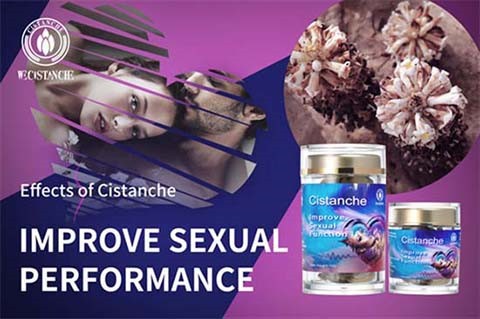
Tcm Herbal Cistanche Supplements For Treat Erectile dysfunction (ED)
Erectile dysfunction (ED) is defined as the persistent inability to achieve and/or maintain an erection sufficient for satisfactory sexual intercourse [1]. In traditional Chinese medicine (TCM), ED is described as "wei er bu ju" (flaccidity without erection), "ju er bu jian" (erection without firmness), or "jian er bu jiu" (firmness that does not last long), collectively referred to as yangwei (impotence) [2].
ED not only affects the quality of life of patients but also has significant implications for their psychological well-being and family happiness.
1. Mechanisms Affecting Penile Erection
Penile erection is essential for achieving satisfying sexual activity. It is a complex neurovascular process regulated by psychological and hormonal factors, involving the endothelium, smooth muscle, psychological state, nervous system, and endocrine system [3].
The pathogenesis of ED is complex and involves multiple risk and causative factors, including:
Aging
Diabetes
Dyslipidemia
Hypertension
Cardiovascular diseases
Obesity
Metabolic syndrome
Hyperhomocysteinemia
Lack of physical activity
Smoking [1]
These factors can directly or indirectly affect the pathological mechanisms of ED, which include:
Endothelial dysfunction
Hormonal imbalances
Neurogenic factors
Hemodynamic disturbances [4]

1.1 Regulation Mechanism of Androgens on Erectile Function
Androgens are the primary hormones responsible for initiating, developing, and maintaining male primary and secondary sexual characteristics [5]. They regulate penile erection through both central and peripheral pathways [6-7] and also influence the duration of erection [8].
Androgen deficiency inhibits the expression of nitric oxide synthase (NOS) and nitric oxide (NO)/cyclic guanosine monophosphate (cGMP) pathway-related ion channel proteins. It also induces oxidative stress, apoptosis, and fibrosis of corpus cavernosum cells, ultimately leading to ED [9].
Many traditional Chinese medicines (TCMs) exhibit androgen-like and gonadotropin-like effects. For example, Cnidium monnieri (Shechuangzi), Cistanche (Roucongrong), Eucommia ulmoides (Duzhong), and Semen Cuscutae (Tusizi) can increase serum testosterone levels, enhance libido, and improve ED in patients with hypogonadism.
1.2 Regulation Mechanism of the Nervous System on Erectile Function
The central regulation of penile erection involves the paraventricular nucleus of the hypothalamus, which releases oxytocin and dopamine to transmit erectile signals to the sacral spinal cord (S2-S4). This triggers the release of acetylcholine and NO from the parasympathetic nerve fibers in the corpus cavernosum, thereby controlling erection.
Erectile signals can also be transmitted reflexively through the dorsal nerve of the penis and pudendal nerve to the sacral spinal cord, or via the hypogastric nerve from the pelvic and perineal region to the thoracolumbar spinal center, inducing erection [10].
Neurotransmitters such as dopamine, excitatory amino acids (N-methyl-D-aspartate, NMDA), and oxytocin can activate related neurons or induce erection through electrical stimulation. In contrast, gamma-aminobutyric acid (GABA) agonists and opioid drugs can inhibit penile erection [11].

1.3 Mechanisms of Corpus Cavernosum Smooth Muscle Relaxation
1.3.1 NO/cGMP Pathway
Upon sexual stimulation, non-adrenergic non-cholinergic (NANC) neurons or endothelial cells respond to acetylcholine by releasing NO, which diffuses into corpus cavernosum smooth muscle cells and activates soluble guanylate cyclase (sGC). This enzyme converts guanosine triphosphate (GTP) into cyclic guanosine monophosphate (cGMP).
Activated cGMP-dependent protein kinase (PKG) then phosphorylates substrates, leading to smooth muscle relaxation and penile erection [12].
Studies have shown that NO also controls erectile function and sexual behavior by acting on the paraventricular nucleus of the hypothalamus, medial preoptic area, and extrahypothalamic regions [13].
Phosphodiesterase type 5 (PDE5) can inactivate cGMP, thereby terminating the NO/cGMP-mediated smooth muscle relaxation process [14]. PDE5 inhibitors enhance penile erection by inhibiting cGMP degradation and improving endothelial function [15].
Certain TCMs, such as Epimedium (Yinyanghuo), have PDE5 inhibitory effects, while others increase NO and cGMP levels in the corpus cavernosum, effectively improving ED.
1.3.2 cAMP Pathway
The smooth muscle of the corpus cavernosum contains G-protein-coupled receptors, which respond to endogenous peptides (e.g., vasoactive intestinal peptide (VIP) and calcitonin gene-related peptide (CGRP)) and prostaglandins. These peptides activate adenylate cyclase, increasing intracellular cyclic adenosine monophosphate (cAMP) levels.
cAMP activates protein kinase A (PKA), which facilitates calcium ion efflux, leading to smooth muscle relaxation [16].
Certain TCMs, such as Cistanche (Roucongrong), Ligusticum chuanxiong (Chuanxiong), and Coptis chinensis (Huanglian), can mediate cavernous smooth muscle relaxation by inhibiting cAMP degradation, thereby improving ED.
1.3.3 Carbon Monoxide (CO) and Hydrogen Sulfide (H₂S) Pathways
CO is synthesized from heme oxygenase (HO), including both constitutive and inducible forms. It can activate sGC to produce cGMP, promoting erection. Although CO-induced sGC activation is weaker than NO, CO can significantly enhance YC-1-induced sGC activation, independent of heme oxidation state [17]. The CO pathway complements or enhances the NO/cGMP pathway in penile erection regulation [18].
H₂S significantly increases cGMP levels by inhibiting PDE5 activity [19]. It can also improve ED by inhibiting the RhoA/Rho-associated protein kinase (ROCK) signaling pathway [20-21].
Additionally, H₂S activates calcium-dependent or ATP-sensitive potassium channels, leading to cell membrane hyperpolarization, reducing intracellular calcium ion levels, and thereby promoting penile erection [22].

1.4 Signal Pathways Related to Corpus Cavernosum Smooth Muscle Contraction
1.4.1 RhoA/Rho Kinase Pathway
The Rho kinase pathway promotes penile vascular contraction by inhibiting myosin light chain phosphatase (MLCP). At the same time, it increases myosin light chain (MLC) phosphorylation and calcium ion sensitivity.
When intracellular calcium ions increase and bind to calmodulin, a conformational change occurs, forming a MLC-calmodulin complex, which is then phosphorylated. This leads to the formation of actin-myosin complexes, resulting in smooth muscle contraction and penile detumescence [23].
Additionally, Rho kinase can indirectly downregulate the NO/cGMP pathway through two mechanisms:
Reducing endothelial nitric oxide synthase (eNOS) expression
Directly inhibiting eNOS activation [24]
Traditional Chinese medicine (TCM) Epimedium (Yinyanghuo) acts as a Rho kinase inhibitor, improving ED in a NO-independent manner.
1.4.2 Mitogen-Activated Protein Kinase (MAPK) Pathway
The Raf protein kinase, mitogen-activated protein kinase (MAPK), and extracellular signal-regulated kinase 1/2 (ERK1/2) participate in a cascade reaction that produces phosphorylated ERK1/2.
Phosphorylated ERK1/2 increases intracellular calcium ion concentration and also contributes to corpus cavernosum smooth muscle contraction by:
Inhibiting eNOS activity
Activating the endothelin-1 (ET-1) pathway [25]
1.5 Notch Signaling Pathway
The Notch signaling pathway plays a central role in coordinating the number of fibroblasts in the penile corpus cavernosum, norepinephrine sensitivity, and the overall erectile process.
Studies have shown that penile erection temporarily alters the spatial arrangement of corpus cavernosum cells, downregulating Notch pathway signaling. This significantly increases fibroblast numbers, enhances penile blood flow, and improves erectile frequency, thereby helping to alleviate ED [26].