The Postmortem Analysis Of Pemoxatide Phase III Showed That Hb Reached The Standard With Higher Rate And Better Safety
Oct 29, 2024
Pemoxatide is a novel long-acting polyethylene glycol (PEG) erythropoietin (EPO) simulated peptide, which is a class 1 innovative drug independently developed in China and approved by the National Medical Products Administration (NMPA) in June 2023 for the treatment of anemia caused by chronic kidney disease (CKD) [1].
A Phase III study on dialysis patients with CKD anemia was previously published in the Lancet sub-journal eClinicalMedicine [2]. This randomized, multicenter, open-label, non-inferior study included 372 patients from 43 research centers in China, randomized 2: 1 Assigned to the pemoxatide group (once every 4 weeks, subcutaneous injection) or the alfa iodine group (1-3 times a week, intravenous or subcutaneous injection).

Click to Cistanche for kidney disease
The results confirmed that pemoxatide and rHuEPO (short-acting recombinant human erythropoietin) alfaepotin were equally effective and safe in the treatment of anemia in Chinese dialysis patients. During the 52-week study period, average hemoglobin (Hb) levels in the pemoxatide group remained within the target range.
Furthermore, the study found that the difference between the groups (0.29g/dL, 95%CI: 0.11-0.47) on the primary endpoint (mean change in Hb levels from baseline to the efficacy evaluation period) was higher than zero (0.11) in the pemoxatide and control groups, indicating a trend toward better efficacy. In addition, pemoxatide had a lower incidence of composite safety endpoint events (including death, stroke, or myocardial infarction) (2.4% vs 4.0%) and other cardiovascular events (requiring hospitalization for congestive heart failure or unstable angina pectoris) (1.2% vs 4.0%).
However, due to the non-inferior design used in the Phase III clinical study, it does not support the conclusion that pemoxatide is superior in efficacy or safety. To this end, the researchers conducted a post hoc analysis [3] to calculate and analyze the proportion of patients with different Hb levels during the efficacy evaluation period, aiming to explore whether pemoxatide has further benefits for dialysis patients with CKD anemia.
Pemoxatide is more likely to make patients achieve Hb standard
Analysis showed that the proportion of patients with average Hb level ≥11 g/dL in the Pemoxatide group was significantly higher than that in the epotin alfa control group (63.9% vs 44.7%, P=0.0003). More patients in the pemoxatide group maintained Hb levels within the target range of 11 to 12g/dL (35.2% vs 22.8%, P=0.0164) and 11 to 13g/dL (57.5% vs 36.8%, P=0.0002) compared to the control group.

Patients with specific baseline characteristics are more likely to benefit from pemoxatide therapy
Subgroup analysis showed that among patients ≤65 years of age at baseline, with essential hypertension, CKD stage 5 ≥12 months, C-reactive protein (CRP) ≤11.5mg/L, serum ferritin between 100 and 500ng/mL, and transferrin saturation ≥20%, Compared with the control group, more patients in Pemoxatide group maintained Hb level in the target range of 11-12 g/dL (all P <0.05). Similarly, there were similar results in achieving Hb levels maintained in the target range of 11 to 13g/dL.
Pemoxatide has more safety advantages
In terms of safety, the incidence of treatment-related adverse events of particular concern was analyzed, and the incidence of hypertension, hepatotoxicity, and hyperkalemia was lower in the pemoxatide group than in the epotin alfa control group.
This study concluded that pemoxatide was more likely to bring the hemoglobin levels of dialysis patients with CKD anemia within the guideline-recommended target range and had a better safety profile than alfa Ebotin.
Expert review
The study's lead author, Professor Chen Jianghua from the First Affiliated Hospital of Zhejiang University School of Medicine, said: "The Phase III clinical study has fully confirmed that pemoxatide is no less effective and safe than the traditional short-acting erythropoietin (Afaepotin), and this postmortem analysis further supports the advantages of pemoxatide in both efficacy and safety: On the one hand, more patients can achieve hemoglobin standards; On the other hand, patients treated with pemoxatide had fewer adverse effects such as hypertension, which is one of the most common adverse effects of erythropoietic stimulants (ESAs) and can increase the risk of cardiovascular adverse events. The Phase III clinical study also found that the incidence of cardiovascular adverse events was lower in the pemoxatide group, and the advantages of pemoxatide in cardiovascular safety deserve further study and observation.

In short, the incidence of anemia in dialysis patients in China is very high, but the hemoglobin standard rate is not ideal. The efficacy and safety advantages of pemoxatide will help improve the compliance rate, compared to the short-acting erythropoietin two to three times a week, pemoxatide only once a month, which will greatly improve patient compliance, thereby ensuring long-term hemoglobin compliance. It is expected that pemoxatide will benefit more patients with renal anemia and improve their quality of life."
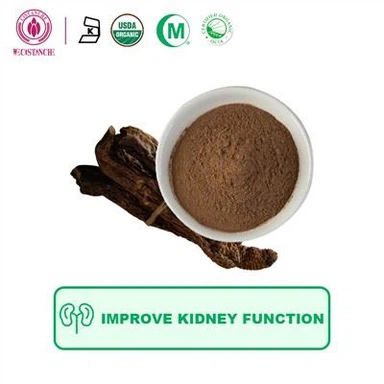
How Does Cistanche Treat Kidney Disease?
Cistanche is a traditional Chinese herbal medicine used for centuries to treat various health conditions, including kidney disease. It is derived from the dried stems of Cistanche deserticola, a plant native to the deserts of China and Mongolia. The main active components of cistanche are phenylethanoid glycosides, echinacoside, and acteoside, which have been found to have beneficial effects on kidney health.
Kidney disease, also known as renal disease, refers to a condition in which the kidneys are not functioning properly. This can result in a buildup of waste products and toxins in the body, leading to various symptoms and complications. Cistanche may help treat kidney disease ase through several mechanisms.
Firstly, cistanche has been found to have diuretic properties, meaning it can increase urine production and help eliminate waste products from the body. This can help relieve the burden on the kidneys and prevent the buildup of toxins. By promoting diuresis, cistanche may also help Reduce high blood pressure, a common complication of kidney disease.
Moreover, cistanche has been shown to have antioxidant effects. Oxidative stress, caused by an imbalance between the production of free radicals and the body's antioxidant defenses, plays a key role in the progression of kidney disease. ies help neutralize free radicals and reduce Oxidative stress, thereby protecting the kidneys from damage. The phenylethanoid glycosides found in cistanche have been particularly effective in scavenging free radicals and inhibiting lipid peroxidation.
Additionally, cistanche has been found to have anti-inflammatory effects. Inflammation is another key factor in the development and progression of kidney disease. Cistanche's anti-inflammatory properties help reduce the production of pro-inflammatory cytokines and inhibit the activation of inflammation mandatory pathways, thus alleviating inflammation in the kidneys.

Furthermore, cistanche has been shown to have immunomodulatory effects. In kidney disease, the immune system can be dysregulated, leading to excessive inflammation and tissue damage. Cistanche helps regulate the immune response by modulating the production and activity of immune cells, such as T cells and macrophages. This immune regulation helps reduce inflammation and prevent further damage to the kidneys.
Moreover, cistanche has been found to improve renal function by promoting the regeneration of renal tubes with cells. Renal tubular epithelial cells play a crucial role in the filtration and reabsorption of waste products and electrolytes. In kidney disease, these cells can be damaged, leading to damaged renal function. Cistanche's ability to promote the regeneration of these cells helps restore proper renal function and improve overall kidney health.
In addition to these direct effects on the kidneys, cistanche has been found to have beneficial effects on other organs and systems in the body. This holistic approach to health is particularly important in kidney disease, as the condition often affects multiple organs and systems. che has been shown to have protective effects on the liver, heart, and blood vessels, which are commonly affected by kidney disease. By promoting the health of these organs, cistanche helps improve overall kidney function and prevent further complications.
In conclusion, cistanche is a traditional Chinese herbal medicine used for centuries to treat kidney disease. Its active components have diuretic, antioxidant, anti-inflammatory, immunomodulatory, and regenerative effects, which help improve renal function and protect the kidneys from further damage. , cistanche has beneficial effects on other organs and systems, making it a holistic approach to treating kidney disease.