The Rise Of China-Chic Health Care, The Rise Of Chinese Nourishing Health Care, Under The Wind Of China-Chic, The Same Source Of Medicine And Food Will Usher in A Big Outbreak
Aug 04, 2023
"In recent years, there have been waves of" China-Chic "in the market. China-Chic style and Chinese style elements have become the new fashion pursuit of many young people. China-Chic style is used to attract young people's attention in the packaging of many products, such as snack bags, cosmetics gift boxes, beverage bottles, etc. China-Chic style is not only reflected in clothing, jewelry, food, and other fields but also visible to the naked eye in health care and nourishment. More and more young people prefer Chinese nourishment. “

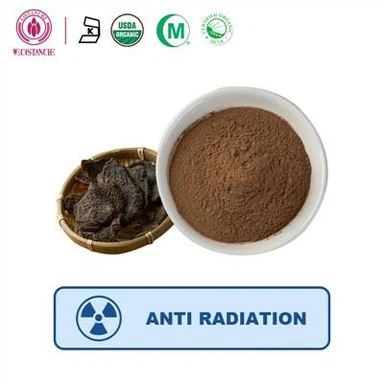
Chinese medicinal materials such as cistanche deserticola
01
Nourishing "China-Chic Style"

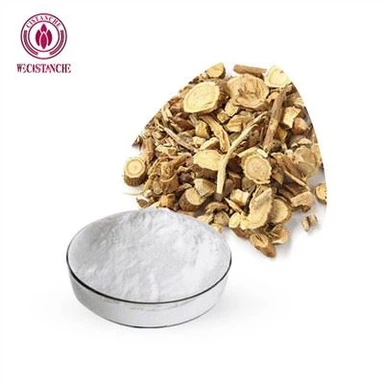
Chinese medicines such as ginseng, Cistanche deserticola, and astragalus
According to the "2017-2022 China Health and Wellness Industry Market Development Status and Investment Prospects Prediction Report", the current size of China's health and wellness market has exceeded trillion yuan, with young people aged 18-35 accounting for 83.7%. On average, each urban resident spends more than 1000 yuan per year on health and wellness. Among the purchasing population of traditional Chinese medicine nourishing dietary therapy products, more than half of them are born in the 1990s, and a total of 70% are born in the 1980s and 1990s.
Chinese tonic, a tonic that contains thousands of years of Chinese health wisdom, will undoubtedly become a consumption craze when the health trend leads and China-Chic health rises.

Chinese medicines such as ginseng, Cistanche deserticola, and astragalus
02
Homologous medicine and food dominate the mainstream
The concept of "medicinal and food homology" is proposed by traditional Chinese medicine, which refers to many foods that are drugs without an absolute boundary between them. Foods well-known to the public, such as yams, dates, and lotus seeds, are "medicinal and food homology" substances and have been explicitly included in the list of medicinal and food homology by the Health Commission. They can be sold as food or traditional Chinese medicine.
As early as in the Pre Qin Huangdi Neijing, the idea of "medicine to dispel it, and food to follow" has formed the overall theoretical system of food and medicine, such as four qi, five flavors, ups and downs, ups and downs, thick and thin smell, and toxicity. In people's daily lives, people use various methods such as grilling, roasting, simmering, stewing, braising, cooking, stewing, frying, boiling, and roasting to cook various foods from all over the world, satisfying their appetite, but also deriving the concept of homologous food and medicine, and healthy diet.
China's profound cultural foundation of traditional Chinese medicine, which has inherited the idea of medicine and food being the same source for thousands of years, has the profound endorsement of Traditional Chinese medicine, making the main social groups of the new era the post-90s and the Z-era (post-95) very much follow the idea of medicine and food being the same source, setting off round after round of nourishing and health care upsurge. The concept of homology between medicine and food is now permeated in many people's tea, food, soup, and wine.
In Chinese tonics, "medicinal and food homologous" substances are the future mainstream.
In 2018, the Health Commission carried out the work of pilot inclusion of nine substances, such as Tangshan, Cistanche deserticola, and astragalus, into the list of drug and food homology, which not only allowed people to buy Chinese and western decoction pieces with drug and food homology in pharmacies without prescription, further shortened the distance between people and drug and food homology products and Chinese tonic products, but also made Cistanche deserticola, which has inherited Chinese medicine culture for thousands of years, known to the public, Make this traditional Chinese medicine, one of the nine immortal herbs in China known as "desert ginseng", more fully utilized.
At present, the list of medicinal and food sources is gradually expanding and improving.
With the further maturity of policies and the favorable policy environment of traditional Chinese medicine, more enterprises can rely on traditional Chinese medicine or traditional medical institutions to develop food that is in line with the trend of the new era based on some targeted and effective prescriptions provided by them, utilizing multiple Chinese tonic products with the same origin of medicine and food, and relying on the technology of the modern food industry. For example, compared with ginseng, Cistanche deserticola, codonopsis pilosula, and astragalus, the biggest difference is their biggest advantage, which is that they have no side effects. Therefore, it has always been praised by doctors as "warm tonifying" and "mild in nature", and is a model of "medicinal and food homology", which can be used as a normal food to satisfy hunger, and users do not avoid it.
03 What is Cistanche deserticola
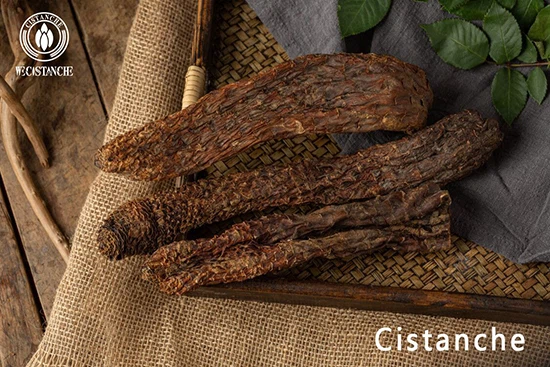
Desert living cistanche
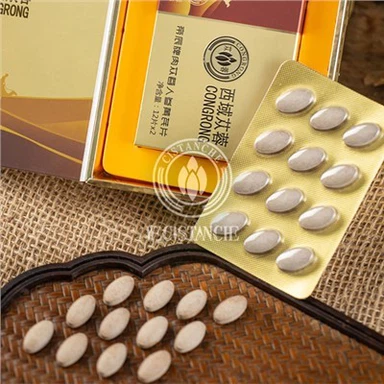
Click here to view Cistanche products
【Ask for more】 Email:cindy.xue@wecistanche.com / Whats App: 0086 18599088692 / Wechat: 18599088692
Cistanche deserticola Y.C.Ma or Cistanche tubulosa (Schenk) Wish, traditional Chinese medicine for tonifying the kidney, is recorded in the 2015 edition of the Chinese Pharmacopoeia. It is a succulent stem of the genus Cistanche in the family Lewandaceae, mainly distributed in Inner Mongolia, Ningxia, Gansu, Qinghai, and Xinjiang. Cistanche deserticola and Tubular Cistanche deserticola have extremely high medicinal value. They enter the kidney and large intestine meridians. The Compendium of Materia Medica records that Cistanche deserticola "is a nourishing but not severe substance, so it is called Cistanche deserticola" and "it is warm but can moisten, replenish but not dry, smooth but not diarrhea".
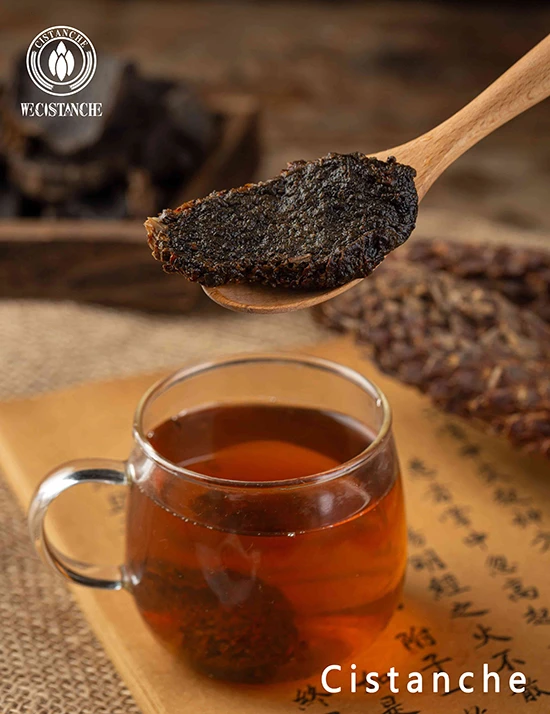
Cistanche tea
It has the effects of tonifying kidney yang, benefiting essence and blood, moistening the intestines, and defecating. Traditionally, it is used for kidney yang deficiency, deficiency of essence and blood, impotence, infertility, soreness of the waist and knees, weakness of muscles and bones, and constipation due to intestinal dryness, It is the most frequently used tonifying kidney yang medicine in history. Modern pharmacological research shows that Cistanche deserticola has many effects such as improving sexual function, anti-aging, improving learning and memory ability, anti-Alzheimer's disease, defecation, etc. It is widely used in clinical prescriptions of Chinese medicine, traditional Chinese patent medicines, and simple preparations and health care products [2-5].
The main chemical components of Cistanche deserticola are phenylethanoid glycosides, iridoids and their glycosides, lignans, and polysaccharides [6]. Modern pharmacological studies have shown that phenylethanoid glycosides are the most important active substances in Cistanche deserticola, and have obvious anti-Alzheimer's disease, Parkinson's disease, myocardial ischemia, and other effects [7].