The Steaming Processing Of Chinese Materia Medica In Lei Gong Pao Zhi Lun: Traditional Craftsmanship And Modern Research Progress
Sep 15, 2026
Abstract
Lei Gong Pao Zhi Lun is the earliest specialized monograph on the processing (paozhi) of Chinese medicinal materials in China. The book is divided into three volumes (upper, middle, and lower) and records processing methods for 268 medicinal substances, of which 74 involve steaming. Steaming is a commonly used paozhi method and includes plain steaming and steaming with excipients. This article summarizes the steamed medicines documented in Lei Gong Pao Zhi Lun and their modern inheritance, and organizes modern research progress on the mechanisms of contemporary processing for each steamed medicine described in the text. The results indicate that steaming has multiple functions, including softening crude drugs, removing non-medicinal parts, enhancing efficacy, and reducing adverse reactions. Among them, Polygonatum (Huangjing), Schisandra (Wuweizi), Rehmannia (Dihuang) and many others show significantly enhanced bioactivity after steaming, which has been validated in multiple disease and TCM syndrome models.
Keywords: Lei Gong Pao Zhi Lun; steaming; decoction piece craftsmanship; research progress; processing principles
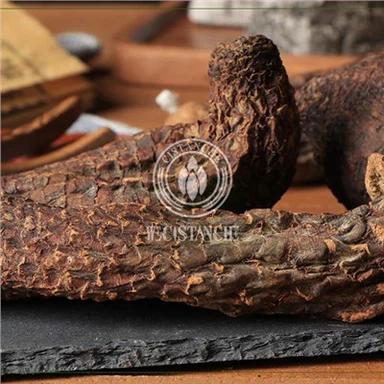
A processing workshop of a Cistanche (Rou Cong Rong) factory named Wecistanche.

1. Background: Why Lei Gong Pao Zhi Lun Matters
Lei Gong Pao Zhi Lun was compiled during the Liu Song period of the Southern and Northern Dynasties and was written by Lei [illegible]. It is the first processing monograph in Chinese history. The original text recorded 268 medicinal substances and introduced many processing techniques such as steaming, stir-frying, roasting, calcining, etc., and described detailed procedures for each substance. The book comprehensively summarized the paozhi techniques and experience available at that time, representing the first large-scale systematic overview of processing technology in China and exerting profound influence on later generations.
1.1 What is "steaming" in paozhi?
Steaming is a processing method that uses water vapor to heat medicinal materials (or the materials mixed with excipients). The cleaned or cut material is placed in a steaming vessel, with or without liquid excipients, and heated over water to a certain degree. Steaming without excipients is called plain steaming; steaming with excipients is called excipients-added steaming. Depending on the excipient, it can be further subdivided into wine steaming, vinegar steaming, black soybean juice steaming, etc. [1]
1.2 Historical evolution of steaming
The history of steaming can be traced back to the Wushier Bingfang (Prescriptions for Fifty-Two Diseases) from the Spring and Autumn / Warring States period, which contains records such as "steam [illegible] lamb [arm]" and "old Huo (Agastache), steam it and extract its juice" [2]. In the Eastern Han dynasty, Zhang Ji proposed a method of soaking with "bitter wine" (vinegar) before steaming. Lei Gong Pao Zhi Lun expanded steaming by adding honey, wine, licorice, Polygonatum, and other single or multiple excipients for mixed steaming [3]. Thereafter, steaming was widely applied in paozhi: it developed rapidly in the Tang and Song dynasties, reached a peak in the Ming and Qing dynasties, and continues to this day.
1.3 From "experience-based" to "parameter-based" processing
During the Tang–Song period, steaming moved away from vague experience and entered a stage where process parameters matched material characteristics. For hard, dense-fiber materials, physicians used a heat gradient such as "high heat for the initial steaming, moderate heat for continued steaming," combined with durations like "one steaming to three steamings." Steaming also evolved from a general operation into personalized processing. By the Ming–Qing period, special processes such as "nine cycles of steaming and sun-drying" were formed. With modern pharmaceutical technology, steaming equipment and parameters became precisely controllable. Methods such as vacuum low-temperature steaming and dynamic circulating steam can reduce the loss of heat-sensitive components and promote degradation of toxic components, significantly improving efficacy and quality stability.
A processing workshop of a Cistanche (Rou Cong Rong) factory named Wecistanche.

2. Steamed Medicines in Lei Gong Pao Zhi Lun and Their Modern Inheritance
This article organizes the 74 steamed medicines recorded in Lei Gong Pao Zhi Lun and summarizes their modern inheritance and processing functions. Through steaming, medicines can achieve goals such as removing non-medicinal parts, facilitating cutting and pulverization, reducing toxicity or adverse reactions, and changing medicinal properties. Researchers have widely studied mechanisms of medicinal property and efficacy changes after steaming, especially for Polygonatum (Huangjing), Rhubarb (Dahuang), and Psoralea (Buguzhi), where mechanisms of detoxification and efficacy enhancement are becoming clearer. Physical and chemical changes during steaming-such as component transformation, loss or increase of volatile oils, and degradation of toxic components-are key mechanisms behind enhanced efficacy and reduced toxicity. This article provides references for revealing the historical evolution and scientific connotation of steaming.
2.1 Classification by process characteristics
Among the 74 steamed medicines in Lei Gong Pao Zhi Lun, they can be divided into:
Plain steaming: 10 medicines
Excipients-added steaming: 64 medicines
The text records many excipients used in steaming, such as wine, refined honey, licorice, Polygonatum, etc. Wine is the most commonly used excipient, applied to 29 medicines.
2.2 Examples of inheritance and change in modern standards
Modern processing standards have inherited some steaming methods, e.g., Cistanche (Rou Cong Rong) and Rehmannia (Dihuang) are still mainly wine-steamed today. Polygonatum in Lei Gong Pao Zhi Lun is recorded as plain steaming: "wash clean with stream water, steam from si hour to zi hour, slice thin with a knife, sun-dry for use." Modern Polygonatum processing commonly uses both plain steaming and wine steaming. Schisandra in Lei Gong Pao Zhi Lun uses refined honey as the excipient; modern methods include plain steaming, wine steaming, vinegar steaming, etc. Meanwhile, a considerable portion of medicines recorded as steamed in the ancient text are no longer steamed in modern practice, and their evolution still needs further research.
A processing workshop of a Cistanche (Rou Cong Rong) factory named Wecistanche.

3. Efficacy Categories of the Steamed Medicines
Classifying and summarizing the functions of the steamed medicines documented in Lei Gong Pao Zhi Lun shows they can be grouped into 18 categories. Among them, tonifying (deficiency-supplementing) medicines (15 items) and heat-clearing medicines (13 items) account for large proportions. Tonifying medicines are mainly used to strengthen constitution, nourish qi and blood, and enhance zang-fu function, such as prepared Rehmannia, Polygonatum, and Cistanche, etc. Many modern pharmacological studies indicate that steaming not only optimizes medicinal properties but also improves clinical safety and effectiveness. (See Table 1 in the original paper.)
4. What Steaming "Does": Functions and Mechanistic Research Progress
Lei Gong Pao Zhi Lun does not explicitly describe processing functions. Based on later materia medica discussions and modern research, steaming in the book involves multiple functions such as softening materials, removing non-medicinal parts, enhancing efficacy, and reducing adverse reactions.
4.1 Removing non-medicinal parts
The text records steaming to facilitate removing skins, tips, pits, etc. For example:
Ziziphus seed (Suanzaoren): "mix with leaves and steam half a day; remove tip and skin."
Lithospermum (Zicao): "steam with wax water; when water dries, remove [head] and both side whiskers."
Black sesame (Jusheng): "mix with wine and steam; … pound until coarse skin is removed."
Chinaberry fruit (Lianshi/Chuanlianzi): "mix with wine, soak until moist, steam; when outer skin softens, peel, take the flesh and remove the pit."
4.2 Facilitating slicing and pulverization
Steaming softens medicinal materials for cutting/powdering. Examples include:
Polygonatum: "steam from si to zi, slice thin."
Astragalus (Huangqi): "steam half a day, then tear by hand into fine pieces, [illegible] on locust anvil [illegible]."
Piper cubeba/related (Bichengqie): "soak with wine and steam from si to you; remove and pound finely for use."
4.3 Enhancing efficacy (focus on key herbs, including Cistanche)
Many pharmacology studies indicate that multiple medicines (Polygonatum, Cistanche, Schisandra, etc.) processed according to "Lei Gong methods" show significantly enhanced bioactivity.
4.3.1 Polygonatum (Huangjing): from "steaming" to "nine steaming nine drying"
The ancient text records plain steaming for Polygonatum. By the Ming–Qing period, its process evolved into the "nine steaming nine sun-drying method." Compendium of Materia Medica states: "harvest it, steam and sun-dry nine times; when black as lacquer, its effect is doubled," clearly pointing out that steaming turns it black and significantly enhances its tonic function.
Guan et al. [4] studied chemical composition and antioxidant activity of Polygonatum processed by the traditional "Nine Cycles of Steaming and Sun-Drying" and found that during steaming, levels of alkaloids, amino acids and derivatives, and terpenoids decreased, while organic acids and sugars increased. This process greatly reduced the numbing taste of raw Polygonatum and increased sweetness, while enhancing antioxidant activity [5–6]. During heating/steaming, Polygonatum polysaccharides hydrolyze into smaller sugars such as monosaccharides and oligosaccharides that are easier to absorb, thus enhancing tonic effects [7–8]. Zhong Lingyun et al. [9] found that polysaccharides undergo glycosidic bond hydrolysis and dehydration reactions, leading to increased 5-hydroxymethylfurfural (5-HMF). Recent studies similarly show that during steaming, 5-HMF, 5-hydroxymaltol, Polygonatum alkaloid A, rhamnose, and galactose increase, while polysaccharides, saponins, glucose, and alcohol-soluble extracts decrease; sucrose shows a trend of first increasing then decreasing [10–11]. Xu et al. [12] isolated a small-molecule polysaccharide from steamed Polygonatum; under fecal fermentation with Shigella and Enterococcus participation it is metabolized to produce short-chain fatty acids (SCFAs) and long-chain fatty acids. Accumulated fatty acids restrict Shigella and Enterococcus proliferation and prevent potential disease from overgrowth; then these fatty acids are gradually utilized by beneficial bacteria such as Parabacteroides and Bifidobacterium, helping regulate gut homeostasis and exerting beneficial intestinal modulation.
4.3.2 Cistanche (Rou Cong Rong): why "wine-steaming" matters for industry and products
Wine-steaming is one of the main processing methods for Cistanche. Lei Gong Pao Zhi Lun records: "for Cistanche, first soak in wine and brush away [outer] grass, then steam from wu to you…" Although ancient texts do not explicitly state the property changes after wine-steaming, Compendium of Materia Medica states: "this substance tonifies but is not harsh; therefore it is called 'cong rong' (leisurely)," emphasizing that Cistanche is mild and tonifying without dryness or harshness. Later physicians built on this concept and used wine-steaming to further enhance its power to "tonify kidney and assist yang."
Modern research shows that compared with raw Cistanche, steamed Cistanche has increased phenylethanoid glycoside content and enhanced antioxidant activity [30]. Fan Yanan et al. [31], using a D-galactose-induced aging rat model, found that steamed Cistanche improved the animals' mental state, coat color, appetite, body condition, and responsiveness; malondialdehyde (MDA) and nitric oxide (NO) significantly decreased; thymus and spleen indices increased; and spleen pathological damage improved. Lei Huibo studied a hydrocortisone-induced kidney-yang deficiency rat model to explore therapeutic effects of steamed Cistanche: compared with the model group, body weight increased significantly; serum ACTH, testosterone (T), and T4 increased significantly. Kidney-yang deficiency caused multiple metabolic pathway disorders, and steamed Cistanche treatment noticeably reversed them, suggesting that efficacy enhancement may involve energy metabolism. In addition, it reduced laxative effects in rats, aligning with the traditional view that steaming moderates Cistanche's "slippery draining" nature [33].
4.3.3 Schisandra (Wuweizi): "raw vs processed" aligns with traditional theory
The ancient text records Schisandra: "soak with honey and steam from si to shen…" Later methods also used wine or vinegar as excipients. "Honey-soak steaming" is one concrete process for Schisandra being "used cooked in tonics." Ben Cao Meng Quan clearly states: "Schisandra is used cooked in tonic formulas and used raw in cough formulas." That is, after processing ("cooked use," usually steaming), its properties and functions fundamentally change toward "tonifying," while raw material is mainly for cough. Multiple pharmacology studies show that Schisandra processed with excipients has enhanced intervention effects on deficiency models, consistent with "cooked use for tonics." (See Table 3.)
Qu et al. [34] found that during wine-steaming, dissolution rates of schisandrin, schisandrol B, schisandrin A, schisandrin B, and gomisin D increased, and zebrafish inflammation models confirmed these five components exert dose-dependent anti-inflammatory effects; TNF-α and IL-6 decreased and IL-10 increased. Yin et al. [35] found that during vinegar-steaming, the 5-HMF decomposition product levulinic acid increased significantly; pharmacology experiments showed levulinic acid inhibited isolated intestinal contractility and suppressed hyperactive small-intestine propulsion, strengthening anti-diarrheal effects.
4.4 Reducing toxicity or adverse reactions
In the ancient text, explicit mention of reducing adverse reactions is mainly for Psoralea (Buguzhi): "its nature is very drying and toxic; soak in wine overnight… steam from si to shen; dry in the sun." Current toxicity research on Psoralea focuses on the liver. Compared with other processing methods, Psoralea processed according to Lei Gong Pao Zhi Lun induced significantly lower effects on liver NLRP3 and inflammatory mediator mRNA expression [44]. Studies by Malike Mu et al. [45] similarly show liver toxicity is significantly reduced after processing following the ancient method. Song Di et al. [46] used 3D cultured liver organoids combined with high-content imaging and found the wine-soak water-rinse method recorded in the text effectively reduces potential hepatotoxicity. The moderation of "dryness" after Lei Gong processing involves chemical changes: Hong Li et al. [47–48] found that after Lei Gong processing combined with salt-roasting, contents of neobavaisoflavone, psoralen, isopsoralen, and bakuchiol decreased significantly. In vivo experiments showed processed products reduced GOT and GPT in mouse liver, alleviated pathological changes, achieving detoxification.
Table 3. Research progress on the biological activities of Dipsacus asperoid along with chemotherapy
| Experimental Model | Extract/Component | Physiological Changes | Mechanism of Action (1) | Mechanism of Action (2) | References |
|---|---|---|---|---|---|
| In vitro | Ethanol extract of D. asperoid | Decrease in apoptosis rate, and increase in cell proliferation compared to control | GnRH‑expressing cells increase in reception of FSH and LH, PKH2 expression, ovarian receptor 1, estrogen receptor β, and Johnsson's IF staining intensity¹ | Serme serum E2, FSH, and LH; down‑regulation of AMH, apoptosis pathway factors; decreased ovarian and follicular oxidative stress; reduced expression of hormone synthesis in ERα, ERβ, androgen receptor | [36] |
| In vivo | D. asperoid saponins, and polydatin | Improvement ovarian tissue function and follicular development increase, control | Increased serum E2, FSH and LH; down‑regulation of AMH; apoptosis pathway factors; decreased ovarian and follicular oxidative stress; reduced expression of hormonal | Increased ovarian SOD, CAT; reduced MDA concentration | [37,39] |
| In vivo | Total flavonoids of D. asperoid | Antioxidant protection of ovary and increase in reproductive hormone E2 control | Increased serum SOD, CAT; reduced MDA concentration | Increased ovarian SOD, CAT; reduced MDA concentration | [38] |
| In vitro | Ethanol extract of D. asperoid | Reduced apoptosis and proliferation inhibition effect on hepatocellular carcinoma cells compared to untreated | Inhibition of Cyclin B1 regulation; reduced expression of Cytochrome P450, CYP1A2/CYP3E1 activity; cell cycle arrest; inhibition post‑synthesis phase | Inhibition of Cyclin B1 regulated expression of Cytochrome P450, CYP1A2/CYP3E1 activity; cell cycle arrest; inhibition of post‑synthesis phase cell division | [34] |
| In vivo | Ethanolic extract of D. asperoid | Inhibition of prostate hyperplasia to pathology group | Reduction of expressions of NF‑κB, PSA; increase expression of E2 and TST; reduced | Increased SOD, GSH, CAT activity; reduced MDA; increased transcription of CPT, CYP1A2/CYP3E1; reduced transcription of NF‑κB protein P65; increased mRNA expression of glutathione S‑transferase, BLC, 1α and heme oxygenase‑1 | [40,45] |
| In vivo | Ethanolic extract of D. asperoid | Reduced apoptosis index of hepatocytes compared to control group | EGF receptor activity in the prostate | (Image shows continuation at bottom; if you want, upload the full bottom part or the original table page so I can complete this cell precisely.) | [43,45] |
Historical texts and modern research also show that steaming reduces toxicity or adverse reactions for Rhubarb and Polygonatum. Shi Liao Ben Cao states: "Polygonatum, raw has one peck; cooked has three to four dou; if steamed as raw, it pricks the throat." Raw Polygonatum has a numbing taste and irritates the throat, so it is typically steamed or otherwise processed to remove the numbing property. Rhubarb ("General") has strong purgative power. Lei Gong Pao Zhi Lun used steaming to moderate its purgative intensity: "for using rhubarb, chop and steam from wei to hai; steam seven times and sun-dry; then lightly sprinkle thin honey water and steam again for one fu time; the rhubarb splits like black ointment; sun-dry at noon for use." Modern research indicates rhubarb's purgative effect becomes significantly weaker after steaming compared with raw material [49]. Rhubarb is also widely reported as hepatotoxic [50]. After steaming, its toxicity and liver injury values in zebrafish are significantly lower than those of raw rhubarb [51]. Zou Zhiyuan et al. [52] found that both plain steaming and vinegar steaming effectively reduce rhubarb genotoxicity; detoxification may involve high temperature, water presence, and hypoxia causing glycosidic bond cleavage in conjugated anthraquinone compounds, converting them into lower-toxicity free anthraquinones and derivatives. Long-term use of raw rhubarb may weaken purgation and induce other adverse reactions (including secondary constipation and melanosis coli). Compared with raw rhubarb, wine-steamed prepared rhubarb is gentler and more suitable for long-term use in elderly and weak individuals, infants, pregnant women, or chronic disease patients [53–54]. Zhang et al. [55] used UHPLC-ion trap-TOF MS and found significant metabolic profile differences between raw and wine-processed rhubarb, suggesting laxative differences may relate to gut microbiota transformation of anthraquinone glycosides and free anthraquinones. Bai et al. [56] quantified anthraquinones and anthrones by HPLC and found both were significantly lower in wine-steamed rhubarb. In a loperamide hydrochloride-induced constipation model, raw rhubarb caused gut microbiota disorder and microbiota-mediated SCFA abnormalities, reducing cellular immunity and causing abnormal TLR4/NF-κB expression and inflammatory mediator release; wine rhubarb reversed these phenomena.
Table 4. Research progress on the biological activities of steamed Rehmannia glutinosa
| Disease model | Changes in pharmacodynamic/biochemical indices | Mechanism of action | References |
|---|---|---|---|
| Cyclophosphamide-induced immunosuppressed mouse model | After cyclophosphamide treatment, mice showed dull/fluffy hair, low energy, and slow movement. After intervention with steamed Rehmannia glutinosa, mental status, food intake, and activity improved; body weight and spleen index increased; intestinal mucosal injury and blood-related functional indices were alleviated. | Compared with the model group, the steamed Rehmannia glutinosa group showed significantly increased expression of TLR4 and NF-κB proteins and myeloid differentiation primary response protein 88 (MyD88). It may activate the TLR4/NF-κB signaling pathway to regulate intestinal immune function and improve cyclophosphamide-induced immunosuppression. In addition, gut microbiota richness and diversity increased after intervention, suggesting a modulatory effect on intestinal flora. | [60] |
| Methotrexate-induced intestinal mucositis rat model | After methotrexate exposure, rats developed fatigue, reduced intake, weight loss, and diarrhea. After treatment with steamed Rehmannia glutinosa, these symptoms improved. In the model group, jejunal villus architecture was severely damaged, with villus atrophy and crypt loss; epithelial flattening and reduced goblet-cell numbers were observed. Steamed Rehmannia glutinosa alleviated intestinal injury. | Compared with the model group, MDA and TNF-α levels decreased, and GSH levels increased in the steamed Rehmannia glutinosa group. | [61] |
| Cyclophosphamide-induced blood-deficiency mouse model; blood-deficiency mouse model induced by combined bloodletting | Compared with the model group, peripheral WBC and RBC counts increased in the steamed prepared Rehmannia glutinosa group. | Steamed prepared Rehmannia glutinosa promoted recovery of bone-marrow erythroid lineage production capacity (e.g., basophilic and polychromatophilic erythroblasts) in blood-deficient mice, mainly by stimulating erythroid hematopoietic progenitors, thereby increasing peripheral RBCs and exerting a hematinic effect. | [62] |
| Dexamethasone-stimulation–induced kidney-yang deficiency rat model | After dexamethasone stimulation, model rats showed emaciation, dry/hard stools, yellow urine, increased spontaneous activity, decreased food intake, irritability, hyper-reactivity, thinning of the dorsal abdominal cortex and an unclear cortical boundary. After steamed prepared Rehmannia glutinosa, these conditions improved; body weight increased markedly. | Compared with the model group, serum levels of cAMP, CRH, ACTH and corticosterone, as well as the cAMP/cGMP ratio, decreased significantly, while cGMP increased. Steamed prepared Rehmannia glutinosa also reduced renal cortical γ-aminobutyric acid (GABA) levels. It may help maintain the stability of gut microbial community richness and diversity in kidney-yang–deficient rats. | [63] |
| Streptozotocin-induced diabetic rat model | Diabetic rats showed a significant reduction in glomerular number and deterioration of cancellous bone microarchitecture. Steamed Rehmannia glutinosa showed a preventive effect against glomerular structural deterioration. | Steamed Rehmannia glutinosa reduced the urinary "late-oxidized pyridine odor" (wording as reported in the source), enhanced proliferation and differentiation of osteoblasts under high-glucose injury, and promoted production of insulin-like growth factor-1 (IGF-1). It increased expression of proteins related to the IGF-1/PI3K/mTOR signaling pathway, thereby helping prevent bone loss in diabetic rats. | [64] |
| Thyroxine-induced yin-deficiency syndrome mouse model | Steamed prepared Rehmannia glutinosa improved renal tubular cell structure, alleviated glomerular atrophy, and reduced lymphocyte infiltration. | Steamed prepared Rehmannia glutinosa decreased serum triiodothyronine (T3), thyroxine (T4), creatinine (Cr), and MDA levels; increased SOD levels; and modulated metabolic disturbances in yin-deficient mice. It also improved WBC counts and exerted a protective effect on the kidney. | [65] |
| Alloxan-induced diabetic rat model | Wine-steamed Rehmannia glutinosa increased fecal output in rats, but did not improve typical diabetic symptoms such as hyperglycemia, polyphagia, polyuria, or growth retardation. | In diabetic rats, Na+ and K+ concentrations in plasma and urine were reduced; after administration of wine-steamed Rehmannia glutinosa, Na+ and K+ levels increased. Meanwhile, aldosterone and urinary albumin excretion were inhibited. | [66] |
| Ischemia/reperfusion-induced acute renal failure rat model | In the model group, renal function decreased: creatinine clearance, urine osmolality, and urine flow rate were significantly reduced, while urine volume increased. Steamed prepared Rehmannia glutinosa improved renal function. | Steamed prepared Rehmannia glutinosa upregulated aquaporin-2 (AQP2) and Na,K-ATPase protein levels and downregulated HO-1 protein levels, thereby improving renal function. | [67] |
4.5 Expanding medicinal application scope: Rehmannia (from "cold" to "warm")
Dried Rehmannia (raw Rehmannia) is cold in nature and treats various warm-heat diseases. Ben Cao Xin Bian states: "raw Rehmannia cools yet also tonifies; blood gains cooling to stop, and also gains tonification to stop." Lei Gong Pao Zhi Lun records its method: "harvest raw Rehmannia, remove the white skin, steam in a porcelain pot with a willow-wood steamer, spread to let the qi subside, mix with wine and steam again, then dry." After this processing, Rehmannia changes from "raw" to "prepared," with medicinal nature shifting from cold to warm and function from clearing to tonifying, mainly nourishing yin and blood and benefiting essence and marrow. Early studies show 5-HMF forms during steaming, increasing with longer steaming time [57]. After steaming, fructose and galactose in Rehmannia increase significantly; fructose contributes most to distinguishing raw vs prepared Rehmannia, possibly explaining why prepared Rehmannia becomes sticky and turns from bitter to sweet, and why efficacy differs [58]. After repeated steaming, polysaccharides increase and anti-inflammatory activity increases. After nine steamings, polysaccharides significantly inhibited LPS-induced macrophage IL-6 and TGF-β production, downregulated AKT/ERK phosphorylation, and inhibited lung cancer cell viability via EGFR/AKT signaling [59]. Many pharmacology studies show that after steaming, Rehmannia's properties change and multiple bioactivities are enhanced. (See Table 4.)
Overall, compared with raw products, steamed Polygonatum, Schisandra, Cistanche, and Rehmannia show significant efficacy enhancement in kidney-yang deficiency, spleen deficiency, and blood deficiency animal models. Steaming reduces adverse reactions through detoxification and sensitization and drives directional transformation of internal components to generate more bioactive small molecules, maximizing kidney-tonifying, essence- and blood-benefiting, and overall "supporting vital qi" functions, aligning more closely with the essence of deficiency syndrome pathogenesis.
A processing workshop of a Cistanche (Rou Cong Rong) factory named Wecistanche.

5. Modern Steaming Process Research: Equipment, Parameters, and Quality Evaluation
The steaming techniques recorded in Lei Gong Pao Zhi Lun are the essence of traditional paozhi. The core is heating materials (or materials plus excipients) with steam under wet-heat conditions, triggering changes from macroscopic morphology to micro-level components. Modern research has inherited traditional experience while quantifying and innovating steaming processes, mainly in:
Equipment upgrades
Precise parameter control
Combined novel processes
These aim to improve efficiency and stabilize decoction piece quality. Among the 74 steamed medicines, Polygonatum, Rehmannia, Cistanche, Schisandra, Psoralea, and Rhubarb have comparatively systematic modern steaming parameters and evaluation indices based on modern scientific methods. (See Table 5.)
Table 5. Research progress on modern processing techniques for various processed materia medica in Leigong Paozhi Lun
| Medicinal material | Modern processing/steaming process parameters | Evaluation indicators | References |
|---|---|---|---|
| Scutellariae Radix (Huangqin, 黄芩) | Conventional steaming: steam 85 min; dry at 60 °C for ~3 h until moisture <15%; repeat 9 times. Low-pressure intermittent steaming: steam 20 h; dry for 4 h; steam 22 min (slice thickness 3.6 mm); drying temperature 61 °C; repeat steaming 8 h + drying 6 h; dry at 80 °C. High-pressure steaming: soak Huangqin; steam 1 h; dry 1 h; under high-pressure conditions (600 Pa, 115 °C) steam 1 h, dry 1 h; repeat 5 times. Ethanol moistening/steaming: add ethanol to 20%; moisten 5 h; steam 1 h at 0.06 MPa; braise 7 h; smoke-sweat process; high-pressure steam at 120 °C for 2 h | 5‑HMF; total flavonoids; total sugars; Huangqin glycosides (baicalin etc.); steamed/processed Huangqin decoction pieces; water extractives; ethanol extractives | [68–72] |
| Asparagi Radix (Tianmendong, 天门冬) | Wu-style steaming (武火蒸制): steam 20 min; dry at 70 °C | Polysaccharides; total saponins; water-soluble extractives; ethanol-soluble extractives | [73] |
| Rehmanniae Radix (Dihuang, 地黄) | Soak with water at 0.2 L/kg for 2 h; steam 7 h. Steaming temperature 125 °C; steaming pressure 150 kPa; steam 2 h per cycle. Add ethanol to 40%; repeat steaming 9 times; each cycle: steam 6 h then dry | Verbascose/stachyose-type oligosaccharides ("毛蕊花糖苷", i.e., verbascoside/acteoside), catalpol, Dihuang polysaccharides; 5‑HMF; water extractives | [74–76] |
| Zingiberis Rhizoma (Ganjiang, 干姜) | Add ginger juice to 20%; steam 3 h; dry at 70 °C. Add ginger juice to 20%; soak in rice wine for 2 h; steam at 60 °C; steam pressure 70 °C asshownas shownasshown; steam 2 h; dry at 60 °C. Add ethanol to 30%; soak in rice wine for 1 h; steam 1 h at 60 °C and dry; repeat 5 times | Moisture; polysaccharides; flavonoids; ganjiang (gingerol/shogaol-related) constituents; total saponins; water-soluble extractives; ethanol-soluble extractives | [77–79] |
| Cistanches Herba (Roucongrong, 肉苁蓉) | Slice thickness 8 mm; steam 2 h (steaming temperature 60 °C). Add ethanol to 30%; moisten with rice wine for 4 h; steam 4 times (each 60 min at 60 °C). Add honey to 20%; moisten 30 min; steam 6 cycles. Add ethanol to 30%; moisten with rice wine for 4 h; steam 4 cycles; steam pressure 0.025 MPa. High-pressure steaming 3 h; slice thickness 6 mm; steaming time 100 min; braise at 80 °C | Total phenylethanoid glycosides; verbascoside (acteoside) and isoacteoside; polysaccharides; (2E)- illegibleillegibleillegible aromatic glycosides; (E)- illegibleillegibleillegible; water extractives; alcohol extractives | [80–84] |
| Schisandrae Chinensis Fructus (Wuweizi, 五味子) | Add honey 20%; moisten 1 h; steam 7 h; dry at 60 °C. Add vinegar 20%; moisten 1.5 h; steam 5 h. Add honey 20%; moisten with rice wine for 2 h; steam 3 h. Add honey 30%; moisten with vinegar 1 h; steam 5 h. Add honey 25%; moisten with salt water for 1 h; steam 1 h at 0.15 MPa. Add ethanol 11%; moisten with rice wine 1 h; steam 6.5 h | Schisandrin A; water extractives; Schisandra volatile oil; Schisandrae Fructus vinegar-processed products; safety indicators | [85–89] |
| Cuscutae Semen (Tusizi, 菟丝子) | Add ethanol 13.4%; moisten with rice wine 18.5 h; steam 10 h | Kaempferol; kaempferol glycosides; illegibleillegibleillegible; quercetin glycosides; rutin | [90] |
| Achyranthis Bidentatae Radix (Niuxi, 牛膝) | Add honey 25%; moisten with rice wine 2.4 h; steam 2.4 h. Add honey 30%; moisten with rice wine 2.6 h; steam 8.1 h | Total saponins; ecdysterone; oleanolic acid; total polysaccharides; water extractives; alcohol extractives | [91–92] |
| Sargassum / Laminaria (Haizao, 海藻) | Water moisten 6 h; microwave power 100 W; 240 °C heat until gentle boiling then switch to simmer; water addition (1:000?) for 130 °C; start timing; each steaming 1.7 h; steam 9 cycles | Total flavonoids; polysaccharides; laminaria polysaccharides; illegibleillegibleillegible; 5‑HMF | [93] |
| Glycyrrhizae Radix et Rhizoma (Gancao, 甘草) | Add 4× amount of honey–water solution; steam 3 h | Glycyrrhizic acid; liquiritin; possiblypossiblypossibly "6'‑O‑" illegibleillegibleillegible; total flavonoids | [94] |
| Panacis Quinquefolii Radix (Xiyangshen, 西洋参) | Water soak 30 min; steam 2 h; dry at 95 °C. Water soak 19 min; steam 1.2 h; dry at 49 °C. Water soak 16 min; steam 0.6 h; dry at 60 °C | Water extractives; 5‑HMF; ginsenoside Rb1; Re; illegibleillegibleillegible | [95–97] |
| Atractylodis Macrocephalae Rhizoma (Baizhu, 白术) | Add honey 20%; moisten 0.5 h; steam 5 h | Atractylenolide(s); atractylon; polysaccharides; alcohol extractives | [98] |
| Cornus officinalis / Dogwood fruit? (Shanzhuyu?, 狗脊 shown as "狗脊") | "Qingzheng" 6 h; water soak 1 h; Wu-style steaming 4 h; simmer (文火) for 4 h. Add ethanol 15%; moisten with rice wine 2 h; Wu-style steaming 4 h; simmer 4 h | 5‑HMF; protocatechuic acid; illegibleillegibleillegible | [99–101] |
| [Material name illegible] (补骨脂?) | 5× 80% ethanol extraction for 24 h; filter and wash with distilled water; 5× steaming with decoction water for 12 h; braise 2 h; add honey 2%; water soak 2 h; steam 1 h | Psoralen; isopsoralen; illegibleillegibleillegible; total flavonoids | [102–103] |
| Aucklandiae Radix? (Muxiang, 木香) | Water soak 1 h; steam 60 min; cut/slice and dry at 80 °C | Volatile oil; total flavonoids; water extractives; alcohol extractives | [104] |
| Rhei Radix et Rhizoma (Dahuang, 大黄) | Add ethanol 35%; moisten with rice wine 2 h; steam 11 h. Add ethanol 30%; moisten with rice wine 3.5 h; steam at 100 °C; steam 1.5 h. Steaming with rice wine and Dahuang; pulverize and pass through 100‑mesh sieve; steam at 43.5 °C illegibletailillegible tailillegibletail | Rhein; emodin; chrysophanol; aloe‑emodin; physcion; total anthraquinones; illegibleillegibleillegible | [105–107] |
6. Discussion (From Traditional Theory to Modern Science)
Lei Gong Pao Zhi Lun is the first processing monograph and holds an important position in TCM history; many methods remain widely used today. For example, Polygonatum is steamed: "whenever harvested, wash with stream water, then steam…" Epimedium uses an oil-roasting method: "… finely [illegible], stir-fry with mutton fat until the fat is exhausted," etc. The book records 74 steamed medicines, mainly tonifying and heat-clearing categories, which aligns with modern understanding that steaming can enhance tonic effects and moderate cold/harsh properties.
A new paozhi method on cistanche extract supplement that is treatment of prostatitis

Supportive Service Of Wecistanche-The largest cistanche exporter in the China:
Email:wallence.suen@wecistanche.com
Whatsapp/Tel:+86 15292862950
With the accumulation of later techniques and experience, only about 30% of the steaming methods were completely inherited, and some medicines added or changed excipients. For example, Polygonatum plain steaming is still preserved in Hunan and Hubei, while many regions now use wine steaming and black soybean juice steaming. The Jianchang school uses pottery vessels (e.g., clay pots, medicine jars) and long-time slow simmering with gentle fire, a [illegible] method; the resulting medicines and effects are quite similar to steaming.
Because steaming occurs under high-temperature and high-humidity conditions, it significantly reduces or eliminates raw materials' irritancy, cloying sensation, and harsh purgative nature, making them more suitable for deficiency constitutions. This review indicates that chemical changes during steaming follow common wet-heat-driven rules: it drives directional transformation of component groups, promotes hydrolysis of macromolecules, and generates small-molecule actives that are easier to absorb, thereby enhancing kidney-yang warming and essence/blood-benefiting effects. Under wet-heat, components undergo systematic hydrolysis, degradation, and condensation. Glycosidic bonds in polysaccharides and glycosides break, producing oligosaccharides, monosaccharides, or aglycones; this is not only the basis of "softening," but also a key to "efficacy enhancement" [111–112]. After steaming, Rehmannia shows decreased catalpol, acteoside/verbascoside-related components and others, contributing to the cold-to-warm shift [113]. Excipients (wine, honey) also drive transformations: wine promotes dissolution of alkaloids and phenols; refined honey often triggers Maillard reactions with amino acids, generating 5-HMF and related substances [114–115]. For toxic medicines, wet-heat can decompose or denature toxic components; for example, hepatotoxic compounds in Psoralea such as psoralen decrease after steaming, achieving reliable detoxification [47–48]. Thus, steaming synergizes wet-heat and excipients to reshape component-group structures at the chemical level, regulating medicinal nature, efficacy, and toxicity-supporting and explaining the traditional theory of "raw vs processed different treatments" and "steaming changes properties."
Currently, researchers have studied many process factors such as steaming time, pressure, and drying temperature. Song Yijun et al. [116–117] applied high-pressure steaming for Polygonatum; compared with normal-pressure steaming, high-pressure products showed higher total saponins, 5-HMF, polysaccharides, extractives, and appearance scores; the method saves energy and improves efficiency, becoming a modern research hotspot. Besides small-molecule markers like 5-HMF and ginsenosides, near-infrared spectroscopy-based rapid identification has achieved objective grading for steamed products. Innovative methods such as freeze-drying plus steaming show unique advantages in retaining certain actives (e.g., iridoid glycosides in Rehmannia). However, many quality studies still focus on single components or single categories, which is insufficient to reflect the holistic paozhi requirement of "judging quality by form and characteristics." Although efficacy and molecular mechanism studies have increased in recent years, they are concentrated on a few species (Polygonatum, Rehmannia), and many medicines still await mechanistic elucidation. In recent years, "smart sensory systems" such as electronic eye, tongue, and nose have been introduced to objectively quantify sensory changes and link them to chemical changes [118–119]. The introduction of AI may further accelerate breakthroughs in studying component and property changes before and after paozhi.

References (as cited in the original text)
[1] Zhong Lingyun. Chinese Medicine Processing Science [M]. 11th ed. Beijing: China Press of Traditional Chinese Medicine, 2021: 299.
[2] Mawangdui Han Tomb Silk Manuscripts Collation Group. Wushier Bingfang [M]. Beijing: Cultural Relics Press, 1979: 125.
[3] Meng Jiang, Zhang Ying, Cao Hui, et al. Historical evolution analysis of the steaming method in Chinese medicine processing [J]. China Experimental Formulae Journal, 2021, 27(10): 176–183.
[4] Guan Y, Liang Z, Li R, et al. Chemical composition and antioxidant activity of Polygonatum kingianum processed by the traditional method of "Nine Cycles of Steaming and Sun-Drying" [J]. Food Chem X, 2024, 22: 101292.
[5] Li Q, Zeng J, Gong P, et al. Effect of steaming process on the structural characteristics and antioxidant activities of polysaccharides from Polygonatum sibiricum rhizomes [J]. Glycoconj J, 2021, 38(5): 561–572.
[6] Chen Z, Zhu B, Chen Z, et al. Effects of steam on polysaccharides from Polygonatum cyrtonema based on saccharide mapping analysis and pharmacological activity assays [J]. Chin Med, 2022, 17(1): 97.
[7] Song Yijun, Sun Jing, Guo Tao, et al. Chemical differences of Shaanxi Polygonatum processed products based on plant metabolomics [J]. Chinese Pharmaceutical Journal, 2024, 59(21): 2011–2021.
[8] Liang Zehua, Pan Yingjie, Qiu Liyuan, et al. UPLC-Q-TOF-MS/MS analysis of chemical changes during nine-steaming nine-drying processing of Polygonatum [J]. Chinese Traditional and Herbal Drugs, 2022, 53(16): 4948–4957.
[9] Zhong Lingyun, Zhang Ying, Huo Huijun, et al. Preliminary study on component and efficacy changes before and after processing of Polygonatum [J]. Chinese Medicinal Materials, 2011, 34(10): 1508–1511.
[10] Kang Xianjie, Ye Pei, Li Yafei, et al. Dynamic study of multiple components in nine-steamed nine-dried Polygonatum [J]. Shizhen Guoyi Guoyao, 2024, 35(14): 3193–3198.
[11] Zhang Q, Lin X, Su W. Study on the components changes of polysaccharides and saponins during nine steaming and drying of Polygonatum sibiricum [J]. J Sci Food Agric, 2024, 104(11): 6862–6874.
[12] Xu Y, Ye Y, Liu C, et al. Positive effects of steamed Polygonatum sibiricum polysaccharides including aglucofructan on fatty acids and intestinal microflora [J]. Food Chem, 2023, 402: 134068.
…
[119] Liu Taotao, Dai Yue, Yu Miao, et al. Odor characterization of nine-steamed nine-dried rhubarb decoction pieces based on intelligent sensory analysis technology [J]. China Experimental Formulae Journal, 2022, 28(20): 116–121.