The Understanding And Application Of Wine in Chinese Medicine Ⅱ
Feb 08, 2025
3. Wine in Traditional Chinese Medicine
During the Spring and Autumn Period and the Warring States Period, people had realized that wine had the effect of disinfection and sterilization. "Health Preservation Prescription" states that "pull the hair in May and apply it with wine", which means that after removing the hair, wipe it with wine to play a disinfecting role. "Zhou Li" states that "the king died, and the king was very generous, and he used Jiuchang to bathe the king's body", which means that the king's body was bathed with wine brewed from black millet, which can preserve the body for a long time, and also borrowed the disinfection and sterilization effect of wine. "Han Shu·Shihuo Zhi" calls wine "the best of all medicines". In addition to disinfection and sterilization, doctors have found in clinical practice that the characteristics of wine such as sweet, spicy, hot, blood circulation, and meridian circulation are helpful in preventing and treating internal and external diseases such as wind, cold, dampness, blood stasis, and poison, and also have certain health care effects. The use of wine has gradually become a major feature of traditional Chinese medicine, which is mainly divided into two aspects: making medicinal wine and Chinese medicinal wine processing.

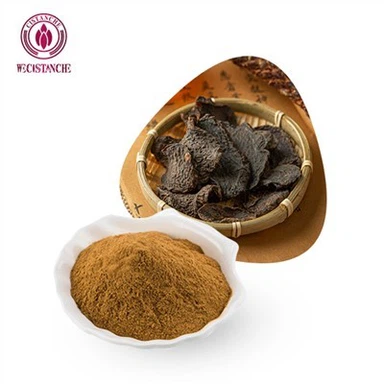
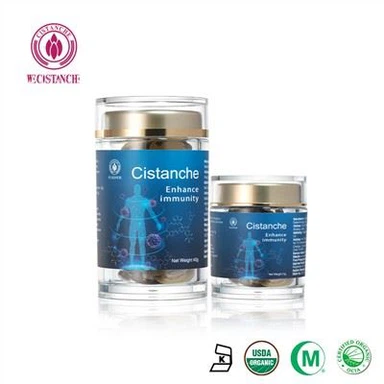
Chinese medicinal wine herbal Cistanche Wine
click pictures to get more information
(I) Making medicinal wine
Medicinal wine, also known as wine preparation, is one of the traditional dosage forms of Chinese medicine. In ancient times, it was called "wine", "wine mash" and "wine medicine" [27]. The preparation methods include immersion, brewing, percolation and reflux [28-29]. The historical records of the application of medicinal wine in medical books of various dynasties are summarized as follows (Table 2).
Table 2 Historical evolution of medicinal liquor applications
| Period | Source | Related Discussions |
|---|---|---|
| Pre-Qin | The Book of Songs (Shijing) | The term "Qi" first appeared in Shijing in the context of "Qi rises and falls." Later, Zuo Zhuan interpreted "Qi" as "vital energy" and "aura," laying the foundation for the concept of Qi. |
| Spring and Autumn Period - Warring States Period | The Yellow Emperor's Classic of Medicine (Huangdi Neijing) | The Huangdi Neijing Suwen states that "Qi is the root of life," explaining the physiological functions of Qi and its role in the human body. The text also discusses the relationship between Qi, blood, and the body's meridians. |
| Han Dynasty | Guide to Prescriptions for Emergencies (Zhouhou Beijifang) | This text discusses the application of Qi in medicine by explaining how certain diseases are caused by the imbalance of Qi and blood, thus highlighting Qi as an essential concept in traditional Chinese medicine. |
| Wei-Jin Period | In Search of the Supernatural (Soushenji) | Soushenji records stories about the manifestation of Qi in supernatural phenomena, reflecting the ancient people's understanding and imagination of Qi in both daily life and the spiritual realm. |
| Northern and Southern Dynasties | Essentials of Materia Medica (Bencao Jing Jizhu) | This book discusses Qi in pharmacology, emphasizing the balance of Qi in the human body and the effects of medicinal substances in regulating Qi. |
| Tang Dynasty | Thousand Golden Prescriptions (Qianjin Yaofang) | Qianjin Yaofang proposes the concept of "Qi diseases" and discusses methods to regulate Qi in the treatment of various conditions. |
| Song Dynasty | Taiping Shenghui Fang | Taiping Shenghui Fang systematically summarizes the methods of Qi regulation, integrating it into the broader framework of traditional Chinese medicine. |
| Yuan Dynasty | Classified Materia Medica (Leigong Paozhi Lun) | Discusses the transformation and movement of Qi in the preparation and application of medicinal substances, emphasizing the importance of Qi in the efficacy of medicines. |
As shown in Table 2, written records of medicinal wine in traditional Chinese medicine can be traced back to the oracle bone script period. During the Qin and Han dynasties, people initially realized that medicinal wine could be used to treat diseases. Zhang Zhongjing of the Eastern Han Dynasty used wine as medicine, and used wine to deliver and decoct prescriptions, which greatly expanded the application scope of medicinal wine. During the Tang and Song dynasties, medicinal wine had become an important part of the medical system at the time. It was popular to use Chinese medicinal materials to make koji. There were special sections on medicinal wine in medical books. The number of medicinal wine recipes, the level of medication, and the scope of application reached an unprecedented level of development [63]. Doctors in the Yuan, Ming and Qing dynasties paid more attention to the compatibility of medicinal materials, and a large number of health-care wines emerged. Most of the medicinal properties were tonic and should be used with caution for hot and dry drugs [64]. Modern medicinal wine retains the production methods and experience of traditional medicinal wine, and combines modern science and technology to standardize the production of medicinal wine. According to the production standards, it can be divided into national medicine licensed medicinal wine for clinical treatment and beverage wine with health-care functions. The production process, quality control management, and pharmacological and toxicological research of medicinal wine are more stringent [65]. (II) Preparation of Chinese herbal wine

Preparation of Chinese herbal wine refers to the process of mixing clean medicinal materials or sliced medicinal materials with a certain amount of wine for preparation, and then processing them by stir-frying, steaming, stewing, or calcining. It is one of the commonly used methods for processing Chinese medicine. Medical books before the Tang Dynasty mentioned simple preparation of Chinese herbal wine. With the development of Chinese medicine and the maturity of winemaking technology, the wine making method was basically finalized in the Tang and Song Dynasties. On this basis, the Yuan, Ming and Qing Dynasties made more detailed regulations on the amount of auxiliary materials, preparation methods, and the quality and specifications of the processed products. Among them, wine soaking, wine roasting (stir-frying), wine stewing, wine steaming, calcining and wine quenching are still used today [66-69]. The emergence period of various wine making methods is shown in Table 3.
Table 3 The period when various wine making methods appeared
| Period | Wine-Making Method | Source | Original Text/Notes |
|---|---|---|---|
| Pre-Han | Fermented Wine (Jiuliu) | Wounds and Emergency Prescriptions (Shanghan Jiuzhi Fang) | "Grains are brewed into wine (Jiuliu)." |
| Medicinal Wine (Jiuyi) | Prescriptions for Emergencies (Zhouhou Fang) | "Medicinal wine contains mountain herbs, combined with wine, for medicinal purposes." | |
| Han Dynasty | Wine Decoction (Jiu Tang) | Famous Formulas (Ming Fang) | "Boil one sheng of wine, add ginger and other herbs, and drink while hot." |
| Medicinal Wine (Jiuyi) | Famous Formulas (Ming Fang) | "Mix wine with medicinal ingredients and drink it warm." | |
| Wei-Jin Period | Wine Formula (Jiu Fang) | Essential Prescriptions (Jing Fang) | "Internal injuries can be treated with medicinal wine made from specific formulas." |
| Tang Dynasty | Fermented Wine (Jiu) | Thousand Golden Prescriptions (Qianjin Fang) | "Different types of wine can be prepared for various ailments, including wine decoctions and herbal wines." |
| Wine Sand (Jiu Sha) | Essentials of Materia Medica (Bencao Jing) | "Wine sand is used as a fermentation starter to enhance the brewing process." | |
| Medicinal Wine (Jiuyi) | Thousand Golden Prescriptions (Qianjin Fang) | "Medicinal wines are used for treating specific conditions. Methods involve infusing herbs in wine or making wine decoctions." |
Chen Jiamo's "Compendium of Materia Medica" clearly proposed the theory of "wine treatment can enhance the efficacy of Chinese medicine to reach the site of disease", believing that wine treatment can enhance the efficacy of Chinese medicine to reach the site of disease. However, the effects of Chinese medicine wine products after processing vary, far more than just "elevating" the efficacy of medicine. They can be roughly summarized into the following six aspects: (1) Leading the efficacy of medicine upward to reach the site of disease directly. Wang Haogu's "Tangye Bencao" said: "For diseases on the head, face and hand skin, scutellaria, coptis, phellodendron, and rhubarb should be stir-fried with wine. They can be lifted up by the power of wine. The area below the throat and above the navel should be washed with wine." Clinical practice and modern scientific research have identified that this type of medicine mainly includes eight herbs: cimicifuga, bupleurum, scutellaria, coptis, anemarrhena, phellodendron, rhubarb, and scutellaria baicalensis [77]. (2) Alleviating the inherent medicinal properties of cold and cool medicines to adapt to clinical use. For example, the rhubarb in the Didang Decoction of Zhang Zhongjing is washed with wine. The warming effect of wine can alleviate the bitter and cold nature of rhubarb, helping it to be strong and not hurt the stomach; stir-fried white peony root with wine can alleviate its sour and cold nature, and is used for abdominal pain in women after childbirth. (3) Helping drugs enter the blood to activate blood circulation, remove blood stasis and relieve stagnation. Ni Zhumo's "Compendium of Materia Medica" says: "If there is a fall or injury, or the swelling and pus have not yet ulcerated, blood stasis and dead blood, and stagnation that does not disperse, it is appropriate to use wine. Wine is warm and good at moving. Warmth can unclog the blood vessels, and movement can remove stagnation." Such drugs include Angelica sinensis, Chuanxiong, Cyperus rotundus, Salvia miltiorrhiza, Rubia cordifolia, Curcuma zedoaria and Corydalis yanhusuo. (4) Synergistic drugs to promote blood circulation and activate collaterals. Wine can enter the organs and meridians of the whole body. After being processed with wine, drugs such as Achyranthes bidentata, Clematis chinensis, Agkistrodon acutus, and Agkistrodon acutus can help eliminate rheumatism, unclog the meridians, and relieve pain. (5) Correcting taste and smell. For example, steaming placenta with rice wine can remove the fishy smell. (6) Reduce the side effects of drugs. For example, wine-processed Changshan can alleviate the side effects of emesis and reduce toxicity.
The fundamental purpose of Chinese medicine processing is clinical, that is, to use the characteristics of wine to make Chinese medicine more suitable for clinical use, such as changing the medicinal properties, enhancing the efficacy, and playing the role of guiding drugs. Modern pharmacological research has found that wine, as a good organic solvent, helps the dissolution of effective ingredients such as glycosides, lipids, volatile oils, alkaloids, tannins, bitter substances and organic acids after some drugs are processed with wine [78]. Scholars have studied the principles of wine-processed Chinese medicine and believe that under the combined effects of the use of wine as an auxiliary material and the preparation processes such as soaking, steaming and frying, the "quality" and "quantity" of the ingredients contained in Chinese medicine have undergone complex chemical changes, which in turn affect the relevant pharmacological effects [79]. How to use modern scientific methods to clarify the changes in the composition of Chinese medicine after wine processing and explain how these changes produce corresponding pharmacological effects still needs to be further explored by scholars.

4. Harm and prevention of alcohol
Li Shizhen said: "Alcohol is a gift from heaven. Drinking a little bit of alcohol made from flour and yeast can harmonize blood and qi, strengthen the spirit and resist cold, and relieve sorrow and excitement; drinking too much can hurt the spirit and consume blood, damage the stomach and lose essence, and produce phlegm and fire." Only by choosing the right type of alcohol and using and drinking it in moderation can the effects of alcohol be brought into play and the purpose of disease prevention and health care be achieved. Wrong choice of alcohol, excessive drinking, or even long-term uncontrolled drinking and other improper drinking behaviors can cause damage to various organs of the body. Chinese medicine has long been aware of this. Medical works such as "Huangdi Neijing", "Jingui Yaolue", and "Zhubingyuanhou Lun" all point out that excessive drinking can lead to a series of alcohol-related diseases such as jaundice, alcohol-related masses, alcohol-related hemorrhoids, alcohol-related injections, and lung carbuncle [80-84]. At the same time, there are many discussions on the prevention and treatment of alcohol-related diseases in ancient Chinese medicine books. For example, "Zhouhou Beiji Fang" contains methods and Chinese medicines for treating headaches after drinking, persistent diarrhea after drinking, jaundice after drinking, and unconsciousness after being drunk, and proposes three methods of quitting drinking with the idea of "curing the root cause". Li Dongyuan discussed the treatment principles and methods of alcoholism: "Alcohol is very hot and poisonous, with both yang and yang properties. It is an invisible substance. If it harms you, you should just disperse it, and then you will recover by sweating. The next best thing is to promote urination. These two can eliminate the dampness from the upper and lower parts... Gehua Jiedun Decoction is the main treatment."[85]81 Gehua Jiedun Decoction has been regarded by doctors of all dynasties as a special prescription for detoxifying alcohol and treating alcohol accumulation. Yu Jiayan, a famous doctor in the Qing Dynasty, treated a case of alcoholism and heat accumulation: "First, twitch the yellow water in the brain out of the nose, then needle several points of the gallbladder points that connect the brain, so that the heat in the gallbladder can be transferred out of the brain and nose. In the hope that the evil in the Huantiao point will gradually move away, and the dryness of the intestines and stomach will gradually return. Then add drugs to purge the heat in the gallbladder into the wine, and drink until you are drunk every day. The drinking method is the same, but the nature of the wine is different. Only then can the Yin move and the effect be wonderful." [86] 80 However, due to the limitations of the times, the effects and mechanisms of alcoholism treatment of many ancient methods and prescriptions are still unclear and need further research.
TCM has a long history of using wine. There are texts that can be found in the oracle bone script period. Doctors of all dynasties have continuously made use of the function of wine in preventing and treating diseases. Wine has become an indispensable part of TCM clinical practice. However, there are also many problems with the use of wine: (1) In ancient Chinese medicine, wine was used frequently and in a wide range of applications. However, compared with ancient times, wine is used less frequently and in a narrow range in modern Chinese medicine. There are few practical applications of taking medicine with wine or decocting medicine with wine. (2) The method of making Chinese medicine wine is still used today, but there is a lack of in-depth research on the scientific principles of wine making, and the Chinese medicine processing technology is outdated. There is a lack of complete quality standards for wine-made Chinese medicine and processing auxiliary materials. (3) There are many types of medicinal wines, but the quality varies. The medicinal wine market has not formed a unified medicinal wine standard system, and there is a lack of legislative supervision in terms of the source of materials, production process, food safety, etc. for medicinal wine. (4) There are a lot of discussions on the prevention and treatment of alcohol-related diseases in ancient Chinese medicine books, but there is a lack of systematic literature excavation, and a lack of in-depth research on the clinical effects and mechanisms of action of ancient methods and prescriptions for alcohol detoxification.

There are two reasons for the above problems: one is the lack of attention. For example, in daily life, people default to using water to decoct medicines. Few people know that in ancient times, Zhongjing specifically wrote about using wine to decoct medicines, and even fewer people study the role and principle of using wine to decoct medicines to stimulate the efficacy of medicines. For another example, today's Chinese medicine factories mostly use rice wine to prepare medicines, but there is a lack of research on what kind of medicinal properties and efficacy changes are produced by preparing Chinese medicines with different base wines (yellow wine, white wine, wine, etc.). Second, the research is difficult. The study of the medicinal properties of Chinese medicine has always been an academic hotspot, but the research on medicinal properties is difficult. The nature and flavor of Chinese medicine itself are difficult to explain, and the study of the mechanism of changing the nature and flavor of Chinese medicine by wine is even more difficult. At the current level of research, it is difficult to come up with a convincing theory. "Inheriting the essence, keeping the integrity and innovating", the times are developing, and the application of wine in the practice of traditional Chinese medicine cannot be satisfied with history and stop at the present. The author believes that we should correctly understand the important role of wine in the treatment and health preservation of ancient and modern Chinese medicine, and further clarify the principles and scope of the use of wine to obtain appropriate applications. This requires increasing research on the principles of Chinese herbal wine making, and providing solid scientific evidence to prove that wine making can change the medicinal properties of Chinese medicine and how to change it; innovating the Chinese medicine processing technology, and formulating standardized quality standards for wine-making Chinese medicine and processing auxiliary materials; establishing and improving a strict medicinal wine standard system, and strictly controlling the source of materials, production process, food safety and other aspects of medical wine, so as to improve the social recognition of medicinal wine and enhance the cohesion and competitiveness of the medicinal wine market; at the same time, avoiding the health risks of alcohol, speeding up the research on the pathogenesis of alcoholic diseases, vigorously developing specific drugs for the treatment of alcoholic diseases and disease prevention and health care methods to block the occurrence of alcoholic diseases, and combining the wisdom of traditional Chinese medicine with the powerful force of modern science and technology to give full play to the positive role of wine in the cause of human health.