There Is A Science To Eating For Patients With Chronic Kidney Disease
Sep 03, 2024
Chronic kidney disease (CKD) is a common disease with a prevalence of 10.8%. The high mortality rate is attributed to the progression of kidney disease and its complications, especially protein-energy consumption. Dietary factors may affect the progression of kidney disease and its complications. CKD patients learn to "eat", have fewer complications, delay the progression of renal function, and stay away from uremia

Click to Cistanche for kidney disease
The "eating" of CKD patients varies from person to person, depending on the estimated glomeruli filtration rate (eGFR), the type of kidney disease (proteinuric or non-proteinuric), and whether there are other diseases (such as diabetes, hypertension, heart failure). For most CKD patients, the best diet is similar to the end of hypertension diet therapy, that is, a low-sodium diet rich in fruits, vegetables, beans, fish, poultry, and whole grains.
1. Dietary adjustments are not recommended for patients with CKD stage 1-2 [eGFR ≥ 60mL/(min·1.73m2)]. Their dietary recommendations are the same as those for the general population.
2. For most patients with CKD stage 3-4 with eGFR <60 mL/(min·1.73 m2) and not on dialysis, the following dietary guidelines are recommended:
Daily protein intake is 0.8 g/kg. Very low protein intake [<0.6 g/(kg·d)] is not recommended. For patients with eGFR <60 mL/(min·1.73 m2) and without nephrotic syndrome, it is recommended to limit daily protein intake to 0.8 g/kg. Nutritional studies on patients with reduced eGFR suggest that reducing protein intake to 0.6 g/(kg·d) is safe [5-9], but very low protein diets are associated with increased long-term mortality [10]. For patients with CKD, mild protein restriction is generally well tolerated, does not cause malnutrition, and can avoid metabolic acidosis. We do not restrict protein intake in patients with nephrotic syndrome (24-hour proteinuria ≥3.5 g; serum albumin <30 g/L). The safety of a low-protein diet in nephrotic syndrome is unclear. Diets rich in plant-based protein may be beneficial for patients with CKD. Such diets may reduce proteinuria, reduce CKD and slow CKD progression, reduce the production of uremic toxins, reduce phosphorus intake, reduce endogenous acid production, and may reduce the risk of death
Diets rich in vegetables.
Sodium intake varies with individual clinical characteristics. For patients with hypertension, volume overload, or proteinuria, sodium intake of <2 g/d [ie, 5 g/d of salt (NaCl)] is recommended. For selected CKD patients with eGFR <60 mL/(min·1.73 m2) and hypertension, volume overload, or increased protein excretion, sodium intake of <2 g/d (5 g/d of salt) is recommended. For patients with decreased eGFR but no hypertension, volume overload, or increased protein excretion, the approach is not clear. For most patients, mild sodium restriction of 2.3 g/d (5.75 g/d of salt) is usually recommended. However, there is one exception, namely the occasional sodium-wasting CKD patient. It is not recommended to reduce sodium intake to <1.5g/d (i.e., salt <3g/d). In addition, very low sodium intake is associated with increased mortality. The benefits of salt restriction may include: lowering blood pressure; delaying the progression of kidney disease to end-stage renal disease; and improving cardiovascular outcomes.

Potassium intake should be based on serum potassium levels. If potassium levels are normal, dietary potassium is not restricted. If potassium levels are high, dietary potassium intake should be restricted. In general, potassium restriction is not necessary until eGFR drops to <30mL/(min·1.73m2). However, there are individual differences between different patients. Some patients with high eGFR values who are taking angiotensin-converting enzyme inhibitors/angiotensin II receptor antagonists need potassium restriction to maintain normal serum potassium levels. For patients with stage 3-4 CKD, that is, eGFR of 30-59mL/(min·1.73m2), potassium intake is 2-4g/d, and it is recommended that patients in earlier stages of CKD do not restrict potassium. A high potassium diet for these patients can reduce the rate of eGFR decline in CKD patients. Other benefits of a high potassium diet in the general population include lower systolic blood pressure, lower risk of stroke, and increased bone density. However, the association between potassium intake and CKD progression and death in CKD patients remains controversial; the CRIC study report showed that those with higher potassium intake had a higher risk of CKD progression, but not all-cause mortality. The study analysis found that higher potassium intake was associated with a lower risk of all-cause mortality, but not with renal failure.
Some physicians set the target value for total calcium intake (including dietary and drug sources) at ≤1.5g/d, while others prefer a more stringent target value of ≤1.0g/d. The guidelines recommend that total calcium intake (dietary and drug sources) be limited to 0.8-1.0g/d for adult patients with stage 3-4 CKD who are not taking active vitamin D analogs. Supplementing 2-4g/d of calcium in patients with advanced CKD can lead to suppressed parathyroid hormone levels. However, administration of calcium-containing phosphate binders to hemodialysis patients can result in increased vascular calcification, with excess calcium deposited in tissues, leading to metastatic calcification.
Even with normal serum phosphorus levels, the maximum intake of phosphorus is 0.8-1 g/d; this dietary phosphorus should come from foods with high biological value, such as meat and eggs. It is unclear whether dietary restriction can significantly alter serum phosphorus levels in patients with nondialysis CKD. For patients with normal serum phosphorus and PTH levels, dietary phosphorus intake is not restricted. In the general population and patients with CKD, higher serum phosphorus levels are associated with increased cardiovascular risk. Inorganic phosphates are much more bioavailable than organic phosphates, so sources rich in inorganic phosphates, such as highly processed foods, should be avoided whenever possible. Organic phosphates (i.e., from unprocessed foods) must be hydrolyzed by gastrointestinal enzymatic reactions before they can be absorbed. In contrast, foods rich in readily absorbable inorganic phosphates (such as preservatives in processed or prepared foods) result in much more phosphorus being absorbed. Dietary phosphate load is closely related to protein content. As mentioned above, the use of plant-based proteins may be beneficial in controlling phosphorus load. Phosphorus from plant sources has the lowest bioavailability, with the bioavailability of phosphorus in cereals being only 50%.
The maximum calorie intake is 25-35 kcal/(kg·d). Fat intake should be limited to less than 30% of daily calorie intake, with saturated fat intake limited to less than 10% of calorie intake. In patients with CKD, obesity is associated with the occurrence and progression of cardiovascular events and death.

Dietary fiber intake is 25-34 g/d. Dietary fiber is a non-digestible carbohydrate and lignin. The best sources of dietary fiber include beans, nuts, fruits, and whole grains. The dietary guidelines for residents recommend a daily dietary fiber intake of 14 g/1000 kcal, with a maximum daily intake of 34 g for men and 28 g for women. The above recommended dietary fiber intake is based on a large number of clinical studies showing that dietary fiber intake has a protective effect against cardiovascular disease, diabetes, cancer, and all-cause mortality. Based on existing data and indirect evidence from the general population, fiber intake is likely to have a protective effect against CKD progression and death, and the CKD population should be encouraged to consume more dietary fiber. Due to the high potassium content in fruits and vegetables, many CKD patients and dialysis patients are advised to avoid these foods. This may further lead to substandard dietary fiber intake in the CKD population. However, it may be possible to consume low-potassium fruits and vegetables in moderation.
In short, CKD patients who have mastered the art of eating can help slow down the progression of CKD and improve their prognosis. CKD patients who encounter problems in dietary management can consult a nephrologist or professional nutritionist.
How Does Cistanche Treat Kidney Disease?
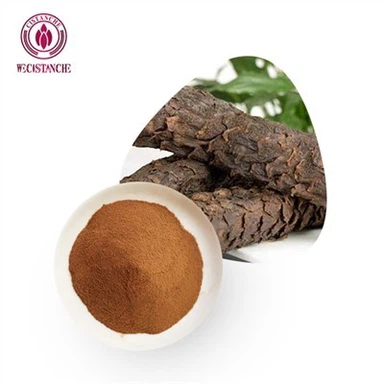
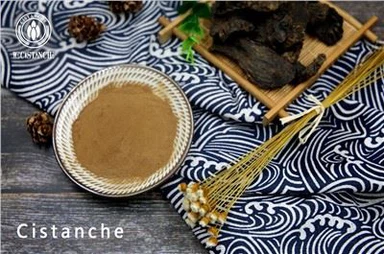
Cistanche is a traditional Chinese herbal medicine used for centuries to treat various health conditions, including kidney disease. It is derived from the dried stems of Cistanche deserticola, a plant native to the deserts of China and Mongolia. The main active components of cistanche are phenylethanoid glycosides, echinacoside, and acteoside, which have been found to have beneficial effects on kidney health.
Kidney disease, also known as renal disease, refers to a condition in which the kidneys are not functioning properly. This can result in a buildup of waste products and toxins in the body, leading to various symptoms and complications. Cistanche may help treat kidney disease ase through several mechanisms.
Firstly, cistanche has been found to have diuretic properties, meaning it can increase urine production and help eliminate waste products from the body. This can help relieve the burden on the kidneys and prevent the buildup of toxins. By promoting diuresis, cistanche may also help Reduce high blood pressure, a common complication of kidney disease.
Moreover, cistanche has been shown to have antioxidant effects. Oxidative stress, caused by an imbalance between the production of free radicals and the body's antioxidant defenses, plays a key role in the progression of kidney disease. ies help neutralize free radicals and reduce Oxidative stress, thereby protecting the kidneys from damage. The phenylethanoid glycosides found in cistanche have been particularly effective in scavenging free radicals and inhibiting lipid peroxidation.
Additionally, cistanche has been found to have anti-inflammatory effects. Inflammation is another key factor in the development and progression of kidney disease. Cistanche's anti-inflammatory properties help reduce the production of pro-inflammatory cytokines and inhibit the activation of mandatory pathways for inflammation, thus alleviating inflammation in the kidneys.
Furthermore, cistanche has been shown to have immunomodulatory effects. In kidney disease, the immune system can be dysregulated, leading to excessive inflammation and tissue damage. Cistanche helps regulate the immune response by modulating the production and activity of immune cells, such as T cells and macrophages. This immune regulation helps reduce inflammation and prevent further damage to the kidneys.

Moreover, cistanche has been found to improve renal function by promoting the regeneration of renal tubes with cells. Renal tubular epithelial cells play a crucial role in the filtration and reabsorption of waste products and electrolytes. In kidney disease, these cells can be damaged, leading to damaged renal function. Cistanche's ability to promote the regeneration of these cells helps restore proper renal function and improve overall kidney health.
In addition to these direct effects on the kidneys, cistanche has been found to have beneficial effects on other organs and systems in the body. This holistic approach to health is particularly important in kidney disease, as the condition often affects multiple organs and systems. che has been shown to have protective effects on the liver, heart, and blood vessels, which are commonly affected by kidney disease. By promoting the health of these organs, cistanche helps improve overall kidney function and prevent further complications.
In conclusion, cistanche is a traditional Chinese herbal medicine used for centuries to treat kidney disease. Its active components have diuretic, antioxidant, anti-inflammatory, immunomodulatory, and regenerative effects, which help improve renal function and protect the kidneys from further damage. , cistanche has beneficial effects on other organs and systems, making it a holistic approach to treating kidney disease.