Thoughts On The Management Of Extracts From Traditional Chinese Medicine
May 11, 2023
Regarding the concept of extracts of traditional Chinese medicines, the "Pharmacopoeia of the People's Republic of China" 2020 Edition stipulates that vegetable oils and extracts refer to volatile oils, oils, effective parts, and active ingredients obtained from plants and animals. Among them, the extracts include liquid extracts, extracts or dry extracts made by extraction with water or alcohol as a solvent, active parts containing one or several types of active ingredients, and a single active ingredient with a content of more than 90%. According to the "Requirements for Registration Classification and Application Documents of Traditional Chinese Medicine" released in 2020, Chinese medicine extract refers to the extract obtained from a single plant, animal, mineral, and other substances.

Click to cistanche tubulosa capsules
It can be seen that Chinese medicine extracts are different from Chinese medicine decoction pieces and formula granules, have no functional indications, and cannot be directly used in Chinese medicine clinics. In the process of industrialized production of Chinese patent medicines, Chinese medicine extracts have played an important role, providing support and guarantee for industrialized large-scale production. With the promulgation and implementation of the new version of the "Drug Administration Law", in the face of the new regulatory situation and requirements, the author of this paper aims to strengthen the traditional Chinese medicine extract by analyzing the problems existing in the management system, standard system, and regulatory implementation of Chinese medicine extracts Management provides some suggestions and references.
1 Management status of traditional Chinese medicine extracts
1.1 Management Methods of Chinese herbal extracts
According to the "Notice of the State Food and Drug Administration on Strengthening the Supervision and Management of Extraction and Extracts in the Production of Traditional Chinese Medicine" issued in 2014 (Food and Drug Administration [2014] No. Classification and Declaration Document Requirements", the management methods of Chinese medicine extracts include three categories: Chinese medicine active ingredients or effective parts approved as new drugs, Chinese medicine extracts managed according to filing, and Chinese medicine extracts managed according to standards.
The active ingredients and effective parts of traditional Chinese medicines that have passed the new drug approval are managed according to the approval number. The scope of application of the filing system needs to meet three conditions at the same time: first, Chinese medicine extracts include volatile oils, oils, extracts, liquid extracts, dry extracts, active ingredients, effective parts, etc., and are used for the production of Chinese patent medicines; The prescription items of the national drug standards for patented medicines state the use of traditional Chinese medicine extracts; third, Chinese medicine extracts have separate national drug standards. The production and use of traditional Chinese medicine extract that meet the filing requirements shall be separately filed and managed by the provincial Food and drug administration. Some Chinese medicine extracts are not within the above two management categories and belong to the Chinese patent medicine national drug standard text with specific preparation methods or standards attached.
1.2 Problems in the Management of Traditional Chinese medicine extracts
For historical reasons, some Chinese medicine extracts did not follow the above-mentioned management methods of Chinese medicine extracts but were managed according to the chemical drug approval number. Such extracts are still used in the prescription flavor of Chinese patent medicines. For example, andrographolide is derived from the active ingredient monomer extracted from the traditional Chinese medicine Andrographis paniculata. This variety has 7 effective approval numbers, which are divided into two management methods: 6 approval numbers for chemical drugs and 1 approval number for traditional Chinese medicine. And its preparations are Chinese medicine approval numbers China's pharmaceuticals implement classified management of traditional Chinese medicines, chemical medicines, and biological products. The above-mentioned differentiated approval number management for the same variety belongs to the unreasonable classification of approval numbers.
Still taking andrographolide as an example, it is recorded under the item of vegetable oils and extracts in the first part of the Pharmacopoeia of the People's Republic of China (2020 edition). Other national drug standards, such as the upgrading of chemical drug landmarks to the national standard, and the standardization of new drugs, also include this variety. However, with the same name, the quality control content of the quality standard is not consistent. Among them, 3 extracts are managed according to the chemical drug approval number, the implementation standard is the traditional Chinese medicine standard in the "Pharmacopoeia of the People's Republic of China" (2020 Edition), while the implementation standard managed according to the traditional Chinese medicine approval number is the chemical drug standard. The phenomenon that drugs with the same name and the same category are declared under different approval numbers, and different reporting channels will lead to differences in raw materials, preparation management methods, and review standards.

According to the "Announcement of the State Food and Drug Administration on Matters Concerning Further Improving Related Drug Review, Approval and Supervision Work" (2019 No. 56), chemical raw materials, excipients, packaging materials, and containers that directly contact drugs are no longer subject to separate approval, It is changed to carry out a related review when applying for registration of preparations, but traditional Chinese medicine does not apply to the related review of APIs. Due to the existence of traditional Chinese medicine extracts that are managed according to the chemical drug approval number, such extracts have been subject to related review as chemical drug raw materials. At present, the traditional Chinese medicine extracts used in Chinese patent medicines involve management methods including approval number management, filing management, standard management, and related review of chemical raw materials. The above examples can illustrate that the management of approval numbers and technical requirements for quality standards for extracts of traditional Chinese medicines still need to be standardized.
2 Technical requirements for extracts of traditional Chinese medicine
2.1 Extracts of Traditional Chinese medicines approved as new drugs
The requirements for extracts and their preparations in the classification of traditional Chinese medicine registration in the original "Measures for the Administration of Drug Registration" (Decree No. 28 of the Bureau in 2007) are: Class 1 "extracted from plants, animals, minerals and other substances that have not been marketed in China Active ingredients and their preparations" and Category 5 "effective parts and their preparations extracted from plants, animals, minerals and other substances not marketed in China", in which the content of active ingredients should account for more than 90% of the total extracts, The content of effective parts should account for more than 50% of the extract. According to the new version of the "Measures for the Administration of Drug Registration" (General Administration Order No. 27 in 2020) released in 2020, and the "Classification of Registration of Traditional Chinese Medicine and Requirements for Application Documents" that further refines the classification of registration of traditional Chinese medicines, category 1.2 of innovative traditional Chinese medicines is defined as a single plant, animal, minerals and other substances extracted from the extract and its preparations. It can be seen that the new registration classification and requirements of traditional Chinese medicine no longer strictly require the proportion of active ingredients and effective parts contained in the extract, and no longer use the material basis as the basis for dividing registration categories, but emphasize clinical value as the orientation.
The research and development of this type of preparation are usually inspired by the traditional application of traditional Chinese medicine, focusing on experimental research evidence, after sufficient research and verification to determine the active ingredients, there are sufficient experimental data to explain the rationality of the prescription, the effectiveness of non-clinical research and clinical trials and security. Regarding the purity of the active ingredient/ingredient group, there may be homologs with similar structures to the active ingredient in the extract as companions, which may promote the absorption and utilization of the active ingredient/ingredient group, so they are different from "impurities" in chemicals This type of registration standard is based on the approved quality standards of new drug raw materials and their preparations. It is based on sufficient research to establish testing items that fully reflect the quality of preparations, and the quality standards are relatively complete.
2.2 Traditional Chinese medicine extracts managed according to filing management and standards
The national drug standards for extracts of traditional Chinese medicine mainly include the Pharmacopoeia of the People's Republic of China, the Chinese medicine prescription preparations of the Ministry of Health Drug Standards, the Compilation of National Standards of Chinese Proprietary Medicines, the new drug standardization of the Ministry of Health Drug Standards, and the National Drug Standards, New Drug Standards, etc. According to relevant literature statistics, among the Chinese patent medicines recorded in the national drug standards, the varieties containing Chinese medicine extracts accounted for 29.8% of the total. About 560 different TCM extracts are recorded in the national drug standards, and more than half of them do not have separate national drug standards. The extracts of traditional Chinese medicines managed according to the record have separate national drug standards, such as vegetable oils and extracts recorded in the Pharmacopoeia of the People's Republic of China. Such quality standards have relatively complete inspection items and a high level of quality control. In another case, there is no separate national drug standard for extracts of traditional Chinese medicines. When extracts are used in prescriptions of Chinese patent medicines, their quality standards are attached to the text of the preparation standards. Due to the promulgation of such standards for a long time, the quality standards are not standardized and not perfect, and often only have the law, but no other quality control items.
The above-mentioned standards approved by the Ministry of Health earlier have the problem of the same name of the traditional Chinese medicine extract but different preparation methods. Among the 9 Chinese patent medicines using Scutellaria baicalensis extract as raw materials recorded in the "Drug Standards of the Ministry of Health" Chinese medicine prescription preparations 1 to 20, the preparation methods of the extracts attached to the preparation standards are not all the same, and they are divided into three categories: ( 1) Decoct in water, add acid to the filtrate to adjust the pH, take the precipitate, wash with ethanol, and dry to obtain it; (2) Decoct in water, add acid to the filtrate to adjust the pH, take the precipitate, add 40% sodium hydroxide solution to dissolve, The precipitate is washed with different concentrations of ethanol, dried, and obtained; (3) decocted in water, and the filtrate is added with alum solution and left to stand for 24 h, and the precipitate is washed with water, dried, and obtained. It can be seen that the extracts obtained by the first and third preparation methods are crude products, but the names are both "sScutellariabaicalensis extract". Most of these Scutellaria baicalensis extract standards do not require the content, and their preparation standards do not require the content. Similar situations include the "Polygonum cuspidatum extract" recorded in volumes 3 and 11 of traditional Chinese medicine preparations, and the preparation methods of "Epimedium extract" recorded in volumes 3 and 10.
With the development of production technology and equipment, it is imperative to improve the quality of Chinese medicine extracts. In addition to the high-quality standards of Chinese medicine extracts approved by the new drug method and recorded in the Pharmacopoeia of the People's Republic of China, the standard levels of Chinese medicine extracts approved earlier are uneven, and there are still many varieties of quality control items that are relatively low. There are few, and the quality control indicators are incomplete, and it is urgent to further rectify and improve the quality standards.
3 Thoughts and Suggestions
3.1 Clarify the management scope of traditional Chinese medicine extracts
As the concept of traditional Chinese medicine and natural medicine gradually becomes clear, the relevant guiding principles and technical requirements are continuously improved, for extracts from plants, animals, minerals, and other substances, but excluding chemically modified extracts, part of them is classified as chemical medicine management, and part of them is classified as For traditional Chinese medicine management, it is necessary to readjust. For extracts that are managed as chemical drugs and their preparations that are managed as traditional Chinese medicines, it is recommended that the drug regulatory department classify the management methods of extracts and their preparations, and smooth out the relationship between management and technical requirements.
3.2 Standardize the problem of homonyms and foreign objects
The quality of traditional Chinese medicine extracts has an important impact on the quality of Chinese patent medicines. Effective process design and strict process management are the basis for ensuring the quality of Chinese herbal extracts. Traditional Chinese medicine extracts have the same name but different preparation methods, which may easily confuse production and use. It is recommended that the drug regulatory department organize a comparison of the preparation methods of this type of extract. If there is a similar or unified most scientific and effective production process, the quality can be controlled to the greatest extent, and the quality standard can be unified to avoid the phenomenon of the same name and different quality. However, whether a similar or unified process can be formed requires a lot of in-depth research and verification with effective research methods. To meet clinical needs or actual production needs, if there are major differences in the preparation methods of Chinese medicine extracts with the same name, and their quality can be distinguished, research should be encouraged and exclusive standards should be established, and the naming should also distinguish the same name prepared by different preparation methods. Chinese herbal extracts.
3.3 Enhance the controllability of quality standards
Improving the quality standards of Chinese medicine extracts is an important guarantee to ensure the safety, effectiveness, and quality control of Chinese patent medicines. It is recommended that the Pharmacopoeia Committee organize relevant institutions and production enterprises to revise the standards issued by the ministry that are not perfect, have a low level of quality control, and cannot effectively control the quality of Chinese medicine extracts. First of all, the quality standard should be improved. The complete standard of Chinese medicine extract should at least include the name, source, preparation method, character, identification, inspection, content determination, storage, and other contents of the extract. The second is to improve the specificity of quality standards, study the characteristics of medicinal material extracts that can be distinguished from those of the same family or related species, and establish specific indicators and methods. For problems such as unauthorized process changes and illegal additions found in supervision, such as the "Ginkgo biloba incident", characteristic inspection methods can be established. The third is to establish targeted and controllable indicators according to the characteristics of the extract. For example, vegetable oil should be added with indicators that can reflect product quality such as refractive index and density. The fourth is to strengthen the overall control, not limited to the content determination of one or two single components, and shift from the qualitative and quantitative control of single-index components to the quality control of active ingredients and multi-index components, such as using control extracts, fingerprints or characteristic maps, one test and multiple evaluations and other methods to characterize the quality. In addition, research on detection methods that can reflect the activity of traditional Chinese medicine complement each other with physical and chemical detection to better characterize the quality. The safety indicators should not be ignored either. Some of the traditional Chinese medicine extract standards listed earlier lack the inspection of residues, heavy metals, harmful elements, etc. For varieties that are prone to mildew, mycotoxin inspection should be added.

3.4 Pay attention to the quality control of the source of traditional Chinese medicinal materials
As the raw material of Chinese patent medicine, Chinese medicine extract is an important factor affecting the quality of the preparation. Factors affecting the quality of Chinese medicine extracts include the source and quality of raw Chinese medicinal materials, preparation technology, etc. Manufacturers often only pay attention to the quality control of the final product, but ignore the research and control of the source of raw materials, and fail to control the quality of traditional Chinese medicine extracts from the source.
Traditional Chinese medicinal materials are characterized by biodiversity, and their quality is related to many factors such as the source, place of origin, harvest period, medicinal parts, and storage. For example, according to relevant literature research, the origin of Salvia miltiorrhiza from Shandong and Hebei has a 16-fold difference in the content of tanshinone ⅡA. Due to the large fluctuations in the quality of traditional Chinese medicinal materials, to ensure the production of stable and controllable quality traditional Chinese medicine extracts, manufacturers need to use stable drug sources for production and strengthen the necessary control measures for source medicinal materials, such as fixing bases, medicinal parts, and Delivery date, place of origin, etc. The internal control quality of the selected medicinal materials is recommended to formulate the quality requirements of medicinal materials in combination with the quality attributes of traditional Chinese medicine extracts and select the appropriate source of medicinal materials to ensure stable product quality.
3.5 Strengthen the information construction of Chinese medicine extract standards
The construction of an information system for the standards of traditional Chinese medicine extracts will help the drug regulatory authorities to improve their supervision level, help the review departments to effectively query and utilize them, and help drug manufacturers to use them correctly. Due to the particularity of various standards for extracts of traditional Chinese medicine, the overall level of standards is unclear, and it is difficult to query the latest standards, etc., there is currently no information system for sharing and sharing standards for extracts of traditional Chinese medicine, and the lack of a unified query channel will lead to increased management costs for all parties. , and various inefficiencies caused by information asymmetry. To reduce costs and improve efficiency, the National drug regulatory department needs to organize regulatory departments at all levels and production enterprises to jointly build an information system for Chinese medicine extract standards. The information system needs to rely on standardized processes and standardized data. For the production management of traditional Chinese medicine extracts, it should cover the management requirements and corresponding data information of application conditions, review procedures, and result disclosure, to enhance the standards of traditional Chinese medicine extracts. The accuracy and timeliness of information ensure the correct use of Chinese medicine extract standards and the accuracy and reliability of drug test results, provide strong support for scientific supervision through technical means, and promote the improvement of the supervision of Chinese medicine extracts.
4 Epilogue
The standardized management and quality improvement of traditional Chinese medicine extracts is long-term and systematic work. This work requires the joint participation of drug regulatory authorities and manufacturers. On the one hand, drug regulatory agencies need to re-evaluate the quality of drugs after they are marketed and revise outdated standards. and other means to continuously improve the quality of Chinese medicine extracts; on the other hand, enterprises are the first person responsible for product quality and the main body of the market and should be the main body of quality improvement, not bystanders. Work together to create a good market order and environment.

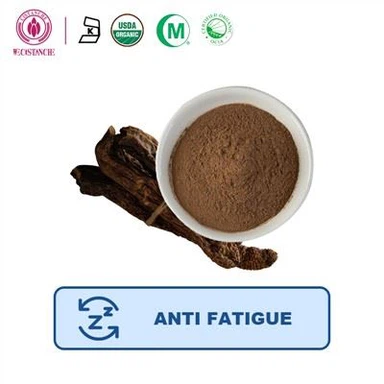
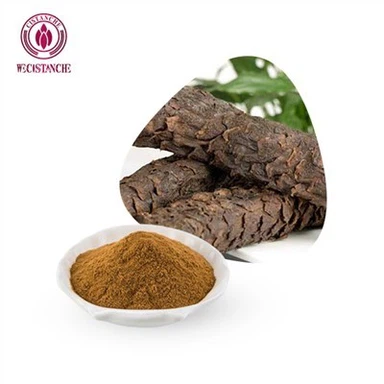
Cistanche extract
Cistanche extract is a potent natural remedy derived from the Cistanche deserticola and Cistanche tubulosa plants, which are commonly found in the arid regions of China, Mongolia, and Central Asia. The extract has been a part of traditional Chinese medicine for centuries, and it is often referred to as the "Ginseng of the Desert" due to its numerous health benefits. With a rich history and extensive research to support its efficacy, cistanche extract has become a popular dietary supplement in recent years. This article will explore the various effects of cistanche extract on human health and well-being.
Immune System Booster
Cistanche extract is a natural immune booster, as it contains several active compounds like echinacoside and acteoside, which have been shown to enhance immune function. These compounds can stimulate the production of immune cells, such as macrophages and lymphocytes, and increase the body's resistance to infections and diseases. Moreover, cistanche extract has been found to exhibit antiviral and antibacterial properties, making it an effective remedy for colds, flu, and other common ailments.
Cognitive Enhancer
One of the most notable effects of cistanche extract is its ability to improve cognitive function. It contains several neuroprotective compounds, including phenylethanoid glycosides, which have been shown to promote the growth of nerve cells, improve synaptic plasticity, and enhance memory and learning abilities. Additionally, cistanche extract has been found to increase the levels of neurotransmitters like dopamine, serotonin, and norepinephrine, which play a crucial role in regulating mood, motivation, and cognitive function.
Antioxidant and Anti-Aging Properties
Cistanche extract is a powerful antioxidant, as it is rich in phenylethanoid glycosides, polysaccharides, and other bioactive compounds that can neutralize free radicals and protect the body against oxidative stress. Oxidative stress has been linked to various age-related diseases, such as Alzheimer's, cancer, and cardiovascular disorders. By reducing oxidative stress, cistanche extract can help delay the aging process and promote overall health and longevity.
Sexual Health and Vitality
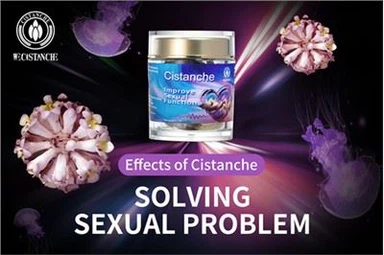
Cistanche extract has been traditionally used as an aphrodisiac and a natural remedy for sexual dysfunction. It can increase blood flow to the genital area, enhance libido, and improve sexual performance. Moreover, cistanche extract has been found to promote the production of nitric oxide, a molecule that plays a crucial role in regulating blood flow and erection quality. Furthermore, studies have shown that cistanche extract can increase sperm count and motility, making it a promising treatment for male infertility.
Energy Booster and Fatigue Fighter
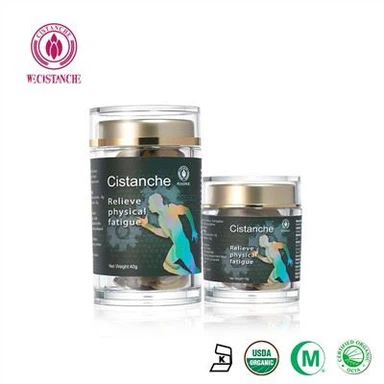
Cistanche extract is known for its adaptogenic properties, which means it can help the body adapt to stress and maintain optimal energy levels. By increasing the production of adenosine triphosphate (ATP), the primary source of cellular energy, cistanche extract can combat fatigue and boost physical performance. This makes it an excellent supplement for athletes, as well as individuals who are experiencing burnout or chronic fatigue.
Supports Healthy Weight Management
Cistanche extract has been found to exhibit anti-obesity effects by regulating lipid metabolism and suppressing the formation of adipose tissue. It can also increase energy expenditure and improve insulin sensitivity, which are crucial factors in maintaining a healthy body weight. This makes cistanche extract a promising supplement for individuals who are looking to manage their weight naturally and healthily.
In conclusion, cistanche extract offers a wide range of health benefits, making it a valuable addition to any wellness regimen. Its immune-boosting, cognitive-enhancing, antioxidant, and anti-aging properties, along with its potential to improve sexual health, vitality, and weight management, make it a versatile and powerful natural remedy. As with any dietary supplement, it is essential to consult with a healthcare professional before incorporating a cistanche daily routine.