Tracing And Vaccinating: How To REACT To COVID-19 Pandemic
Mar 26, 2022
Contact: Audrey Hu Whatsapp/hp: 0086 13880143964 Email: audrey.hu@wecistanche.com
COVID-19, the disease caused by SARS-CoV-2 infection, is one of the most complex health-related challenges of the past century. Since March 11, 2020, when WHO declared COVID-19 a pandemic,1 extraordinary progress has been made in understanding the disease’s clinical features, pathogenetic mechanisms, and identifying effective containment measures. However, almost 2 years into the pandemic, several questions remain, and SARS-CoV-2 infections and COVID-19 fatality rates remain high worldwide, with the disease incidence peaking in subsequent waves of infections.
All the COVID-19 vaccines approved by the European Medicines Agency and US Food and Drug Administration have effectively reduced the SARS-CoV-2 infection rate and clinical severity of COVID-19 illness, although to different extents. However, the emergence of viral variants, especially delta (B.1.617.2) and, more recently, omicron (B.1.1.529), has resulted in an international effort to understand the efficacy of vaccines (and other developed drugs) on these variants.2,3

standardized cistanche:cistanche supplement
In this context, efficiently tracing and sequencing SARS-CoV-2 infections is an essential approach to understanding COVID-19 epidemiology, thus applying the most appropriate containment measures.
The REal-time Assessment of Community Transmission-1 (REACT-1) study has been developed in England, a country with one of the highest rates of confirmed COVID-19-associated mortality globally.4 Since May 2020, the REACT-1 study has conducted a series of random cross-sectional surveys in the general population in England (aged ≥5 years) with the aim of epidemiologically characterizing the evolution of the COVID-19 pandemic. In particular, the study has estimated the changing community-based prevalence of SARS-CoV-2, transmission dynamics, and, more recently, vaccine effectiveness against infection.5 In The Lancet Respiratory Medicine, Marc Chateau-Hyam and colleagues6 report the results of round 14 of REACT-1 (run from Sept 9 to 27, 2021) and provide some crucial findings. Notably, to fully understand the study results, it is essential to know that the vaccination program in England was expanded since April 2021, to include adults younger than 50 years and that a single vaccine dose was offered to children aged 16–17 years from August 2021, and to children aged 12–15 years from mid-September, 2021.
Chateau-Hyam and colleagues found an increasing prevalence of SARS-CoV-2 infections among school-aged children (ie, aged 5–17 years) in England in September 2021, coinciding with the increased social interactions for the autumn school term. These findings contrast with what has been observed in adults, for whom a decreasing prevalence was reported in the same period,6 probably reflecting the effects of previous natural infections and vaccines. The increase in pediatric cases, a group in which vaccination rates are low, needs to be taken into serious consideration. Although pediatric COVID-19 is usually mild,7 severe cases have been reported. Additionally, a multisystem inflammatory syndrome in children (MIS-C) is a rare but severe concern for children with SARS-CoV-2 infection.8 Nonetheless, the intense circulation of SARS-CoV-2 among children will continue to promote substantial spreading of the virus in the community, representing a risk for susceptible individuals who might not respond to COVID-19 vaccines—eg, immunocompromised individuals.

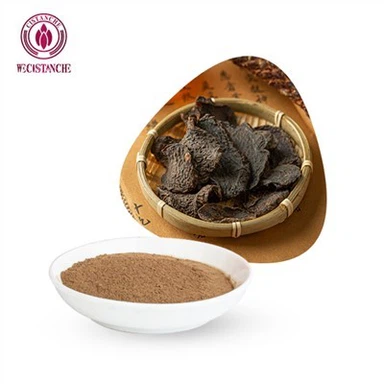
traditional Chinese medicinal herb for immunity improvement: cistanche tubulosa
Another crucial finding reported here regards vaccine effectiveness. Combining data from the study rounds 13 (run from June to July 2021) and 14, the estimate of vaccine effectiveness against infection was 63% in adults after two doses compared with those who were unvaccinated. Notably, breakthrough infections in vaccinated adults occurred more frequently after 3 months following two vaccine doses. Moreover, all the sequenced swabs taken during testing were positive for the delta variant, confirming that this variant had almost completely replaced all other variants in England at this time.
Overall, these results are highly informative and should guide decisions to tackle the COVID-19 pandemic. First, a third booster vaccination is recommended after two doses of vaccine to restore protection against SARS-CoV-2 infection. Second, children need to be vaccinated to protect them from severe COVID-19 and MIS-C,9 and to control the spread of COVID-19 in the community. Third, the REACT-1 study clearly shows the importance of tracing infections to understand the epidemiological evolution of the pandemic, which is even more important now that we are facing the challenge of the omicron variant.4 Although encouraging results have been reported on the effective in-vitro neutralization of SARS-CoV-2 omicron infection with serum samples from people who have received a booster vaccination,10 real-world data are urgently needed. Indeed, the future rounds of the REACT-1 study will be highly informative to answer the unanswered questions fully understand the effect of the omicron variant and guide appropriate health policies.

traditional Chinese medicinal herb for immunity improvement: cistanche supplement
Reference
1 Cucinotta D, Vanelli M. WHO declares COVID-19 a pandemic. Acta Biomed 2020; 91: 157–60.
2 Barda N, Dagan N, Cohen C, et al. Effectiveness of a third dose of the BNT162b2 mRNA COVID-19 vaccine for preventing severe outcomes in Israel: an observational study. Lancet 2021; 398: 2093–100.
3 Burki TK. Omicron variant and booster COVID-19 vaccines. Lancet Respir Med 2022; 10: e17.
4 Riley S, Atchison C, Ashby D, et al. Real-time Assessment of Community Transmission (REACT) of SARS-CoV-2 virus: study protocol. Wellcome Open Res 2021; 5: 200.
5 Elliott P, Haw D, Wang H, et al. Exponential growth, high prevalence of SARS-CoV-2, and vaccine effectiveness associated with the Delta variant. Science 2021; 374: eabl9551.
6 Chateau-Hyam M, Wang H, Eales O, et al. SARS-CoV-2 infection and vaccine effectiveness in England (REACT-1): a series of cross-sectional random community surveys. Lancet Respir Med 2022; published online Jan 24. https://doi.org/S2213-2600(21)00542-7.
7 Castagnoli R, Votto M, Licari A, et al. Severe acute respiratory syndrome coronavirus 2 (SARS-CoV-2) infection in children and adolescents: a systematic review. JAMA Pediatr 2020; 174: 882–89.
8 Verdoni L, Mazza A, Gervasoni A, et al. An outbreak of severe Kawasaki-like disease at the Italian epicenter of the SARS-CoV-2 epidemic: an observational cohort study. Lancet 2020; 395: 1771–78.
9 Zambrano LD, Newhams MM, Olson SM, et al. Effectiveness of BNT162b2 (Pfizer-BioNTech) mRNA vaccination against multisystem inflammatory syndrome in children among persons aged 12–18 years—United States, July–December 2021. MMWR Morb Mortal Wkly Rep 2022; published online Jan 7. https://doi.org/10.15585/mmwr.mm7102e1.
10 Nemet I, Klinker L, Lustig Y, et al. Third BNT162b2 vaccination neutralization of SARS-CoV-2 Omicron infection. N Engl J Med 2021; published online Dec 29.

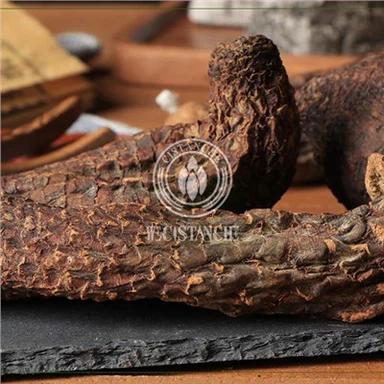
traditional Chinese medicinal herb: cistanche stems
Cistanche is a traditional Chinese medical herb that grows only in the desert. distance contains rich effective ingredients such as echinacoside and acteoside which have the effects of improving immunity, anti-fatigue, anti-bacterial, and virus.