Treat Constipation, Step By Step!
Aug 21, 2023
Constipation is a common symptom of intestinal diseases. Mild constipation can be improved through diet and lifestyle adjustments, while severe constipation requires medication, laxatives, and even surgery.

Some people with constipation cannot be improved through diet, so they may choose some seemingly natural health products, which may contain stimulant laxatives such as senna, rhubarb, and mirabilite, and some diet foods will also add similar ingredients.
This kind of food or laxative can be taken for a short period, but if taken as a daily food for a long time, it will seriously damage the peristaltic and secretory functions of the colon, resulting in aggravated constipation, and over time, intractable constipation. It may also lead to serious consequences such as intestinal obstruction and megacolon.
Therefore, what Xiao Yuanzi wants to say today is: the treatment of constipation needs to be done step by step, first of all through diet and lifestyle adjustments. However, before the effect of diet adjustment is not obvious and before drug treatment, we still have one step to go, and that is the adjustment of intestinal microecology!
The first step is to adjust the diet and lifestyle, which is also a process of regulating the intestinal microecology, especially dietary diversification and high-quality dietary fiber intake are very important for intestinal health.
Diversification of diet can also maintain the diversity of flora. We can simply understand that different flora like to "eat" different foods. When our diet is too single, other bacteria do not have to "eat" and are naturally taken "starving.

Dietary fiber is the food that most of the probiotics in our intestines like very much. It is also called prebiotics. Try to consume as much high-quality dietary fiber as possible or directly supplement probiotics are the means to maintain the balance of intestinal flora.
It is of course no secret that dietary fiber or prebiotics and probiotics can relieve constipation by regulating the intestinal flora.
Recently, the domestic team published the latest randomized double-blind placebo-controlled trial in Gut Microbes, which once again evaluated the effect of dietary fiber and probiotics on constipation.
This experiment was published by Liu Xin from Xi'an Jiaotong University, Tian Tian from Xi'an Daxing Hospital, and Zhang Xuguang from BY HEALTH. The experiment included 250 patients with functional constipation, and the intervention groups were dextran (group A), psyllium (group B), wheat bran + psyllium (group C), and Bifidobacterium animalis subsp. lactic + Lactobacillus rhamnosus (group D), and the placebo group was maltodextrin (group E).
The trial found that the Bristol Stool Scale scores of group A-D increased significantly by 0.95-1.05, which was better than that of the placebo group, and the abundance of bifidobacteria in group A was higher than that of the placebo at weeks 2 and 4, and groups B and C The increase of anaerobic bacteria is related to the increase of defecation frequency; the plasma serotonin of patients in group D decreased significantly. This trial reaffirms that dietary fiber or probiotics can relieve constipation, and the microbiota can also predict the degree of intervention response.
Therefore, when there is mild bowel dysfunction and the effect of a daily diet on improving constipation is not obvious, we can also use some microecological preparations (prebiotics/probiotics) to help regulate intestinal flora.

Among probiotics, we are most familiar with lactic acid bacteria and bifidobacteria, but probiotics are easily killed by gastric acid and lose their activity when they pass through the stomach, so Xiao Yuanzi recommends eating substances that are conducive to the growth of probiotics—prebiotics, Or probiotics with compound prebiotics, the effect will be better.
In addition, flora transplantation is also recognized as an effective method to regulate intestinal microecology in recent years. Microflora transplantation, also called fecal microbiota transplantation, is to transplant the intestinal microbes of healthy people into patients through the gastrointestinal tract, restore the diversity of intestinal microbes in patients, help rebuild new healthy intestinal flora, and improve the therapeutic effect more significantly.
After years of research and development, with the continuous deepening of the research on intestinal flora, the treatment methods of flora transplantation and intestinal flora regulation are not limited to the treatment of intestinal diseases, but also gradually applied to other intestinal diseases. Bacteria-related diseases, such as depression, autism, metabolic diseases, immune regulation, etc.
Studies have found that almost all chronic diseases are related to intestinal microecological disorders, that is to say, intestinal microecological treatment can be said to be suitable for almost all chronic diseases, especially chronic diseases accompanied by gastrointestinal symptoms such as constipation and diarrhea. I believe that with the continuous development of science, we will eventually find a way to overcome diseases, and the research on flora is a bright road!
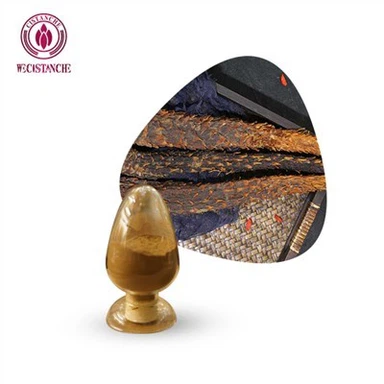
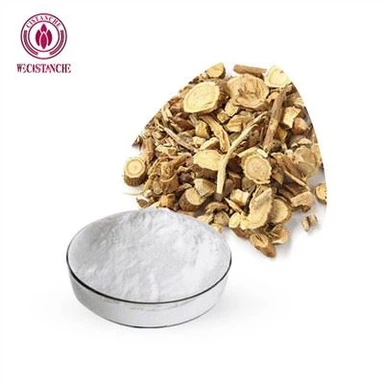
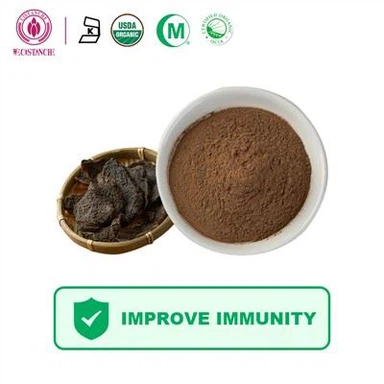
Natural Herbal Medicine For Relieving Constipation-Cistanche
Cistanche is a genus of parasitic plants that belongs to the family Orobanchaceae. These plants are known for their medicinal properties and have been used in Traditional Chinese Medicine (TCM) for centuries. Cistanche species are predominantly found in arid and desert regions of China, Mongolia, and other parts of Central Asia. Cistanche plants are characterized by their fleshy, yellowish stems and are highly valued for their potential health benefits. In TCM, Cistanche is believed to have tonic properties and is commonly used to nourish the kidney, enhance vitality, and support sexual function. It is also used to address issues related to aging, fatigue, and overall well-being. While Cistanche has a long history of use in traditional medicine, scientific research on its efficacy and safety is ongoing and limited. However, it is known to contain various bioactive compounds such as phenylethanoid glycosides, iridoids, lignans, and polysaccharides, which may contribute to its medicinal effects.

Wecistanche's cistanche powder, cistanche tablets, cistanche capsules, and other products are developed using desert cistanche as raw materials, all of which have a good effect on relieving constipation. The specific mechanism is as follows: Cistanche is believed to have potential benefits for relieving constipation based on its traditional use and certain compounds it contains. While scientific research specifically on Cistanche's effect on constipation is limited, it is thought to have multiple mechanisms that may contribute to its potential to relieve constipation. Laxative Effect: Cistanche has long been used in Traditional Chinese Medicine as a remedy for constipation. It is believed to have a mild laxative effect, which can help promote bowel movements and induce constipation. This effect may be attributed to various compounds found in Cistanche, such as phenylethanoid glycosides and polysaccharides. Moistening the Intestines: Based on traditional use, Cistanche is considered to have moisturizing properties, specifically targeting the Intestines. By promoting hydration and lubrication of the Intestines, it may help soften tools and facilitate easier passage, thereby relieving constipation. Anti-inflammatory Effect: Constipation can sometimes be associated with inflammation in the digestive tract. Cistanche contains certain compounds, including phenylethanoid glycosides and lignans, that are believed to have anti-inflammatory properties. By reducing inflammation in the intestines, it may help improve bowel movement regularity and relieve constipation.
Reference
[1] Effects of dietary fibers or probiotics on functional constipation symptoms and roles of gut microbiota: a double-blinded randomized placebo trial Blind placebo-controlled trial, 10.1080/19490976.2023.2197837.