Research Progress On The Prevention And Treatment Of Alzheimer's Disease And Parkinson's Disease By Dihuang Yinzi Ⅱ
Oct 23, 2024
3 Research progress on the prevention and treatment of PD using Rehmannia glutinosa yinzi
PD is the second most common neurodegenerative disease, and its clinical symptoms can be summarized as movement disorders and non-motor disorders. Movement disorders mainly include abnormal gait, difficulty in moving, resting tremor, etc. Non-movement disorders include sleep, depression, cognitive dysfunction, etc. Current first-line clinical treatments have obvious limitations and side effects, and cannot effectively inhibit the occurrence, development and accompanying symptoms of PD [29].

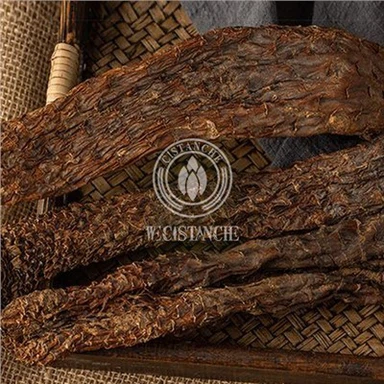
NEW HERB CISTANCHE FOR PREVENT PARKINSON DISEASE
3.1 Clinical efficacy research
Rehmannia glutinosa has great potential and has been widely used in the treatment of movement disorders, non-movement disorders and accompanying symptoms of PD. In the treatment of Parkinson's movement disorders, studies have proven that the clinical effectiveness of the combination of Rehmannia glutinosa yinzi, Shaoyao licorice decoction and Madoba reaches 87.5% [30]; the combination of Rehmannia yinzi and dopaserazine or levodopa The treatment can effectively improve the motor symptoms of Parkinson's patients [31]; through the investigation of the Traditional Chinese Medicine Effectiveness Evaluation Scale and the Parkinson's Motor Function Evaluation Scale, researchers found that the combined treatment of Rehmannia glutinosa, levodopa and scalp acupuncture achieved significant results. efficacy [32].
In terms of the treatment of non-movement disorders in PD, studies have proven that the total effective rate of the combined use of Dihuang Yinzi and levodopa in the treatment of mild cognitive impairment in PD patients is significantly higher than that of the levodopa alone group [33] . In terms of the treatment of accompanying symptoms of PD, some studies have proven that: Dihuang Yinzi plus moxibustion combined with conventional drugs can effectively treat PD orthostatic hypotension [34]; Combined treatment with acupuncture can effectively improve sleep quality and sleep time in Parkinson's disease [35]; Dihuang Yinzi combined with conventional therapies (such as Madopar, phenolphthalein tablets, selegiline hydrochloride tablets, repetitive transcranial magnetic stimulation, etc.) can also treat Parkinson's disease. Kanamori constipation and pain, etc. [36-37].
In summary, although Dihuang Yinzi cannot replace the therapeutic effect of dopa drugs on PD, its role in combined medication cannot be underestimated, and there is sufficient clinical data to demonstrate the role of Dihuang Yinzi in the treatment of dyskinesia and non-dyskinesia in PD. It plays a unique role in the treatment of its accompanying symptoms.

HERB CISTANCHE FOR PREVENT PARKINSON DISEASE
3.2 Mechanism of action
The pathogenesis of PD is closely related to the loss of dopaminergic neurons in the substantia nigra, while mitochondrial dysfunction, accumulation of synuclein and neuromelanin are also the main pathological manifestations and possible mechanisms of PD[38]. As a commonly used drug for the treatment of PD in traditional Chinese medicine, Dihuang Yinzi has mechanisms involving mitochondrial protection, regulation of α-synuclein and neuroprotection. In terms of mitochondrial protection, Rehmannia glutinosa can reduce cell apoptosis induced by mitochondrial and endoplasmic reticulum caspase 12 pathways in PD mouse models [39]; in terms of α-synuclein regulation, Rehmannia glutinosa can reduce the expression of α-synuclein in the striatum and substantia nigra of the midbrain, thereby reducing the inhibition of PD on motor function [40]; in terms of neuroprotection, Rehmannia glutinosa can regulate the function of the hypothalamus-pituitary-adrenal axis, reduce the content of monoamine oxidase and lipofuscin in brain tissue, improve the antioxidant capacity of brain tissue, slow down the degradation rate of dopamine neurotransmitters, reduce the damage of dopaminergic neurons in the substantia nigra [41], and activate the expression of neurotrophic factors to play a neuroprotective role [42].
In addition to experimental studies, molecular docking experiments have also shown that Rehmannia glutinosa can play a role in PD by affecting the tumor necrosis factor signaling pathway, neurotrophic signaling pathway, and thyroid hormone signaling pathway.
From the above research evidence, it can be concluded that the intervention of Rehmannia Decoction has a more significant improvement effect on the typical neuropathological manifestations of PD, and this conclusion is consistent in many studies. The possible mechanism by which this compound exerts this efficacy is related to multiple physiological functions. At present, the research on the mechanism of action of Rehmannia Decoction in improving PD covers a wide range, but the depth is not enough. Most studies only stay at the exploration of the effect on a certain cell function, but do not go deep into the specific target of action, and most of them are still conducted in the form of a whole prescription, lacking the identification of the effective ingredients of the prescription and the exploration of the target of action. In addition, it is not yet known whether Rehmannia Decoction can have an intervention effect on the cellular function of surviving neurons in the PD state. Supplementing this aspect of evidence can effectively reveal the possible mechanism of drug intervention.
3.3 Exploration of active ingredients
In order to further enrich the selectivity of clinical drugs for PD, clarify the targets of different drug ingredients, and better provide theoretical and experimental basis for clinical drugs, researchers have conducted a series of studies on the monomer components of Rehmannia Decoction for the treatment of PD. Similar to Rehmannia Decoction for the treatment of AD, the main anti-PD components of Rehmannia Decoction are glycosides and lignans. The glycosides of Rehmannia Decoction for the treatment of PD mainly include catalpol, polygala saponin, total glycosides of Cistanche deserticola, echinacoside, loganin, Cistanche deserticola A and verbascoside. Studies on the efficacy and mechanism of single compounds have shown that:

Catalpol can reduce the loss of dopaminergic neurons through multiple effects such as anti-apoptosis, anti-inflammatory, and antioxidant effects [43]; Polygala tenuifolia saponins can protect neurons by improving anti-infection activity [44]; Cistanche deserticola A can promote the aggregation of PTEN-induced kinase 1/parkin protein, thereby weakening the mitochondrial membrane, and clearing mitochondrial damage by activating LC3 and p62-mediated autophagy to protect dopamine neurons [45]; Echinacoside can effectively reduce the number of monoamine neurotransmitters, regulate silent information regulator 1-mediated autophagy to prevent 1-methyl-4-phenylpyridinium ion/1-methyl-4-phenyl-1,2,3,6-tetrahydropyridine-induced neurotoxicity, and activate p38 mitogen-activated protein kinase/nuclear transcription factor-κB through stress activation. p52 signaling plays a neuroprotective role[46]; loganin can inhibit inflammation, autophagy and apoptosis in PD model rats[47], playing a neuroprotective role; verbascoside can directly bind to cysteine protease 3 to form a new complex, thereby inhibiting its content and reducing neuronal cell apoptosis[48]. As a lignan, schisandra chinensis alcohol A inhibits apoptotic damage in PC12 cell models by enhancing the antioxidant capacity of cells[49].

4 Discussion
In summary, neurodegenerative diseases represented by AD and PD have common etiology, pathogenesis and treatment principles in TCM theory. Kidney deficiency and marrow reduction are the common pathogenesis of the two diseases. The famous kidney-tonifying prescription Dihuang Yinzi has clear clinical efficacy through symptomatic intervention: clinical findings show that Dihuang Yinzi can improve cognitive impairment and associated depression in AD, and can improve movement disorders and associated constipation and postural hypotension in PD; in terms of mechanism of action research: the mechanism of action of Dihuang Yinzi in treating AD involves the generation of β-amyloid protein and improvement of synaptic structure and function, and the mechanism of action in treating PD involves the regulation of α-synuclein and HPA axis, and the common mechanism of action in treating both diseases involves inflammatory mechanism and mitochondrial mechanism; in terms of active ingredients of the drug: the active ingredients in Dihuang Yinzi that act on AD include: catalpol, polygala saponin, total glycosides of Cistanche deserticola, echinacoside, loganin, tuckahoe polysaccharide, cornus polysaccharide and schisandrin A, and the active ingredients that act on PD include: catalpol, polygala saponin, total glycosides of Cistanche deserticola, echinacoside, loganin, Cistanche deserticola A and verbascoside and schisandrae alcohol A, the common active ingredients acting on AD and PD are: catalpol, polygala saponin, total glycosides of Cistanche deserticola, echinacea glycosides, loganin and schisandrae alcohol A.
4.1 The clinical efficacy of Rehmannia decoction in the prevention and treatment of AD and PD is clear, but there is a lack of systematic evidence-based evidence
Through sorting, it was found that in the previous clinical studies on the improvement of neurodegenerative diseases represented by AD and PD by Rehmannia decoction, there were only limited case reports based on clinical experience and evidence of efficacy observation, and there was still a lack of evidence-based evidence based on strict randomized controlled experimental design, and there was also a lack of in-depth mechanism exploration based on clinical efficacy. The next step should be to conduct a systematic, multi-center, double-blind randomized clinical epidemiological survey around the compound to further clarify the treatment or intervention effect of the compound.
4.2 There is a lack of research on the mechanism of action of Rehmannia Decoction, and the pharmacodynamic mechanism acting on the accompanying symptoms needs to be further revealed
At present, there is still a lack of research on the mechanism of Rehmannia Decoction in preventing and treating AD and PD. It is specifically manifested in three aspects: First, in the overall design of the relevant mechanism research, there is a lack of systematic research with a holistic design from clinical efficacy discovery to in vivo and in vitro mechanism revelation, and then feeding back to clinical application. This is not conducive to the real innovative development guided by the thinking of "inheriting the essence, keeping the integrity and innovating" around the compound. Second, the design of some clinical trials or animal experiments is flawed and unreasonable. There is more evidence of the correlation between disease-drug-mechanism, but there is less confirmatory evidence to lock in this correlation, which makes the conclusion unconvincing. In the subsequent development direction, under the guidance of traditional Chinese medicine theory, auxiliary analysis of modern biomedical technology system means should be carried out. After finding the possible action pathway of the drug components, it can be verified by in vitro cell combined with in vivo animal experiments to obtain preclinical efficacy conclusions. During the clinical trial, patient samples were collected as much as possible, and with the help of advanced omics technologies such as gene/protein/metabolism, the component drugs were continuously improved and optimized, and matched to help the feasibility of the clinical application of the prescription.
In addition, by combing the above studies, it can be found that Rehmannia Decoction also has a significant effect on the concomitant symptoms of AD and PD, but the mechanism is almost blank. This suggests that in future clinical applications, by combining the prescription with the first-line drugs/means to improve the main symptoms, a complementary effect may be achieved. In addition, the study of the mechanism of Rehmannia Decoction on the concomitant symptoms of the disease has become an urgent need.

4.3 The Rehmannia Decoction is complex, and simplifying the prescription for efficacy and mechanism research may help clinical transformation
The Rehmannia Decoction is complex and has too many medicinal flavors, which causes certain troubles in clinical application and mechanism research. The composition matching study can be carried out based on the previous monomer components, and the prescription can be analyzed according to the research strategy of monomer components-matching components-single medicine-drug pairs-split prescriptions-new prescriptions, which may help effectively reveal the disease intervention mechanism. In addition, it was found that the mechanism of action and effective monomer components of Rehmannia Decoction in improving AD and PD are partially repeated. This suggests that the two diseases have consistency in treatment mechanism, which is consistent with previous reports, and provides a basis for the theory of "different diseases treated with the same medicine" in traditional Chinese medicine, confirming the efficacy of Rehmannia Decoction. Therefore, conducting research on the simplified prescription or components of this compound may help the clinical transformation of the commercial preparation of this drug.
5 Summary and Outlook
As one of the quintessence of Chinese medicine, traditional Chinese medicine has shown unique advantages in the clinical treatment of neurodegenerative diseases represented by AD and PD.
Through the etiology and pathogenesis, it was found that kidney deficiency and marrow reduction are the key to the etiology of neurodegenerative diseases. The famous kidney-tonifying prescription Dihuang Yinzi has a very definite clinical effect on treating different diseases with the same method. Under the guidance of traditional Chinese medicine theory, modern neurobiological methods are used to explore the mechanism of Dihuang Yinzi in preventing and treating neurodegenerative diseases, clarify the effective ingredients of the prescription group, explore the mechanism chain evidence of its action target-neural function-cell morphology, and establish a systematic evidence-based medicine research system around the prescription, which is conducive to providing new ideas for the traditional Chinese medicine treatment of neurodegenerative diseases and new insights into the theory of "treating different diseases with the same method".
References
1 Wilson DM, Cookson MR, Van Den Bosch L, et al. Hallmarks of neurodegenerative diseases. Cell, 2023, 186(4):693-714.
2 Kalia LV, Lang AE. Parkinson's disease. Lancet, 2015, 386(9996):896-912.
3 Inglis F. The tolerability and safety of cholinesterase inhibitors in the treatment of dementia. Int J Clin Pract Suppl, 2002(127):45-63.
4 Cen Chuan, He Jiancheng. Research progress on the side effects of levodopa in the prevention and treatment of Parkinson's disease with traditional Chinese medicine. Chinese Journal of Traditional Chinese Medicine, 2009, 27(12):2530-2532.
5 Feng Shiyu, Ren Lu, Li Mochou, et al. Acupuncture treatment of Alzheimer's disease (kidney deficiency type) acupoints combination rule research. Acupuncture Clinical Journal, 2022, 38(12):59-64.
6 Zang Caixia, Bao Xiuqi, Sun Hua, et al. Research progress of Chinese herbal compound in the treatment of Alzheimer's disease. Chinese Pharmacology and Clinical Medicine, 2016, 32(4):157-161.
7 Tian J, Wang X Q, Tian Z. Focusing on formononetin: recent perspectives for its neuroprotective potentials. Front Pharmacol, 2022, 13:905898.
8 Zhang Na, Wang Le, Ma Tao, et al. Effect of Rehmannia Decoction on cognitive function in patients with mild Alzheimer's disease. Chinese Journal of Medicine, 2019, 16(35):69-72.
9 Jia Qian, Luo Hai, Xu Weiwei, et al. Observation on the efficacy of modified Rehmannia glutinosa in the treatment of Alzheimer's disease. Chinese Journal of Hospital Drug Evaluation and Analysis, 2018, 18(4):499-500, 503.
10 Yao Aina, Wang Xuan, Dong Lianling, et al. Observation on the efficacy of modified Rehmannia glutinosa in the treatment of Alzheimer's disease. World Journal of Integrated Traditional Chinese and Western Medicine, 2016, 11(5):667-670.
11 Zuo Qinjing. Observation on the efficacy of modified Rehmannia glutinosa in improving depression associated with Alzheimer's disease. Shanxi Journal of Traditional Chinese Medicine, 2017, 33(8):47, 49.
12 Yan Yan, Han Ran, Gao Junfeng, et al. Mechanism of Rehmannia glutinosa in improving mitochondrial biogenesis and oxidative damage in brain tissue of AD rats. Chinese Journal of Experimental Traditional Chinese Medicine, 2018, 24(21):105-110.
13 Yu Miao, Xie Ning, Guan Huibo, et al. The intervention mechanism of Rehmannia glutinosa on the generation of Aβ in the brain of AD model rats. Chinese Journal of Traditional Chinese Medicine, 2016, 31(6):2281-2284.
14 Yu Hongni, Sun Mengjie, Han Guanghui, et al. The mechanism of Rehmannia glutinosa in improving astrocyte damage in AD mice and regulating synaptic structure and function. Chinese Journal of Experimental Traditional Chinese Medicine, 2023,