Uncovering The Treatment Plan For Rituximab Induction Treatment Of MCD
May 15, 2024
Research Background
Minimal change nephropathy (MCD) is a common pathological type of nephrotic syndrome and is common in children. Previous studies have shown that MCD usually reoccurs after viral infection, immunity or allergen exposure, suggesting that T cells and B cells play an important role in the occurrence and development of MCD. Currently, KDIGO guidelines recommend that the first-line treatment for MCD is glucocorticoids, but up to 33% of patients may relapse or become glucocorticoid-dependent MCD. Rituximab can reduce the recurrence of MCD and can be used preferentially in patients with a high risk of adverse reactions to glucocorticoids. However, can rituximab be used only for maintenance therapy of MCD and not for induction therapy?

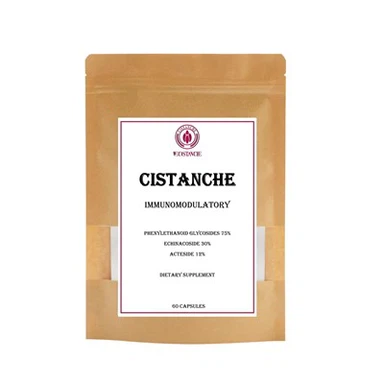
Click to Cistanche for kidney disease
Research design
The inclusion criteria for this study were patients with newly treated or relapsed MCD confirmed by renal biopsy and electron microscopy (including previous cases), and who presented with nephrotic syndrome, that is, 24h urine protein >3.5g/24h, and serum albumin <30g/L . Divided into 3 groups according to different treatment plans.
Group A
There were 9 patients in Group A, including 4 patients with initial treatment and 5 patients with complete relapse. They were only treated with a sufficient amount of rituximab. The patients' estimated glomerular filtration rate (eGFR) was >90ml/min/1.73㎡. Urine output >800ml, no acute kidney injury (AKI).
Group B
There were 4 patients in Group B, all of whom were completely relapsed. They were treated with short-term low-dose glucocorticoids combined with sufficient rituximab. Their eGFR was >90 ml/min/1.73㎡, urine output was >800ml, and they had no AKI.
Group C
There were 8 patients in group C, all of whom had complete recurrence. After short-term and sufficient glucocorticoid induction for remission and rituximab maintenance therapy, all patients had severe proteinuria (>10g/24h), serum albumin <20g/L or developed AKI.

The endpoint of the study is the effectiveness and safety of rituximab in inducing MCD remission. The effectiveness includes: patient clinical remission rate, time to remission, and clinical relapse rate. Safety mainly examines the risk of adverse reactions.
Research result
01 Baseline information
A total of 21 adult MCD patients were enrolled, with an average age of 34.67±14.92 years old. Before treatment, the patient's average 24-hour proteinuria was 11.36±6.08g, serum albumin level was 19.50 (17.70~27.85) g/L, average serum creatinine level was 76.60±22.19µmol/L, and average eGFR was 102.64±30.46ml. /min/1.73㎡. The average CD19+B cell count was 500.67±275.34/µl.
02 All patients achieved clinical remission
After 12 months of follow-up, all patients achieved clinical remission, with 19 cases (90.48%) achieving complete remission, 2 cases (9.52%) achieving partial remission, and the median remission time was 4 (2.5-12) weeks. Within 1 year of follow-up, 2 patients relapsed, with a recurrence rate of 9.52%.
Group A
Group A enrolled 9 patients, 3 patients received a single dose of rituximab 6 months after completing full-dose rituximab treatment, 8 of them (88.89%) had complete remission, 1 One patient (11.11%) had partial response, and the median response time was 3 (2.25-14) weeks. One patient relapsed twice within 1 year of follow-up.
Group B
Group B enrolled 4 patients, 3 patients (75.00%) achieved complete remission, and the median response time was 4 (4-10) weeks. One case had partial remission (25.00%). The patient continued to have proteinuria after completing full-dose rituximab treatment. After 6 months of follow-up, repeated injection of rituximab (375 mg/㎡) did not result. Can completely improve its proteinuria level. All patients stopped taking steroids within 4 months, and 1 patient relapsed within 1 year of follow-up.
Group C
Group C enrolled 8 patients, all (100%) achieved complete response, and the median response time was 3.5 (2-4) weeks. Three patients received a single dose of rituximab 6 months after completing full-dose rituximab treatment. All patients stopped taking steroids within 3 months and no recurrence was seen.
03 All patients' laboratory parameters improved
Compared with the data before rituximab treatment, within 12 months after treatment, the amount of urinary protein was significantly reduced and serum albumin was significantly increased in all patients.
In addition, lipid and protein metabolism disorders were significantly reduced, the cumulative dosage of hormones was significantly reduced, and the CD19 count showed a downward trend.
04 Rituximab + hormones are well tolerated
Adverse events occurred in 6 patients (28.57%) during rituximab treatment and follow-up, and 1 patient (4.76%) experienced a serious adverse event, specifically hospitalization for interstitial pneumonia.
Research summary
In conclusion, treatment with sufficient rituximab alone or short-term use of low-dose glucocorticoids combined with sufficient rituximab can effectively induce and maintain remission in patients with MCD without AKI. For MCD patients with AKI, short-term and sufficient glucocorticoids are used to induce remission and then maintenance therapy with rituximab is also effective.
Expert Reviews
Among existing treatment options, rituximab is mainly used to reduce relapse in patients with MCD. Among these patients, rituximab can help most patients reduce or discontinue immunosuppressants and corticosteroids, as well as reduce the risk of recurrence of kidney disease. This study is the first to report that the use of sufficient rituximab alone or in combination with low-dose glucocorticoids can effectively induce remission of MCD. For patients with AKI, rituximab can be used after short-term induction of remission with sufficient glucocorticoids. Maintenance treatment is also effective. The three induction regimens are all effective for MCD patients with different backgrounds, can significantly reduce the dosage and dependence on glucocorticoids, and can even achieve hormone-free therapy, thus greatly reducing hormone-related side effects.
Compared with previous studies, hormonal therapy alone resulted in similar response times to rituximab therapy. In addition, compared with previous studies using rituximab alone to treat MCD, the recurrence rate in this study was significantly lower. This may be related to the adequate use of rituximab in the early stage and the supplementary rituximab treatment after 6 months of follow-up.
In addition, most patients tolerated it well, with only one patient experiencing serious adverse events, and the risk of adverse events was lower than previously reported prednisolone treatment and hormone combined with tacrolimus treatment. A common adverse reaction of rituximab treatment is infusion reaction, which can be alleviated by adjusting the infusion rate.
How Does Cistanche Treat Kidney Disease?
Cistanche is a traditional Chinese herbal medicine used for centuries to treat various health conditions, including kidney disease. It is derived from the dried stems of Cistanche deserticola, a plant native to the deserts of China and Mongolia. The main active components of cistanche are phenylethanoid glycosides, echinacoside, and acteoside, which have been found to have beneficial effects on kidney health.
Kidney disease, also known as renal disease, refers to a condition in which the kidneys are not functioning properly. This can result in a buildup of waste products and toxins in the body, leading to various symptoms and complications. Cistanche may help treat kidney disease ase through several mechanisms.
Firstly, cistanche has been found to have diuretic properties, meaning it can increase urine production and help eliminate waste products from the body. This can help relieve the burden on the kidneys and prevent the buildup of toxins. By promoting diuresis, cistanche may also help Reduce high blood pressure, a common complication of kidney disease.
Moreover, cistanche has been shown to have antioxidant effects. Oxidative stress, caused by an imbalance between the production of free radicals and the body's antioxidant defenses, plays a key role in the progression of kidney disease. ies help neutralize free radicals and reduce Oxidative stress, thereby protecting the kidneys from damage. The phenylethanoid glycosides found in cistanche have been particularly effective in scavenging free radicals and inhibiting lipid peroxidation.
Additionally, cistanche has been found to have anti-inflammatory effects. Inflammation is another key factor in the development and progression of kidney disease. Cistanche's anti-inflammatory properties help reduce the production of pro-inflammatory cytokines and inhibit the activation of inflammation mandatory pathways, thus alleviating inflammation in the kidneys.
Furthermore, cistanche has been shown to have immunomodulatory effects. In kidney disease, the immune system can be dysregulated, leading to excessive inflammation and tissue damage. Cistanche helps regulate the immune response by modulating the production and activity of immune cells, such as T cells and macrophages. This immune regulation helps reduce inflammation and prevent further damage to the kidneys.

Moreover, cistanche has been found to improve renal function by promoting the regeneration of renal tubes with cells. Renal tubular epithelial cells play a crucial role in the filtration and reabsorption of waste products and electrolytes. In kidney disease, these cells can be damaged, leading to damaged renal function. Cistanche's ability to promote the regeneration of these cells helps restore proper renal function and improve overall kidney health.
In addition to these direct effects on the kidneys, cistanche has been found to have beneficial effects on other organs and systems in the body. This holistic approach to health is particularly important in kidney disease, as the condition often affects multiple organs and systems. che has been shown to have protective effects on the liver, heart, and blood vessels, which are commonly affected by kidney disease. By promoting the health of these organs, cistanche helps improve overall kidney function and prevent further complications.
In conclusion, cistanche is a traditional Chinese herbal medicine used for centuries to treat kidney disease. Its active components have diuretic, antioxidant, anti-inflammatory, immunomodulatory, and regenerative effects, which help improve renal function and protect the kidneys from further damage. , cistanche has beneficial effects on other organs and systems, making it a holistic approach to treating kidney disease.