In Addition To Dietary Habits, These Patient Factors Are Also Related To Reaching Uric Acid Standards.
May 15, 2024
Urate-lowering therapy (ULT) is part of routine care for patients with gout. According to my country's gout diagnosis and treatment standards, the goal of uric acid-lowering treatment for gout patients is serum uric acid (SU) <360 μmol/L, and long-term maintenance; if the patient has tophi, chronic gouty arthritis, or frequent gouty arthritis attacks, uric acid-lowering treatment The target is SU<300 μmol/L. Until tophi is completely dissolved and symptoms of frequent arthritis attacks are improved, the treatment goal can be changed to SU<360 μmol/L and maintained long-term.

Click to Cistanche for kidney disease
At present, target treatment is the best management strategy for gout. Further clarifying the predictors of efficacy will help determine the patient's benefit and optimize the treatment plan. Based on this, foreign scholars conducted a post hoc analysis to analyze the decisive factors that affect gout patients reaching the target after ULT treatment. The research results were recently published in the journal "Arthritis Rheumatol." (impact factor: 6.9).
Research design
The STOP gout trial (NCT02579096) is a multicenter, randomized, double-blind clinical trial comparing the efficacy of febuxostat and allopurinol. This study is a post hoc analysis of this large clinical trial. The study is divided into three phases. , respectively the first stage (0-24w), the second stage (25-48w), and the third stage (49-72w).
The included patients met the 2015 ACR gout classification criteria, and patients with SU≥6.8 mg/dl were randomly assigned to the allopurinol or febuxostat group, with dose titration from 0 to 24 weeks and maintenance dose from 25 to 48 weeks.
Participants were considered to have met the SU goal if their average SU at weeks 36, 42, and 48 was <6.0 mg/dl or <5 mg/dl if tophi was present.

Possible determinants of treatment response were preselected, including sociodemographics, comorbidities, diuretic use, health-related quality of life (HRQoL), body mass index, and gout measures.
The primary outcome of the study was the achievement of targets during the second phase.
Research result
Among the 764 patients included in the analysis, 98% were men, with an average age of 62 years. At the time of enrollment, the average serum uric acid was 8.6mg/dl, the average gout duration was nearly 10 years, 16% had tophi, and 38% of the patients were in stage 3 of chronic kidney disease. Other common comorbidities included hypertension (77%), diabetes (34%), cardiovascular disease (27%), and obesity (68%, obesity: BMI ≥30kg/m2).
1. The proportion of patients achieving the SU target was similar in allopurinol and febuxostat groups
Among participants, 618/764 (81%) achieved SU goals at stage 2; those who achieved goals were more likely to be gout-free at stage 3 than those who did not (62% vs. 49%; p =0.004). The proportion of SU targets achieved was similar in the allopurinol group (82.8%) and the febuxostat group (78.9%) (p=0.16).

Compared with patients who did not achieve the target after ULT, patients who achieved the target were older (mean age 63 vs. 59 years), more likely to be Caucasian (74% vs. 52%), and had higher EQ-5D-3L scores [indicated Better health-related quality of life (HRQoL)] (0.7 vs. 0.6), lower gout severity, i.e. lower SU concentration at enrollment (mean 8.4mg/dl vs. 9.1mg/dl), presence of tophi The proportion of patients was lower (13% vs. 28%), and the disease duration was shorter (average 9.4 years vs. 11.3 years).
2. Patient factors that affect SU achievement: age, education level, HRQoL, diuretics, disease severity
Multivariate analysis showed that the baseline characteristics of patients with higher achievement rates included older age (aOR 1.04: 95%CI 1.02, 1.07/year) and higher education level (aOR 2.02: 95%CI 1.10, 3.69: relative to high school or The following academic qualifications), HRQoL is better (aOR 1.17: 95%CI 1.07, 1.29/0.1 unit EQ-5D-3L). Characteristics associated with lower target rates included higher SU concentrations at enrollment (aOR 0.83: 95% CI 0.72, 0.96/1 mg/dl), presence of tophi (aOR 0.29: 95% CI 0.17, 0.49), and diuretic use agent (aOR 0.52: 95% CI 0.32, 0.87) (Figure 1). The multivariable model showed good discriminant power (C statistic 0.76). Comorbidities including chronic kidney disease, hypertension, diabetes, and cardiovascular disease were not associated with the achievement of SU goals. Furthermore, the results did not change significantly in analyses that considered compliance.
Analysis conclusion
The study showed that baseline factors predicting SU targets include sociodemographic factors, health-related quality of life, diuretics, and gout severity; while common gout comorbidities, such as chronic kidney disease, diabetes, hypertension, obesity, and cardiovascular disease, It is not related to SU compliance.
How Does Cistanche Treat Kidney Disease?
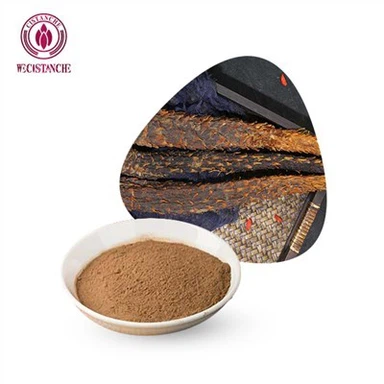
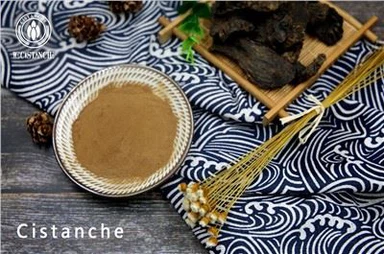
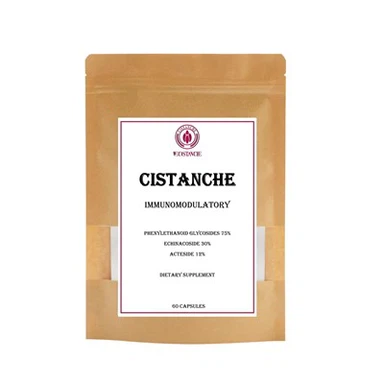
Cistanche is a traditional Chinese herbal medicine used for centuries to treat various health conditions, including kidney disease. It is derived from the dried stems of Cistanche deserticola, a plant native to the deserts of China and Mongolia. The main active components of cistanche are phenylethanoid glycosides, echinacoside, and acteoside, which have been found to have beneficial effects on kidney health.
Kidney disease, also known as renal disease, refers to a condition in which the kidneys are not functioning properly. This can result in a buildup of waste products and toxins in the body, leading to various symptoms and complications. Cistanche may help treat kidney disease ase through several mechanisms.
Firstly, cistanche has been found to have diuretic properties, meaning it can increase urine production and help eliminate waste products from the body. This can help relieve the burden on the kidneys and prevent the buildup of toxins. By promoting diuresis, cistanche may also help Reduce high blood pressure, a common complication of kidney disease.
Moreover, cistanche has been shown to have antioxidant effects. Oxidative stress, caused by an imbalance between the production of free radicals and the body's antioxidant defenses, plays a key role in the progression of kidney disease. ies help neutralize free radicals and reduce Oxidative stress, thereby protecting the kidneys from damage. The phenylethanoid glycosides found in cistanche have been particularly effective in scavenging free radicals and inhibiting lipid peroxidation.
Additionally, cistanche has been found to have anti-inflammatory effects. Inflammation is another key factor in the development and progression of kidney disease. Cistanche's anti-inflammatory properties help reduce the production of pro-inflammatory cytokines and inhibit the activation of inflammation mandatory pathways, thus alleviating inflammation in the kidneys.
Furthermore, cistanche has been shown to have immunomodulatory effects. In kidney disease, the immune system can be dysregulated, leading to excessive inflammation and tissue damage. Cistanche helps regulate the immune response by modulating the production and activity of immune cells, such as T cells and macrophages. This immune regulation helps reduce inflammation and prevent further damage to the kidneys.

Moreover, cistanche has been found to improve renal function by promoting the regeneration of renal tubes with cells. Renal tubular epithelial cells play a crucial role in the filtration and reabsorption of waste products and electrolytes. In kidney disease, these cells can be damaged, leading to damaged renal function. Cistanche's ability to promote the regeneration of these cells helps restore proper renal function and improve overall kidney health.
In addition to these direct effects on the kidneys, cistanche has been found to have beneficial effects on other organs and systems in the body. This holistic approach to health is particularly important in kidney disease, as the condition often affects multiple organs and systems. che has been shown to have protective effects on the liver, heart, and blood vessels, which are commonly affected by kidney disease. By promoting the health of these organs, cistanche helps improve overall kidney function and prevent further complications.
In conclusion, cistanche is a traditional Chinese herbal medicine used for centuries to treat kidney disease. Its active components have diuretic, antioxidant, anti-inflammatory, immunomodulatory, and regenerative effects, which help improve renal function and protect the kidneys from further damage. , cistanche has beneficial effects on other organs and systems, making it a holistic approach to treating kidney disease.