Understanding Of Verbascoside And Its Pharmacological Effects
Mar 16, 2022
For more details, Email: tina.xiang@wecistanche.com
Verbascoside Overview
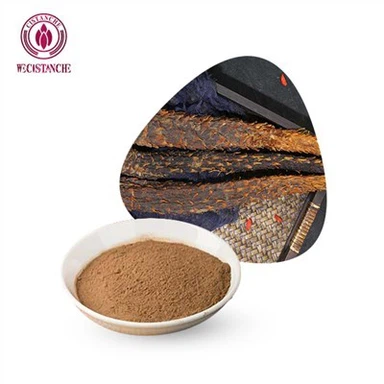
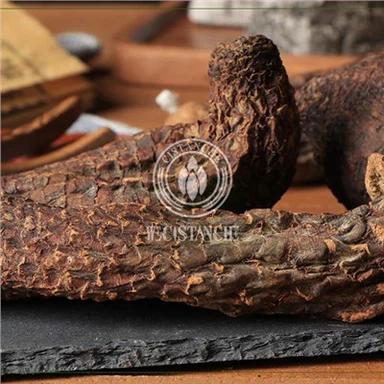
Cistanche is rich in alkaloids, crystalline neutral substances, amino acids, trace elements, vitamins, and other components. The main ingredient is verbascoside. Verbascoside has a molecular formula of C29H36O15, also known as Acteoside, which is widely distributed in such as Verbena, Ledanaceae, Scrophulariaceae, Lamiaceae, Leguminosae, and Plantain. A phenylethanol glycoside in dicotyledonous plants. It is a white or light yellow crystalline powder, and it is a natural plant resource with great research value. It contains hydroxyphenyl and caffeoyl, which are well-known antioxidants. Research reports have shown that verbascoside also has many biological activities, such as anti-inflammatory, anti-tumor, anti-apoptotic, and hepatoprotective pharmacological effects, however, its potential anti-AD activity has not been resolved. Also reported Dow showed that verbascoside showed cytotoxicity to mammalian cancer cells, but not to cells in different physiological environments (such as normal human cells, flies, or rodents), and it was even resistant to a variety of exogenous stresses. exerted a certain protective effect, which may be due to its anti-oxidant-mobilizing properties.

Click here to learn more products
Pharmacological effects of verbascoside
Antioxidant effect
Verbascoside can inhibit lipid peroxidation, thereby improving the resistance of the animal body to oxidative stress. At the same time, verbascoside can reduce DNA damage caused by oxidative stress. Adding verbascoside to the feed can improve the antioxidant capacity of animals and have a positive impact on their growth and development. The antioxidant effects of verbascoside also have applications in neuroprotection, with verbascoside administration significantly reducing the occurrence of oxidative stress and neuronal apoptosis in rat brains in an arterial occlusion/reperfusion model.
Anti-inflammatory effect
Verbascoside can inhibit bacterial lipopolysaccharide-induced neuroinflammatory response and the expression of inflammation-related proteins in BV-2 microglial cells by inhibiting the NF-κB signaling pathway and acute lung injury [9]; at the same time, verbascoside can inhibit JAK/ STAT signaling pathway to inhibit the inflammatory response, which has a potential therapeutic effect on inflammation-induced osteoarthritis.

Anti-tumor effect
Verbascoside can affect the activity of protein regulatory modules in tumor cell lines and inhibit matrix metalloproteinases by inhibiting protein kinase C, thereby producing selective cytotoxicity to tumor cells; it can also promote tumor cell apoptosis by Multi-target, multi-way to inhibit tumor cell growth, invasion ability, and drug resistance, and synergistic effect with other drugs. At the same time, verbascoside also has the function of inducing the death of human promyelocytic acute leukemia cells Anti-apoptotic effect verbascoside can inhibit autophagy-induced apoptosis of retinal ganglion cells through OPTN and PI3K/AKT/mTOR pathways and can be used alone or in combination with drugs to treat glaucoma[5]; The regulation of apoptosis proteins Bax and Bcl-2 have a protective effect on vascular endothelial cell apoptosis and oxidative damage in hyperlipidemia model rats; at the same time, verbascoside can exert anti-inflammatory and anti-apoptotic effects on endotoxic shock rats. brain tissue protects.
Protect the liver
Verbascoside can mediate diethylnitrosamine-induced hepatocellular carcinoma in rats by modulating oxidative stress and apoptosis pathways that are dependent on STAT-3. At the same time, it can reduce hepatocellular carcinoma nodules, hepatocyte damage, necrosis, and inflammatory response, and reduce the ROS level of hepatocytes, preventing the loss of mitochondrial membrane potential; in addition, verbascoside can inhibit the induction of D-galactosamine and lipopolysaccharide by D-galactosamine and lipopolysaccharide. liver failure and consequent hepatocyte apoptosis in mice.

Introducing the biological activity of Verascoside:
1) In vitro activity
Verbascoside acts as an ATP-competitive PKC inhibitor with an IC50 of 25 μM. Verbasin showed Kis of 22 and 28 μM relative to ATP and histones, respectively. Verbasin has potent antitumor activity against L-1210 cells with IC50 of 13 μM[1]. Verbasin (5,10 μM) inhibits 2,4-dinitrochlorobenzene (DNCB)-induced activation of T cell costimulators CD86 and CD54, proinflammatory cytokines, and NFκB pathway in THP-1 cells.
2) In vivo activity
Verbascoside (1%) reduces the overall scratching behavior incidence and the severity of skin lesions in a 2,4-dinitrochlorobenzene (DNCB)-induced mouse model of atopic dermatitis (AD). Verbasin also blocks the expression of proinflammatory cytokines TNF-α, IL-6, and IL-4 mRNA in DNCB-induced skin lesions[2]. Verbasin (50,100 mg/kg, i.p.) does not alter cold allodynia caused by chronic compression injury (CCI). Verbasin (200 mg/kg, i.p.) reduces hypersensitivity to cold stimuli to acetone in rats on day 3. Verbasin also significantly reduced behavioral changes associated with neuropathy. Furthermore, verbascoside decreased Bax and increased Bcl-2 on day 3.