Unsupervised Learning Of Aging Principles From Longitudinal Data Part 2
Jun 06, 2023
The reduction of aging to the dynamics of a single variable makes the quantitative model of aging in the form of the stochastic Eq. (1) from ref. 18 and this study is distinct from previous proposals to derive mortality from a physiological state’s dynamics58,59. Such models are mathematical metaphors of random walks in very high dimensional spaces and thus may be difficult to interpret or infer from biological signals without additional assumptions. We believe that criticality is a helpful theoretical observation and deep learning is a great practical tool, which may be used together to simplify identifying the model parameters and their relations to organism properties. We note that the explanation of the Gompertz law of mortality is insufficient proof of an aging theory. Matching stochastic longitudinal dynamics of physiological indices to a model prediction is a much harder challenge and should be used as an effective tool for model validation.
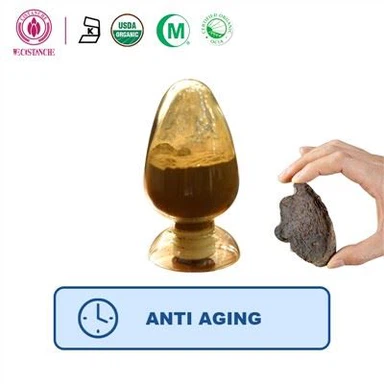
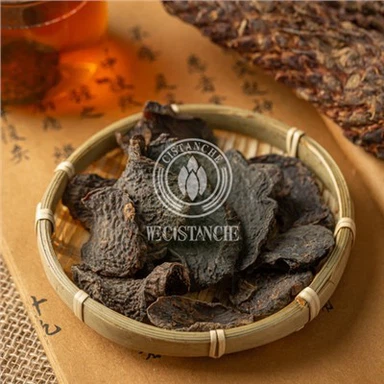
Glycoside of cistanche can also increase the activity of SOD in heart and liver tissues, and significantly reduce the content of lipofuscin and MDA in each tissue, effectively scavenging various reactive oxygen radicals (OH-, H₂O₂, etc.) and protecting against DNA damage caused by OH-radicals. Cistanche phenylethanoid glycosides have a strong scavenging ability of free radicals, a higher reducing ability than vitamin C, improve the activity of SOD in sperm suspension, reduce the content of MDA, and have a certain protective effect on sperm membrane function. Cistanche polysaccharides can enhance the activity of SOD and GSH-Px in erythrocytes and lung tissues of experimentally senescent mice caused by D-galactose, as well as reduce the content of MDA and collagen in lung and plasma, and increase the content of elastin, have a good scavenging effect on DPPH, prolong the time of hypoxia in senescent mice, improve the activity of SOD in serum, and delay the physiological degeneration of lung in experimentally senescent mice With cellular morphological degeneration, experiments have shown that Cistanche has the good antioxidant ability and has the potential to be a drug to prevent and treat skin aging diseases. At the same time, echinacoside in Cistanche has a significant ability to scavenge DPPH free radicals and has the ability to scavenge reactive oxygen species and prevent free radical-induced collagen degradation, and also has a good repair effect on thymine free radical anion damage.

Click on Cistanche Powder Bulk
【For more info: david.deng@wecistanche.com / WhatApp:86 13632399501】
dFI increased exponentially with age at a characteristic doubling rate of 0.02 per week. This estimate is somewhat smaller than (but still of the same order as) the expected Gompertz mortality acceleration rate of 0.037 per week22 for the SWR/J strain. Given the observed dFI doubling rates in mice, αt ~ 3 and hence the deterministic phenotypic changes dominate the random effects by a factor of 3 (see Eq. (2) and Fig. 3).
More interestingly, in the cross-sectional dataset, the dFI saturated at a limiting value, which is reached at the age corresponding to the average lifespan in the group. However, we observed that the dFI ceiling corresponds to the dFI levels in cohorts of animals scheduled for euthanasia due to excessive morbidity under current laboratory protocols, which is as close to death from natural causes as animals could be in a modern laboratory.
Both features of the aging trajectories in MPD are compatible with the analytical solutions of Eq. (1) for the dynamics of the order parameter. In ref. 18, we explained that early in life dFI increases exponentially (see Eq. (2)). At the age approximately corresponding to the average lifespan in the population, non-linear effects take over the dynamics of dFI, and the organism state deviates from its youthful state even faster than exponentially. Such a situation is incompatible with survival and hence cannot be observed in the data. In our model and the experiment, death occurs quickly once the maximum dFI level is reached at some point in the life history of the animal.
The stochastic Eq. (1) establishes the “law of motion” for the organism’s physiological state and predicts the late-life mortality deceleration in the form of saturation of mortality at the plateau level, Mðt ≫ tÞ ≈ α. The predicted relationship between the limiting mortality and the mortality rate doubling time held in a variety of species60 and experiments in multiple conditions in the same species, such as nematodes42. Here we report the validation of the limiting mortality prediction in very large cohorts of mice from ref. 25.
The good semi-quantitative agreement between the empirical mortality curves in large experiments and the theoretical prediction provides an independent and sensitive test of the aging at criticality model as a theoretical framework proposed here for the data analysis in experiments involving aging animals. More specifically, the experimental confirmation for the late-life mortality deceleration prediction validates the basic stochastic Eq. (1) and the association between its solution in the form of dFI and all-cause mortality. We also note that the mortality deceleration in the model arises from the stochastic nature of the order parameter dynamics and should be expected even in a cohort of genetically identical animals (see the discussion in ref. 61).
Deviations from the Gompertz law in human cohorts also occur, but at ages exceeding the average lifespan when the mortality is already well beyond the theoretical limit corresponding to the mortality rate doubling rate by almost an order of magnitude60. This means that the character of the organism's state dynamics in the course of human aging is qualitatively different than that in mice or nematodes. In ref. 5, we observed that the fluctuations of physiological indices in humans are also dominated by a collective variable characterized by a relatively long but finite auto-correlation time (in the range of a few weeks) and associated with age and all-cause mortality. The number of individuals exhibiting signs of the loss of dynamic stability (measured by exceedingly long auto-correlation times) increased exponentially with age at a rate matching the mortality doubling rate from the Gompertz mortality law61.

The intimate relation between the auto-correlation properties of physiological state variables and hallmarks of aging suggests that AR analysis enhanced by deep learning may help discover signatures of human aging and chronic disease progression. The benefit may be particularly huge in studies involving large sets of longitudinal measurements but often lacking follow-up mortality and morbidity information. While hallmarks of aging in mice are correlated and primarily reversible, a large part of physiological changes associated with aging in humans is stochastic and may be thermodynamically irreversible62. Therefore, we expect that the systematic application of dynamic systems theory principles to biomedical data analysis will help identify actionable aging phenotypes and thus facilitate the discovery and development of anti-aging therapeutics that produce lasting rejuvenating effects.
Methods
Datasets
The training data set was prepared from the nine data sources available in the MPD19. A list of the included sources is presented in Supplementary Data 1 with references to the included and missing records grouped by sex and age cohorts. We used the assays providing the CBC data only, assays with other biomarkers were not considered due to the insufficient number of samples. Our model was trained using the best overlap of available CBC features from all sources. The final list contained 12 CBC features: granulocytes differential (GR%), granulocytes count (GR), hemoglobin (HB), hematocrit (HCT%), lymphocyte differential (LY%), lymphocyte count (LY), mean corpuscular hemoglobin content (MCHC), mean hemoglobin concentration (MCH), mean corpuscular volume (MCV), platelet count (PLT), red blood cell count (RBC) and white blood cell count (WBC). See Supplementary Data 2 for the list of all abbreviations. If the data source lacked granulocytes measurements, it was retrieved using formulas:

All animals with one or more missing parameters were excluded from the training. The percentage of the excluded records was <2% and should not have affected the results.
Animals
All animal experiments were approved by the Institutional Animal Care and Use Committee of Roswell Park Cancer Institute or by the Explora BioLabs, Inc Animal Use Committee.
We received 4–5-week-old NIH Swiss male and female mice from Charles River Laboratories (Wilmington, MA). They were allowed to age within the Roswell Park Comprehensive Cancer Center (RPCCC) animal facility. During this time mice were housed 1–3 per cage and were fed ad-lib with standard chow (Tekland Global 18% Protein Rodent Diet). Blood samples were obtained at different ages as part of creating the PFI3. Blood samples were collected from a single submandibular vein bleed into EDTA-treated Vacutainer tubes (total volume of 20 μl) and used for whole blood cell counts and glucose measurements using Hemavet 950 Analyzer (Drew Scientific). Another 75 μl of blood was collected into Li-Heparin treated plasma separator tubes; plasma was purified by centrifugation at 5000×g for 5 min and used for measuring the concentration of circulating pro-inflammatory cytokines and triglycerides.
Dataset MA0071 was built in a cross-sectional experiment using male and female NIH Swiss mice. Blood was collected from male mice at the ages of 26 (n = 20), 64 (n = 18), 78 (n = 17), 92 (n = 14), and 132 (n = 6) weeks. Female age groups were represented by the ages of 30 (n = 20), 56 (n = 20), 68 (n = 19), 82 (n = 19), 95 (n = 18), 108 (n = 20), and 136 (n = 7) weeks. Dataset MA0072 was obtained from a longitudinal experiment. Blood samples were collected at the ages of 66 (n = 27), 81 (n = 22), 94 (n = 21), 109 (n = 16), and 130 (n = 7) weeks. Dataset MA0073 includes blood samples collected from 97 male and 127 female mice of different ages when animals reached approved experimental endpoints and required humane euthanasia. All animal procedures were performed according to the approved Institutional Animal Care and Use Committee (IACUC) protocol. Mice were monitored daily for the development of age-related pathologies. Whenever health issues were reported, research staff contacted veterinarian staff and followed their recommendations for either treatment or euthanasia. Mice were treated until the condition was improved or euthanized when the endpoint for each health condition described in the protocol was reached. Euthanasia was performed by CO2 asphyxiation followed by cervical dislocation. See Supplementary Data 3 for the total number of animals in these datasets.
p16/INK4a-LUC female mice (p16-Luc) at the ages of 44 to 106 weeks were obtained from the N. Sharpless laboratory at the University of North Carolina (Chapel Hill, NC). All animals were housed under 12:12 light: dark conditions (12 hours of light followed by 12 hours of darkness) at the Laboratory Animal Shared Resource at RPCCC. All animal experiments were approved by the IACUC of Roswell Park Cancer Institute. Bioluminescence imaging was performed using an IVIS Spectrum imaging system (Caliper LifeSciences, Inc, Waltham, MA). p16/Ink4a-Luc+/- mice were injected intraperitoneally with D-Luciferin (150 mg/kg, Gold Biotechnology), 3 minutes later anesthetized with isoflurane and imaged using a 20-second integration time and medium binning. The images were processed and quantified as the sum of photon flux recorded from both sides of each mouse using Living Image software (Perkin Elmer, Waltham, MA.).

For the rapamycin treatment experiment, 60-week-old C57BL/6J male mice were obtained from Jackson Laboratories (USA). The cohort of 60 60-week-old C57BL/6 male mice was divided into treatment (n = 12) and control (n = 48) groups using a stratified randomization technique to produce indistinguishable distributions of dFI values before the experiment. The blood samples (total volume of 120 μL) were collected into EDTA tubes via submandibular or facial vein using a lancet. All animal procedures were approved by the Explora BioLabs, Inc animal use committee (IACUC SP17-004-035B) and were by Explora BioLabs, Inc policies on the care, welfare, and treatment of laboratory animals. Rapamycin was purchased from LC Laboratories (MA, USA). Rapamycin was administered daily at 12 mg/ kg via oral gavage for 8 weeks. The control group was treated with vehicle (5% Tween-80, 5% PEG-400, 3% DMSO).
Dimensionality reduction with PCA
We performed the PCA with the help of Python and Scikit-learn package63. First, we applied PCA transformation to the entire training dataset. However, the principal components were dominated by the difference in mice strains. We removed strain difference by subtracting mean values of CBC features calculated for the earliest age available for the selected strain from values of CBC features of all animals for this strain:

where the indices i and j enumerate the CBC features and strains, respectively, and is the age of an animal. For simplicity, we filtered out mouse strains, which were not presented in the Peters4 dataset64.
Most of the variance in the data representing the full dataset was associated with animal growth and maturation. The first PC score increased with the age of animals most notably after 25 weeks (Supplementary Fig. 1). On the contrary, the second and the third PC scores acquire non-zero means by the same age of 25 weeks. This suggests that aging and early development in mice are different phenotypes. Subsequently, we performed all our calculations using the data from animals older than 25 weeks.
Statistical analysis of mortality data
The death records for animals linked with the MPD dataset Peters4 were also available in the MPD as a separate dataset named Yuan223. These datasets contain different cohorts of animals with a vast overlap. We found mortality records for 487 animals in the Peters4 dataset, while 393 animals were missing. The reason for the missingness is unknown. To create censoring records, we included all animals having at least two sequential CBC measurements. We assumed that the animals provided with a single CBC measurement were probably sacrificed after the blood collection. Hence, if an animal has more than one CBC measurement, we consider it lost at the last measurement. Altogether, we found 79 animals satisfying this condition. The rest 314 animals with unknown mortality dates were excluded from the analysis.
The Spearman’s rank correlation test was performed separately for the two cohorts of mice. The first cohort included all animals from the Peters4 dataset with uncensored mortality records. The second cohort included animals from the Peters4 dataset with the measurements of BW and the IGF1 serum level taken from the MPD dataset named Yuan1 24.
We performed the Cox PH regression analysis with the help of Python and Lifelines package 65. First, we produced the supervised multivariate Cox-PH model using the age, sex, and CBC features as covariates and utilizing the data from all the animals from the Peters4 dataset, including both censored and uncensored mortality events. The output of the model, the log-hazard ratio (HRCBC) is the dot product of the vector comprising the CBC features and the respective coefficients from the Cox-PH model. Next, we tested the association of the HRCBC feature in a univariate Cox-PH model alongside the dFI score in cohorts of animals of the same age and sex (see Supplementary Data 6) as an alternative for Spearman’s rank correlation test. Both tests were in good agreement with each other.
Training of the AE/AR neural network
We used a combination of a deep AE and a simple AR model for modal analysis (AE-AR model). At its bottleneck, the encoder arm of the AE produced a compressed 4-dimensional representation y of the input, the 12-dimensional physiological state vector x built from the available CBC measurements. The decoder arm reconstructed the original 12-dimensional state ~ x from the bottleneck features.
Simultaneously with the AE, we trained the network to fit the longitudinal slice of MPD (including fully-grown animals at ages from 26 to 104 weeks with a sampling interval of Δt = 26 weeks) to the solution of the linearized (g = 0) version of Eq. (1),

where z is the best possible linear combination of AE bottle-neck features, r = expðαΔtÞ ≈ 1, and z0 is the best-fit values of the autoregression coefficient and the constant shift, respectively. Here, ξ is the error of the fit (the combination of the system’s noise and measurement errors).
We adopted the neural network architecture proposed in ref. 45. Our implementation handled cross-sectional and longitudinal measurements simultaneously with an imbalance in favor of cross-sectional data, which is typical for real-world clinical data. As inputs, the network has three 12-dimensional vectors represented by CBC parameters: one for the cross-sectional dataset (x), and two others for the longitudinal dataset corresponding to the present (xn) and future (xn+1) states of a sample (Fig. 7a).
The cross-sectional samples served as inputs in the AE. The longitudinal samples in the compressed representation (yn, yn+1) also participated in the training autoregression part. The main advantage of the inclusion of AE in the neural network is its ability to effective nonlinear dimensionality reduction66, which is necessary for such correlated quantities as CBC components (Fig. 1a). The reduced size of latent dimensions works as regularization and helps to train without overfitting on a small longitudinal dataset using more samples from a larger cross-sectional dataset.

The AE block encodes input (x) to the 4-dimensional vector y = ϕ(x) and then reconstructs back the original signal e x = ϕ 1 ðyÞ. AE was implemented as a stack of fully connected dense layers and residual network blocks (ResNet)67. The dense layers have a trainable weight matrix W, bias vector b, and a linear activation function by default. The ResNet block, shown in Fig. 7b, is a stack of two dense layers with an activation function of a leaky rectified linear unit (Leaky ReLU). The input and the output are linked by applying element-wise addition. The ResNet blocks add nonlinear rectification transformations to the original input, helping to learn nonlinear transformations. The AE is trained simultaneously on cross-sectional and longitudinal datasets.
The projector block takes a 4-dimensional vector as an input and transforms it to a scalar z = A ⋅ y, which we refer to as dFI. During training, a pair of vectors are fed to the inputs: one in for the present state of the system and one yn+1 for the future state. The linear dynamics block solves the autoregression problem (7) and predicts the future state Zn+1 = ξ(rZn) = rzn + b. The auxiliary decoder block reconstructs the original 12-dimension CBC vector from the output of the linear dynamics block ezn + 1 utilizing the decoder ϕ−1 from the AE block: e xn + 1 = ϕ 1 ðB ezn + 1Þ.
To force matrices of A and B in the projector and linear dynamics blocks to be left and right eigenvectors in the solution of Eq. (7) we added the following constraints:


Here, LAE is the AE reconstruction loss, Lpred is the future state reconstruction loss, LAR the auto-regression loss, LC is the loss to force the constraints from Eq. (8), and the term k Wk2 2 is L2 regularization of NN weights to avoid the over-fitting issue.
The weights α1, α3, and α4 were assigned to the values of 1, 100, and 0.01, respectively. The weight α2 was gradually increased from 0 to 1 during training. The model was trained for 600 epochs with a learning rate of 0.001 and Adam optimizer 68. The last 200 epochs were trained with a learning rate of 0.0001. The AE/AR NN architecture was implemented with Python and TensorFlow framework69.
The non-linear dynamics of the order parameter are crucial for explaining mortality. At the same time, the effects of the nonlinearity can be neglected almost always in the course of the life of an animal if the dimensionless parameter expressing the animal lifespan t in units of the mortality rate doubling time is large, αt ≫ 1 18. Given the observed dFI doubling rates in mice, αt ~ 3 and hence the linear AR model is only a reasonable approximation. One should obtain better dFI variants in the future by increasing the rank in AR models, possibly including the effects of mode coupling with dFI.
Model evaluation
The model was validated in test datasets (see Supplementary Data 3), which were completely excluded from the training of the AE-AR model. The test datasets were obtained from independent experiments by collecting CBC samples from cohorts of NIH Swiss mice of different ages and sex (dataset MA0071), a cohort of NIH Swiss male mice observed for 15 months (dataset MA0072), and cohorts of naive male and female NIH Swiss mice that were humanely euthanized after reaching approved experimental endpoints (dataset MA0073).

We estimated the reconstruction error of the AE by calculation of the root mean squared error (RMSE) and the coefficient of determination R2 for each CBC feature in training and test sets (Supplementary Data 4 and Supplementary Data 5). The average RMSE in the test set was 229.6 with R2 = 0.55; in the training set, RMSE was 106.4 and R2 = 0.77. The best reconstruction was achieved for hematocrit (R2 = 0.95), red blood cells (R2 = 0.92), and lymphocytes (R2 = 0.87); the worst results were for mean corpuscular hemoglobin concentration (R2 = − 0.82) and platelets (R2 = − 0.14) in the test set. We note that according to the definition, −1 < R2 < 1 (see, e.g.,70), the quantity may be negative in either the train or validation sets, which indicates cases of a particularly bad fit.
Determination of the effects of a drug on dFI
We performed the investigation of the effects of rapamycin on dFI trajectories in individual animals. Technically, we compared the increments of dFI levels along the individual life histories in time intervals depending on the amount of treatment between the subsequent time points. Such analysis explicitly relies on the equation of motion (7) for the order parameter, which is approximated by dFI. The drug’s effect manifests itself as the “force” term reducing the dFI increments between the measurements when the drug is given and having no effect (no force) whenever the drug is not administered, both in the treatment and control groups.
The determination of a drug’s effect on the aging process is therefore equivalent to determining the “force” term in the autoregression problem in Eq. (4). Since the natural variation of dFI levels between animals is often high, longitudinal studies should have more statistical power than standard group comparisons. The dFI was trained with the AR model (7). Accordingly, it is well suited to maximize the signal-to-noise ratio in a longitudinal analysis of an antiaging intervention’s effects. If required, the autoregression model can accommodate any number of confounding factors, such as the experimental batch or sex of the animals. Technically, one can achieve the goal by adding the respective covariates to Eq’s righthand side (4).

Late-life Mortality and survival analysis
The data for mice mortality were taken from ref. 25. Only control groups were selected for the analysis. Mice removed from the study were also removed from the current survival analysis. The mice were pooled together from all three study centers and cohorts and separated into two groups according to sex. Overall, there were 3249 male mice and 2978 female mice.
The mortality analysis is done with the help of the Nelson-Aalen fitter from the lifelines python package 65. For the Gompertz fit of the survivals and other survival analyses, we used the custom code published on GitHub.
Reporting summary
Further information on research design is available in the Nature Research Reporting Summary linked to this article.
Data availability
The data supporting the findings of this study are available at the MPD (RRID: SCR_003212). Raw data files and scripts to reproduce all findings are available on the GitHub website. Additional data are available from the corresponding authors on reasonable request. Source data are provided in this paper.
Code availability
The code will be available on the GitHub website.
References
1. Horvath, S. DNA methylation age of human tissues and cell types. Genome Biol. 14, R115 (2013).
2. Levine, M. E. et al. An epigenetic biomarker of aging for lifespan and healthspan. Aging 10, 573 (2018).
3. Antoch, M. P. et al. Physiological frailty index (pdf): a quantitative in-life estimate of individual biological age in mice. Aging 9, 615 (2017).
4. Putin, E. et al. Deep biomarkers of human aging: application of deep neural networks to biomarker development. Aging 8, 1021 (2016).
5. Pyrkov, T. V. et al. Longitudinal analysis of blood markers reveals progressive loss of resilience and predicts the ultimate limit of human lifespan. Nat. Commun. 12, 2765 (2019).
6. Schultz, M. B. et al. Age and life expectancy clocks based on machine learning analysis of mouse frailty. Nat. Commun. 11, 1 (2020).
7. Cohen, A. A. et al. A novel statistical approach shows evidence for multi-system physiological dysregulation during aging. Mechanisms Ageing Dev. 134, 110 (2013).
8. Mitnitski, A. B., Mogilner, A. J. & Rockwood, K. Accumulation of deficits as a proxy measure of aging. ScientificWorldJournal 1, 323–336 (2001).
9. Mitnitski, A. et al. Age-related frailty and its association with biological markers of aging. BMC Med. 13, 161 (2015).
10. Blodgett, J. M., Theou, O., Mitnitski, A., Howlett, S. E. & Rockwood, K. Associations between a laboratory frailty index and adverse health outcomes across age and sex. Aging Med. 2, 11 (2019).
11. Justice, J. et al. Senolytics in idiopathic pulmonary fibrosis: results from a first-in-human, open-label, pilot study. ebiomedicine 40, 554–563 (2019).
12. Fahy, G. M. et al. Reversal of epigenetic aging and immunosenescent trends in humans. Aging Cell 18, e13028 (2019).
13. Hermann Haken. Phys. Astron. online Libr.
14. Scheffer, M. et al. Early-warning signals for critical transitions. Nature 461, 53 (2009).
15. Scheffer, M. et al. Quantifying resilience of humans and other animals. Proc. Natl Acad. Sci. USA 115, 11883 (2018).
16. Krotov, D., Dubuis, J. O., Gregor, T. & Bialek, W. Morphogenesis at criticality. Proc. Natl Acad. Sci. 111, 3683 (2014).
17. Kogan, V., Molodtsov, I., Menshikov, L. I., Reis, R. J. S. & Fedichev, P. Stability analysis of a model gene network links aging stress resistance, and negligible senescence. Sci. Rep. 5, 13589 (2015).
18. Podolskiy, D. Critical dynamics of gene networks is a mechanism behind aging and Gompertz law.
19. Bogue, M. A. et al. Accessing data resources in the mouse phenome database for genetic analysis of murine life span and health span. J. Gerontology. Ser. A 71, 170 (2016).
20. Fiedler, B. E. Handbook of Dynamical Systems, Vol. 2 (Gulf Professional Publishing, 2002).
21. Seydel, R. Practical Bifurcation and Stability Analysis, Vol. 1, p. 477 (Springer Science & Business Media, 2009).
22. Hughes, B. G. & Hekimi, S. Different mechanisms of longevity in long-lived mouse and Caenorhabditis elegans mutants revealed by statistical analysis of mortality rates. Genetics 204, 905 (2016).
23. Yuan, R. et al. Genetic coregulation of the age of female sexual maturation and lifespan through circulating igf1 among inbred mouse strains. Proc. Natl Acad. Sci. 109, 8224 (2012).
24. Yuan, R. et al. Aging inbred strains of mice: study design and interim report on median lifespans and circulating igf1 levels. Aging Cell 8, 277 (2009).
25. Harrison, D. E. et al. Rapamycin fed late in life extends lifespan in genetically heterogeneous mice. Nature 460, 392 (2009).
26. O’Connell, K. E. et al. Practical murine hematopathology: a comparative review and implications for research. Comp. Med. 65, 96 (2015).
27. Patel, K. V. et al. Red Cell distribution width and mortality in older adults: a meta-analysis. J. Gerontol. 65 A, 258 (2010).
28. Baggiolini, M. Chemokines, and leukocyte traffic.
29. Harris, T. B. et al. Associations of elevated interleukin-6 and C-reactive protein levels with mortality in the elderly. Am. J. Med. 106, 506 (1999).
30. Mahmoudi, S., Xu, L. & Brunet, A. Turning back time with emerging rejuvenation strategies. Nat. Cell Biol. 21, 32 (2019).
31. Kuilman, T., Michaloglou, C., Mooi, W. J. & Peeper, D. S. The essence of senescence. Genes Dev. 24, 2463 (2010).
32. van Deursen, J. M. The role of senescent cells in aging. Nature 509, 439 (2014).
33. Hall, B. M. et al. Aging of mice is associated with p16(Ink4a)- and β-galactosidase positive macrophage accumulation that can be induced in young mice by senescent cells. Aging 8, 1294 (2016).
34. Kim, W. Y. & Sharpless, N. E. The regulation of INK4/ARF in cancer and aging. Cell 127, 265 (2006).
35. Burd, C. E. et al. Monitoring tumorigenesis and senescence in vivo with a p16 INK4a-luciferase model. Cell 152, 340 (2013).
36. Wilkinson, J. E. et al. Rapamycin slows aging in mice. Aging Cell 11, 675 (2012).
37. Bitto, A. et al. Transient rapamycin treatment can increase lifespan and health span in middle-aged mice. elife 5, e16351 (2016).
38. Miller, R. A. et al. Rapamycin-mediated lifespan increase in mice is dose and sex dependent and metabolically distinct from dietary restriction. Aging Cell 13, 468 (2014).
39. Balleza, E. et al. Critical dynamics in genetic regulatory networks: examples from four kingdoms. PLoS One 3, e2456 (2008).
40. Nakamura, E., Miyao, K. & Ozeki, T. Assessment of biological age by principal component analysis. Mech. Ageing Dev. 46, 1 (1988).
41. Park, J., Cho, B., Kwon, H. & Lee, C. Developing a biological age assessment equation using principal component analysis and clinical biomarkers of aging in Korean men. Arch. Gerontol. geriatrics 49, 7 (2009).
42. Tarkhov, A. E. et al. A universal transcriptomic signature of age reveals the temporal scaling of Caenorhabditis elegans aging trajectories. Sci. Rep. 9, 1 (2019).
43. Johnstone, I. M. & Lu, A. Y. On consistency and sparsity for principal components analysis in high dimensions. J. Am. Stat. Assoc. 104, 682 (2009).
44. Mardt, A., Pasquali, L., Wu, H. & Noé, F. VAMPnets for deep learning of molecular kinetics. Nat. Commun. 9, 5 (2018).
45. Lusch, B., Kutz, J. N. & Brunton, S. L. Deep learning for universal linear embeddings of nonlinear dynamics. Nat. Commun. 9, 4950 (2018).
46. Wu, T. & Tegmark, M. Toward an artificial intelligence physicist for unsupervised learning. Phys. Rev. E 100, 033311 (2019).
47. Liu, Z. & Tegmark, M. Ai poincar\’e: machine learning conservation laws from trajectories. Phys. Rev. Lett. 126, 180604 (2020).
48. Hofmann, B. Youngblood rejuvenates old bodies: a call for reflection when moving from mice to men. Karger 1, 45 (2018).
49. Beerman, I. et al. Proliferation-dependent alterations of the DNA methylation landscape underlie hematopoietic stem cell aging. Cell Stem Cell 12, 413 (2013).
50. Franceschi, C. et al. Inflamm-aging: an evolutionary perspective on immunosenescence. Ann. N. Y. Acad. Sci. 908, 244 (2006).
51. Pawelec, G. Immunosenescence and cancer. Biogerontology 18, 717 (2017).
52. Crooke, S. N., Ovsyannikova, I. G., Poland, G. A. & Kennedy, R. B. Immunosenescence and human vaccine immune responses. Immun. Aging 16, 25 (2019).
53. Pang, W. W. et al. Human bone marrow hematopoietic stem cells are increased in frequency and myeloid-biased with age. Proc. Natl Acad. Sci. USA 108, 20012 (2011).
54. López-Otín, C., Blasco, M. A., Partridge, L., Serrano, M. & Kroemer, G. The hallmarks of aging. Cell 153, 1194 (2013).
55. Partridge, L., Fuentealba, M. & Kennedy, B. K. The quest to slow aging through drug discovery. Nat. Rev. Drug Discov. 19, 513–532 (2020).
56. Wang, Y. et al. Prediction of chemotherapy adverse reactions and mortality in older patients with primary lung cancer through frailty index based on routine laboratory data. Clin. Interv. Aging 14, 1187 (2019).
57. Kane, A. E., Keller, K.M., Heinze-Milne, S., Grandy, S. A. & Howlett, S. E. A murine frailty index based on clinical and laboratory measurements: links between frailty and pro-inflammatory cytokines differ in a sex-specific manner. J. Gerontol. Ser. A 74, 275 (2019).
58. Sacher, G. & Trucco, E. The stochastic theory of mortality. Ann. N. Y. Acad. Sci. 96, 985 (1962).
59. Yashin, A. I., Manton, K. G. & Vaupel, J. W. Mortality and aging in a heterogeneous population: a stochastic process model with observed and unobserved variables. Theor. Popul. Biol. 27, 154 (1985).
60. Vaupel, J. W. et al. Biodemographic trajectories of longevity. Science 280, 855 (1998).
61. Pyrkov, T. V., Sokolov, I. S. & Fedichev, P. O. Deep longitudinal phenotyping of wearable sensor data reveals independent markers of longevity, stress, and resilience. Aging 13, 7900 (2021).
62. Tarkhov, A. E., Denisov, K. A., & Fedichev, P. O. Aging clocks, entropy, and the limits of age-reversal. bioRxiv (McGraw-Hill, 2022).
63. Pedregosa, F. et al. Scikit-learn: machine learning in {P}ython. J. Mach. Learn. Res. 12, 2825 (2011).
64. Peterset, L. L. al. Large-scale, high-throughput screening for coagulation and hematologic phenotypes in mice. Physiol. Genomics.11, 185–193 (2002).
65. Davidson-Pilon, C. Lifelines.
66. Hinton, G. E. & Salakhutdinov, R. R. Reducing the dimensionality of data with neural networks. Science 313, 504 (2006).
67. He, K., Zhang, X., Ren, S. & Sun, J. Deep residual learning for image recognition. in 2016 IEEE Conference on Computer Vision and Pattern Recognition (CVPR), 2016, pp. 770–778 (IEEE Computer Society, 2016).
68. Kingma, D. P. & Ba, J. L. Adam: a method for stochastic optimization.
69. Abadi, M. TensorFlow: large-scale machine learning on heterogeneous systems.
70. Steel, R. G. D. & Torrie, J. H. Principles and procedures of statistics: with special reference to the biological sciences. (McGraw Hill, 1960). 71. Avchaciov, K. AI for unsupervised learning of aging principles from longitudinal data.
Acknowledgments
We thank Norman Sharpless for generously providing p16-Luc reporter mice. This work was supported in part by National Cancer Institute (NCI) grant P30 CA016056 for the use of Roswell Park Comprehensive Cancer Center’s Laboratory Animal and Translational Imaging Shared Resources (M.P.A. and A.V.G.) and by a contract from Genome Protection, Inc. (M.P.A. and A.V.G.). The authors are grateful to M. Kholin from Gero for useful comments and discussions.
Author contributions
M.P.A. and E.I.A. designed and carried out experiments, analyzed, and interpreted data, and reviewed the manuscript. K.A. and A.E.T. performed calculations and data analysis and wrote the manuscript. O.G., L.I.M, A.V.G, and P.O.F. discussed the results and wrote and reviewed the manuscript.
Competing interests
P.O.F. is a shareholder of Gero PTE. LTD. A.V.G. is a member of Gero PTE. LTD. Advisory Board. K.A., A.E.T., L.I.M., O.B., and P.O.F. are employees of Gero PTE. LTD. A.V.G. is a co-founder and shareholder of Genome Protection. E.I.A. is an employee of Genome Protection. M.P.A. has no competing interests. The study was funded by Gero PTE. LTD.
Additional information
Supplementary information The online version contains supplementary material available.
Correspondence and requests for materials should be addressed to Peter O. Fedichev.
Peer review information Nature Communications thanks Konstantin Arbeev, Arnold Mitnitski, and the anonymous reviewers for their contribution to the peer review of this work.
Publisher’s note Springer Nature remains neutral about jurisdictional claims in published maps and institutional affiliations.
Open Access This article is licensed under a Creative Commons Attribution 4.0 International License, which permits use, sharing, adaptation, distribution, and reproduction in any medium or format, as long as you give appropriate credit to the original author(s) and the source, provide a link to the Creative Commons license, and indicate if changes were made. The images or other third party material in this article are included in the article’s Creative Commons license unless indicated otherwise in a credit line to the material. If material is not included in the article’s Creative Commons license and your intended use is not permitted by statutory regulation or exceeds the permitted use, you will need to obtain permission directly from the copyright holder.
For more info: david.deng@wecistanche.com / WhatApp:86 13632399501