Volatile Constituents Of Cistanche Tubulosa And Their Antioxidant And Antimicrobial Potentials
Feb 26, 2022
Contact: Tina tina.xiang@wecistanche.com
Arafa Musa 1.2*, Khaled F.El-Massry3.4, Ahmed H.ElL-Ghorab34, Amr
Farouk◎4,Hazim M.Ali3, Mohamed A Abdelgawad⑤5.6,
Ibrahim A.Naguib◎7 and Ehab M. Mostafa◎1,2
Department of Pharmacognosy, College of Pharmacy, Jouf University, Sakaka, Aljouf72341, Saudi Arabic
Department of Pharmacognosy, Faculty of Pharmacy, Al-Azhar University, Cairo,1137I, Egypt Chemistry Department, College of Science, Jouf University, Sakaka, Aljouf 72341, Saudi Arabia 'Flavour and Aroma Department, National Research Center, Dokki, Giza, Egypt
Department of Pharmaceutical Chemistry, College of Pharmacy, Jouf University, Sakaka, Aljouf 72341, Saudi Arabia
Department of Pharmaceutical Organic Chemistry, Faculty of pharmacy, Beni-Suef University, Beni-Surf 62514, Egypt
'Department of Pharmaceutical Chemistry, College of Pharmacy, Taif University, P.O.Box 11099, Taif 21944, Saudi Arabia
(Received November 02,2020;Revised December 13,2020;Accepted December 19.2020)
Abstract: The hydrodistilled volatile constituents of Cistanche tubulosa(commonly known as Desert Ginseng)have been chemically and biologically investigated. Based on the retention times and mass fragmentation of the obtained GC-MS chromatogram,106 individual components which represent ≈ 99.29 % of the total volatile constituents have been identified. The major compounds(66.57% of the total composition) were identified as hexanal (15.98%),trans-sabinylacetate (12.22%),alloaromadendrene (9.30%),nonanoic acid (6.66%).3Z-hexeny-2-methyl butanoate(6.09%), valeranone(5.25%),(E,E)-α-Farnesene(3.18%),α-pinene(3.06%), linalool isovalerate(3.03%) and α-humulene(1.8%). Estimation of the antioxidant activity of EO showed promising effect at 80 μg/mL concentration, it exerted 62.40,863.29 and 62.72 % inhibition compared to TBHO that showed 78.62. 77.56 and 79.23 % inhibition using DPPH, ABTS, and β-carotene/Linoleic acid, respectively. The antioxidant activity was pronounced at 80 ug/mL than other concentrations. The volatile constituents showed inhibitory activity against gram-positive bacteria ranging from 2.23 mg/100 mL(for staphylococcus aureus ), and 15.68 mg/100 mL (for Bacillus cereus)compared to ciprofloxacin which showed inhibitory activity 0.185, and 0.182 mg/100 mL, respectively. Moreover, the MIC of volatiles towards gram-negative bacteria is ranged from 18.35(Escherichia coli) to 31.61 mg/100 mL(Klebsiella pneumonia) compared to ciprofloxacin with 0.184 to 0.188 mg/mL respectively. Additionally, the antifungal activity against candida Albicans was rather promising (4.36 mg/mL).
Keywords: Cistanche tubulosa; volatile constituents; antioxidant; antimicrobial; Orobanchaceae.,

1. Introduction
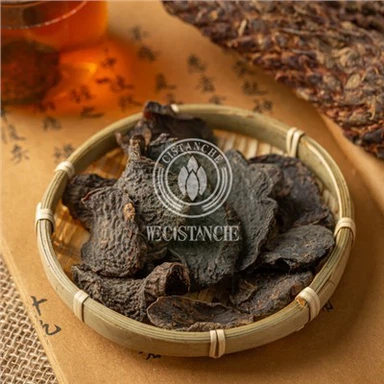
Cistanche tubulosa, family Orobanchaceae, is a perennial parasitic plant, growing in arid areas of Asia and Africa, it has been detected in China, India, Japan, Saudi Arabia (Sakaka desert, Aljouf, KSA)[1]. It possesses various common names in Chinese medicine as Desert Hyacinth, Desert ginseng, and Rou Cong Rong, the stem is succulent and fleshy with high water content [1-6]. Cistanche is familiar with volatile and non-volatile constituents that may include lignans, phenylethanoid glycosides, oligo- and polysaccharides, alkaloids, and iridoids. Due to the great diversity of the phytochemical content and biological activities, Cistanche has acquired a high medicinal value in Chinese folk and traditional medicines. Consequently, it has been used as an aphrodisiac in case of impotence and infertility, laxative in senile constipation, and found to have neuroprotective effects, especially in the case of Alzheimer's. Parkinson's and depression, anti-aging, anti-neoplastic, antiplatelet aggregation, antifungal and antibacterial, hepatoprotective, immunostimulant, antioxidant, renal support, and antitumor in colorectal esophageal carcinoma [1, 7-13]. It is also used in the treatment of psychroalgia of the knees and back, improvement of immunity and cognitive activities and as an antidepressant [14-17]. It has been found to have a hypocholesterolemic effect as reported by Shimoda et al [18]. The literature survey declared the safe use of Cistanche as a non-toxic plant for the long run [19]. Although C.tubulosa was reputed by the high medicinal values, particularly in Chinese traditional medicine, the volatile constituents of which have been scarcely studied, and their chemical compositions haven't been fully characterized. The previous investigation revealed the characterization of 38 components from C. salsa essential oil, 25 compounds from C. deserticola oil, with the three major components known as methyl 14-methyl pentadecanoate(13.60%)ethyl palmitate(12.40%), and 2,5,6-trimethylolethane(7.61%). The survey also revealed the identification of 21 compounds only from the volatile oil C, tubulosa [1,20-22]. Furthermore, the biological activity of the volatile constituents hasn't been fully investigated. Hence, our aim is to identify the chemical compositions of the volatile constituents of C.tubulosa flowers and estimate their antioxidant and antimicrobial activities.
2. Materials and Methods
2.1.Plant Material
Cistanche tubulosa(Schenk)Hook. f.(Orobanchaceae)was collected in March 2019 from Sakaka desert, Aljouf, KSA. Identification of the plant was done by Mr. Hamdan Al-Hassan, M.Sc. (Camel and Range Research Center), Aljouf, KSA. A voucher specimen (59-CPJU)was archived in the herbarium of the Pharmacognosy Department, Pharmacy College, Jouf University.
2.2. Extraction of the Volatile Constituents
The flowers of C.tubulosa were collected in March 2019, carefully washed with running water, and the volatile constituents were extracted by the standard hydro-distillation method with Clevenger apparatus. A 500 g fresh flowers were cut into small pieces and subjected to hydro-distillation for 5 hours until no more yield was produced. the distillates were separated from the aqueous phase by a 500 mL volume separating funnel. NaCl was used to expel the rest of the volatile constituents from the aqueous layer by the salting-out mechanism. The aqueous phase was shaken several times with CHC to obtain all distillates. The combined extracts were then filtered through a Whatman filter paper (No.40) after being passed over anhydrous Na2SO, for dehydration. The product was calculated as 0.36 % total volatiles. The obtained constituents were pale yellow liquid with a pleasant odor. It was packed in a dry clean and tightly closed opaque bottle and kept in dark at 4°C for analysis.
2.3.Gas chromatography and Gas Chromatography-Mass Spectrometry (GC-MS)
The model 6890 of an Agilent gas chromatograph supplied with a 120 m ×0.25 mm i.d.(df=0.25 um)cemented phase HP-5MS stuck silica capillary column(Agilent, Folsom, CA) and flame ionization detector (FID)was applied for volatile extract analysis. The temperature of the oven was adjusted from 60 to 240℃C at 3℃C/min.and kept for 50 min. The carrier gas of linear helium feed ratio was 20 cm/sec. The temperature of the injector and detector was 250°C.
The volatile constituents were analyzed by Agilent Technologies model 7890B GC interfaced to Agilent 7000D GC/TQ mass detector(GC/MS), and Agilent 7693A autosampler. Ionization at 70 eV, HP-5MS column(120m x0.25 mm i.d). The whole process was conducted at 30 cm/s constant velocities of the mobile phase (He) and constant temperature at 250℃C for both injector and detector. The oven temperature was programmed from 60 to 240 °C at 3 °C/min and retained for 50 min.
Concomitant injection of the sample with a solution of homologous n-hydrocarbons (Cg-C26)series under the same conditions were performed to determine Kovats indices values. Identification of the isolated volatiles was done by matching with NISTmass-spectral library data, comparison of Kovats indices with those of authentic components, and with published data. Quantitative determination was carried out according to peak area integration.

2.4.Antioxidant Activity
2.4.1. DPPH Radical Scavenging Assay
The potential antioxidant activity of the obtained volatile constituents was evaluated by the standard DPPH method, the tert-butyl hydroquinone (TBHQ) was applied as a standard antioxidant drug. The measurement of absorption was performed at λmax 517 nm on UV-spectrophotometer(HP 8452, UV-VIS), all tests were conducted in triplicates and the average of the results was calculated [23, 24].
2.4.2. β-Carotene Bleaching Assay
The standard β-carotene/linoleic acid method was applied for the determination of the antioxidant activity of C. tubulosa volatile constituents as previously described, relative to the standard antioxidant tert-butyl hydroquinone(TBHQ). All tests were measured in triplicates at λmax470 nm over 60 minutes starting from the O minute, and the average of the results was calculated [23,24].
2.4.3.ABTS Free Radical Assay
The ABTS [2,2'-azino-bis(3-ethylbenzothiazoline-6-sulfonic acid), was applied for the antioxidant determination of C. tubulosa volatile constituents as described in the literature [25], in comparison to the standard antioxidant tert-butyl hydroquinone (TBHQ). All tests were measured in triplicates at λax734 nm over 60 minutes starting from the 0 minutes, and the average of the results was calculated [26]. The following equation was applied for calculating the free radical scavenging effect in all methods % inhibition = A (control)-A (test or standard)/ A (control)× 100, Where, A = Absorbance
2.5. Antimicrobial Assay
2.5.1. Preparation of Microbial Suspensions
Nine strains of pathogenic microorganisms which are regarded as the main source of several diseases and food intoxication were selected for antimicrobial assay including S. aureus, B. cereus E. fecalis, and L. monocytogenes were employed as G+ve bacteria, E. coli, P. aeruginosa, K. pneumonia, and Salmonella Typhimurium as G-ve bacteria. Additionally, C.albicans was employed as a fungal strain. The quantitative minimum inhibitory concentration (MIC) method was applied for the antimicrobial estimation of the volatile constituents of C. tubulosa. The bacterial and fungal suspensions were prepared in the suitable
broth media for each (Muller Hinton Sabaroud Dextrose for bacteria and fungi, respectively). Incubation of each strain with the proper media was done for 24 h at 37℃C for bacteria and 28°C for fungi. Following the incubation period and the serial dilutions of the prepared suspensions, certain dilutions were selected according to the 0.5 Mc-Farlandscale standards for the assay. The standard ciprofloxacin and fluconazole were prepared in 100μg/mL and applied as antimicrobial and antifungal drugs, respectively [28-30].
2.5.2.Minimum Inhibitory Concentration Method (MIC)
A microtiter dilution plate quantitative method was applied, where the minimum inhibitory concentration (MIC)method was applied for assessment of the antimicrobial activity of C. tubulosa volatile constituents, against certain microorganisms as mentioned. A sterile 96-micro plate well was used, where 100μL of the respective microorganisms in concentrations of (0.5 Mc-Farland, about 1×10⁸cfu/mL)were separately mixed with the obtained distillate in different concentrations(100 %, followed by two-fold serial dilutions). Ciprofloxacin and fluconazole were applied as positive antibacterial and antifungal standards respectively, while DMSO was applied as the negative control. The microplate with the mixed contents in each well was incubated for 24 h at ≈37 ℃C for bacteria and 28°C for fungi. The plates were then visualized for any growth precipitation of the tested organisms. All experiments were conducted in triplicates and the MIC was calculated as the lowest concentration that inhibited or hindered the growth of the tested microorganisms [27].
3. Results and Discussion
3.1.Analysis of Volatile Constituents
In our study, hydrodistillation of C. tubulosa flowers produced 0.36 % pale yellow distillate, with
an aromatic fragrant odor and 106 volatile components(table 1)representing 99.29 % of the volatile content. These components were categorized as 5 monoterpenes,15 sesquiterpenes,62 light oxygenated compounds representing the largest group compounds, and 24 heavy oxygenated compounds. The major components of the volatile constituents were identified as hexanal (15.98%), trans-sabinyl acetate (12.22%), alloaromadendrene(9.30%),nonanoic acid(6.66%),3Z- hexenyl-2-methyl butanoate(6.09%), valeranone(5.25%),(E,E)-α-Farnesene(3.18%o), α-pinene(3.06%),linalool isovalerate(3.03%),α-humulene(1.8%),Jasminol(1.58%),4-hydroxy benzaldehyde(1.56%),Geosmin (1.44%),3Z-hexenyl isobutanoate(1.39%)and geranyl acetone(1.38%).But in previous literature studies results, which were published by Jiang and Tu 2009, only 21 volatile components were identified in the essential oil of C. tubulosa, 38 components were also characterized from C. salsa essential oil, while 25 compounds were identified from the oil of C. deserticola, with three major components (methyl 14-methyl pentadecanoate;13.60%, ethyl palmitate;12.40%, and 2,5,6-trimethylolethane;7.61%)[22,28]. Identification of the isolated volatiles was done tentatively by matching with NIST mass-spectral library data, furtherly confirmed by comparison of Kovats indices with those of authentic components as well as with the published data [29-31]. It was found that the calculated KI of identified compounds falls in the KI range of those published in the literature. For instance, the calculated and published KI for trans Sabinyl acetate (1287& 1273-1289),aromadendrene (1444& 1430-1450),valeranone(1678,1668-1679),allo-aromadendrene(1459& 1458-1470), α-Farnesene(1508& 1505-1520), hexenyl-2-methyl butanoate (1230& 1210-1231),α-humulene(1455& 1452-1570),α-pinene (971& 933-982)[32-36].According to the mentioned KI values, the identified compounds were consistent with those reported in the literature [37-40].


3.2.Results of Antioxidant Assay
DPPH, ABTS, and β-carotene assays were applied to investigate the antioxidant activity of C. tubulosa volatile constituents, the results exhibited reliable antioxidant activity of the tested volatiles (Table 2). The current study indicated that the scavenging ability of C. tubulosa volatile constituents at various concentrations(ug/mL) ranged from 26.08 % to 62.40 % for the DPPH assay, while from 25.71 to 63.29% and 27.31 to 62.72% at(20-80)μg/mL for the ABTS and β-carotene testing systems, respectively, compared to the standard TBHQ antioxidant drug, that showed 43.15 to 78.62%,41.32 to 77.56% and 42.21 to 79.23% at (20-80)ug/mL for the DPPH, ABTS and β-carotene testing systems, respectively. The promising antioxidant activity may be attributed to the presence of highly active complex mixture in the distillate as alloaromadendrene (9.3%), valeranone(5.25%),(E, E)-α-Farnesene (3.18%), and α-pinene (3.06%) which were supposed to have pronounced impact on the antioxidant activity. According to the literature survey, the target biological activity of the volatile constituents may be attributed to the existing mixture of terpenoid and phenolic components, which are known to have antimicrobial and antioxidant activities and can enhance or synergize the target activities [32].

3.3. Results of Antimicrobial Assay
The MIC(minimum inhibitory concentration)method was applied to test the antimicrobial activity of the volatile constituents of C. tubulosa against nine pathogenic microorganisms of animal origin was investigated. The distillate exhibited strong activity against S. aureus with MIC 2.23 mg/100mL and moderate effect against C. Albicans (MIC=4.36 mg/100mL), table 3.

4. Conclusion
The volatile components of C. tubulosa or commonly known as Desert Ginseng are composed mainly of hexanal (15.98%), trans-sabinyl acetate (12.22%), allo-aromadendrene (9.30%), nonanoic acid (6.66%),3Z-hexenyl-2-methyl butanoate(6.09%), valeranone(5.25%),(E, E)-α-Farnesene(3.18%),α-pinene(3.06%), linalool isovalerate(3.03%) and α-humulene(1.8%), which were characterized by their retention times and the fragmentation pattern for each, in the GC-MS chromatogram, as well as comparison to the literature. These components showed promising antioxidant effects at concentrations of 80 ug/mL and comparatively similar results upon using three methods of the assay. It also exhibited strong antimicrobial and antifungal activities against S. aureus L. monocytogenes and C. Albicans compared to ciprofloxacin and fluconazole.

Acknowledgments
The authors extend their appreciation to the Deanship of Scientific Research at Jouf University for funding this work through research grant No (DSR2020-04-453), and to Taif University Researchers Supporting Project number (TURSP-2020/56), Taif University, Taif, Saudi Arabia.
Conflict of Interest
The authors declare no conflicts of interest.
References
[1]Y. Jiang and P.-F.Tu (2009).Analysis of chemical constituents in Cistanche species, J. Chrom. A.1216(11),1970-1979.
[2]L. Zhiming, L. Huinuan, G. Long, G. Jingwen and T. Chi-Meng (2016). Herba Cistanche (Rou Cong-Rong): One of the best pharmaceutical gifts of traditional Chinese medicine, Front. Pharmacol.7,41.
[3]C. Gu, X. Yang and L.Huang (2016). Cistanches Herba: a neuropharmacology review, Front.Pharmacol. 7,289.
[4]E. M. Abdallah (2017). Antimicrobial evaluation of flowering stalks of Cistanche violacea, a holoparasitic plant collected from the arid region in Qassim, Saudi Arabia, Pharma.Biol. Eval.4(6),239-244.
[5]K.Zwe-Ling, J.Athira, K. Fan-Chi, H.Jia-Ling and C. Shu-Chun (2018).Effect of Cistanche tubulosa extracts on male reproductive function in streptozotocin-nicotinamide-induced diabetic rats, Nutrients 10(10),1562.
[6]W.Lin-lin, D.Hui, Y.He-shui, L.Qing-hai, Z. Li-juan and S. Xin-bo (2015). Cistanches Herba: chemical constituents and pharmacological effects, Chin. Herb. Med.
7(2),135-142.
[7]F.Changshuang, L.Jinyu, A. Adila, X.Lijie, Y.Yi, C.Qiuyan, L. Jie, W.Xinhui and L.Jinyao (2019). Cistanche tubulosa phenylethanoid glycosides induce apoptosis in Eca-109 cells via the mitochondria-dependent pathway, Oncol. Lett.17(1),303-313.
[8]Q.Xu, W.Fan, S.-F.Ye, Y.-B.Cong, W.Qin, S.-Y.Chen and J.Cai (2016). Cistanche tubulosa protects dopaminergic neurons through regulation of apoptosis and glial cell-derived neurotrophic factor: in vivo and in vitro, Front. Aging Neurosci. 8,295.
[9]N.Wang, S.Ji, H. Zhang, S.Mei, L. Qiao and X. Jin (2017).Herba Cistanches: anti-aging, Aging Diseas.8(6), 740.
[10]A. Bougandoura, B.D'Abrosca, S. Ameddah, M. Scognamiglio,R. Mekkiou, A. Fiorentino, S.Benayache and F. Benayache(2016).Chemical constituents and in vitro anti-inflammatory activity of Cistanche violacea Desf.(Orobanchaceae) extract, Fitoterapia 109,248-253.
[11]Z.Jiang, J. Wang, X. Li and X. Zhang (2016). Echinacoside and Cistanche tubulosa (Schenk)R, wight ameliorate bisphenol A-induced testicular and sperm damage in rats through gonad axis regulated steroidogenic enzymes, J. Ethnopharmacol.193,321-328.
[12]CJ.Wu, M.Y. Chien, N.H. Lin, Y.C.Lin, W.Y.Chen, C.H.Chen and J.T.C. Tzen (2019).Echinacoside isolated from Cistanche tubulosa putatively stimulates growth hormone secretion via activation of the ghrelin receptor, Molecules 24(4),720.
[13]X.Wang and Y. Guo (2017).Rapidly simultaneous determination of six effective components in Cistanche tubulosa by near-infrared spectroscopy, Molecules 22(5), 843.
[14]A.E.Al-Snafi (2020). Bioactive metabolites and pharmacology of Cistanche tubulosa-A review.IOSR J. Pharm.10(1), 37-46.
[15]D. Wang, H. Wang and L. Gu(2017). The antidepressant and cognitive improvement activities of the traditional Chinese herb Cistanche, Evid. Based Complex.Altern. Med.2017,3925903.
[16]A. E. Al-Snafi(2016).Immunological effects of medicinal plants: A review(part 2), Immun.Endocr. Metab.Agents Med. Chem.16(2), 100-121.
[17]A.S. Al-Menhali, S. A. Jameela, A.A. Latiff, M.A. Elrayess, M.Alsayrafi and M. Jaganjac(2017). Cistanche tubulosa induces reactive oxygen species-mediated apoptosis of primary and metastatic human colon cancer cells, J.Applied Pharm.Sci.7(5), 039-045.
[18]H. Shimoda, J. Tanaka, Y.Takahara, K. Takemoto,S.J. Shan and M.H. Su(2009). The hypocholesterolemic effects of Cistanche tubulosa extract, a Chinese traditional crude medicine, in mice, Amer.J. Chin.Med.37(6),1125-1138.
[19]X.Y. Wang, R. Xu, J.Chen, J.Y. Song, S.G. Newmaster, J.P.Han, Z.Zhang, and S.L.Chen (2018). Detection of Cistanches herba (Rou Cong Rong) medicinal products using species-specific nucleotide signatures, Front. Plant Sci.9,1643.
[20]N.S.Du, S.H.Qu, X.D. Re, J.T. Ni, H.O.Zhang and HJ. Yan(1988). Study on the composition of the essential oil from Cistanche salsa G, Youji Huax. 8, 522-525.
[21]C. Formisano, D. Rigano, F. Senatore, M. SJ Simmonds, A.Bisio, M.Bruno and S.Rosselli (2008). Essential oil composition and antifeedant properties of Bellardia trixago(L.) All. (sin. Bartsia trixago L.)(Scrophulariaceae), Biochem. System. Ecol.36(5-6), 454-457.
[22]S.J. Roudbarak and D. Nori-Shargh(2016).The volatile constituent analysis of Orobanche alba Stephan from Iran, Current Anal. Chem. 12(5), 496-499.
[23]A.Baran, E. Karaklic, O.Faiz and F.Ozen (2020). Synthesis of chalcone-containing zinc and cobalt metal phthalocyanines; investigation of their photochemical, DPPH radical scavenging and metal chelating characters, Org.Commun..13(2), 65-78.
[24]A. Musa, N.S. Al-muaikel and M.S. Abdel-Bakky (2016). Phytochemical and pharmacological evaluations of ethanolic extract of Bassia eriophora, Der Pharm Chem.8(12),169-178.
[25]M. M. Ramadan, M. M.Ali, K.Z. Ghanem and A. H. El-Ghorab(2015). Essential oils from Egyptian aromatic plants as antioxidant and novel anticancer agents in human cancer cell lines, Gras.y Aceites 66(2), e080.
[26]Z.Q. He, X.Y. Shen, Z.Y.Cheng, R.L. Wang, P.X. Lai, and X. Xing(2020). Chemical composition, antibacterial, antioxidant, and cytotoxic activities of the essential oil of Dianella ensifolig, Rec, Nat. Prod 14(2), 160-165.
[27]A. Hamed, B. Mahmoud, M. Samy,E. M. Mostafa.A. Wanas. M.Radwan, M. Elsohly and M. Kamel (2019). Phytochemical and antimicrobial studies of Markhamia platycalyx(Baker) Sprague leaves, Trop.J. Pharm. Res.18,2623-263.
[28]M. M. Ghoneim, A. Musa, A. A.El-Hela and K. M.Elokely(2018).Evaluation and understanding the molecular basis of the antimethicillin-resistant Staphylococcus aureus activity of secondary metabolites isolated from Lamium amplexicaule, Pharmacog. Mag. 14(55), S3-S7.
[29]M.A Abdelgawad,A.M.Mohamed,A.Musa, E. M.Mostafa and H.M.Awad (2018). Synthesis, chromatographic separation and antimicrobial evolution of new isoquinoline-8-ol, J.Pharm. Sci. Res. 10(6),1314-1318.
[30]A. Musa(2019).Chemical constituents, antimicrobial and antiinflammatory evaluations of various extracts of suaeda vera fork. growing in Saudi Arabia, Int.J. Pharm. Res. 11(4),962-967.
[31]R.P, Adams(2017).Identification of essential oil components by gas chromatography/mass spectrometry, ed. 4.1., Allured publishing corporation, Carol Stream.
[32]B.F.M. T, Andrade. L.N.Barbosa.I.S. Probst and A.F.Junior (2014).Antimicrobial activity of essential oils, J. Essent. Oil Res. 26(1), 34-40.
[33]V, Babushok, P.Linstrom and I. Zenkevich(2011). Retention indices for frequently reported compounds of plant essential oils, J. Phys. and Chem. Ref. Data 40(4), 043101.
[34]J.Alencar, A. Craveiro and F.d.A. Matos(1984).Kovats' indices as a preselection routine in mass spectra library searches of volatiles, J. Nat. Prod. 47(5),890-892.
[351M.Y. Tian, X.G. Zhao, X.H. Wu, Y.Hong, Q. Chen, X.L.Liu and Y.Zhou(2020). Chemical composition, antibacterial and cytotoxic activities of the essential oil from Ficus tikoua Bur, Rec.Nat.Prod. 14,219-224.
[36]A. Judzentiene, F. Tomi and J. Casanova(2009).Analysis of essential oils of Artemisia absinthium L. from Lithuania by CC, GC(RI), GC-MS and13C NMR.Nat. Prod. Comm. 4(8),1934578X0900400820.
[37]P.H. Ribeiro, L. M. Santos, C.AG.Camara,F. S.Born and C. W.Fagg(2016). Seasonal chemical compositions of the essential oils of two eugenia species and their acaricidal properties, Ouim. Nova.39, 38-43.
[38]J.Calva, J.M.Castillo, N.Bec, J.Ramirez,J.M.Andrade, C.Larroque and C. Armijos(2019). Chemical composition, enantiomeric distribution, and AChE-BChE activities of the essential oil of Myrteola phylicoides (Benth)Landrum from Ecuador, Rec. Nat. Prod. 13,355-362.
[39]E. M. Mostafa (2020). Exploration of aurora B and cyclin-dependent kinase 4 inhibitors isolated from scorzonera tortuosissima Boiss. and their docking studies, Pharmacog. Mag.16(96),258-263.
[40]J.Yan, X.B.Liu, W.-W.Zhu, X.Zhong, Q. Sun, and Y.-Z.Liang(2015).Retention indices for identification of aroma compounds by GC: Development and application of a retention index database, Chromatographia 78(1-2), 89-108.