What Are The Benefits Of Cistanche Polysaccharide On Immune Function
Mar 10, 2022
Contact: emily.li@wecistanche.com
The immunological activity and mechanism of Cistanche Polysaccharide
Zeng Qunli, Zheng Yifan, Lu Zhiliang
[Abstract] Objective: To study the immune activity of Cistanche Polysaccharide (CDPS) and the mechanism of its immune regulation in vitro. Methods: The thiazole blue colorimetric method (MTT) was used to observe the regulation effect of CDPS (Cistanche Polysaccharide) on IQS DEX TNFβ inhibiting the proliferation of mouse thymic lymphocytes in vitro; CDPS (Cistanche Polysaccharide) was used to perform cell cycle and cell cycle analysis using flow cytometry. Determination of intracellular Ca2. Results: CDPS (Cistanche Polysaccharide) at a higher concentration can resist the inhibitory effect of ISQDEX on lymphocyte proliferation and the inhibitory effect of high concentration TNFβ on lymphocyte proliferation, and synergize the proliferation promotion effect of low concentration TN Fβ on lymphocytes;100μg/ml 200 μg/ml CDPS (Cistanche Polysaccharide) can significantly increase the cells in the division phase; higher concentration (100μg/ml) CDPS (Cistanche Polysaccharide) can significantly promote the concentration of Ca ion in mouse thymocytes. Conclusion: CDPS (Cistanche Polysaccharide) can promote cells to enter the division phase, and it is inferred that its promoting effect on the proliferation of mouse thymic lymphocytes is related to its promotion of calcium release in mouse thymic lymphocytes.
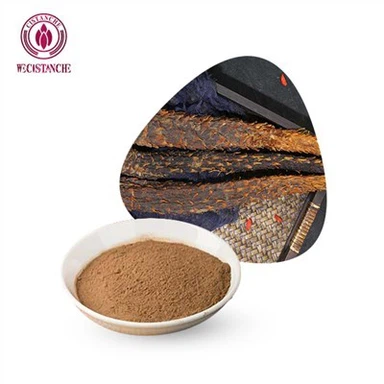
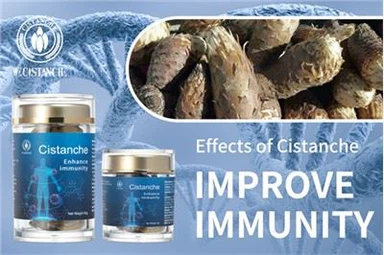
Cistanche (Cistanche Deserticola Y C Ma) is a rare and precious Chinese medicinal material in my country. It is listed as the top grade in "Shen Nong's Materia Medica". Cistanche has the functions of nourishing blood, nourishing the kidney and assisting yang, moisturizing the intestines, and delaying aging. Modern pharmacological research shows that Cistanche Polysaccharide can improve the body's immune function, promote DNA synthesis, strengthen physical strength, improve intelligence, and has obvious anti-aging effects [1]. The author studied the regulation of CDPS (Cistanche Polysaccharide), a polysaccharide component of Cistanche, on the immune function of mouse lymphocytes.

Cistanche Polysaccharide promoting proliferation of lymphocytes
1 Material and methods
1.1 Reagents and drugs.
RPM, I 1640 medium: GIB-CO; HEPES: FARCO; L-glutamine: Shanghai Dongfeng Reagent Factory; Penicillin and Streptomycin: North China Pharmaceutical Factory; Concanavalin (ConA), MTT: SIGM A Company; Phytohemagglutinin (PHA): Shanghai Medical Laboratory; Isoproterenol (ISO): Shanghai Tianfeng Pharmaceutical Factory; Mercaptoethanol: Fluka Company; Newborn calf serum: Sijiqing Bioengineering Company; Dexamethasone (DEX) was presented by Dr. Ma Liang, the First Affiliated Hospital of Zhejiang University School of Medicine; Tumor Suppressor Factor (TNF) was provided by Yu Yuehan, Professor, Department of Cells, School of Life Sciences, Zhejiang University; The rest of the reagents are all domestically produced analytical grades.
1.2 Experimental animals.
ICR mice, male, 68 weeks old, weighing 18-20g, 22, were purchased from Zhejiang Experimental Animal Center.
1.3 Extraction of Cistanche Polysaccharide [2]:
Cistanche Polysaccharide is extracted by our laboratory! After crushing the crude drug Cistanche, it is immersed in hot ethanol, extracted in boiling water, and precipitated in ethanol. Neutral enzyme combined with Sewag method for deproteinization, anion DEAE-Sephadex A- 50 exchange chromatography and Sephacry S-200 gel filtration chromatography to obtain a single component of CDPS (Cistanche Polysaccharide)). Keep dry, use incomplete RPMI1640 to make a certain concentration before use, and sterilize by ultrafiltration
1.4 Preparation of spleen and thymus lymphocytes [3]:
The mice were sacrificed by neck removal. The spleen or thymus was taken aseptically and sieved through a 200-mesh steel mesh. The Hanks solution containing porridge newborn calf serum was used to prepare a single-cell suspension. After centrifugation at 1500 r/min for 10 min, red blood cells were lysed with 0.01 mol/L Tris-NHCl hypotonic solution for 1 min, and then washed with Hanks liquid centrifugation. Finally, the cells were suspended in RPMI1640 containing 10% fresh calf serum for complete culture Solution (containing 2 mmol/LL glutamine, 100 mmol/L sodium pyruvate, 1 mmol/L mercaptoethanol, add penicillin 100 U/ml and streptomycin 100 μg/ml just before use), trypan blue count, live For cells> 93, adjust the concentration of spleen cells to X 10 /ml and the concentration of thymocytes to × 10°/ml
1.5 Lymphocyte proliferation reaction: According to the Mosmanmn method [4] Improvement: 96-well cell culture plate, add 10/ml spleen cell suspension or water 10/ml thymocyte suspension 100M1 and different concentrations of drugs 10041 in each well. Cultivate in a CO2.37C incubator for 72 hours. 4 hours before the end of the culture, add 8μ1 of MTT (5 mg/ml) to each well. At the end of the culture, aspirate 150"1 of the supernatant from each well, and add 0.5N isopropanol hydrochloride 150M1. Gently shake on the micro shaker to completely dissolve the blue crystals. Measure the OD570 on the microplate reader. Set each experimental point as three replicate wells.
1.6 Determination of the influence on cell cycle [5]:
124-well cell culture plate, add 4 10°/ml thymocyte suspension 1ml to each well, add various reagents and polysaccharide solution to 2ml in strong CO, 37 incubators After culturing for 72h, centrifuge at 1500r/min for 15min, discard the supernatant, add 7 ethanol to fix the precipitated cells, store at 4C for standby testing, wash the cells twice with PBS, centrifuge at 1500r/min for 15min, discard the supernatant, and add After 0.5ml0.1 RNaseA was digested at 4C for 30min, 50μg/ml bromoacetate was stained for 30min at 4C, and the fluorescence intensity of the cell samples was measured on the FACScan flow cytometer. 10,000 cell test points were collected for each sample, and the data used Mul tricycle software analysis.
1.7 Determination of intracellular calcium ion concentration [6]
Take mouse thymocytes in the same way as above. Suspend in incomplete RPMIl640 culture medium and adjust the cell concentration to × 10'/ml. Add 1 ml of thymocyte suspension and 1 μM to each experimental tube Fluo-3AM staining solution 5μ1, 2% F-275μ1, after incubation at 37 for 30 min, wash twice with incomplete RPM1640, 1500r/min, centrifuge for 10 min, discard the supernatant, and add different concentrations of polysaccharides and polysaccharides to the precipitated cells After ConA, the fluorescence intensity was measured on the FACScan flow cytometer. The data of 10,000 cell test points were collected for each sample and analyzed by CELLQUEST software. 1.8 Statistical methods were used for variance analysis, and the cell cycle and calcium ion measurement were analyzed by the software of the flow cytometer.

Cistanche Polysaccharide from cistanche deserticola
2 Results
2.1 Cistanche Polysaccharide in vitro inhibits the proliferation of mouse thymic lymphocytes by ISO DEX TNFβ
The β-adrenergic receptor agonist isoproterenol (ISO) and a class of adrenal cortex hormone dexamethasone (DEX) inhibit lymphocyte proliferation CDPS (Cistanche Polysaccharide) at a higher concentration (75 125μg/ml) can resist the inhibitory effect of ISO DEX on lymphocyte proliferation (P<0.01) as shown in Figure 1. Tumor necrosis factor (TNF β) on lymphocytes at high concentration CDPS (Cistanche Polysaccharide) (125μg/ml) at a higher concentration can resist the inhibitory effect of TNFβ, and synergistically promote the proliferation of lymphocytes with low concentration of TNFβ (Figure 2)
2.2 Cistanche Polysaccharide's regulation of thymus lymphocyte cycle
CDPS (Cistanche Polysaccharide) 25μg/ml 100μg/ml 200#g/ml three concentrations were acted on mouse thymic lymphocytes for 72 hours, the DNA content in the cells was measured by FACS, and the proliferation index (PI) was calculated according to the formula. The results show that both 100μg/ml and 200μg/ml can significantly increase the cells in the division phase, and the proliferation index (68.0%, 56.6) of both are significantly higher than the control group (44.6), and the 200μg/ml group is slightly lower than 100μg /ml group because, at the concentration of 200μg/ml, its effect on cell proliferation has become a downward trend [7]. The P I value (47.5%) of the 25μg/ml group was not significantly higher than that of the control group.
2.3 The effect of Cistanche Polysaccharide on the calcium ion concentration in mouse thymocytes
The experimental results show that a higher concentration (100 μg/ml) of CDPS (Cistanche Polysaccharide) can significantly promote the increase in the calcium ion concentration in mouse thymocytes Compared with the control group, there is a significant difference (P<Q 01), and it has a synergistic effect with ConA (P<0.01), and there is a certain effect relationship with the action time (Figure 3)

3 Discussion
Cistanche, commonly known as "desert ginseng", is a dry, scaly fleshy stem of Cistanche。 Cistanche has the functions of nourishing kidney yang, nourishing essence, blood and intestines. It belongs to a kind of excitement of the pituitary-adrenal cortex or has a hormone-like effect similar to the adrenal cortex. A valuable Chinese medicine that can regulate the immune function of the body. Our previous research results show that CDPS (Cistanche Polysaccharide) in vitro can promote the proliferation of thymic T lymphocytes that have not been activated or activated by ConA PHA. Combined with ConA PHA, there are two types of T cell stimulator, we believe that CDPS (Cistanche Polysaccharide) is an Badjuvant for T cells, and we also found that CDPS (Cistanche Polysaccharide) can significantly increase the secretion of mouse splenic lymphocytes at higher concentrations [8]
Some studies have found that recombinant TNF can cause the apoptosis of normal mouse and human T lymphocyte clusters in vitro, and this effect can be potentially inhibited by IIL-2 IL-1 IFN and IIL-4 with dexamethasone (DEX) It can inhibit lymphocyte proliferation by inhibiting lymphocyte expression and secretion of IL-2 and down-regulating the production of high-affinity IL-2R. This experiment found that a higher concentration of CDPS (Cistanche Polysaccharide) can counteract the effects of high concentration of TN Fβ on lymphocyte proliferation. Inhibition, synergistic with low concentration of TNFβ to promote the proliferation of lymphocytes, and can counter the inhibitory effect of ISQ DEX on lymphocyte proliferation. These effects are precisely through CDPS (Cistanche Polysaccharide) to promote the proliferation of T lymphocytes and are autocrine by T cells IL-2 and other cytokines to complete.
In recent years, there have been many studies on the immunopharmacological effects of plant polysaccharides, but few studies on the immune regulation mechanism of polysaccharides, especially the signal transduction pathway of polysaccharides acting on lymphocytes with Ca2 as the second messenger. There is no report. This experiment conducted preliminary research in this area. Intracellular signaling molecules include cAM R Ca", IP3 DG cGMP, etc., among which Ca" has an extremely important physiological effect on cells. The increase in intracellular Ca² concentration is An important phenomenon in the early stage of lymphocyte activation and proliferation. This process mainly occurs in the first tens of seconds to minutes when cells are activated by stimulators. The classic way of T cell activation is phosphatidylinositol (PIB) to metabolize phosphatidyl muscle. The alcohol metabolite 1,4.5-inositol triphosphate (IP3) can promote the release of Ca" stored in the inner mesh by binding to the inner mesh receptors, increasing the level of intracellular Ca2, and the concentration of intracellular Ca* increases. High can promote the production of NF-AT (nudeic factor of activated T cell), the latter has the effect of promoting the expression of IIL-2 gene. Experimental results show that a higher concentration (100μg/ml) of CDPS (Cistanche Polysaccharide) is effective for 5 10 min Time has a significant effect on increasing the concentration of Ca* in mouse thymocytes, and has a synergistic effect with ConA. Therefore, we speculate that CDPS (Cistanche Polysaccharide) promotes the release of calcium in mouse thymic lymphocytes to increase the intracellular calcium ion concentration. The increase promotes the expression of IL-2 gene and leads to the proliferation of T cells, which is one of the theoretical foundations of Cistanche Polysaccharide's regulatory effect on the body

Cistanche Polysaccharide
References
IN XiuHin, SU Yuke ( General situation of pharmacology research on Cistanche Ska 【J】. Chinese Traditional and Herb drugs ((Chinese herbal medicine). 1993.24(10. 550-552(in Chinese))
ZHANG Weijiee ( Biochemical techeory of compound polysaccharide [M]. Hangzhou Zhejiang University Pres (Zhejiang University Press), 1994.16-17 (in Chinese)
MA Bo- (Ma Baoli).Immunology tehnique【M1. Shanghai Medical University Pres (Shanghai Medical University Press), 1984 188-190. (n Chines))
Mosmann T. Rapiloloimeric assay for easier growth and survival application to proliferation and cytotoxicity aways[J J Immun Meth.1983,6 55- 58.
WU is-hi, WU shailing, Acai-n, et al (Wu Jiahui, Wu Shuibing. Li Carian, etc.), The effect of zin on the proliferation of cyclic cells in immune organ-analysis using flow cytometry [J]. Chinese immunology (Chinese Journal of Immunology), 1994, 10X5: 278-281. (in Chine)
TAO axin. JIYong-yong, GAO Qi-rong, et al (Tao Jiaxian, Ji Yongpu Gao Qirong, etc.). FACS analysis of changes in intracellular C2 during elactivation[J] Chinese journal of immunology (China Journal of Immunology), 1993, 9 (2): 97-10L. (in Chinese)
ZENGQu-li.MAO Jum-hao, LU suchiang; Purification d polysacdaride of Cistanche Deserticola YC Mfa and its immunomodulatory effects on Tellfunction[J].burnal of Zhejiang Medical University (Journal of Zhejiang Medical University), 1998.27 (3: 108-111. (in Chinese)
Sarin A, Michelle C C. Perre A H Cytotoxic Efed of TNF and Lymphotoxin on T Lymphoblak. J Immunol, 1995, 1553716-3721.