What Is Cistanche Tubulosa? A Beginner's Guide To The Desert Ginseng
Jul 30, 2026
Deep in the arid Taklamakan Desert of northwest China-one of the harshest environments on Earth-grows a most unusual plant. It has no chlorophyll, produces no green leaves, and cannot photosynthesize. Instead, it survives by attaching itself to the roots of hardy desert shrubs, drawing water and nutrients from its host. This parasitic survivor, Cistanche tubulosa, has been treasured for over two thousand years as one of the most powerful restorative tonics in traditional herbal medicine. So valuable was it to the emperors of ancient China that it was reserved exclusively for the imperial court. Today, modern science is validating what those ancient herbalists knew: this humble desert root, often called "desert ginseng," contains a remarkable array of bioactive compounds that support energy, immunity, brain health, sexual vitality, kidney function, and healthy aging. This guide is your comprehensive introduction-what Cistanche is, why it works, and how to choose a product that delivers real results.

What Is Cistanche Tubulosa?
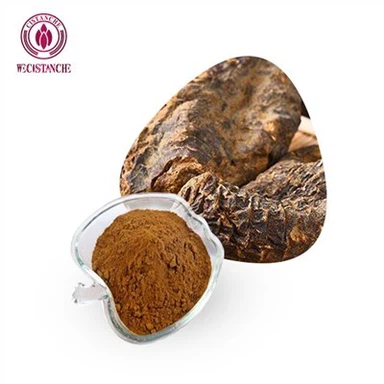
Cistanche tubulosa is a holoparasitic plant belonging to the Orobanchaceae family. Unlike most medicinal plants that produce their active compounds through photosynthesis, Cistanche derives everything from its host-typically Tamarix species, salt-tolerant shrubs that anchor the shifting desert sands. The plant emerges from the ground as a fleshy, cylindrical stem covered in yellowish-brown scales, topped with a spike of purple flowers in spring. It is the succulent stem, harvested before the flowers bloom, that contains the concentrated bioactive compounds valued for human health.
The extreme environment in which Cistanche thrives is key to its potency. The Taklamakan Desert experiences summer temperatures exceeding 50°C, winter temperatures plunging below -20°C, intense UV radiation, and nearly zero rainfall. To survive such relentless stress, the plant has evolved to produce an extraordinary array of protective secondary metabolites-compounds that shield its own cells from oxidative damage, dehydration, and radiation. When consumed by humans, these same compounds confer protective benefits to our cells. This is the fundamental logic of adaptogenic herbs: they survive stress, and they help us do the same.
Cistanche tubulosa is distinct from, but closely related to, Cistanche deserticola, another species used in traditional medicine. Both are officially recognized in the Pharmacopoeia of the People's Republic of China and share a nearly identical profile of active compounds. Cistanche tubulosa is often preferred in modern standardized extracts due to its typically higher concentration of phenylethanoid glycosides, the most important class of bioactive compounds in the plant.
Why Is It Called "Desert Ginseng"?
Despite being botanically unrelated to Panax ginseng, Cistanche earned the nickname "desert ginseng" for its ginseng-like tonic properties-the ability to restore vitality, combat fatigue, and enhance overall resilience. Like ginseng, Cistanche is classified as an adaptogen, meaning it helps the body adapt to stress and maintain physiological balance. But Cistanche has its own unique character: where ginseng is stimulating and warming, Cistanche is nourishing and gently moistening. It is considered a safer choice for long-term daily use and for individuals who find ginseng too stimulating.
The Active Ingredients: What Makes Cistanche Work
The therapeutic power of Cistanche tubulosa resides in two primary classes of bioactive compounds. Understanding them is the key to choosing an effective product.
Phenylethanoid Glycosides: Echinacoside and Acteoside
These are the star compounds. Echinacoside and acteoside (also known as verbascoside) typically comprise 20–40% of a high-quality standardized extract, and they are responsible for the majority of Cistanche's pharmacological activities.
Echinacoside is the more abundant of the two and serves as the primary quality marker. It is a potent activator of Nrf2, the master transcription factor that turns on over 200 protective genes in the body-antioxidant enzymes, detoxification proteins, and cellular repair factors. This Nrf2 activation is the central mechanism behind Cistanche's anti-aging, organ-protective, and disease-preventive effects.
Acteoside is often the more potently bioactive of the two in specific contexts, particularly inflammation. It is a powerful inhibitor of NF-κB, the master inflammatory switch that drives chronic inflammation in conditions ranging from arthritis to Alzheimer's disease. Acteoside also inhibits specific enzymes-tyrosinase in skin pigmentation, xanthine oxidase in uric acid production, and acetylcholinesterase in the brain-giving it a remarkably broad therapeutic reach.
Polysaccharides
These large, water-soluble carbohydrate chains complement the phenylethanoid glycosides. They function as prebiotics, nourishing beneficial gut bacteria, and as immunomodulators, activating macrophages and natural killer cells. They are also responsible for Cistanche's gentle intestinal moisturizing effect-its ability to support bowel regularity without harsh stimulation.
The Core Benefits of Cistanche Tubulosa
Modern research, grounded in the mechanisms described above, supports a wide range of evidence-based health benefits. Here are the most well-documented:

1. Anti-Fatigue and Energy Enhancement
Cistanche is best known for its ability to combat fatigue-not with the jittery stimulation of caffeine, but by restoring mitochondrial energy production. Its phenylethanoid glycosides protect mitochondria from oxidative damage and activate AMPK, the enzyme that signals cells to produce more ATP. A human pilot study published in Nutrients found that 12 weeks of Cistanche supplementation significantly reduced fatigue scores and improved physical performance. This is sustainable, cellular energy-no crash, no dependency.
2. Anti-Aging and Cellular Longevity
Aging is fundamentally the accumulation of oxidative damage and the decline of repair systems. Cistanche addresses both: echinacoside activates Nrf2, turning on the body's own antioxidant and repair enzymes, while acteoside suppresses the chronic inflammation of aging. The result is multi-organ protection-brain, heart, liver, kidneys, skin-against the slow erosion of time.
3. Brain Health and Cognitive Function
Cistanche's phenylethanoid glycosides cross the blood-brain barrier, making them directly available to neurons. They inhibit acetylcholinesterase, preserving the acetylcholine needed for memory formation. They upregulate BDNF, the growth factor essential for synaptic plasticity and learning. And they protect neurons from oxidative and inflammatory damage implicated in Alzheimer's disease and Parkinson's disease.
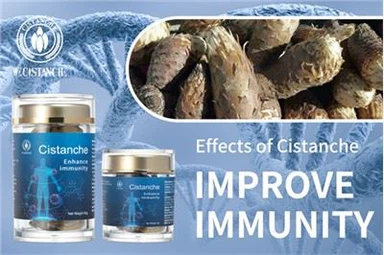
4. Immune System Support
Cistanche polysaccharides activate macrophages and natural killer cells while increasing antibody production. Acteoside, simultaneously, calms the excessive inflammation that can damage tissues. This bidirectional modulation-enhancing defense while restraining overreaction-is the hallmark of a true immunomodulator.
5. Sexual Function and Hormonal Health
Cistanche supports sexual vitality through multiple mechanisms: it enhances endothelial nitric oxide production for vascular responsiveness, supports the body's own testosterone synthesis through StAR protein upregulation, and provides adaptogenic stress relief that reduces performance anxiety. This multi-system support addresses the vascular, hormonal, and psychological dimensions of sexual health.
6. Kidney Protection and Function
Cistanche protects the delicate glomerular filtration barrier-specifically the podocytes whose foot processes form the final molecular sieve-from oxidative damage. It also inhibits the TGF-β1-driven fibrosis that converts functional kidney tissue into scar. These renoprotective effects have been demonstrated in models of diabetic nephropathy, the leading cause of kidney failure worldwide.
7. Digestive Health and Gentle Constipation Relief
Unique among tonic herbs, Cistanche also moistens the intestines. Its polysaccharides stimulate mucus secretion and upregulate aquaporin water channels, gently hydrating the stool. Its prebiotic effects nourish the gut bacteria that produce motility-regulating short-chain fatty acids. The result is comfortable, regular elimination without the cramping or dependency of stimulant laxatives.
A comprehensive 2022 open-access review published in Frontiers in Pharmacology systematically summarizes these benefits, confirming the multi-organ protective and health-promoting effects of Cistanche tubulosa and its active ingredients echinacoside and acteoside. (Frontiers in Pharmacology review on Cistanche tubulosa)

How to Choose a Quality Cistanche Product
Not all Cistanche products are created equal, and the difference between a quality extract and raw powder is the difference between therapeutic benefit and wasted money. Three criteria should guide your selection:
First, standardization. The product label must state the percentage of total phenylethanoid glycosides. A high-quality extract typically contains 20–40%. Products labeled simply as "Cistanche powder" without a percentage are usually raw, unstandardized material with low and variable active content.
Second, marker compound disclosure. The best products also list the individual percentages of echinacoside and acteoside. This transparency indicates careful manufacturing and allows you to match the product to your specific health goals.
Third, third-party testing. Reputable manufacturers provide a certificate of analysis from an independent laboratory, confirming the active ingredient content and demonstrating the absence of contaminants-heavy metals, pesticides, and microbial overgrowth.
Browse our product list and specification page to review products with full transparency on standardization, active ingredient content, and third-party verification.
Safety: Two Thousand Years of Evidence
Cistanche tubulosa was classified as a "superior herb" in the Shennong Bencao Jing, the oldest surviving Chinese pharmacopoeia. This classification was reserved for substances that are non-toxic and suitable for long-term consumption. Modern toxicology confirms this safety profile. The Natural Medicines Database lists Cistanche as generally well tolerated at standard supplemental doses. It is non-stimulating, non-hormonal, and non-habit-forming. The typical effective dose is 400–600 mg of a standardized extract per day, taken with or without food.
The Bottom Line
Cistanche tubulosa is one of the most versatile, well-studied, and historically validated botanicals available. Its benefits are not based on a single mechanism or a narrow indication, but on a broad, synergistic network of protective effects that touch nearly every aspect of health-from the energy in your cells to the clarity in your mind, from the strength in your bones to the radiance of your skin. It is a tradition two thousand years in the making, now validated by modern science. Whether you are seeking to combat fatigue, protect your brain, support your immune system, or invest in healthy aging, Cistanche tubulosa deserves your attention.