What Is The Difference Between Desert Cistanche, Cistanche Tube Flower, And Salted Cistanche?
Mar 10, 2022
Contact: joanna.jia@wecistanche.com / WhatsApp: 008618081934791
Keywords: Cistanche, cistanche tubulosa, cistanche deserticola, cistanche salina
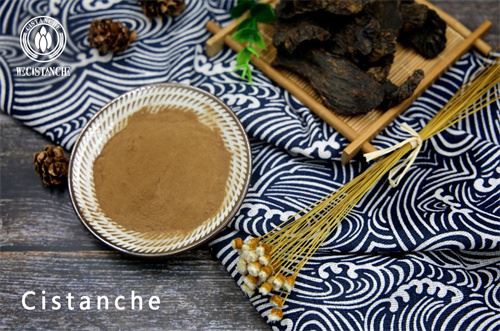
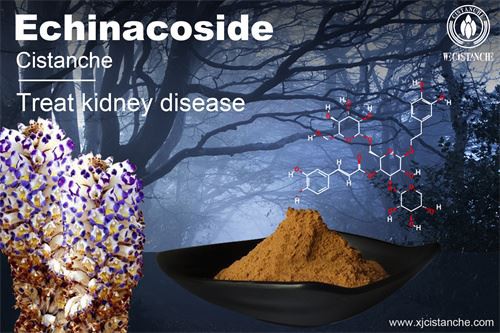
Cistanche is a perennial parasitic herb with a plant height ranging from 10 cm to 160 cm. Its hosts include sand-protecting plants Haloxylon ammodendron, Saliconychus plants, Tamarix plants, pearl wood, and gramineous plants Achnatherum splendens.
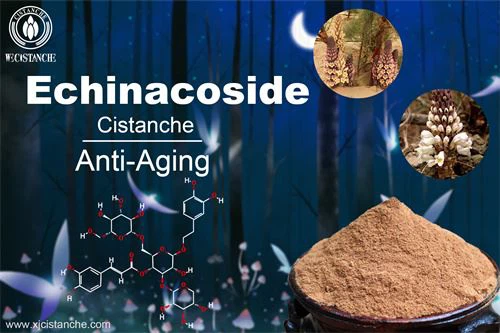
Cistanche tubulosa has many effects, click here to know more
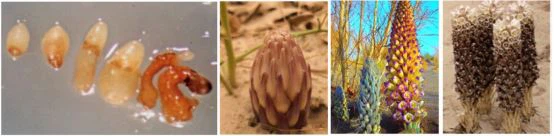
When the host root hair contacts the Cistanche seeds, they enter from the seed hole, release specific chemical hormones, induce seed germination, and the germinated seeds will absorb the absorber deep into the host root, absorb nutrients and water, and gradually from rhizomes, which are produced on the rhizomes. Adventitious buds form new fleshy stems. The fleshy stems grow in the soil most of the time. Only around May, the spikes protrude out of the ground, and the flowers are firm. It takes about one month from unearthed to seed maturity, and after the seeds mature, Scattered in the quicksand, the above-ground stems withered, and the plants died, completing a developmental period.

Cistanche is mainly produced in the deserts of Central Asia, West Asia, and my country's Inner Mongolia, Xinjiang, Shaanxi, Gansu, Ningxia, and Qinghai. Certainly resistant to cold and drought.
Cistanche is also known as Dayun, Calm, Indulgent, Goblin... There are 20 species of Cistanche in the world, distributed in the warm and dry desert regions of Europe and Asia;
There are 4 species and 1 variety of Cistanche plant in China:
Including Cistanche tubulosa, desert cistanche, salt raw cistanche, sand cistanche, and white flower cistanche; distributed in Xinjiang, Inner Mongolia, Ningxia, Gansu, and other places.
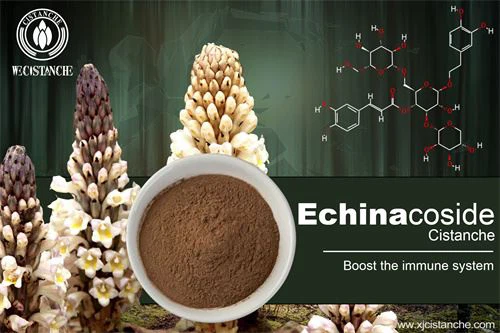
Desert Cistanche and Cistanche tubulosa are authentic medicinal materials included in the Chinese Pharmacopoeia. Cistanche tubulosa is mainly distributed in Xinjiang. As a substitute for Cistanche, it has been included in the Xinjiang local standard.