What Is Renal Hypertension? How To Treat It?
May 27, 2024
The incidence of chronic kidney disease is increasing year by year, with the global average prevalence ranging from 11.7% to 15.1%. In other words, about every 11-15 people have chronic kidney disease, and chronic kidney disease has become a global "epidemic."
Chronic kidney disease is often complicated by multiple systemic complications, causing huge pain and economic burden to patients.

Click to Cistanche for kidney disease
Renal hypertension is one of the most common complications in patients with chronic kidney disease. When uremic patients are combined with renal hypertension, it is often difficult to control due to complex pathological mechanisms.
In daily life, what symptoms should be considered to indicate renal hypertension? How should we deal with renal hypertension?
What is renal hypertension and its causes?
1) Definition of renal hypertension
Renal hypertension is a type of secondary hypertension. As the name suggests, renal hypertension is related to the "kidneys." Hypertension caused by kidney disease is called renal hypertension, which is mainly caused by renal parenchymal diseases (glomerulonephritis, chronic pyelonephritis, polycystic kidney disease, etc.) and renal vascular diseases (such as renal artery stenosis) Caused by.
2) What parenchymal renal diseases can lead to renal hypertension?
Substantial renal diseases that can lead to renal hypertension include:
①Acute and chronic glomerulonephritis and polycystic kidney disease;
②Chronic tubulointerstitial disease (chronic pyelonephritis, obstructive nephropathy);
③ Metabolic diseases and renal damage (gouty nephropathy, diabetic nephropathy);
④ Systemic or connective tissue disease renal damage (lupus nephritis, scleroderma);
⑤ It is also rare in hereditary kidney disease (Liddle syndrome), kidney tumors (reninoma), etc.

① Currently, there are patient groups: diabetes group, cardiovascular health group, mother-to-child care group, sub-health health group, tumor patient group, and mental health group;
②Public welfare activities in the group include specialist doctors answering questions, nutritionists' dietary guidance, free online consultations, and daily health science updates;
③How to join the group: Scan the QR code to add the assistant below, report the name of the disease, and the assistant will pull you into the corresponding community;
3) What renal vascular diseases can cause renal hypertension?
Mainly renal artery stenosis. The basic characteristics of renal artery stenosis are stenosis of the main trunk or branches of the renal artery, which leads to renal ischemia and significantly increases the activity of the renin-angiotensin system, causing hypertension and decreased renal function. Renal artery stenosis is one of the important causes of hypertension and/or renal insufficiency, and its prevalence accounts for approximately 1% to 3% of people with hypertension.
4) What is the relationship between kidney disease and high blood pressure?
There is a concomitant relationship between kidney disease and hypertension. Hypertension can cause kidney damage, and kidney damage can further increase blood pressure and make it difficult to control. Hypertension can occur during the progression of kidney disease, which in turn aggravates kidney disease and reduces kidney function, forming a vicious cycle.
Dangers of renal hypertension
1) Harm to the heart
As the resistance of the left ventricle increases after blood pressure rises, the left ventricle gradually enlarges and expands due to compensation; at the same time, high blood pressure damages the coronary arteries, gradually causing coronary artery sclerosis, stenosis, reduced coronary blood supply, angina pectoris, and even myocardial infarction.
2) Harm to the brain
Under the influence of long-term hypertension, cerebral arteries will harden, their walls will thicken, and their lumens will narrow, easily causing cerebral ischemia and cerebral infarction. Extremely high blood pressure cannot be controlled and is more likely to lead to cerebral hemorrhage.
3) Harm to peripheral blood vessels
Because vascular lesions reduce the flow of oxygen and nutrients to surrounding tissues, intermittent claudication and other symptoms characterized by painful cramps and pain occur.
Early manifestations of renal hypertension
1) Early manifestations of renal parenchymal hypertension
The main thing is to be alert to the early manifestations of various nephritis. You need to pay attention to the nature of your urine from time to time and check your urine routine regularly. Observe whether there are any changes in urine color, such as gross hematuria, tea-colored urine, etc.; observe the foam in the urine, if the foam in the urine does not dissipate for a long time and does so repeatedly; observe whether you have anemia, such as the color of nails and conjunctiva; observe whether there is any Swelling, such as pitting edema of the eyelids and lower limbs.
2) Early manifestations of renovascular hypertension
Mainly be wary of renal artery stenosis. When renal artery stenosis occurs, there may be a large blood pressure difference between the upper limbs on both sides, generally greater than 30mmHg, and you need to be alert to vascular lesions. Perform regular physical examinations; if a vascular murmur is found around the navel, you need to be alert to renal artery stenosis.
Medication for renal hypertension
1) Calcium ion antagonist (CCB)
Representative drugs: nifedipine or xxdipines. This type of drug is relatively safe and is the basis for medication for renal hypertension.

First-generation calcium antagonists, such as nifedipine, have significant antihypertensive effects but have significant side effects such as gum hyperplasia. It is recommended that when blood pressure is controlled stably, they can be replaced with higher-level calcium antagonists, such as ammonia besylate. Dipine or levamlodipine maleate or benidipine.
2) Diuretics
Such as hydrochlorothiazide, furosemide, bumetanide, torasemide, spironolactone, etc. Among them, spironolactone is a potassium-sparing diuretic; it cannot be taken when blood potassium levels are high.
3) RAAS inhibitors
Including angiotensin-converting enzyme inhibitors (ACEI such as xx Prili), angiotensin receptor blockers (ARB such as xxsartan), aldosterone receptor antagonists, etc. ACEI or ARB are the preferred antihypertensive drugs for CKD, especially for patients with proteinuria. However, pay attention to monitoring changes in serum potassium, serum creatinine, and GFR. ACEI or ARB drugs are contraindicated in bilateral renal artery stenosis and hyperkalemia.
4) Emerging drug ARNI
Representative drug: sacubitril/valsartan. It is forbidden to use it in combination with ACEI. It will be more effective in patients with heart failure.
5) Beta-blockers
Representative drugs: Metoprolol and other lorol drugs are contraindicated in patients with high-grade sinoatrial or atrioventricular block, symptomatic bradycardia, and cardiogenic shock.
6) α-blockers
Representative drugs: terazosin, urapidil sustained-release tablets, etc.
Daily interventions and precautions for renal hypertension
1) Patients with renal parenchymal hypertension should adhere to a low-salt diet (<5g per day);
2) People with large amounts of proteinuria and renal insufficiency should choose to consume high biological value protein and limit it to 0.3 to 0.6g/kg/d;
3) While providing effective treatment for the primary disease, actively control blood pressure at <130/80mmHg. Patients with proteinuria should first choose ACEI or ARB as antihypertensive drugs;
4) Long-acting calcium antagonists, diuretics, beta-blockers, and alpha-blockers can all be used as combined treatment drugs;
5) If the glomerular filtration rate is <30ml/min or there is a large amount of proteinuria, thiazide diuretics are ineffective and loop diuretics should be used;
6) For maintenance hemodialysis patients, volume control is the cornerstone of controlling renal hypertension;
7) Adhering to a regular schedule, an optimistic attitude, and good living habits are the last line of defense in the battle against disease.
Summarize
Renal hypertension is preventable and controllable. Don't be pessimistic. Through active lifestyle intervention and a reasonable selection of drugs, patients with renal hypertension can reduce the occurrence of complications and maintain good heart and brain benefits.
How Does Cistanche Treat Kidney Disease?
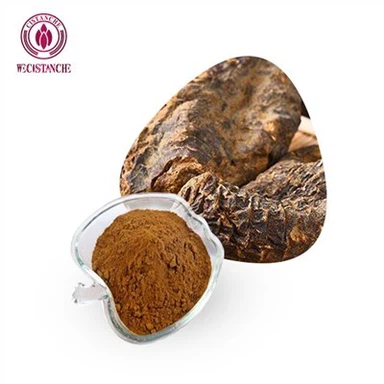
Cistanche is a traditional Chinese herbal medicine used for centuries to treat various health conditions, including kidney disease. It is derived from the dried stems of Cistanche deserticola, a plant native to the deserts of China and Mongolia. The main active components of cistanche are phenylethanoid glycosides, echinacoside, and acteoside, which have been found to have beneficial effects on kidney health.
Kidney disease, also known as renal disease, refers to a condition in which the kidneys are not functioning properly. This can result in a buildup of waste products and toxins in the body, leading to various symptoms and complications. Cistanche may help treat kidney disease ase through several mechanisms.
Firstly, cistanche has been found to have diuretic properties, meaning it can increase urine production and help eliminate waste products from the body. This can help relieve the burden on the kidneys and prevent the buildup of toxins. By promoting diuresis, cistanche may also help Reduce high blood pressure, a common complication of kidney disease.
Moreover, cistanche has been shown to have antioxidant effects. Oxidative stress, caused by an imbalance between the production of free radicals and the body's antioxidant defenses, plays a key role in the progression of kidney disease. ies help neutralize free radicals and reduce Oxidative stress, thereby protecting the kidneys from damage. The phenylethanoid glycosides found in cistanche have been particularly effective in scavenging free radicals and inhibiting lipid peroxidation.
Additionally, cistanche has been found to have anti-inflammatory effects. Inflammation is another key factor in the development and progression of kidney disease. Cistanche's anti-inflammatory properties help reduce the production of pro-inflammatory cytokines and inhibit the activation of inflammation mandatory pathways, thus alleviating inflammation in the kidneys.

Furthermore, cistanche has been shown to have immunomodulatory effects. In kidney disease, the immune system can be dysregulated, leading to excessive inflammation and tissue damage. Cistanche helps regulate the immune response by modulating the production and activity of immune cells, such as T cells and macrophages. This immune regulation helps reduce inflammation and prevent further damage to the kidneys.
Moreover, cistanche has been found to improve renal function by promoting the regeneration of renal tubes with cells. Renal tubular epithelial cells play a crucial role in the filtration and reabsorption of waste products and electrolytes. In kidney disease, these cells can be damaged, leading to damaged renal function. Cistanche's ability to promote the regeneration of these cells helps restore proper renal function and improve overall kidney health.
In addition to these direct effects on the kidneys, cistanche has been found to have beneficial effects on other organs and systems in the body. This holistic approach to health is particularly important in kidney disease, as the condition often affects multiple organs and systems. che has been shown to have protective effects on the liver, heart, and blood vessels, which are commonly affected by kidney disease. By promoting the health of these organs, cistanche helps improve overall kidney function and prevent further complications.
In conclusion, cistanche is a traditional Chinese herbal medicine used for centuries to treat kidney disease. Its active components have diuretic, antioxidant, anti-inflammatory, immunomodulatory, and regenerative effects, which help improve renal function and protect the kidneys from further damage. , cistanche has beneficial effects on other organs and systems, making it a holistic approach to treating kidney disease.